EVIL’s Vampiric Power Over the Homunculus is Short Lived! “Decadent Evil” reviewed! (Full Moon Features / Blu-ray)

The Remastered “Decadent Evil” is now on Blu-ray!

An evil vampiric bloodline has stretched from Europe to U.S., specially in the Los Angeles area, where Morella, a centuries year old master vampire, collects the blood of innocent victims and she requires just one more soul to fulfill a prophecy to be the most powerful and invincible vampire ever.  Morella is so cruel she even transformed her once lover into a homunculus, a scaly and green shrunken humanoid, to keep as a caged pet.  When two of Morella’s thralls are uncovered working at a strip club by a dwarf vampire hunter with a grudge, she finds obtaining the last soul to be challenging, especially when one of her subservient vampires, Sugar, is against the whole bloodsucking attribute and falls in love with the strip club DJ.  With Sugar, the DJ, the homunculus, and the vampire hunter standing in her way of total immortality of godlike proportions, Morella has little allies in her corner but has the majority of evil power behind her ancestral lineage. 
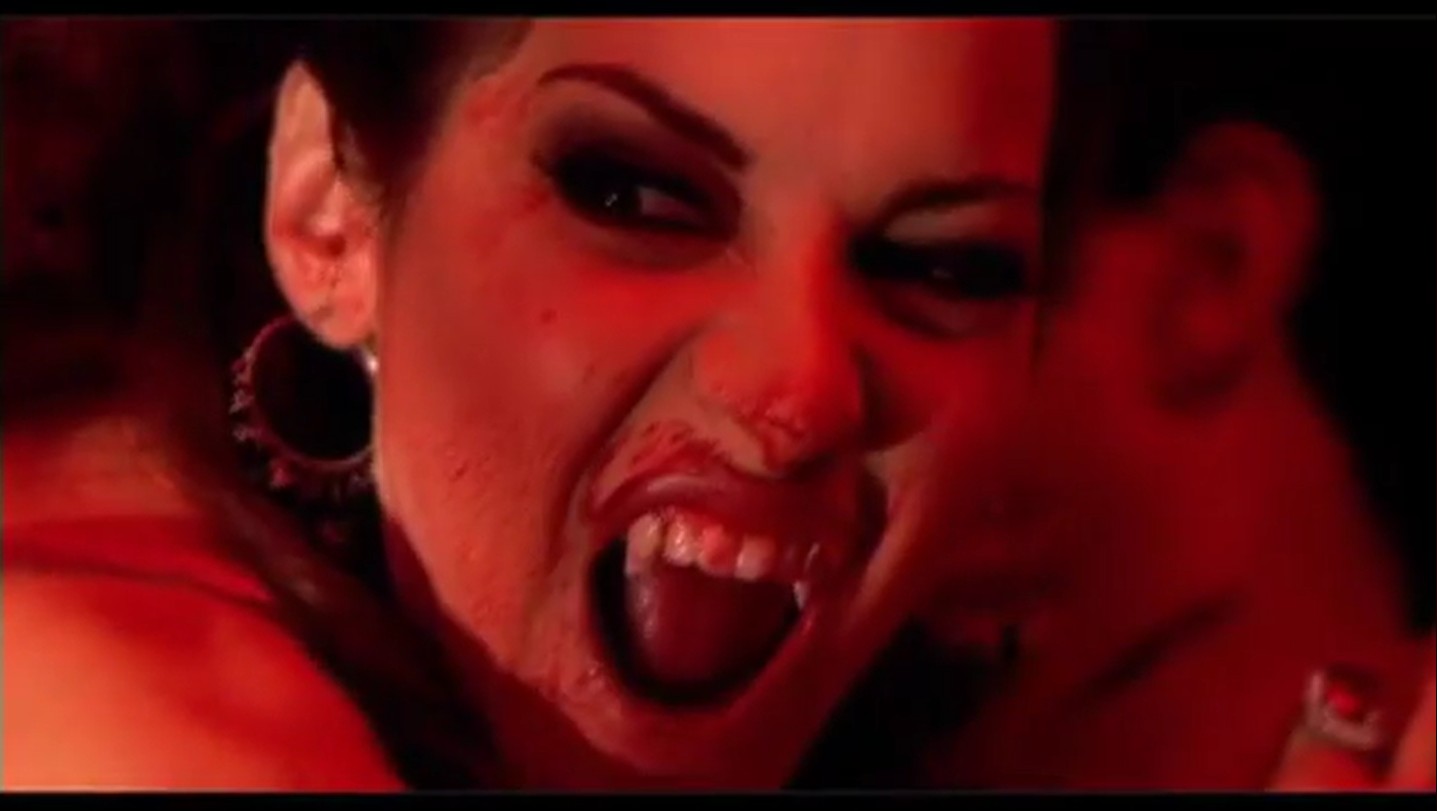
An early 2000’s Anne Rice facsimile, “Decadent Evil” is Charles Band and Full Moon’s other Gothically romantic infused vampire feature behind “Subspecies” and “The Vampire Journals,” which are technically all part of the same “Subspecies” universe in one way or another.   The “Puppet Master” and “Trancers” cult filmmaker helms the 2005 low-budget feature and cowrites it alongside a staple Full Moon screenwriter Domonic Weir (“Evil Bong”) in what would be one of Weir’s first feature length films for the longtime genre producing company after gifting the horror community with a “Critters” screenplay in 1986.  After a few minor re-writings of Hong Kong actioners for an English dub, Weir returns to horror with Full Moon and indulges Band on his diminutive obsession with tiny terrors.  And what may you ask is the small creature in a sexy-slathered vampire flick?  A homunculus is written into the story, of course!  Band produces “Decadent Evil” not under Full Moon but Wizard Entertainment in collaboration with Shoot Productions and Astonishing Features with Jeremy Gordon and Jethro Rothe-Kushel as association producers on the Los Angeles based shoot. 
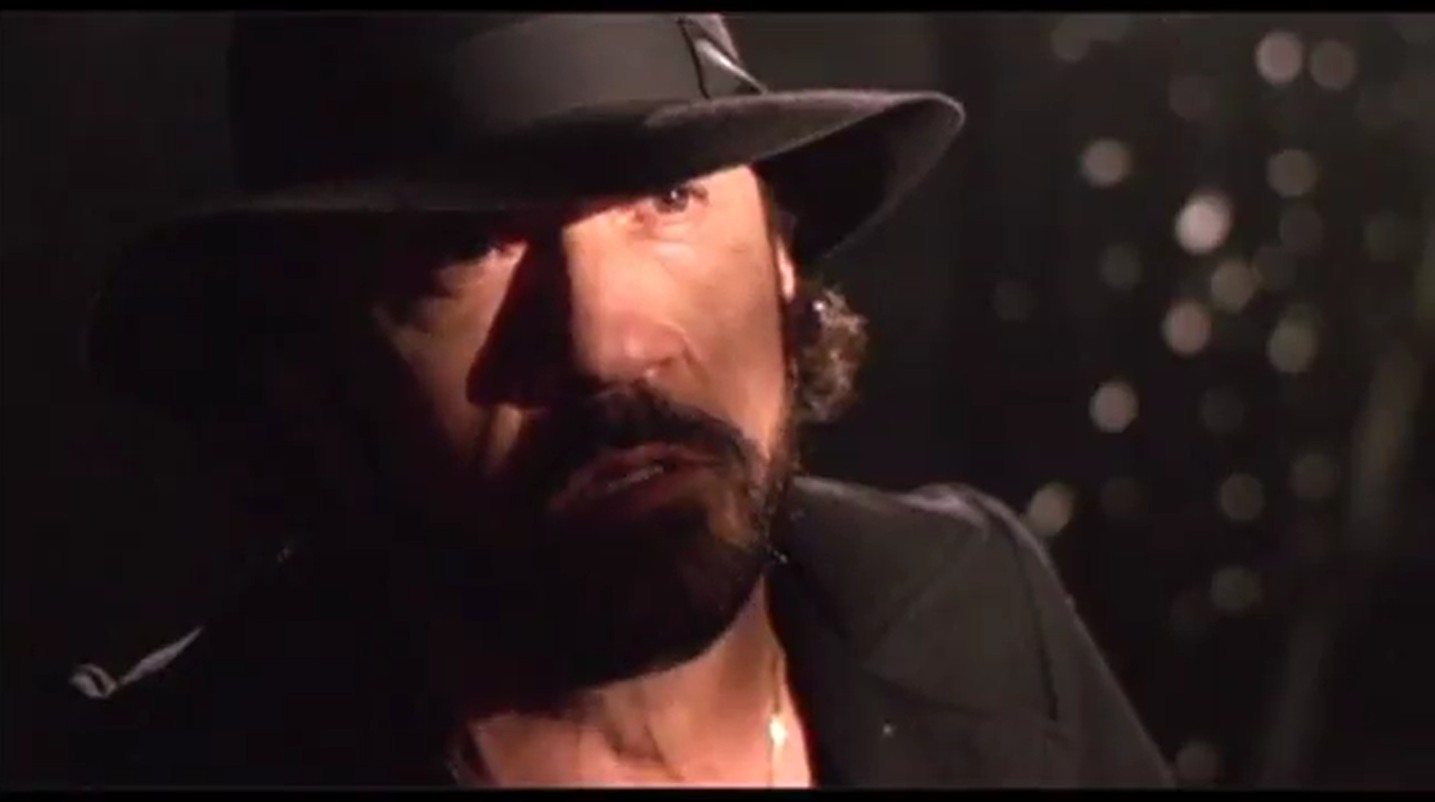
The prologue backstory of “Decadent Evil” can be misleading as to who the main characters will be with a restructured, recut introduction made from bits and pieces of scenes of “The Vampire Jounrals,” another Full Moon production, that uses a power Euro male vampire bloodline as the basis for Morella’s L.A. homebase of operations, which include the ying yang, naughty and nice, vampiric sisters, Sugar and Spyce.  “Blood Dolls” and “Prison of the Dead’s” Debra Mayer, a late 1990’s scream queen for about a decade and half until her eventual departure from acting, plays the head vampire in charge Morella with a firm grip on her subservient thrall, the angsty and gothic-inclined Spyce (Raelyn Hennessee, “Cutter’s Club”) and the sweet-and-innocence exuding Sugar (Jill Michelle, “Erotic Secrets”).  The sisters go through the motions of obedience but to an extent with Sugar basically disavowing her vampire blood in hopes for a romance relationship with her strip club’s DJ Dex (Daniel Lennox, “The Black Magic”) and Spyce pushes the limits of her own control, like a teenager testing their parents, by drinking the blood of those meant for Morella’s grand power count.  With a 67-minute runtime, “Decadent Evil” doesn’t have the minutes to really explore the characters that force the actors to be plain, act plain, and never be anything more than plain.  Even Phil Fondacaro, the headlining star and most recognizable face of the troupe, must purge backstory in a flash upon his acute introduction mid-way through.  The “Willow” and “Ghoulies II” actor is a vengeful vampire hunter after his father falls victim to Morella.  April Gilbert (“The Butcher”), Roger Toussaint (“Illicit Dreams”), John F. Schaeffer, and, of course, it wouldn’t be a Charles Band picture without a half-naked adult film star in Harmony Rose who goes topless for the cause. 
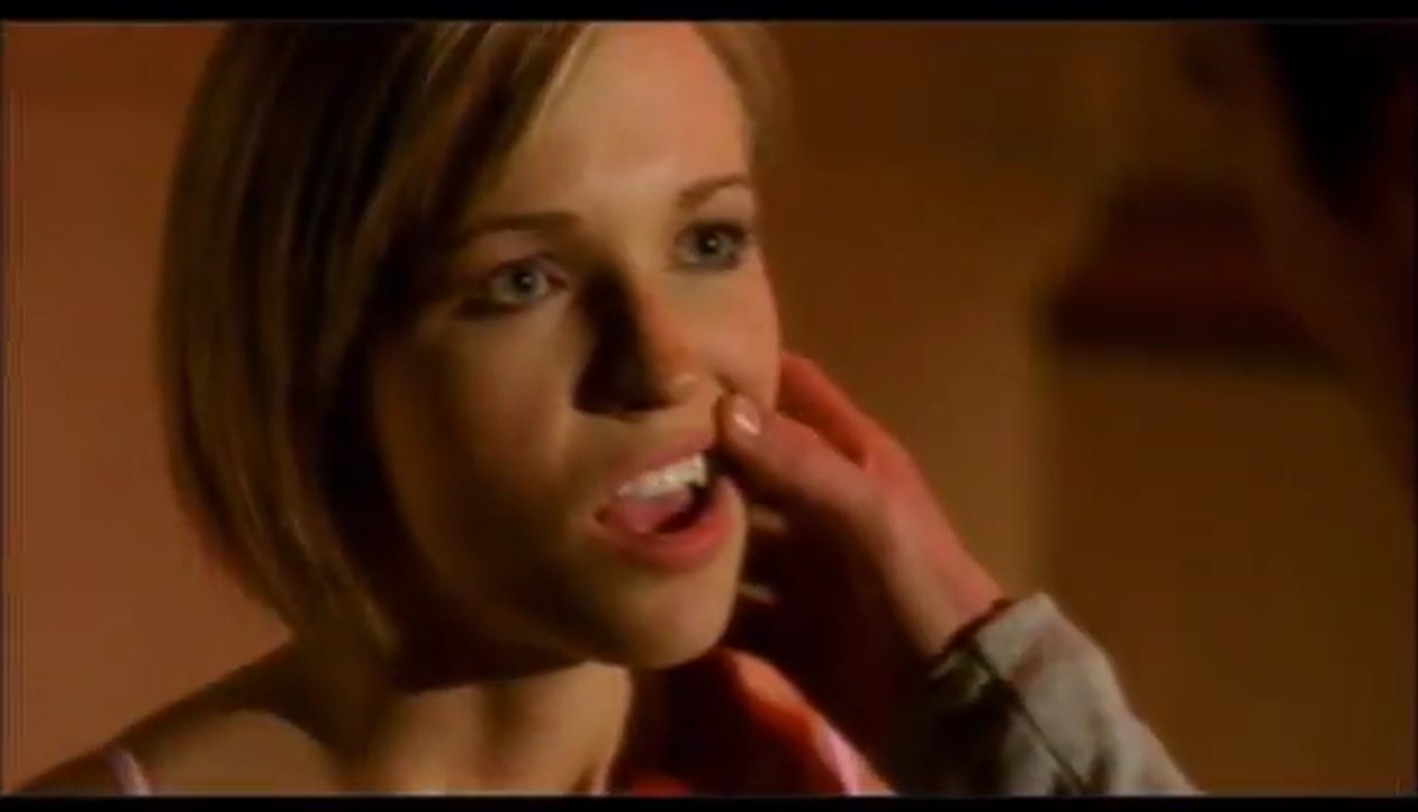
Locally shot near the company home base of Los Angeles, full of either Full Moon actors or greenhorn actors, little-to-no budget for practical or computer generated effects, a runtime of under an hour, and the tacking on of “The Vampire Journals” at the beginning to extend the length to just that under the hour mark is a true show of low-budget colors from Charles Band and Full Moon.  The premise of Morella becoming an omnipotent vampire through a scrapbook collection of pure blood is a solid enough premise that is unfortunately not explored enough to become invested, turning this Full Moon venture into what it has become over the last couple of decade, a feast of female-casted eye candy and fatigued nostalgia without implementing anything new to the vampire or horror genre.  There’s also the matter of the homunculus that becomes a centerpiece and eventually tops as the main motif that hangs around in a bird cage and perversely has eyes for blood while simultaneously carrying around a major libido with scenes of molesting and raping involving the pint size creature.  The whole idea is a bit off, added to sate Charles Band’s fascination of with small creatures, and only adds mild interest in its development through the story which ends in a perversion of slapstick that, again, doesn’t fit, this time in the narrative tone. 
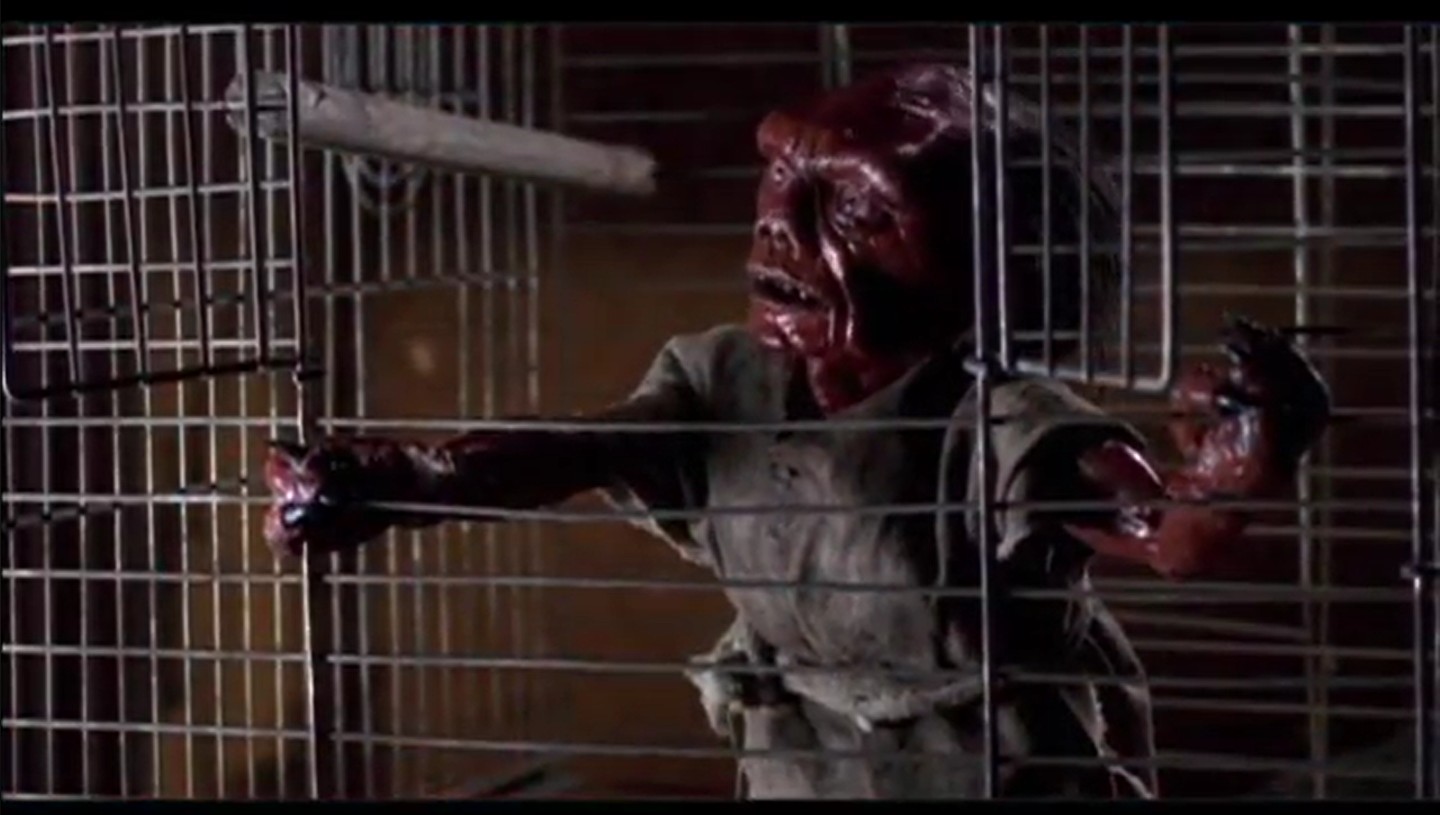
Full Moon continues to upgrade their catalogue, and the “Decadent Evil” films are the latest to be AVC encoded onto a BD25 with a remastered, high-def, 1080p, resolution for the first time ever in HD with a transfer scan form the original 35mm negative.   The early 2000 film sustains a fair amount of its 35mm charm despite most companies flocking to the less expensive digital format and this helps retain a richer saturation and an organically bold image that accentuates the hardlines and elaborately dressed gothic interiors and the smoke-filled darkness of the strip club.  The rest of the settings are standard fair, but the focus is within Morella’s L.A. mansion that has a mistress vampire’s touch.  The digitized conversion and the upgrade in pixels have cleaned up the image some but hasn’t exactly wowed with impressive measure as the details often fluctuate outside stylized lighting and smoke.  There’s often superb, granule detail on the homunculus’s shiny wet gland-filled dermis and deep contoured bone structure in the obvious puppet’s face and head.  The English audio comes with a couple of uncompressed formats with an PCM 5.1 and a 2.0 Stereo.  The 5.1 is more than enough for dialogue, soundtrack, and the ambient environment, though the latter is more for immediate focal points rather than the natural course of surroundings.  For instance, the homunculus’s heavy breathing and slippery skin provide characteristics to the already unique character but since much of the narrative is held indoors in a still mansion, there’s not much to the audio atmospherics, and even the strip club is doused with a rock track that swallows any other diegetic and nondiegetic noise.  Dialogue prominently in front but can struggle with depth in the 5.1 mix that often doesn’t pick it up; there’s better discernibility within the dual channel that maintains a front forward audio rather than trying to diffuse the already distance stilted audio.  “Decadent Evil’s” soundtrack is less carnivalesque than other Full Moon productions because Richard Band is not at the orchestrator helm, providing “Deathbed” composer James T. Sale’s soap opera Gothicism and playful low-tones more opportunities to flourish with this campy vampy film.  Extra features include a behind-the-scenes with snip interviews with the cast, a blooper reel, the original trailer, and other preview trailers from Full Moon Features.  The physical release mirrors much from the same line of DVD to Blu-ray upgrades with standard Amaray case.  The one-sided sleeve art illustration is new, which is a fine collage of characters, yet is uncredited.  There’s no inserts or other tangible extras on this region free, 74-minute, unrated vampire indulger. 

Last Rites: Fans of Full Moon’s “Subspecies” and ‘The Vampire Journals” will find “Decadent Evil” to stagger in its more modern affiliation with a meek story having little-to-no bite, favoring more the shorter stints of an arbitrary homunculus inclusion and Phil Fondacaro’s flyby hunter.
The Remastered “Decadent Evil” is now on Blu-ray!

Never Steal EVIL’s Dead Body and Think to Get Away Scot-Free! “Frightmare” reviewed! (Troma / Tromatic Collector’s Edition)

It’s not a Nightmare. It’s a “Frightmare” on Blu-ray!

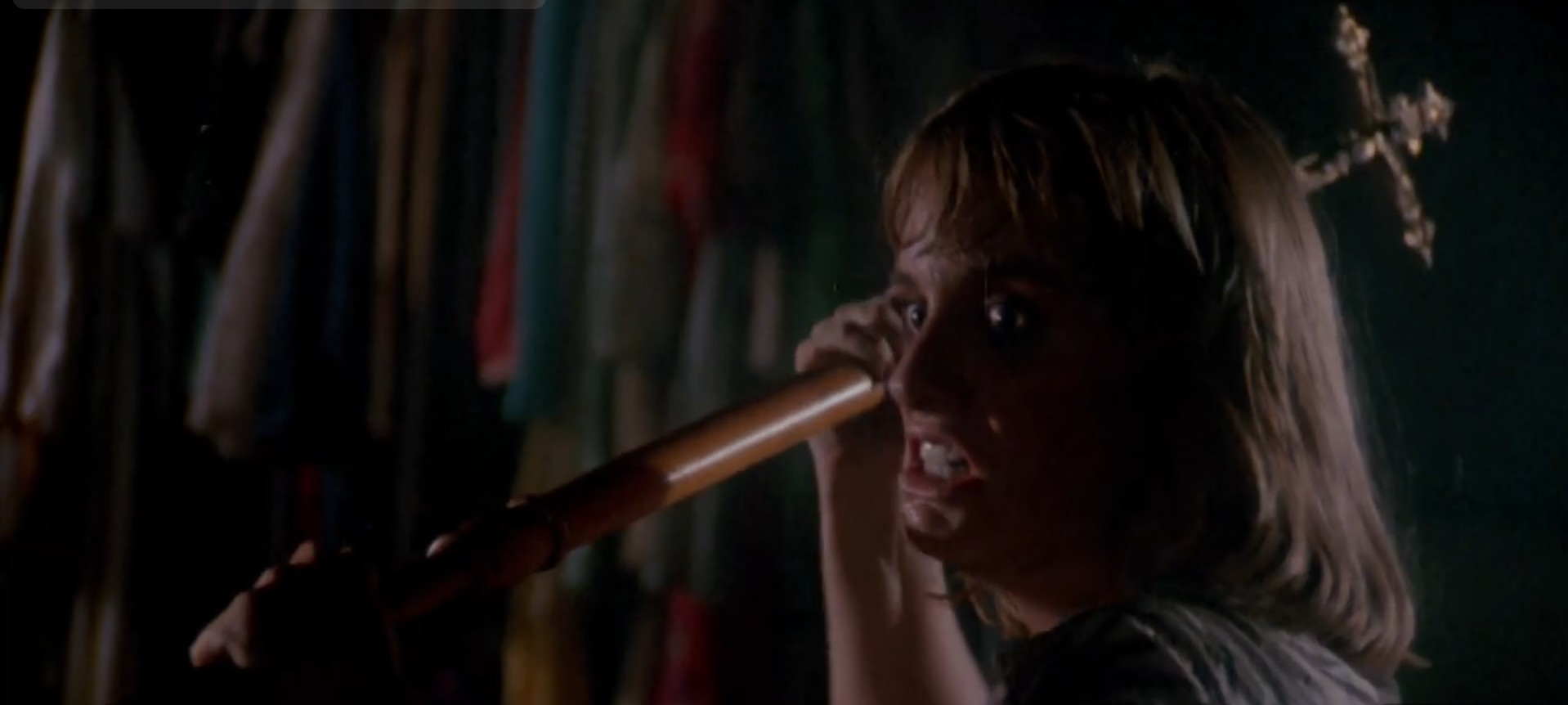
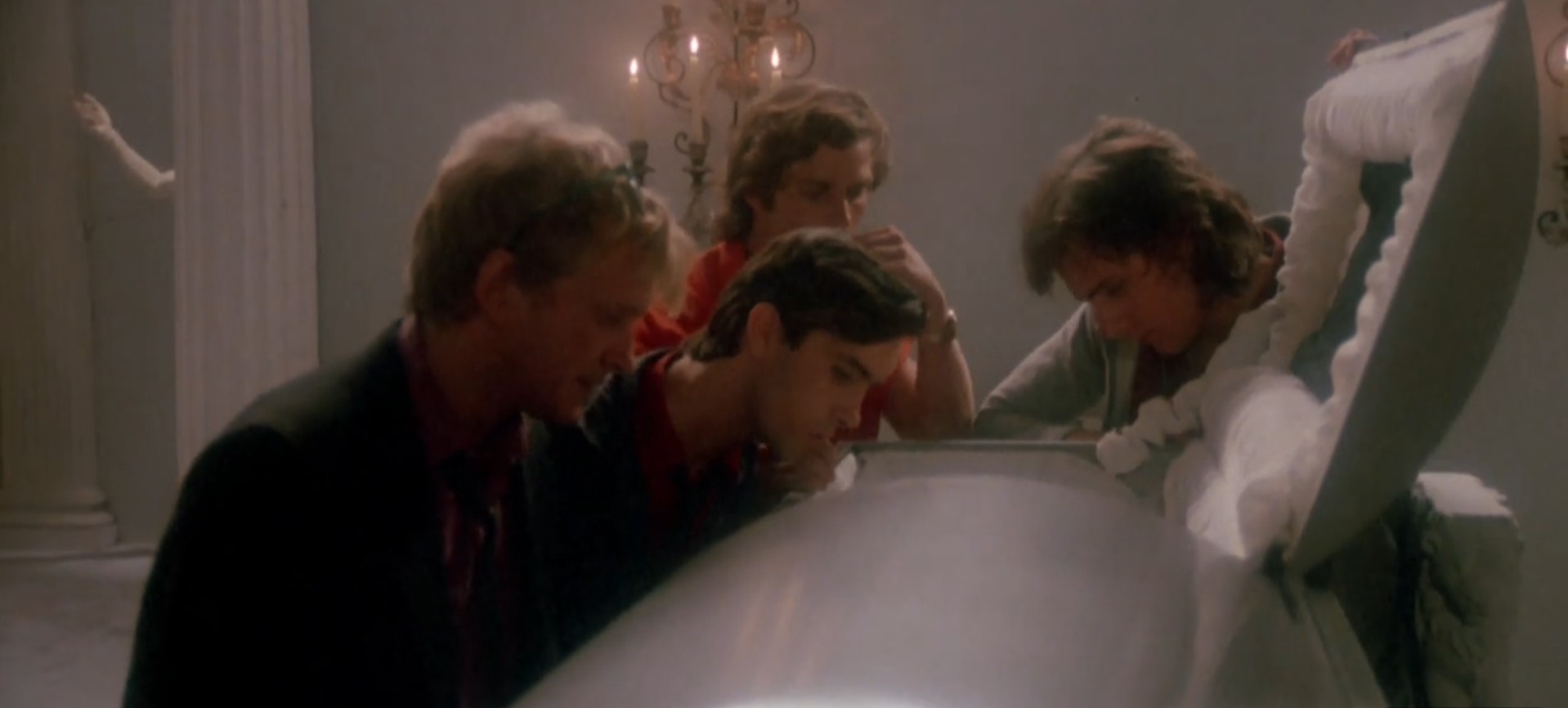
Aging horror icon Conrad Radzoff is on the verge of being forgotten by all except for a few handfuls of diehard fans who gather around a horror society that appreciate classics that are quickly fading from public view.  Arrogant and conceited, Radzoff doesn’t take criticism all too well.  In fact, he kills over it.  After murdering a commercial director and his longtime collaborating director, both of whom loathed his tyrannical, prima donna attitude, Radzoff dies of heart failure shortly after.  The youthful members of the horror society steal his body from Radzoff’s elaborate decorated and booby-trapped mausoleum on a whim and spends the night dining, dancing, and photographing with his lifeless corpse until Radzoff’s wife uses a medium to locate her late husband’s body and inadvertently resurrects him from dead with supernatural psychic powers to pick off his naïve graverobbers one-by-bone in what will be his last great horror performance. 

“Frightmare,” aka “The Horror Star,” is the supernatural slasher that tears into the fabric of being forgotten with a lasting impression, one with deadly consequences for a mischievous teens disrespecting the past in order to live with impunity in the present.  The 1983 picture is written-and-directed by Norman Thaddeus Vane, co-director of “The Black Room” and the Elvira-inspired 1988 film “Midnight.”  Shot mostly in the Los Angeles area, “Frightmare’s” principal photography and wrap was completed during 1981 but the film itself was not released until two years later and is not a remake of and has no connection to the Pete Walker film of the same title years earlier in 1974, which focuses on a seemingly mentally disturbed rehabilitated woman released years after committing deadly crimes.  This more necromancing and resurrecting slasher “Frightmare” is produced by Callie and Patrick Wright and with “Shadow of the Hawk’s” Henry Gellis serving as executive producer under the Screenwriters Production Company. 

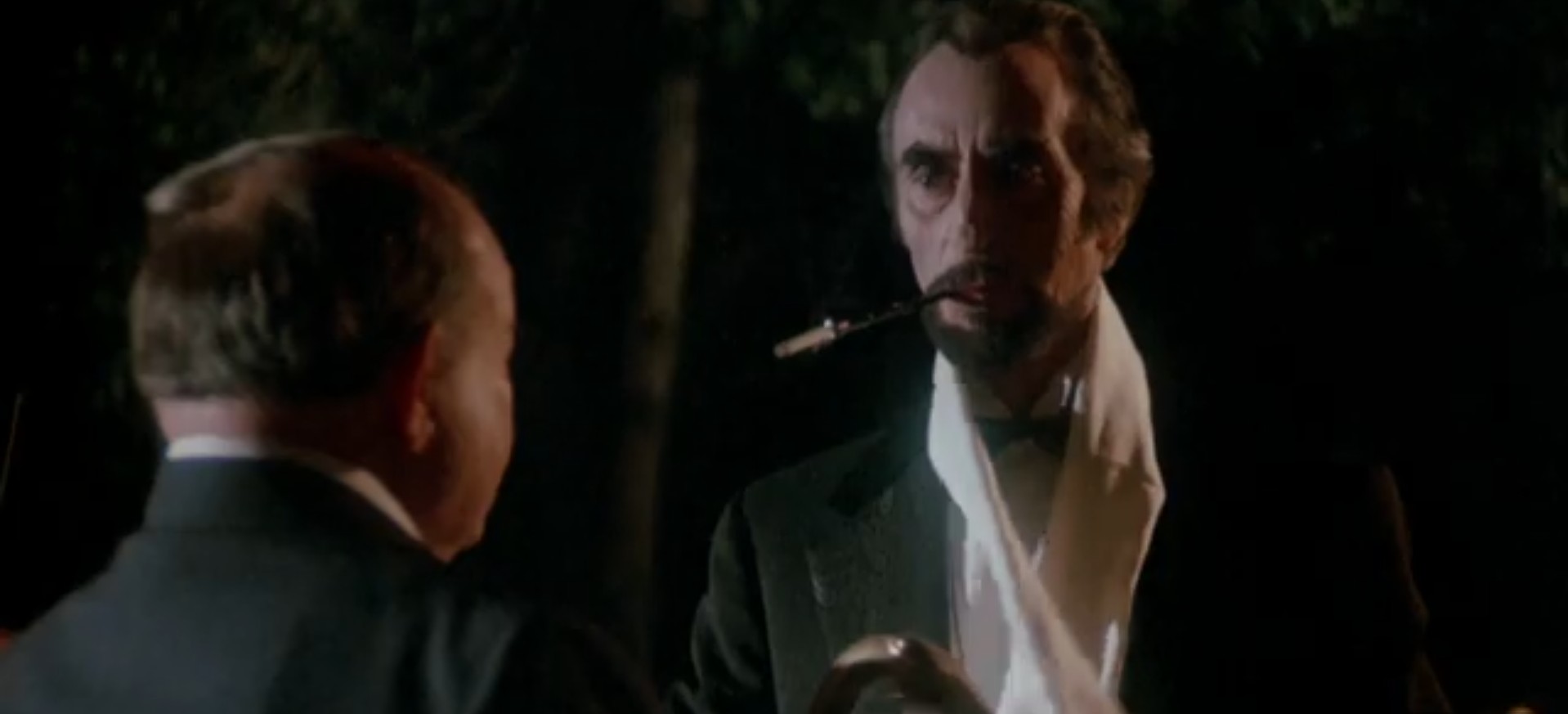
“Frightmare” would undoubtedly become director Norman Thaddeus Vane’s first attempt at replicating a horror icon shell that would later inspire him to direct “Midnight” that pulls influences off horror hostesses, such as Elvira or Vampira.  The centralized character, one who’s prim-and-proper snobbish attitude and flair for the theatrical in film and in life, is loosely, in Conrad Radzoff is loosely based off the Vincent Prices and the Christopher Lees of the genre, classically trained method actors astute to the craft.  Radzoff is, however, embellished with a hellish soul, unlike Price or Lee who sustained a rather indifferent or benevolent character.  There’s a lot to take in and enjoy from Ferdy Mayne’s performance as Radzoff.  Mayne’s first role of it’s kind for the actor with its meta intent to be an actor playing a horror actor reawakened as psychic sociopath from the depths of Hell groomed and garbed as a Vincent Price/Christopher Lee-like gothic vampire, in which Mayne was quite trained for having starred in vampiric films such as “The Vampire Lovers” and “The Fearless Vampire Hunters” in the 1970s, and he crushes the performance with profound effect with Vane’s Euro-style slasher that keeps tabs on the killer as he lurks through the property of the horror society, consisting of going from contravening teens to the unfortunate victims played by Luca Bercovici (“Parasite”), Jennifer Starrett (Run, Angel, Run!”), Alan Stock (“Poison Ivy”), Scott Thomason (“Ghoulies”), then Michael Biehn’s now ex-wife Carlene Olson, Donna McDaniel (“Angel”), and one Jeffrey Combs that would be one of his first films pre-“Re-Animator.”   Narratively, this laid out is the core cast of characters but there are peripheral support characters that are introduced and have key moments but are quickly diminished or erased from completing their story arc.  Radzoff’s wife Ette (Barbara Pilavin, “Maniac Cop 3:  Badge of Silence”) barely has five minutes of screentime but provides the undead Radzoff the key, go-ahead directive to kill his body snatchers but after that intense moment where they psychically connect, her scenes are no more other than one moment with a lightly knotted loose end.  Same can about the intensity of Mrs. Rohmer (Nita Talbot, “Puppet Master II”) that it pops clean off after connecting with Radzoff.  Leon Askin (Doctor Death:  Seeker of Souls”), Chuck Mitchell (“Porky’s”), and Peter Kastner (“Steambath”) fill in the cast.

If only one element stood out as “Frightmare’s” most redeeming characteristic, Joel King’s cinematography takes the top spot on the podium with a diffused fog machine backlighting that’s out of this world, angles and movements that complex the simplest and most stationary scenes, and an ingenuity that manifests the magic of a macabre movie also assisted by both of the aforementioned lighting techniques and the camera placements.  “Frightmare’s” also heavily infused with Gothic nuances that pay tribute to the subgenre as well as add to the sinister and oppressive tone of a rapidly enclosing atmosphere of darkness, shadow, and vaulted architecture from Radzoff’s Victorian-era, aristocratic black and white attire to the wood dark-toned and concreated exterior, two-story mansion that becomes the prison to the horror society they can’t escape from, in life with their hobby and in death with Radzoff hunting them through secret passages, dumbwaiters, and its delicately antiquatedly trimmed rooms and hallways.  Blood is accentuated with slow motion and splatter along walls and out of gash wounds with practical effects constructed by “Critters’” Chuck E. Stewart who can build a ghastly looking burned up and smoking body dead on the ground.  “Frightmare” isn’t a narrative that’ll strike fear around every corner but is rather a campy, supernatural slasher with hammed performances and a solid method for one-by-one offing.  The story’s a bit thin with motivations that keep Radzoff’s egocentric boasting about his last performance in death, his deathtrap mausoleum as if the actor knew there would be intruders, and the whole stealing of the corpse that just seemed to be a fruitless, ill-advised whim where there would be no escape from authorities or even the smell of an actively rotting corpse being stowed away in a non-climate controlled attic. 

Troma re-releases the Vinger Syndrome transfer onto their own Blu-ray through a partnership contract where Vinegar Syndrome receives first dibs on the upgraded, high definition 1080p, 2K transfer from the original amera negative with the title holding partner, Troma, releasing their own Blu-ray upon after the agreed term and the VS edition now out of print circulation.  The identical AVC encoded onto a BD50 “Frightmare” is presented on a Tromatic Special Edition set that retains the same quality as the Vinegar Syndrome 2021 release even, carrying over some Vinegar Syndrome special features.  Graded toward a dark tone, Joel King’s diffused backlighting and primary color tint elevates “Frightmare’s” kitschy, campy posture toward saturated spooky atmospherics.  Details are more than generally reproduced with deep absorbing in the smaller aspects of eliciting skin surfaces and object textures, such as the mansion wood-grain aesthetic and cobweb strung attic.  There are darker scenes that have unavoidable crush outside the colorful haze key lighting, but most retain pitchy space in the 1.78:1 aspect ratioed framing.  The English audio mix is a DTS-HD Master Audio Mono mix that also the same as Vinegar Syndrome’s release that has adequate audio propagation and diffusion without the lift of distinct layer and multi-channeling.  All through single channel can collide at times, especially between Jerry Mosely’s (“Bloodtide”) inclusively gothic score and the dialogue, but despite the rough audio patches, the single-conduit tracks are constructively discernible for a better part of the runtime.  English subtitles are available.  Special features are blend between Vinegar Syndrome produced historical commentary with David Del Valle and David DeCoteau, a now historical commentary by The Hysteria Continues podcast hosts, an archived interview with director Normal Thaddeus Vane, and a video interview featurette with director of photography Joel King and Troma exclusive supplementaries that are not entirely related to the feature, those include an old Debbie Rechon and Lloyd Kaufman generic intro from the original DVD version (Rechon and Kaufman a years younger), Lloyd Kaufman gives his personal lesson opinion to aspire indie filmmakers from the set of “Meat for Satan’s Ice Box,” the music video for “INNARDS!,” an artwork gallery, the original theatrical trailer, and the ever included Troma Radiation March.  “Frightmare” receives new Troma sleeve art that covers the macabre more than the usual campy slapstick with a horror flair, slipped inside a Blu-ray Amaray with no extra accoutrements inside or on the reverse side the sleeve.  The 86-minute Troma release is region free and is like the R-rated version, much like the Vinegar Syndrome was, but is unlisted on the backside or on the disc.

Last Rites: A supernatural slasher gothic in tone and crude around the edges, “Frightmare” is one of Troma’s more earnest acquirements into the horror genre that looks now leagues better in high-definition with Joel King’s hazy effervescent lighting, Norman Thaddeous Vane’s looping self-referential narrative, and reliable physical gore.

It’s not a Nightmare. It’s a “Frightmare” on Blu-ray!

The Holidays Are Over, but the EVIL Remains With Us in this Cookie-Cutter Classic “The Gingerdead Man” reviewed! (Full Moon Features / Blu-ray)

Get Ready to Chomp on this Cookie! “The Gingerdead Man” Blu-ray Available Here!

Cold-hearted, mama’s boy killer, Millard Findlemeyer, brutally gun downs Sarah Leigh’s father and brother before wounding during a diner robbery.  Two years later, Findlemeyer is executed with the help of Sarah’s damning testimony and the traumatized survivor attempts to pick up the pieces of her life by keeping her crumbling family bakery business afloat.  With her mother a raging alcoholic and a competing business threatening to shut the business down, Sarah doesn’t realize the gingerbread seasoning dropped off at her doorstep is actually the ashes of the evil Findlemeyer.  Thrown in a gingerbread mix and baked to live again, Findlemeyer returns to continue his carnage but as a delectably devilish cookie sporting candied buttons and wielding a knife.  Trapped inside the bakery, a handful of survivors are being more-than-gingerly picked off one-by-one by Findlemeyer’s possession of a pint-sized cookie and Sarah must face again the evil that destroyed her family.  

“The Gingerdead Man” is one of Full Moon’s more contemporary repeat villains this side of the century.  Christmas may be over, but the holiday cookie carnage doesn’t just pack on the pounds, it also can shred and cut the waist, literally, with guts spilling out everywhere.  The Charles Brand directed, 2005 film that kicked off the icing for not one, not two, but three sequels and a timeline intertwinement with Full Moon’s “Evil Bong” series.  Pot and cookies, a perfect combination when blazed.  The script was penned by Full Moon regular and “Night of the Living Dead” remake actor William Butler, under the pseudonym of Silvia St. Croix, and fellow Full Moon regular Dominic Muir (“Critters,” “Doll Graveyard”), under the pseudonym of August White.  Filmed in Los Angeles, the indie horror-comedy is a Shoot Productions and Full Moon coproduction venture with Band producing and Dana Harrloe serving as executive producer. 

Adding to “The Gingerdead Man’s already zany resurrecting the evil dead into a baked good concept (there’s nothing good about this cookie monster), the untamed energy and distinguished voiceover from Gary Busey is better than self-rising flour for this doughy production.  The “Predator 2” and “Lethal Weapon” actor headlines as the despicable killer Millard Findelmeyer but only in the flesh for the opening diner sequence that establishes Findelmeyer as a coldblooded murderer.  The backstory of his apprehension, trial, and execution is whisked into a frothy afterthought after the title credits to establish more of Robin Sydney’s Sarah Leigh character of rebuilding her life.  Sydney, who would become Charles Band’s wife nearly two decades later after debuting in this role, reserves Sarah into a stasis of plugging along into a woe-as-me state as a setup for her to be heroine nemesis to Findlemeyer’s flaky, killer crust.  What’s neat about her character, along with a handful of other principal characters, is they’re subtly and smartly named after notable cookie making companies.  Sarah Leigh is an obvious rework of the frozen desserts company Sara Lee, Ryan Locke, an unlikely Sarah Leigh love interest cladded and carried by all things from early 2000s, is Amos Cadbury, a mixed play on Famous Amos and Cadbury confectionary, and Jonathan Chase as commercial wrestling enthusiast Brick Fields lends to believe the character’s name pulls inspiration from Mrs. Fields soft baked cookies.  There’s also the corporate-commercial takeover statement with an adjacent restaurant that threatens to put Sarah’s bakery out of business and the owner’s name is Jimmy Dean, as in the sausage company, with Larry Cedar (“The Hidden,” “C.H.U.D. II”) in the role.  Alexia Aleman, Margaret Blye, Daniela Melgoza, and James Synder fill out the cast.

Kitschy personification horror is all the rage in the independent genre circle.  Murderous dolls at are dime a dozen, but a few outliers stray into something more risking and adventures, like an evil llama pinata in “Killer Pinata,” a wicked snowman in “Jack Frost,” or even a killer unicorn standing figure in “CarousHELL” that make the niche subgenre fascinatingly tacky for all the right reasons.  Charles Band and team tap into that peculiar ripe vein to extract their own usually joyous, kid-friendly object and transfigure its G-rated image to a hard R with death, sass, and a whole bunch of mischief and what better wholesome inanimate object to vilify than a scrumptious gingerbread man?  Voiced by Busey and animated by the always preferred practical means, “The Gingderdead Man” evokes promises of a so-bad-its-good composite, especially since the antagonist for this franchise starter fits right into the Full Moon small things come in killer packages niche, and while half of “The Gingerdead Man” delivers on a havoc-wreaking spiced cookie, the execution, as a whole, leaves much to be desired by whirling through a two year story gap of the capture and execution of Findlemeyer and how and why his malevolent essence is mixed into the batter for resurrection.  The slapdashedly before and after title credits causes a brief loss of thought as the brain frantically tries to catch up and fill in the gaps as much of the images and exposition haphazardly piece together.  The Gingerdead Man isn’t also quite as quippy as his human form counterpart, but a ton of appreciation goes into the multiple renditions of the distorted faced Gingerdead Man character from hand puppets, to animatronics, to full size human suit provides that breadth of range in angles, perspectives, and appearances that shape a personality package to where dialogue can nearly be neutralized altogether.  “The Gingerbread Man” lives and breathes as its marketed image, a mediocre kill possession-slasher with a bunch of characters scratching their heads instead of building upon who they are and what hurdles, figuratively and literally, to jump, the latter mostly falls into the hands of Sarah Leigh and her depression-induced fear, an aspect she has to face when being revisited by the man who killed her father and brother. 

An all-new transfer and remastered from the original 35mm elements, Full Moon Features re-bakes “The Gingerdead Man” onto a new physical media cookie sheet.  The AVC encoded, 1080p resolution, BD25, presented in a widescreen 1.78:1 aspect ratio, had elevated some lower resolution complications with better definition appeal but the overall package isn’t an epitome showcase of the format possibilities with softer contrasts that leaves voids and shadows milkier, textures fluctuate during decode that sways in a range between 15 to 25 Mbps, and minor damaged portions, such as light scratches and speckling, are not touched up in the restoration.  Skin tones and other colorist applications appear organic and, when reaching peak performance, displays a nicely diffused sweat sheen in the lighting.  Two English, lossy audio options are available, a Dolby Digital 5.1 and a Stereo 2.0.  A clean and clear presentation on all layers with an amalgamated cast that just as good as any other solid sound design with powerful forefront and intelligible dialogue, an above par ambient dispersal that has suitable depth and range, and a Roger Ballenger carnivalesque score that isn’t from Richard Band but is a great mimic.  English subtitles are available.  Extras include an archival behind-the-scenes featurette with interviews with cast, crew, and Charles Band with some BTS-footage in creating the cookie monster, a blooper reel, the original trailer, and trailers for other Full Moon features.  Front cover on the Amaray Blu-ray is an illustrated composition of characters that clue in a sense of what to expect but other than that, this standard re-release has physical bare bones.  The region free release has a runtime of 71 minute and is not rated.

Last Rites: Though doesn’t reinvent the recipe nor does it not make this naughty killer cookie stale, “The Gingerdead Man” has come a long way with a new, revitalizing release onto a high-definition format pulled from the extensive and vast Full Moon catalogue that’s slowly but surely updating the filmic cache. This schlocky bad baked good should surely be in everyone’s holiday horror collection.

Get Ready to Chomp on this Cookie! “The Gingerdead Man” Blu-ray Available Here!

Dolly Deadlies Exact an EVIL Revenge! “Doll Graveyard” reviewed! (Full Moon Features / Blu-ray)

“Doll Graveyard” Available for Purchase Here!

In 1911, little Sophia is accidently killed by her verbally abusive stepfather.  He buries her lifeless body in the backyard dirt along with her favorite toy dolls that were the subject of his current tirade.  Nearly a century later and in the same house, Deedee, a teenage high school girl, throws a small party with friends while her father is out for the night.  Her action figure-enthusiastic little brother Guy discovers one of buried dolls in the backyard.  When a couple of older high school boys bully Guy, the spirit of Sophia emerges and pendulates possession of Guy’s mind and body, resulting in the turning of inanimate dolls into killers come alive to protect a hurt Sophia.  Drugs, alcohol, and teen sex quickly come to an end by a seize of small, dangerously armed toys hellbent on spilling blood just to protect a hurt little girl.  Those left still standing must find a way to reverse Sophia’s revenge.

Charles Band’s obsession with toys, dolls, dwarfs, goblins, or a sundry of the mix has yet to slow down his 50-year-career in making independent movies.  The now 72-year-old Band can sit on top of his Full Moon empire and enjoy his repertoire of ravenous rascal horror, including “Doll Graveyard,” the 2005 standalone doll slasher that’s not too dissimilar from the likes of Band’s foremost and unremitting doll franchise, “Puppet Master.”  Band directs the film based off his story and a screenplay treatment by the late director Domonic Muir, credited under the pen name of August White, in what would be one of his first few films with Full Moon in the first decade.  Muir also wrote “Critters,” “Evil Bong,” and venture into the “Puppet Master” series before his untimely death with pneumonia.  Band would produce the feature alongside Jeremy Gordon and Jethro Rothe-Kushel, filmed in Hollywood, California.

A small cast is all that’s required when the dolls resurrect and begin their assault on the youth with their individual ability.  At the story’s core is Guy, an action-figure enthusiast played by Jared Kusnitz (“Dance of the Dead,” “Otis”), and his older sister Deedee, an angsty, boy-hungry, rule-breaker played by Gabrielle Lynn.  Guy and Deedee play the trope fatigued dynamic of a feuding brother and sister complete with blackmail attempts and lots of name calling, opening the door of opportunity to connect in a time of great adversity – in this case, a living doll assault.  Then, of course, no slasher can go without the kill fodder and “Doll Graveyard” has a group of partying teens who come over after Guy and Deedee’s single parenting father, played by Ken Lyle (“Foreseen”), goes off on a date.  Their sneaky, adolescent transgressional gathering of beer drinking, pot smoking, and foreplay into possible copulation is driven by Deedee’s promiscuous best friend Olive (Kristyn Green, “Evil Bong”), a tagalong, morally incorruptible Terri (Anna Alicia Brock), and party-crashing jocks with the insatiable horny Rich (Brian Lloyd, “Candy Stripers”) and Deedee’s lover boy Tom (Scott Seymour, “Garden Party”).  Muir’s story does attempt to branch out from the conventionally themed pathway of authorized partygoers meet their doomed fate with sidebar weaving of past, present, and future relation connections.  Olivia and Rich once had a casual romp that has faded and Rich seeks more difficult challenges with the more prudent Terri while Terri has puppy dog interests into the younger Guy as they share some similar interests.  Meanwhile, Deedee and Tom take their relationship to the next level with precuring steps toward the bedroom that signals the beginning of he end, as the old recurrent theme goes.  The “Punk’s Dead: SLC Punk 2” and “The Amazing Spider-Man” actress Hannah Marks, who makes her film debut in the Charles Band’s film, rounds out the cast as young and unfortunate Sophia.

Eventually, one must ask themselves how many times can someone reinvent the wheel and still think it’s new, innovative, and fresh?  With Charles Band’s proclivity for small malevolence, especially in dolls or puppets, the one of the faces in venerable horror filmmaking has, in a broader sense, regurgitated the same movie over the decades now, tweaking bits and pieces here and there to make it ever so delicately unique.  Yet, “Doll Graveyard” feels very much like an extension of “Puppet Master” without bringing new elements to the table or even really linking “Doll Graveyard” to Full Moon’s more popular, longstanding franchise “Puppet Master,” which is essentially the face of the Band’s company.  We see Blade, we think Full Moon.  We see Six-Shooter, we think Full Moon.  We see Tunnler, we think Full Moon.  But if you show me “Doll Graveyard’s” rustic Samurai or The German with spear tipped helmet, coming around to Full Moon may not be the first to pop into the old thinker.  The story also feels a bit half-baked with the dolls coming to life by unexplained means and audiences would really need to put effort into surmising a reason, such as my own theory that Sophia’s departing soul, trapped beneath the dirt, absorbs into the dolls, giving them animated life and loyalty to Sophia.  None of that hypothesis is authenticated and we’re stuck with little-to-no answers in a film created for the sake of creepy dolls doing creepy things to creep out some cretin kids.

Those suffering from pediophobia probably should stay far away from “Doll Graveyard.” For everyone else, “Doll Graveyard” is now available on Blu-ray home video from Full Moon Features with AVC encoded, 1080p high-definition, single-layered BD25. Presented in a 1.78:1 widescreen aspect ratio, back cover states transfer elements were remastered from the original 35mm negative. The original negative print has withstood the test of time with no visually acute damage, granted the print is less than 20-years-old; however, there is noticeable dust and dirt speckles, some of which measure more toward a vertical tilde. Textures are softer than expected for a rather young film in the grand scheme of cinema with rounded and smoothed over contours, especially around defining facial features, that create more of a splotch than an edge. A bright spot is the palette with a diffusion and delineation balance around stock lighting. The lossy English Dolby Digital 5.1 mix is difficult to distinguish between the other audio option available, a Dolby Digital 2.0, as there’s not enough atmospheric or ambient rampage in the side and rear channels when dolls go deadly, which is mostly in the medium closeup to extreme closeup range. Taking hold of the audio reigns, mostly, is the District 78 soundtrack. Likely where the remastered elements come into play with its gothic rock opening credits score, this Charles Band production trades the jaunty carnivalesque for reinforced horror theme elements of isolated piano and electronic notes the musical production has accolades for and this translates throughout when presenting the dolls ominously and when they strike and into the coda credits with a full-on instrumental rock and wordless vocal background piece that’s very circa 2000s. English subtitles are available to select. Special features include a making-of featurette with snippet interviews from the cast with an introduction from Charles Band, a blooper reel, and the trailer amongst other Full Moon prevuews. There are no after or during credit scenes. The traditional blue Amaray goes along with the current Full Moon remastered trend of their horror catalogue with yellow-green primary art, no inserts or tangible features, and a disc press cropped of the focal primary cover art. The region free release has a brisk runtime of 73 minutes and is not rated.

Last Rites: A pedestrian, pale comparison to Full Moon’s maniacal line of moppets, “Doll Graveyard” stands far too short being the lower rung runt among giants in the company’s lineup.

“Doll Graveyard” Available for Purchase Here!

At Odds With Each Other Can’t Stop the EVIL That’s Coming for Them! “House of Dolls” reviewed! (VMI Releasing / Blu-ray)

“House of Dolls” Is Ready to Play! Blu-ray Available at Amazon.

Estranged sisters Jenn, Diana, and Adalene are summoned to reunite by their dying father.  Greeted by their grandmother and a lawyer informing them of an inheritance within their father’s will, the verbally combative sisters are more than eager for their fair share of the will and be happy to never see each other again as they go on with their lives, but the will’s stipulation states the sisters must work together and revitalize the long severed kinship within the walls of his hand-built estate, a life-size representation of a doll house constructed for the love of his life where clues to their inheritance lie hidden inside.  Before even the first ounce of hope to mend their broken bond, one of the sisters is found brutally murdered in one of garish rooms and a masked maniac hunts for not only the two remaining sisters but also those close to them outside the house of dolls.

Juan Sala’s “House of Dolls” is the return to horror for the Texas taught director since his urban-thriller “Alp” in 2016 and the first independent story helmed that didn’t involve Sala’s going pen-to-paper with a script.  That task was handled by another Texas film school graduate, Iv Amenti, in her first feather length screenwriter credit aimed to label itself as a mystery-slasher under the guise of grueling family rejuvenation.  The 2023 released film’s story was shot on location in Los Angeles with Juan Salas solo producing the feature.  Salas is no stranger producing his own work as he’s done with most of his own repertoire (“The Triple D,” “The Wolf Catcher,” and “The Devil’s Ring”) while also branching out occasionally to support and/or fund other creative minds, such as with Brian King’s “Hell of a Night.”  Polar Bear Films produced the film along with Vantage Media International, or VMI Worldwide, who produced and distributed the film.

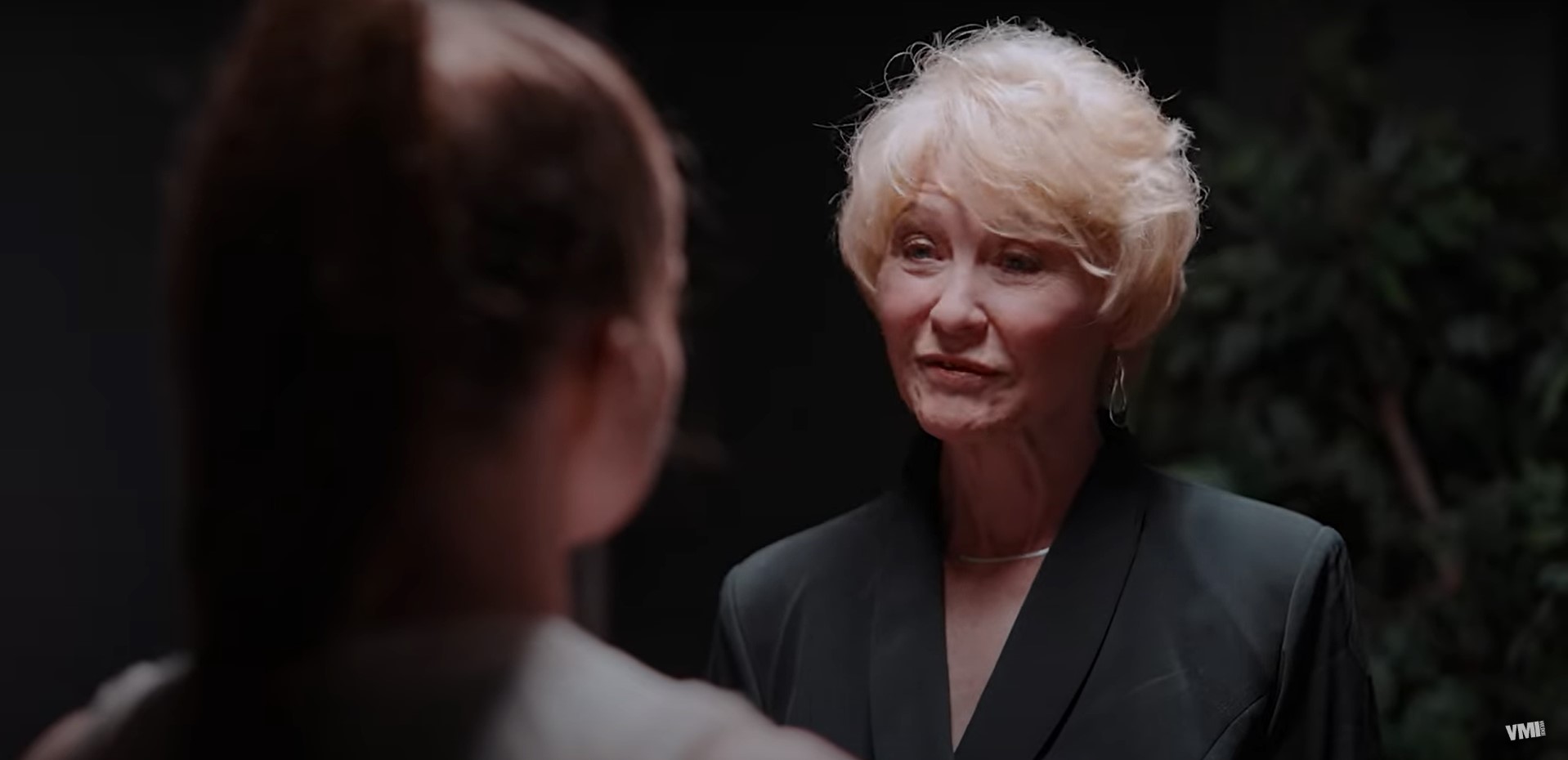
Powering “House of Dolls” vessel into explicit view is headliner Dee Wallace.  The “Cujo” and “Critters” scream queen has been on a junket of mom-and-pop productions for the better part of the last decade for aspiring horror filmmakers to leech off that eye-catching and weight-bearing Dee Wallace name.  Wallace reminds me of Linnea Quigley once said in an interview, if producers meet her price, she’ll star in pretty much anything.  Wallace seemingly has the same philosophy with a continuous stream of projects that screen her for no more than a total of 15-minutes, tops.  While this works to an extent, based off the prominence or the memorability of the role, most of that bankable name and face do little elevating the film, resulting in just a paycheck performance.  Sure, Wallace’s fans will check it out for the sake of Dee Wallace but for “House of Dolls,” as with the story or just as with the entity of the film, the gimmick doesn’t leave a mark.  The plot crux favors the three bickering sisters, Adalene (Violeta Ortega), Jenn (Stephanie Troyak), and Diana (Alicia Underwood).  Sibling diverging personalities uphold their seething hate for each other, that is much as obvious, but for what specific reason is never unfolded, or is unfolded but made unclear in the wake of its untidy heap.  What’s definingly unclear is the mother of these unlikeable brats.  Mentions of individually owning the unfortunate event of a mother’s death makes the ambiguous ruling that there is at least one half-sister.  They could all be half-sisters, but the unbridled dialogue and no conveyed backstory strays away from important pieces of the puzzle that make it as frustrating as trying to match a 2D puzzle piece within a 3D puzzle scheme.  The story also incorporates flimsy relationships with the sisters, Jenn’s drug buddy Justin (Jack Rain) who unexpectantly arrives with the sisters at their father’s estate, Adalene’s semi-sweet boyfriend Caleb (Phil Blevins), Diana’s vague friendzone coworker or perhaps boyfriend Lenny (Matt Blackwell”), and Diana’s out-of-nowhere go-to detective who just happens to be at her father’s hospital, dressed in beat cop fatigues, in Det. Ramierz (Meeko).  All these seedling characters are detached in their gravitational encircling around the sisters, pulling in zero weight on a story that’s quickly deflating.  Rounding out the fleeting supporting cast is Trey Peyton. 

Following “House of Dolls” plotline might as well be riddles with attention deficit disorder.  Too much is happening without the ease of transition or even sense to hold down a floating story that’s constituting forced uniformity and civility amongst rival siblings by way of a mysterious house with mysterious clues. Yet, those clues don’t flesh out and intrigue over what could have been a backstory backbone turns into gelatinous indiscretion of kill-after-kill by a leather coat-wearing masked-maniac with knives that offers up in the end being nothing more than surface level, superficial slasher.  Salas pulls off some decent, gory kills, such as a slimy disembowelment and a bisected torso that spills guts, to add some value to the production that’s ultimately equalized by areas of cut-rate props, such as the obviously flat and dull large knives that look more like cardboard than metal.  Like in true slasher tropes, the killer is seemingly everywhere at once, hopping from one location to the next, even if the other locations are across town, but this punk-cladded, homicidal maniac appears in-and-out of the alternating scenes too lackadaisically without systematic care to at least in try and make it plausible.   

VMI Releasing and MVD Visual handle the physical media distribution with a 1080p, high-definition Blu-ray.  The AVC encoded BD50 has the capacity for the eclectically ranged front lit key lighting and neon lighting, delivering a clean picture without compression issues.  Details waver between certain aspects of lighting, which is expected, but the details that do emerge pinpoint textural qualities and the key lighting reveals appropriate, vivid coloring and skin tones when contrasted against heavier background shadows.  Jorge Villa’s sizzling neon gives a warm glow in purple, blues, reds, and orange that enhances to a near music video quality outside the normal lighting and production parameters.  The film is presented in a 1.78:1 aspect ratio.  The uncompressed DTS-HD 5.1 English audio mix is an upbeat combination of verbal jabs, deregulated dialogue, and a medley of pop music and low-tone beat creator for the villain peppered with hip-hop rhythms, violin and piano down tone, and some suspense synthesized keyboard notes that do lean into what makes a decent horror soundtrack.  No complaints on the dialogue track that’s fairly level but doesn’t explore much in depth as characters are often up front and center on the camera.  There’s also not enough range to really utilize the multi-channel network and so the lack of miscellany fight for audible supremacy. Subtitles are available in English only.  Bonus features are aplenty on this larger capacity disc with Juan Salas commentary track that runs parallel to the feature, Juan Salas and Dee Wallace have a Halloween special video chat to converse about their time in production, a Natasha Martinez hosted cast Q&A for the U.S. premiere, a making-of featurette, and a MiB Legacy music video The Man Who Was Death.  On the outside, VMI’s standard Blu-ray comes with an appealing touchup of the killer in full dress from the chest-up, singled out by a black background and the title just overhead.  The disc is pressed with the same image with no other tangible features.  The film is not rated with region free capabilities and has a runtime of 84 minutes.    

Last Rites: “House of Dolls” crumbles as a clunky attempt at a slasher with a twist ending. The story shatters like someone pulling a pin on a grenade and pieces of act structure shrapnel propel in all different directions and never once hit target in the latest from director Juan Salas.

“House of Dolls” Is Ready to Play! Blu-ray Available at Amazon.