Is He an EVIL Vampire or a Just a Disturbed Young Man? “Martin” reviewed! (Second Sight / 4K UHD & Blu-ray)

Note:  Screen Caps do not reflect the Second Sight's A/V on this release.

“Martin” Limited Edition Second Sight Release Available at Amazon.com! 

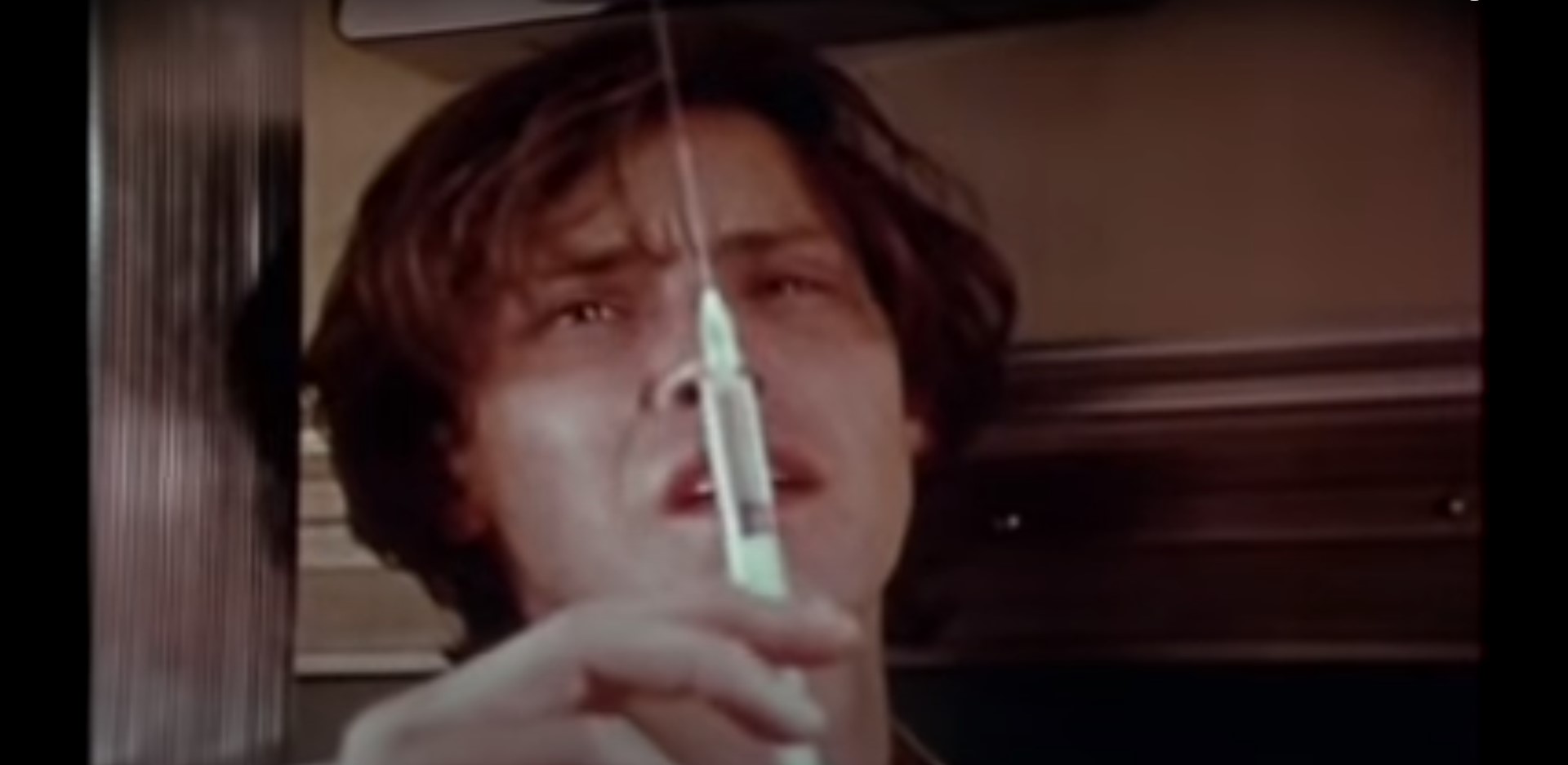
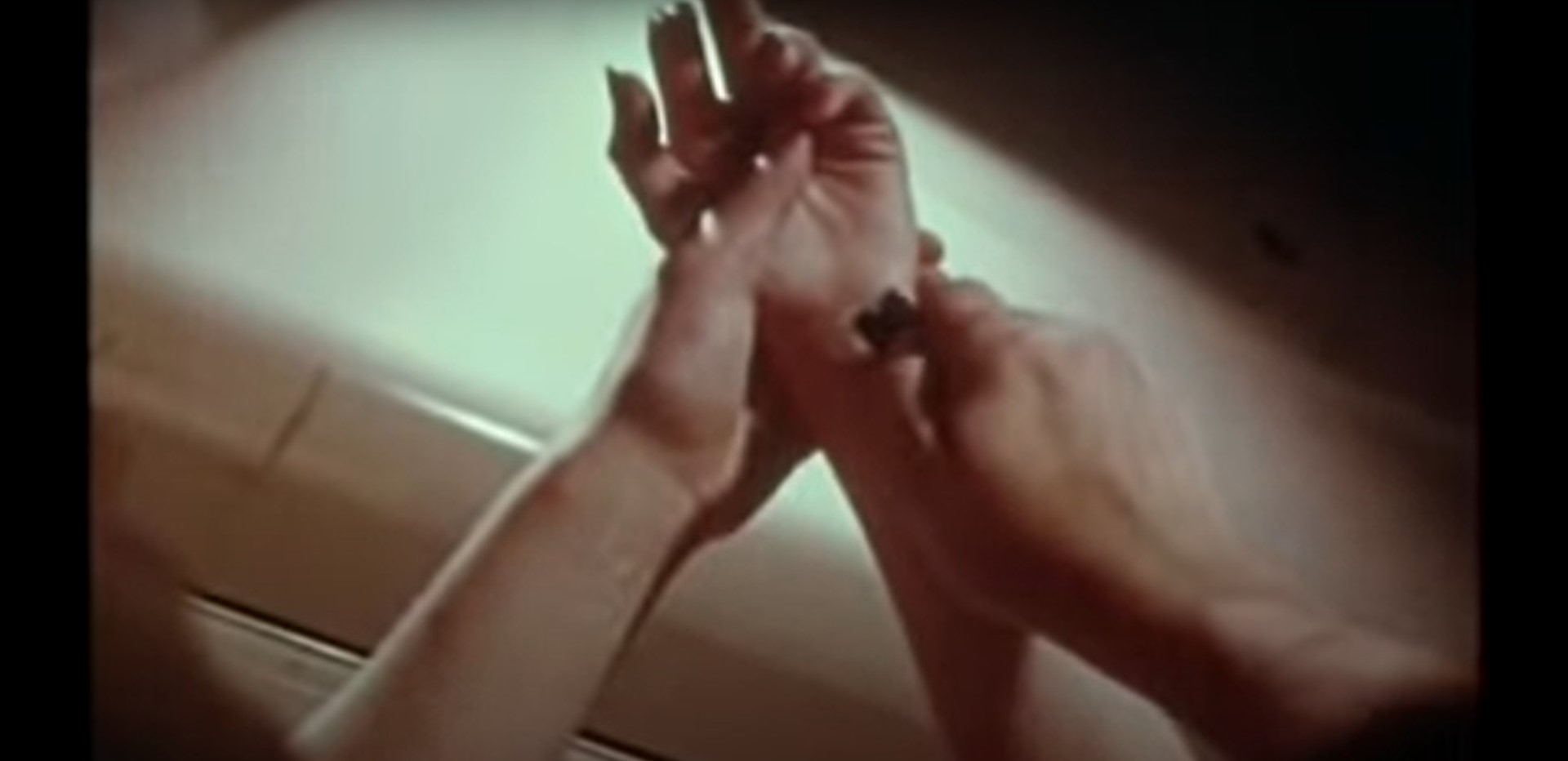
Martin, a young man from Indianapolis and upon recently lost his mother, travels by train to Braddock, Pennsylvania where he’s greeted by his elderly cousin Cuda, an old world believer that Martin has been selectively plagued by the family curse of vampirism and will take Martin in under his roof to cleanse his soul of evil, even if that means destroying him.  Though he doesn’t believe in the vampiric superstitions and the movie depictions, Martin truly believes he’s an 84-year-old vampire and does kill young, beautiful women to intimately drink their blood.  Being reserved and shy gives Martin an advantage to observe his potential victims from afar after gaining employment working as a delivery boy out of his cousin’s shop.  Cuda’s granddaughter, Christina, believes her lonely cousin’s mental illness is being exacerbated by grandfather’s archaic and draconian beliefs, fostered by a family history based off tradition rather than science.  When Martin meets an interested housewife on one of his delivery runs, the need to consume blood trickles when sex enters the picture, but also induces slipups in his well-oiled drug and drink operation whenever the need to feed becomes too much.
By now, “Martin” needs no introduction.  The father of the flesh-eating zombie, George Romero, delivered a neo-realism take on the vampiric mythology nearly 50 years ago in 1977.  “Martin” became the writer-director’s first all around filmic success after being royally screwed by the Walter Reade Organization for having failed to copyright the prints on the trailblazing and timeless classic “Night of the Living Dead,” the reason why you see so many Tom, Dick, and Harry remakes, revisions, sequels, and such of the 1968 black-and-white film that introduced zombies as flesh eaters, and a pair of box office failures that kept Romer in severe debt until slipping into business bed with producer Richard P. Rubinstein, the associate producer for Romero’s “The Amusement Park” and who would collaborate with Romero as a producer for the next subsequent decade years.  Filmed on location in the societal and industrial crumbling Western Pennsylvania town of Braddock, “Martin” remains one of George Romero’s quintessential and provocative pieces of work outside The Living Dead series under Rubinstein and Romero’s The Laurel Group production company.
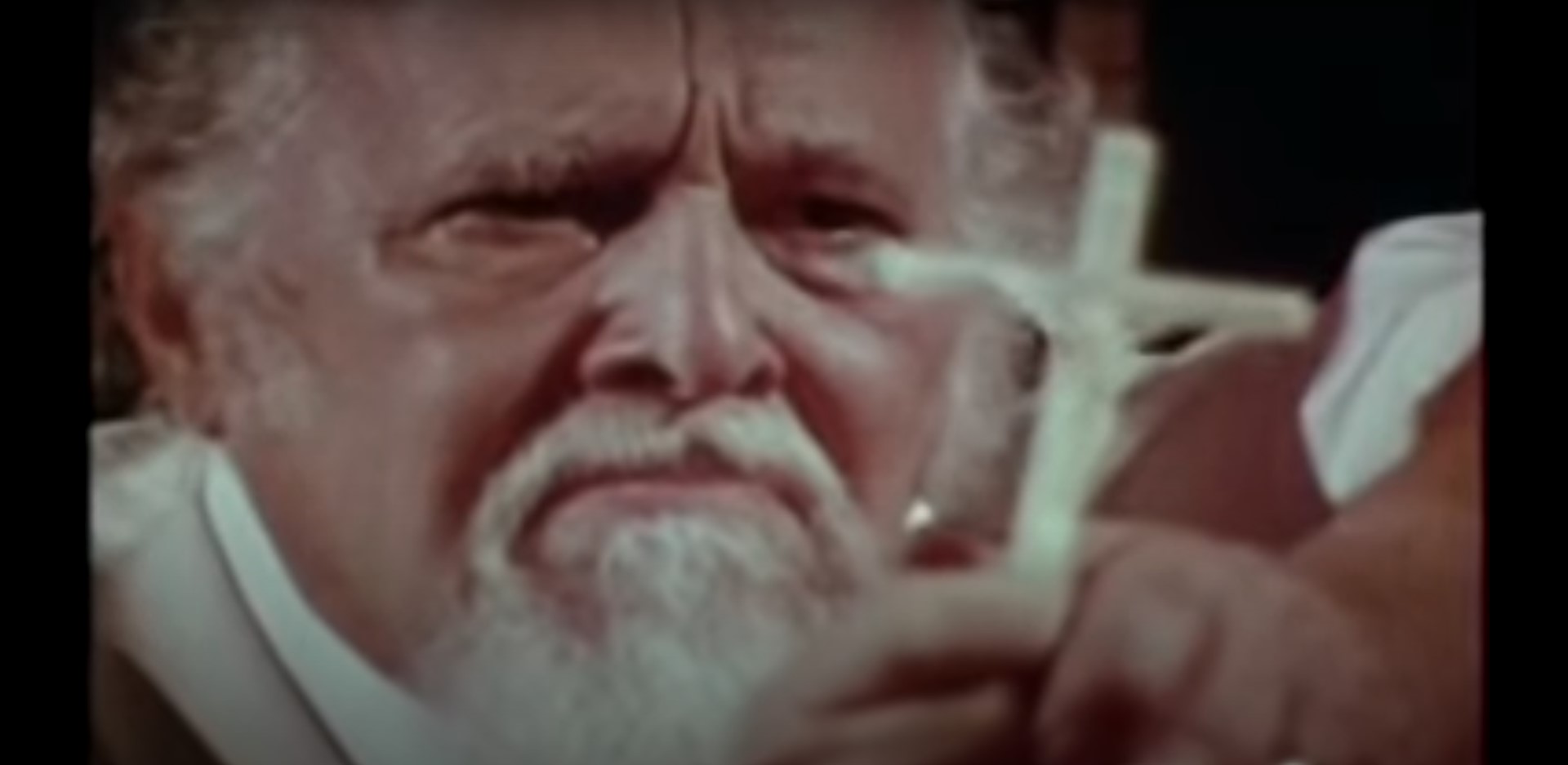
In the titular role is the introduction of John Amplas who was discovered by Romero after watching Amplas in a play and the entire lead principal was reworked to accommodate Amplas boyish youth.  Amplas is instrumental to Martin’s success in a handful of ways:  the Pittsburgh native knew how to properly slink in an unsuspecting manner, he also didn’t overbear scenes and costars with a larger-than-life presence and could dip into this awkwardly retrieved guilt for the premediated murder to fulfill a need that either’s supernatural or unnaturally mental.  Amplas could walk that thin line that keeps the audience wondering how much Martin says and does is actually true or a misconception because of mental illness and this is coupled nicely with Romero’s direction, splicing in black-and-white scenes of gothic-laden, theater-esque vampire flashbacks that could either be a delusional reality or a very real backstory to Marin’s cursed heritage.  Polarizing external family forces in his elderly cousin Cuda (Lincoln Maazel, “The Amusement Park”) and age akin cousin Christina (Christine Forrest) combat on an emotionally taut and verbal levels between their corresponding character qualities of superstition and science that parallel Martin’s eventual damnation or salvation.  The principal trio are tightly compacted to strain the dynamic with a back-and-forth debate over which truth is behind Martin’s troubles.  Romero pens a good case for both by never fleshing out a legitimate truth all the way through to the end; instead, it’s a battle of save Martin from himself who understands the problem, wants to deal with it, but barely takes up arms to combat or even face his issues.  Special F/X legend Tom Savini, pre-trademark inky black mustache and goatee, makes his debut role as Christina’s boyfriend Arthur who serves only as a device to pull reason away from the table in a conflicted measure to pressurize Christina’s capacity beyond the limits of also caring for herself.  Eventually, Christina has to make a decision and, ultimately, choses herself to save, leaving Martin to fend against a sternly superstitious and old world Cuda.  Sara Venable, Roger Caine (“Dracula Exotica”), Donaldo Soviero, Francine Middleton (“The Love-Thrill Murders”), and Elyane Nadeau make up the supporting cast.
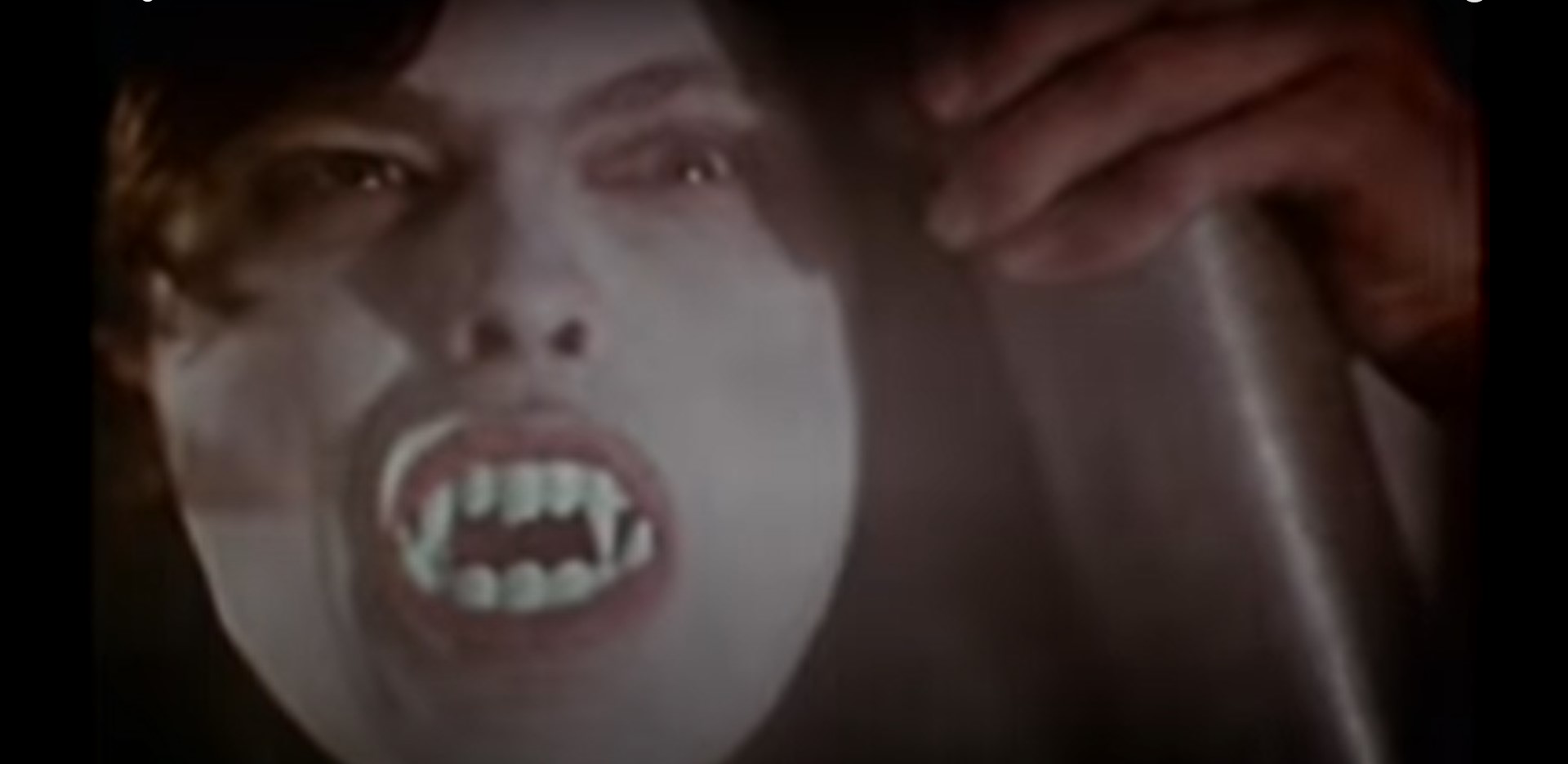
George Romero, again, redefines, or in a more fittingly descriptive – revamps, classic horror villainy that replaces the supernatural element with a realistic approach to weave the very fabric of horror into possibility while still hinting at something beyond the limits of reason.  “There is no real magic.  There’s no real magic, ever!” says Martin about the theatrical stereotypes used to display vampires in attempt by Romero to disenchant us from the ideologized mythos, the habitual characteristics, and the physiognomies of what we consider to be a night bloodsucker.  During that scene between him and Cuda, the words are potently effective in disapproving myths about vampires, but the words are supported with fact as Martin casually debunks garlic, crosses, and sunlight as vampiric weaponry at the expense of humiliating and entertaining Cuda.  “Martin” is at the forefront of being an allegory for loneliness and is a driving reason for presumably the real vampire’s gruesome habit to slice open wrists and drink blood.  Martin only targets young, beautiful women and becomes intimate with them while they are limp under sedation.  When he meets an equally lonely Mrs. Santini, a depressed housewife on the verge of an emotional collapse, and the two embrace each other with comfort against what dispirits them; disinterested in stalking her, Martin’s need to kill dampens and Mrs. Santini unhappy marriage in nullified by the young who listens more than speaks.  Maturity and youth meld together in a moment of peace between them but their bond still shows micro fissures of incompatibility that puts doubts into Martin’s 84-year, carefully planned practice and also doesn’t save Mrs. Santini completely from her too-little-too-late despair.  Braddock, Pennsylvania, a small town sinking into the slumps of becoming forgotten, is a once industrious backdrop integrated as a metaphor for being a forsaken place where things go to die.  Martin is sent to Braddock to paradoxically be cared for by a cousin determined to destroy him because of a family curse that afflicts select generations in what can be perceived as butting of heads between the defiance of angsty youth versus the traditions of an older individual set in the world with their linear ways of thinking.  
As aforementioned, “Martin” is a cult classic from one of the most notable masters of horror and as a film, “Martin” can stand on its own two feet on any format.  However, with that being said, UK home entertainment distributor, Second Sight, celebrates this early George Romero razor-edged thriller with a definitive 3-disc, 4K and Blu-ray release jammed back with software and firmware bonus content that fans can really sink their teeth into for a lifetime.  The limited edition UHD and Blu-ray O-slip box presents a 4K and 2K scan and restoration of a 35mm duplicate negative (note:  not from the original 16mm source) that has been supervised and approved by director of photography Michael Gornick and presented in the Academy aspect ratio of 1.37:1.  Considering the blown duplicated source of a 16mm grade, the 4K UHD scan on the BD66 won’t live up to 4K potential, as some may expect.  There’s quite a bit of varying levels detail discernibility, some shots look better than others, but the overall restoration renders a better than it’s ever looked product with natural grain and damaged reduced to some blue stock flaring around the side and edges, especially during night scenes.  Shadows looked deeper than previous versions, meaning that tenebrism isn’t lost amongst a softer image but rather creates depth with the additional of better sharpened edges to outline objects between the light source  Some speckle debris filters through at times but not enough to cause major concern with the overall experience watching and enjoying the restoration that has HD enhanced grading to make blood that richer technicolor coral color used in my subsequent Romero “Living Dead” films up to “Day of the Dead.”  The Blu-ray’s 2K works just as well due to the scrappy source equipment of what the budget allowed, delivering a fine product of the best transposed transfer known to fan kind and beating out the Lionsgate’s warming grading with a cooler, more hardline detail and delineation picture. The massive release comes with three audio options – an English DTS-HD 5.1 surround sound, an English DTS-HD 2.0 stereo, and an English DTS-HD 1.0. Though Martin audiophiles will likely gravitate toward a multiple channel output, “Martin” is one of those select features that does better in a less-is-more return by not forcing the limited and stronger signals, such as the dialogue and Donald Rubenstein’s experimentally spiritual score, to encoding competition with the milieu ambient and boom recorded sound effects, that for the most part, are background support for the bigger, better one-two punch of clean, clear, and presently full dialogue and a consciously curated soundtrack to walk with Martin every step of his journey. There’s a pinch of popping and a low-emanating droning that very discreet and negligible that won’t affect the experience on bite…I mean bit. English SDH are optional. Bonus materials are what shape the Second Sight releases to be greatly desirable amongst fans as the company continues to produce high-quality encoded bonus features as well as carefully and professionally organized tangible items inside the box. Both 4K UHD and Blu-ray have the same encoded bonus features that include four audio commentaries of old and new. The two archived commentaries include George Romero, John Amplas, and Tom Savini in one set and the other with Romero, Savini, Richard P. Rubenstein, and Michael Gorrick. The new commentaries are with Kat Ellinger, editor-in-chief of Diabolique Magazine, and the second with the recently deceased film curator, Travis Crawford. A vintage 2004 documentary from the Lionsgate release is included in the set with remarks from Romero, Savini, Gorrick, Donald Rubenstein, and Christine Forrest along with a new documentary echoing much of the 2004 doc, in collaboration with Severin Films, with John Amplas, Michel Gorrick, and Tom Dubensky strolling through Braddock, which hasn’t seemingly changed from the depths of poverty, on a raining day recalling nearly every moment of production during principal photography. The new doc includes other insights from Forrest, Savini, Tony Buba, and Sarah Venable in what feels like a complete celebration and overview of their entire journey through Romero’s personal favorite film. Donald Rubenstein also has a new interview discussing his score and meeting and working with Romero on a positive level. The disc features round out with one of Tony Buba’s short films “J. Roy – New and Used Furniture” revolving around the town of Braddock and the trailer, TV and radio spots. The third disc is the CD form of Donald Rubenstein’s soundtrack laid out in 22 distinct musical numbers. The limited-edition exclusive contents include a rigid O-slip case with a simple, yet effective sterile while and red font color contrast with MADE IN U.S.A. augmented razor blood with vampire teeth and blood dripping from the bottom right corner and a blood dripping cross squarely centered on the back. Inside the slipcase, a thick 104-paged color booklet with new in-depth essays and insights from Daniel Bird, Miranda Corcoran, Heather Drain, Kat Ellinger, Andrew Graves, Alexandra Heller-Nicholas, Elena Lazic, Stephen Thrower, Jon Towlson, Simon Ward, Tony Williams and an interview with Tony Buba by Travis Crawford. The booklet also contains colorized, behind-the-scenes photos of production and numerous one-sheets, promotion poster and ads, and a beautifully, expressionistic illustrated front and back cover. Adam Stothard illustrates 5 character lobby cards, including John Amplas’ Martin, Christine Forrest’s Christina, Tom Savini’s Arthur, Lincoln Maazel’s Cuda, and George Romero’s Father Howard. All 3 disc arts are the same as the front cover the release and contained a trifold, punch-lock case in reverse colors of the slipcase. The 4K UHD is region free but the Blu-ray is confirmed region locked B so you’ll need a region free or region B player. The runtime clocks in at 95 minutes and is certified 18 for sexualized violence and sexual threat. Second Sight must be a Disney fan with their monstrous beast of a limited edition that is also a thing of beauty; “Martin” deserves every square inch of this physical and digital display of expressionistic vampirism of underrated performances and from the mind’s eye of a dauntless George Romero, unafraid to take risks, show blood, and understand the human condition.

“Martin” Limited Edition Second Sight Release Available at Amazon.com! 

EVIL Packaged Fresh, Never Frozen. “Raw” reviewed! (Second Sight / Blu-ray)

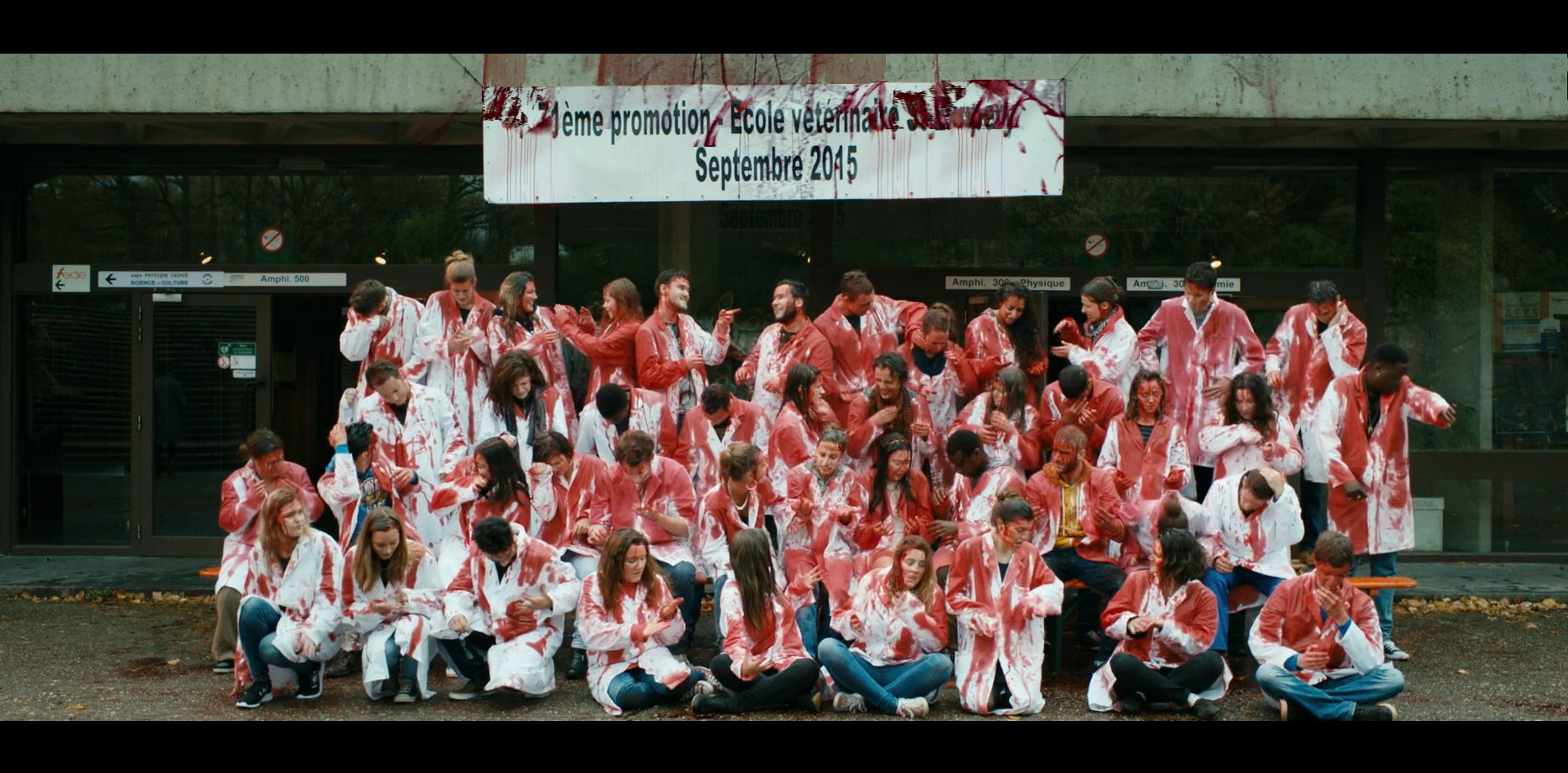
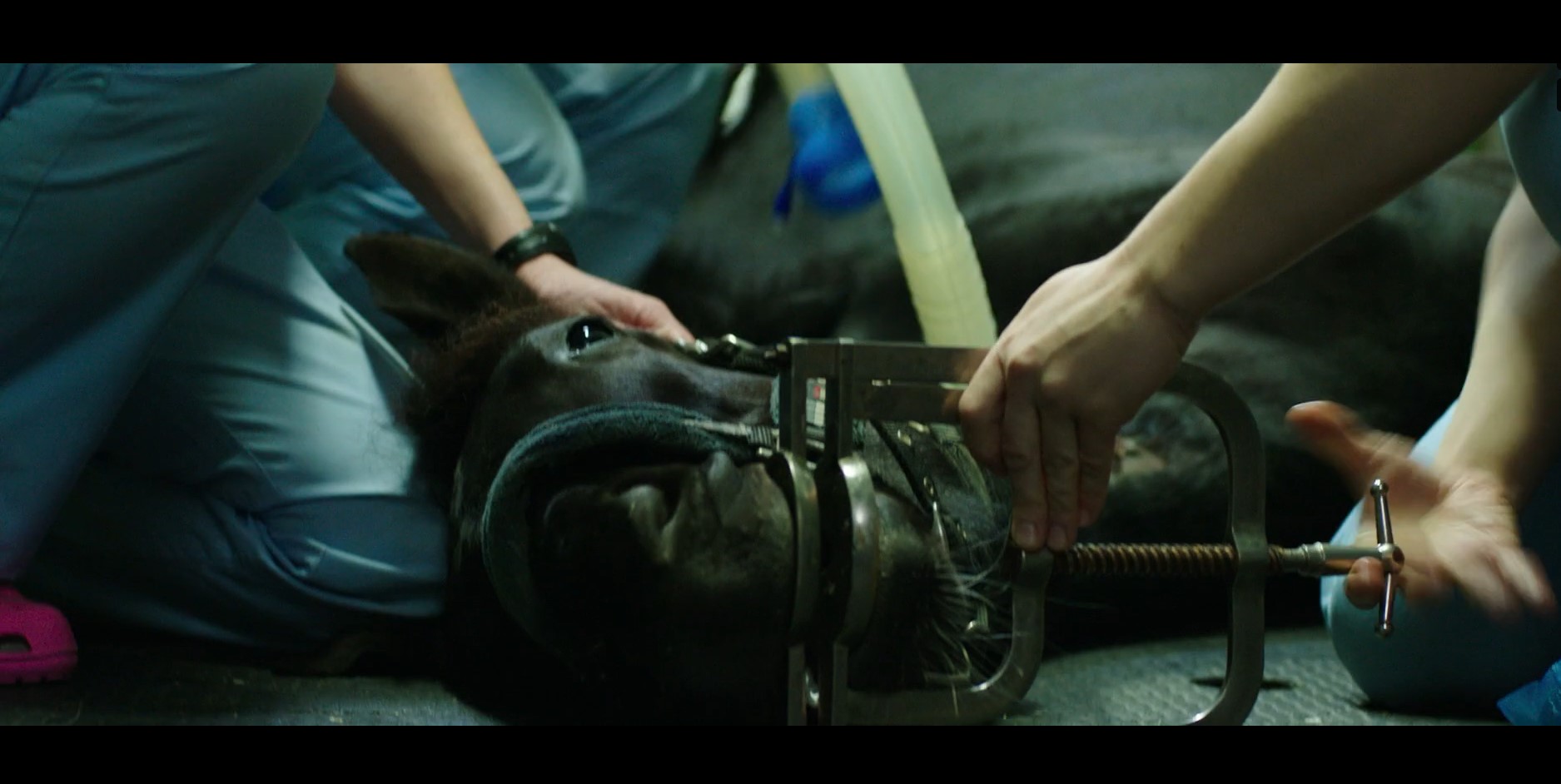
Brought up on a strict vegetarian diet by her parents, Justine became conscious that one swallow of meat down her gullet might start a chain reaction of life-threatening allergies. Her legacy acceptance into the prestigious Saint-Exupéry Veterinary School would have a set of challenges toward retaining that diet but her older sister, Alexia, who is still studying at the school and is also a vegetarian, would protect her from the intense hazing brought down upon the freshman class. When it turns out that Alexia gave into the temptations of peer pressure and egged her own to digest meat in a hazing ritual, Justine learns that her sister’s shielding won’t stand up against the forces of elder student pranks. From then on, a primordial animalistic behavior slowly transforms Justine from a quiet, awkward, and studious teenage girl into a party animal, an explorer of sexual awakening, and a herbivore whose slipping from her regime. Justine’s craving for raw meat digs deeper into the bone as the overwhelming need to consume human flesh spirals her down into an uncontrollable descent, turning the school’s exuberant hazing knaveries all the more dangerous.

Having been a meat eater all my life, the transition to vegetarian would be a hard-fought war that would likely shed years off my life just as much as eating a thick, juicy cut of a steak seasoned to perfection and medium cooked. After all, the human race is born with tapered canines that rip through the tough flesh and meat first and then pass along the now tendered feed to our molars, our mashers, that would handle the soft, chewy substance for an easy ride down toward our stomach. “Raw” takes that approach one step further, or maybe two or three steps further, by coupling the sudden discourse from meatless to meaty meals that expands into cannibalism with a coming of age and finding one’s place in life story that can be relatable to us all. The French film is written-and-directed by Julia Ducournau, who reprised herself with another body horror sensation with last year’s acclaimed “Titane,” and was shot at an actual veterinary school in Belgium, the University of Liège. Originally titled “Grave” before being upgraded to “Raw,” the film is a production from a conglomeration of studio labels, including the first horror production for Petit Film. Rouge International (“Murder Me, Monster”), Frakas Productions (“Sea Fever”), Ezekiel Film Production and Wild Bunch (“Martyr”) serve as a few of the film’s other coproduction companies with Jean des Forêts, Julie Gayet, Jean-Yves Roubin, Nadia Turincev, and Cassandre Warnauts as producers.

“Raw” is not your typical girl journeying through the trials and tribulations of normal self-discovery.  For this, you need not your typical girl to play centric character Justine.  Enters 16-17 year-old Garance Marillier, the Paris-born actress with an established bond on and off screen with director Julia Ducournau having debut her acting in Ducournau’s 2011 short film “Junior” as a tomboy going through a strange corporeal transformation.  Fun fact:  Marillier has been cast as a different Justine in all three of her collaborations with Julia Ducournau – “Junior,” “Raw,” and “Titane” since 2011.  Marillier soaks into “Raw’s” Justine with not only a transcending behavior pattern performance that takes the freshman from stifled to uninhibited, but the young actress also overhauls a complete body language transformation that sheds Justine’s meek skin, literally displayed on screen, for a more confident and abrasive veneer.  Ella Rumpf (“Tiger Girl”) receives Justine’s inexperienced blossom-hood with an the older, already initiated, sibling having been fostered by rambunctious peers to break the sheltering chains her parents had shackled with and just like true to life sisters, there’s contention.  The vehemence venom between them when they’re on bad terms on screen can stop one’s breath, you can hear a pin drop, yet you still understand their sisterly connection and love no matter how messed up a situation might be, especially when involving boys, such as the pansexual fluidity of Justine’s freshman roommate Adrien, played by Rabah Nait Oufella.  “Raw” rounds out the small cast surrounded by a slew of extras with Laurent Lucas and Joana Preiss as mom and dad.

Julia Ducournau has the body horror genre down to the molecular level.  It’s as if the filmmaker studied every film and playbook of David Cronenberg just from researching her various work credits that target to restructure and regress the human condition into something far worse and watching “Raw” unravel a symbiotic relationship between natural and unnatural human development blurs that line of what is considered to be normal so disturbingly good.  Exteriorly, we notice the changes and can almost set a clock to way our bodies react and change over time, biologically and socially, within the context of our environment.  Internally, a whole unexplored set of conditions apply to the unpredictable mindset of transfiguration and that’s where Justine paves an unfounded roadmap for her sudden kick from being a veggie lover to a flesh craver. “Raw’s” undoubtedly an allegory of a young girl’s pubescence and coming of age into her own from, essentially, being on her own exploring her sexuality and exploring new interests as is such with going into university. Ducournau casually strolls through Justine’s drama and tension as much of the body horror overwhelms our morbid curiosity but her angsty complications, still very much underlined even being overshadows, retain a constant line of parallelism in a symbolic reality. Delicate touches of indelicate gore really spice up “Raw’s” entrenching story not for the faint of heart as well as vegetarians.

Hot off the heels of their now out of print limited edition release of “Raw,” Second Sight Films offers a second, standard release on Blu-ray home video. The UK label offers a single disc packaged, region B encoded, BD-50 of a 1080p, high-definition, 2.40:1 aspect ratio presentation, listed at running an average frame bitrate of ~24Mbps. Highly accurate on its bitrate average, the image is well diverse in discerning details without an ambiguous scene or spot in sight. The color often feels muted, dreary, like one long continuous overclouded day that presents an everlasting feeling of dismay. Yet, that isn’t all cinematographer Ruben Impens has to offer with arthouse framing of disturbing imagery and an opening freshman party scene that takes us through the cramp pockets of sweaty, half-naked partygoers in one lengthy, single shot that expels just about everything Justine will face at her time in veterinary school. The French DTS-HD 5.1 master audio superbly distributes the audio tracks with just right levels to accommodate each scene. If there’s a noisy, bass blaring party, the score rightly takes over and the dialogue takes a muted backseat but still clear and intelligible – or so I believe since I don’t understand French, but I can make out the syllables and inflections. Otherwise, dialogue is king and clear alongside an eclectic soundtrack of English indie rock and experimental tracks as well as Jim Williams guitar and industrial synth trek across that’s beautiful and, simultaneously, disconcerting disharmonic. If you missed out on the limited edition, don’t bite yourself as the standard edition as plenty of extra features, including an interview with actress Garance Marillier The Girl Can’t Help It, an interview with producer Jean des Forêts Making Ends Meat, an audio commentary by film critic Alexander West, an audio commentary with director Julia Ducournau and critic Emma Westwood, an interview with Ducournau A Family Affair, the featurette Raw A Votre Gout with Ducournau and Emma Westwood, a conversation between Ducournau and critic Alexandra Heller-Nicholas Quick Bites, a genre matters panel discussion, an Australian premier introduction and post screen Q&A with Ducournau and Kier-La Janise, and a handful of deleted scenes. The film runs at 99 minutes, comes with well synced English subtitles, and is certified 18 for strong gory images and injury detail. Taste “Raw’s” unseasoned, unadulterated, pure and simple line of hidden truths and manifesting urges that once crossed there’s no turning back as the person you once were, is no longer akin to an impossible burger but a fully tendered hunk of mouthwatering meat freshly cut and ready to sink your teeth into.

Being Dismissed is EVIL That’s Hard to Choke Down. “Swallow” reviewed! (Second Sight Films / BD-R Screener)

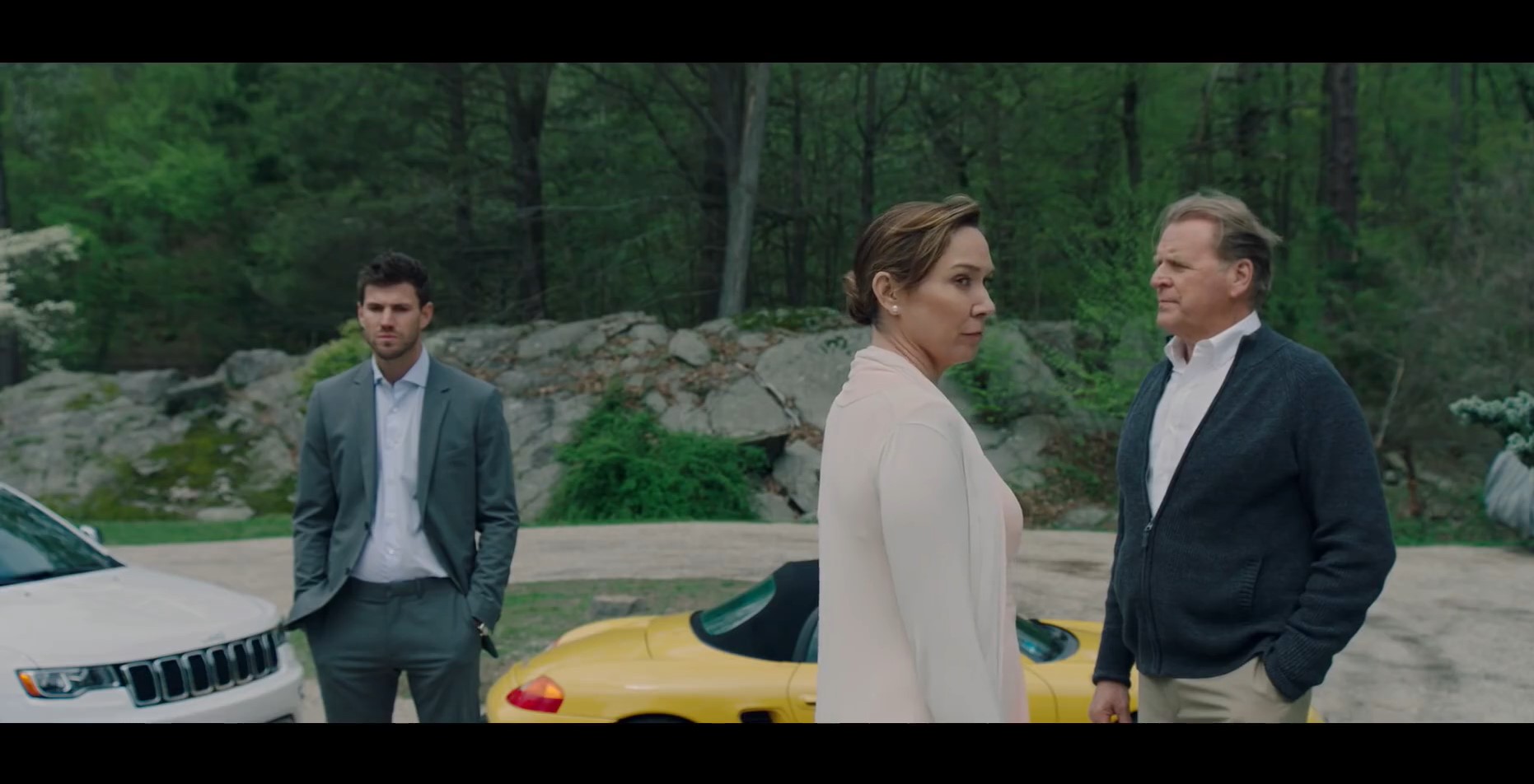
Newly pregnant housewife, Hunter, putters around the house while her workaholic husband enjoys the fruits of success and friendship with colleagues.  When she’s not cleaning the house or preparing a meal for herself, Hunter stares into the oblivion of her isolating environment.  The country girl who really had nothing to her name has fortunately found an opportunity to never be worried about financial insecurities and with every material thing a person could want in their right at her fingertips.  All Hunter has to sacrifice is her control.  Feeling lonely, powerless, and trapped, Hunter discovers swallowing inedible, dangerous objects gives her great joy and something she can control.  As she goes deeper into this obsession and her perfect world begins to crumble, she’s confronted with reexamining her dark past that stems her unusual eating habit.

Sometimes it’s our strange quirks, our self-destruction behaviors, and our subconscious need to be noticed, or in control, or out of the pockets of others that can deliver horrid outcomes that, ironically enough, can be also our incognito liberator.  As such displayed in Carlo Mirabella-Davis’ written and directed introductory feature film, a blend of family melodrama and interior body horror, with “Swallow.”  The 2019 released psychological thriller is difficult to digest, literally, as the protagonist struggles coping with external control issues in a seemingly perfect life, a life that has never quite felt like her own, while also encouraging an alarming new physiological appetite for what is known in the eating disorder circles as Pica.  Set in upstate New York, shot around the idyllic Hudson Valley area, “Swallow” is produced by the award-winning “Nomadland’s” Mollye Asher and “Black Box’s” Mynette Louie, who have a long history in investing into bold and interesting emotional depth tales, and is a production of the France based companies, Charades and Logical Pictures.

Undertaking the daunting task of Pica emulating is Haley Bennett.  “The Haunting of Molly Hartley” and “Hardcore Henry” actress tethers a line to the core basis of her character Hunter who has to gradually chip away portions of her blank exterior of a person subconsciously suffering from similar symptoms of Stockholm Syndrome.  Hunter very much believes in the social saturation of wifely duties at an attempt to please her bread-winning husband Ritchie (Austin Stowell, “Colossal”), constantly gathering reassurances and happiness from him.  I also like the play on words with the husband name Ritchie that speaks to his haughty behavior.  Bennett, in great detail, captures Hunter’s disfigured, uncertain happiness and wholehearted attempts to join the ranks of a proud housewife, an area mirrored by silent authority from her mother-in-law Katherine (Elizabeth Marvel, “All the Little Things We Kill”).  As soon as Hunter swallows that very first foreign object, Bennett derives true delight from the bizarre action.  From then on, blistering is away is being a slave to Ritchie’s wealthy ties as that little object, that spherical inkling of hope, gets the marble rolling down the gullet of taking back what’s hers, her life.  Bennett and Stowell finesse their characters’ relationship with a teetertotter of genuine sympathy and ingenuine gratification in what’s a blurry line of compassion or a total fake façade for the allusion of appearances.  The weakest character, for me, is Luay, the Syrian expat who fled the turmoil of homeland war and has become something of a caretaker to Hunter.  Played by Laith Nakli, Luay’s sympathy for Hunter runs deeper than her psychological disorder, and Nakli can dish out awkward, slow burn compassion with the best of them, but that connection between Luay and Hunter misses the timely mark with a blank and acute switching of allegiances gone unspoken and with inaction.  Luna Lauren Velez (“Dexter”), David Rasche (“Cobra”), Babak Tafti, Nichole Kang (“Ten Minutes to Midnight”), Zabryna Guevara, and “American Horror Story’s” Denis O’Hare rounds out the cast.

Hunter’s fixation can be compared to the likes of any other vice and soul-swallowing addiction – gambling , drugs, sex – but the very fact that it’s Pica, and on a certain level of the OCD spectrum, makes Mirabella-Davis’ script somewhat of a curious oddity as the filmmaker builds a story around a dysfunctional family and one’s own personal grasp on destiny.  Though set in modern times, “Swallow” very much has a 1950s-1960s vibe with the dynamic of the working husband and the wife stays home to spruce up the house; there’s even a particular scene of Hunter vacuuming in a 50’s-ish tea length swing dress.  Despite the story’s curious and odd nature and the stuck in time antiquated gender inequality veneer, Mirabella-Davis utilizes these aspects to shape and shed light on the more diabolical of inner detriments with Hunter’s lack of confidence and autonomy stemmed from a difficult to swallow past and a financially affluent relationship that actually disallows personal freedom.  “Swallow” is oppressive in ways as Ritchie and his family and friends attempt to squeeze every ounce of value out of Hunter with value being the unborn child amongst other things.   The psychology of “Swallow” melds past and present together to form Hunter’s dangerous method of taking over the reigns of a life she never steered and Mirabella-Davis crafts an exquisite niche thriller to encourage us to gobble up.

Second Sight Films, a label known for it’s substantial and lavish re-releases, snacks on another high profile film with their profound limited edition Blu-ray of Carlo Mirabella-Davis’ “Swallow.” The single disc, PAL encoded, region B BD-25 is presented in the original aspect ratio of a widescreen 2.39:1 aspect ratio. Since a BD-R was provided for review purposes, I am unable to comment on the true characteristics and qualities of the audio and video, but do note Katelin Arizmendi’s stunning cinematography that’s full of palpable texture to every minute piece of inedible edibles Hunter puts down her throat and the gorgeous long shots of Hunter being engulfed by the depth with the isolating forest setting that looks to be lurking in the background. The limited edition release hit shelves this past Tuesday, the 22nd, and has a ton of features to check out, including a new audio commentary by director Mirabella-Davis and producers Moilye Asher and Mynette Louie, A Personal Story exclusive interview with the director that’s seriously in-depth and passionate about his work on “Swallow,” Something Bubbling Underneath exclusive interview with producer Moilye Asher, The Process exclusive interview with editor Joe Murphy, Metal and Glass exclusive interview with composer Nathan Halpern, Alexandra Heller-Nicholas’s take on “Swallow” A Room of One’s Own, Mirabella-Davis’ short film “Knife Party,” and a rigid slipcase with new artwork by Haley Turnbull along with a soft cover booklet with an introduction by the director and containing essays by Anne Billson, Jordan Crucchiola, and Ella Kemp. Lastly, at the tail of the special features are 6 beautiful collectors’ art cards. “Swallow” is rated UK 18 and runs for 94 minutes. Bennett wins the prize for making “Swallow” a throat-clearing success and bravo to Mirabella-Davis for being brave enough with an unusual story set around an uncommon eating disorder and directing the hell out of it.

Limited Edition Blu-ray from Second Sight Films Available at Amazon.com

Dan Stevens. The New Face of EVIL? Freakin’ Love It! “The Guest” reviewed! (Second Sight Films / BD-R Screener)

Recently hospital discharged combat soldier David Collins visits a fallen brother in arms’ family, The Petersons, to convey their son’s last moments of love for his family.  Taken immediately in by the grieving mother, David stays for a few nights at the Peterson home, quickly befriending the family of four with his military “yes ma’am” charm and good looks.  When a string of accidental and homicide related deaths begin to flare up in what’s typically a quiet rural town, eldest daughter, Anna, suspicions turn to David.  As Anna digs deeper into David’s past, nothing can stop the elite special forces soldier from taking steps to protect his identity and his mission, even if that means turning the Petersons’ hometown into a deadly warzone. 

One part action, one part slasher – Adam Wingard’s “The Guest” is a hot take on the infiltrator horror subgenre.  The “Pop Skull” and “You’re Next” director, who went on to helm the epic clash of the two biggest creatures in all of creature feature history with this year’s “Godzilla vs. Kong,” directed “The Guest” to challenge the slasher narrative with an atypical, slightly campy, American indie thriller with an unanticipated and surprising twist that’s more than just your run-of-the-mill snapped war-traumatized soldier gone shell-shocked rogue.  The script reteams “Dead Birds’” writer Simon Barrett with Wingard for their eighth collaboration that pits all the story’s action into the rural confines of an unnamed small town in America while the actual shooting location takes place in New Mexico.  “The Guest” is a production of the UK based HanWay Films, which also oversaw the production of Wingard’s “You’re Next,” and Snoot Entertainment of the zomedy “Little Monsters” from the producing management team of Keith and Jess Wu Calder.

To put things simply, Dan Stevens is scary good.  The “Downtown Abbey” star plays the titular troublemaker and, now, I will never look at Matthew Crowley the same way again.  Stevens trades out the proper aristocracy of British English with a slight American English Southern draw, a heavily used trope portrayed with U.S. troops in cinema, but Stevens does more than just talk-the-talk.  The Surrey born actor who once played the Beast in Disney’s live-action version of “Beauty and the Beast” plays a different kind of monster that’s akin to a wolf in sheep’s clothing with David, adorning his physically fit character with a clandestine depth in his ambiguous background and sociopathic tendencies that makes him very much a mysterious maniac much in the same fashion as iconic slasher villains.  Trying to stop David’s undermining reign of controlled carnage is Anna Peterson, played by Maika Monroe (“It Follows,” “Independence Day:  Resurgence”).  Ana’s a levelheaded, yet rebellious, teenager adverse to being told what to do to much of her parents chagrin from dating a pot dealer to her objection in David’s stay with them.  Monre puts angsty effort behind Anna Peterson’s eyes, but the character herself is rather flimsy willing to put her trust in an unsponsored secret organization agent, “John Wick” films’ Lance Reddick, and his request to get into his car urgently without hesitation, but has a difficult time swallowing at her own pace her dead brother’s fellow soldier even with the stamp of whole heartily approval from her parents and little brother and photographic evidence of her brother’s relationship with David.  Yet, Barrett’s openly oblivious characters play into the slasher/thriller campiness of accepting everything at face value without ever an inkling of doubt.  Perfect examples of this would be 3/4th of the Peterson family: the mother (Sheila Kelley, “A Passion to Kill”) trust him with handling routine tasks like picking up her son from school or laundry, the father (the great supporting actor Leland Orser, “Alien:  Resurrection,” “The Bone Collector”) trusts him with personal secrets, and even the school outcast brother (Brendan Meyer, “The Color of Space”) desperately believes David is his friend.  Tabatha Shaun, Joel David Moore, Ethan Embry, Chase Williamson, and Steven Brown co-star.

Pulling loads of admiration and inspiration from the “Halloween” franchise, “The Guest” not only rocks as an action thriller but also mimicking a retrograded slasher in a subgenre slapped with a label I like to call the infiltrator subgenre.  David Collins is no mindless, walking and not talking, killing machine like The Shape, but instead gains trust, backdoors problems, and has the quick confident moves to see the job through with hand-to-hand combat and other more visceral merciless methods.  Barrett and Wingard purposefully leave much to the imagination with David’s past, turning what would usually outcome as frustrating ambiguity for an essential character to more of an enigmatic antagonist allure similar to the way we don’t have a clear-cut motivation why Michael Myers or Jason Voorhees shish kabob horny teens without a second thought.  Sure, there are sequels that try to enlighten reasons, such as being pure evil, but abstract is not concrete.  Same with “The Guest” with a control spoon feeding of just enough backstory to wet one’s thirst for more on David’s ruthless sociopathic behavior.  David’s also a very likeable with the impression that his good deeds done in violence speaks to a justice-driven character, but what’s brilliant about David, and enhanced profoundly by Dan Stevens, is that when he does kill someone in cold blood for this first time, the impact is tremendously unreal because it’s unexpected and off brand from the Barrett and Wingard’s buildup of him being a standup and do-what’s-right soldier.

Second Sight Films invites you to be their guest for their limited edition 4K Ultra Hi-Defintionand Blu-ray of Adam Wingard’s “The Guest” that hit retail shelves this month on October 25th.  The stunning makeover of this cult favorite, limited to 5,000 copies, offers a brand new color grading for both formats supervised by Wingard with 4K UHD presented in Dolby Vision HDR.  Since a BDR was provided, commenting on the exact audio and video quality of the release isn’t possible, but rest assured, knowing the care and attention Second Sight Films put into their releases, “The Guest” will surely not overstay it’s welcome in the image and audio department.  The film has runtime at 100 minutes and a UK 15 certification; however, there is much more to this 3-disc release that includes the film’s 80’s inspired soundtrack on a compact disc.  Special features include new Adam Wingard and Simon Barrett commentary plus an archive commentary track from the two filmmakers, a new interview with actor Dan Stevens The Uninvited Guest, a new interview with actress Maika Monroe A Perfect Stranger, a new interview with Wingard and Barett By Invitation Only, a new interview with producers Keith and Jessica Wu Calder Producing the Guest, a new interview with director of photography Robby Baumgartner Light and Fog, a new interview with production designer Tom Hammock Lightning Strikes, a new interview with composer Steve Moore The Sounds of The Guest, and deleted and alternate including an outtake gag with optional director commentary.  With this limited release comes a rigid slipcase with new artwork by Adam Stothard, 160-page booklet with new essays by script to screen storyboards and extracts, behind the scenes photos, Wingard’s soundtrack notes, and new essays about the film, and, lastly, 6 collector’s art cards. In a time when modern horror desperately needs a solid sequel, “The Guest” is a good candidate with it’s captivating villain with so much story still left to tell. Hopefully, Second Sight Films’ irrefutable powerhouse release will ignite step-taking action amongst the rumors.

Grab it fast!  Liminted Edition “The Guest” on 4K UHD and Blu-ray Now at Amazon.com!

Once You Let EVIL In, EVIL Will Never Let Go. “The Babadook” reviewed! (Second Sight Films / Blu-ray Screener)


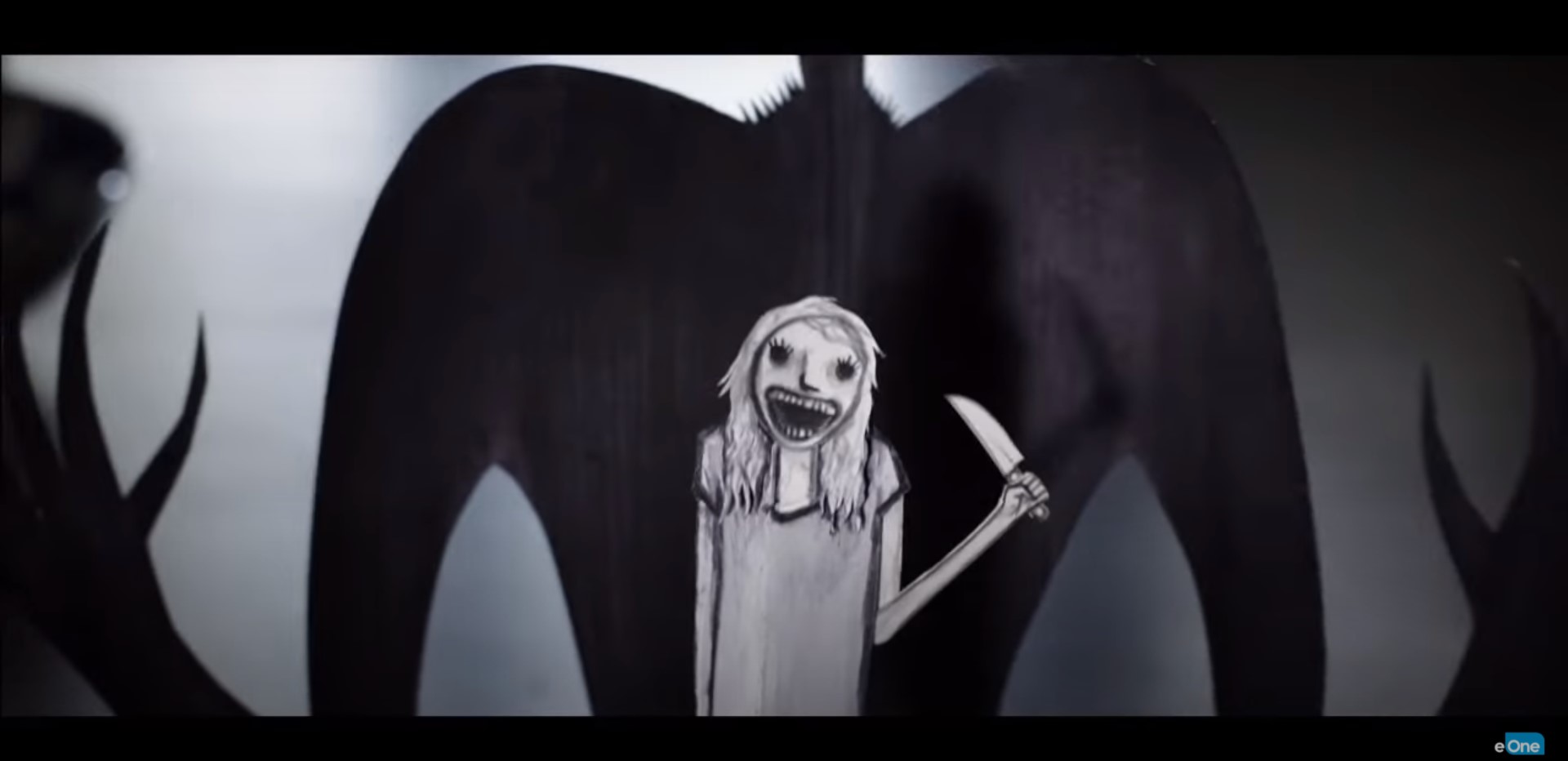
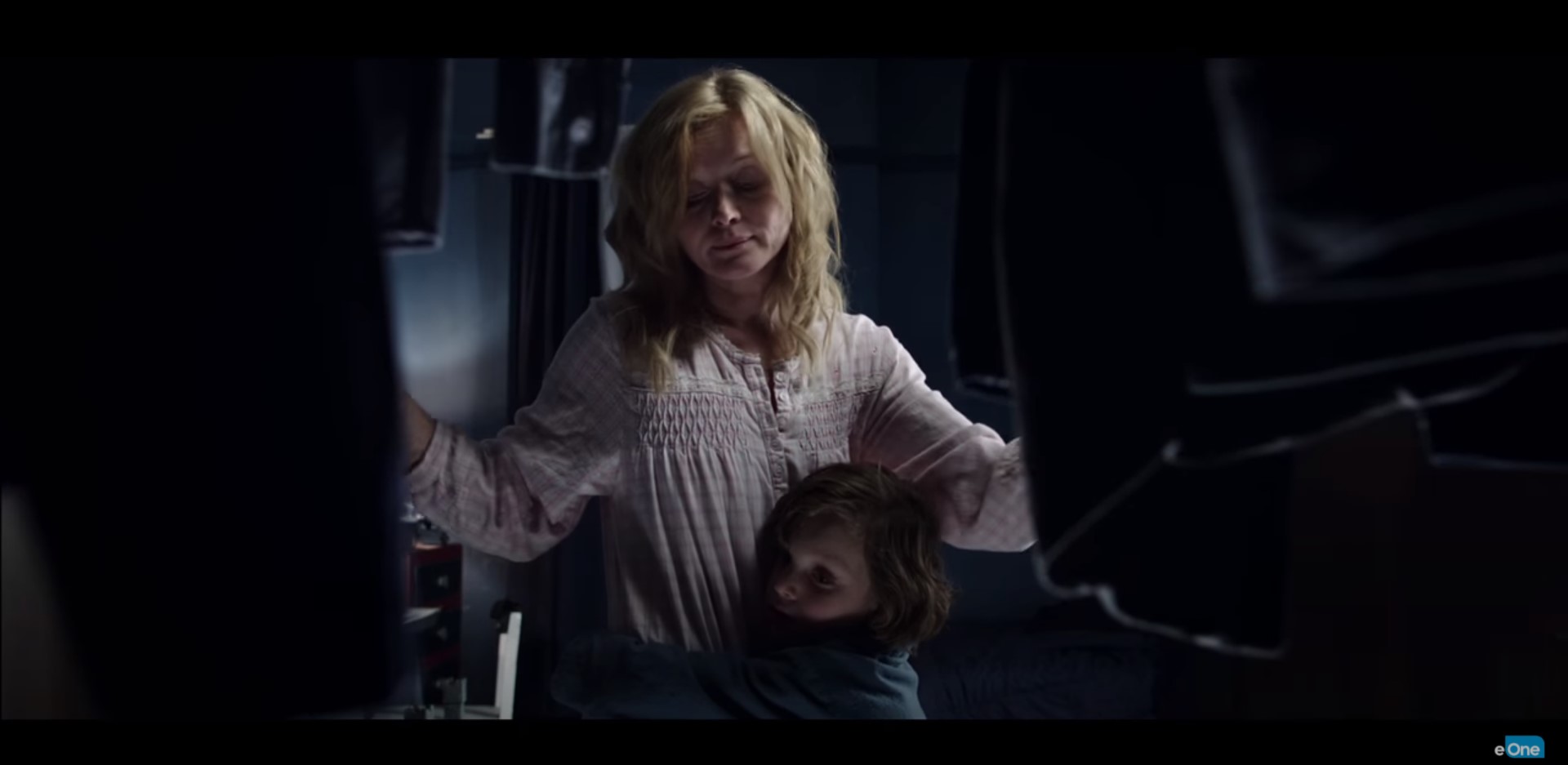
Stage set six years after a car accident involving the death of her husband, single mother Amelia and her difficult six-year-old son, Samuel, struggle to find a harmonious balance in their mother-son relationship.  Samuel’s outbursts and aggressive behaviors deflate the boy’s sometimes sweet nature that has oppressed Amelia into her wits end, alienating her from connecting with other people, even her own sister.  For days Amelia can’t sleep as the stress mounds and Samuel’s erratic temperament continues to worsen, especially when Samuel discovers a mysterious book from the shelf entitled Mister Babadook.  A book he can’t shake from his mind.  The frightening book, filled with graphic imagery and popups, tells of an ominous, dark figure eager to be let into their lives and when the Babadook presence lurks from the pages to reality, hiding in the darkest corners of their home and leeching on the strained anxiety and fear, Amelia and Samuel must rely on each other to wade out the Babadook’s horrible wretchedness only to realize that the way to stop from succumbing to the Babadook’s wrath is to face it head on. 

I can not believe that nearly 7 years has gone by and I have not once sat with a viewing of Jennifer Kent’s “The Babadook.”  Well, luckily for me, genre UK curator and distributor Second Sight Films is releasing the golden egg of limited edition 4K UHD/Bluray sets and was able to snag a screener for review!  The Australian film is an emotionally complex and enormously identifiable thriller that demonizes the post-death states of those dealing with loss and struggling to live on tasked with what’s typically a two person responsibility of mutual support and care.  Kent, who wrote and directed the film, expands upon her original 2005 short entitled “Monster,” by keeping the wrenching core that close in tighter and tighter on the mother and son while upping the visual and audio stylistic elements to make an immersive sympathetic undergo and not just an empathetic one.  “The Babadook” is a production of a conglomerate of companies, including Screen Australia, Causeway Films, Smoking Gun Productions, The South Australian Film Corporation, and Entertainment One and is produced by “Cargo’s” Kristina Ceyton and Jeff Harrison along with “The 13th House’s” Kristian Moliere.

Tackling these performances of a suppressed grief-stricken mother on the edge of snapping and a young boy growing up without a father and innocently oblivious to his own autistic like behavioral issues come with layers upon layers of character depth and, in my firm opinion, Essie Davis and Noah Wiseman crush the roles with a heartbreaking dynamic.   “The Matrix Reloaded” and “Revolutions” star Davis has a tangible wearied performance of a single parent with no one to turn to for help as your unconditional love for her troubled son runs on fumes, dangerously low without an outlet for support, encouragement, or relief.  Samuel has more familiarity in the genre as a relatively new trope, an autistic child that becomes intertwined with a wicked presence that has popped up more recent films, such as Jacob Chase’s “Come Play” and Greg McLean’s “The Darkness,”  as researches learn more about autism and society has been able to authenticate the condition over the years.  The debut feature performance from young Noah Wiseman can get under-your-skin being a restless busy body, a screeching backseat thrasher, and a poke and prod child in constant need of attention, but Noah is able to switch right into a sweet natured young boy with lots of wonderment and love for his mother.  Noah’s inventive, creative, and has a knack for self-preservation when dealing with a looming evil hungry for his fearful submission but because Noah is different from other children, he’s society labeled “disadvantage” is actually advantage, a tool for survival, that keeps him fixated on what’s important.  Focally attuned to just Amelia and Samuel in the story, the film barely registers the supporting cast that rounds out with Hayley McElhinney, Daniel Henshall, Barbara West, and Tim Purcell as the obscured Babadook.

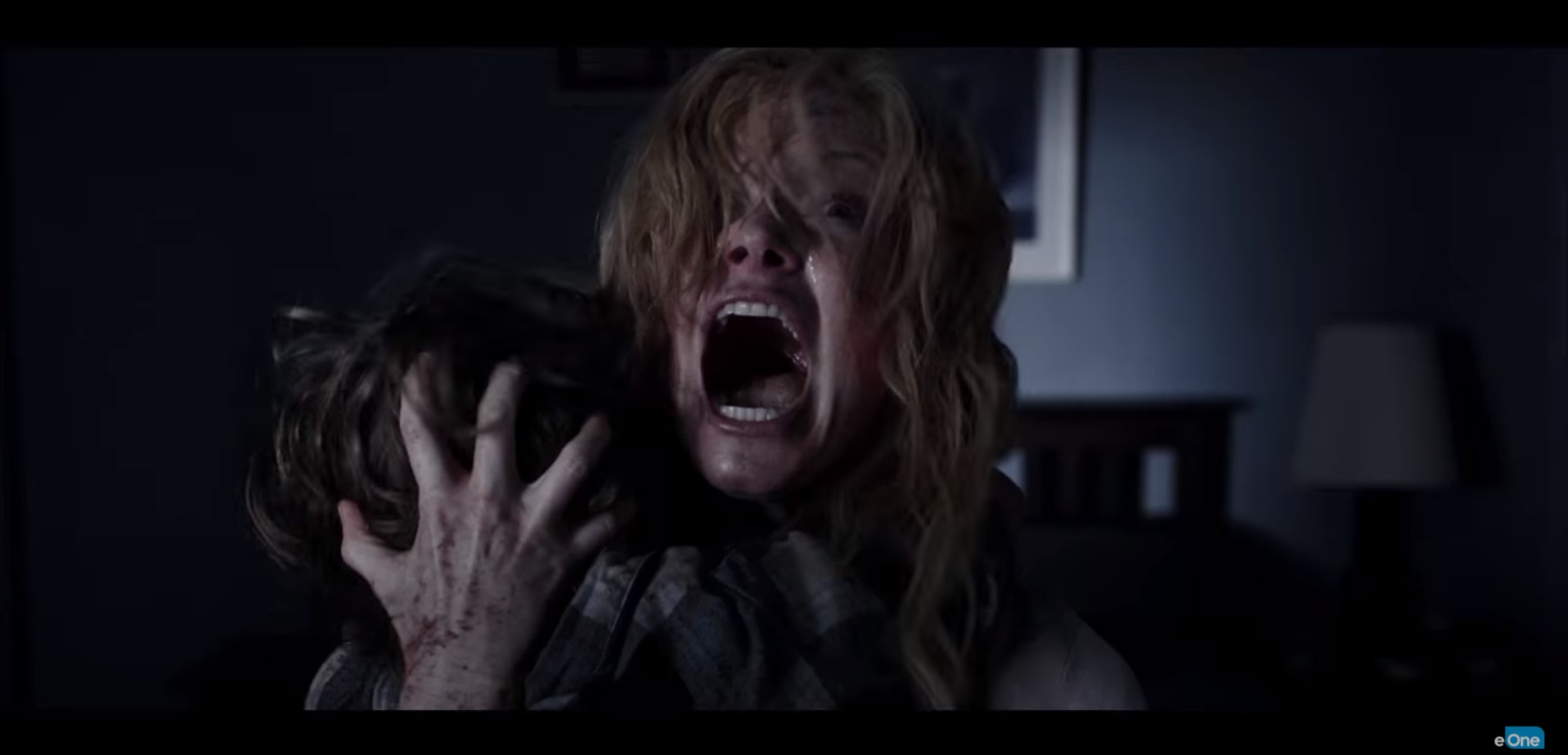
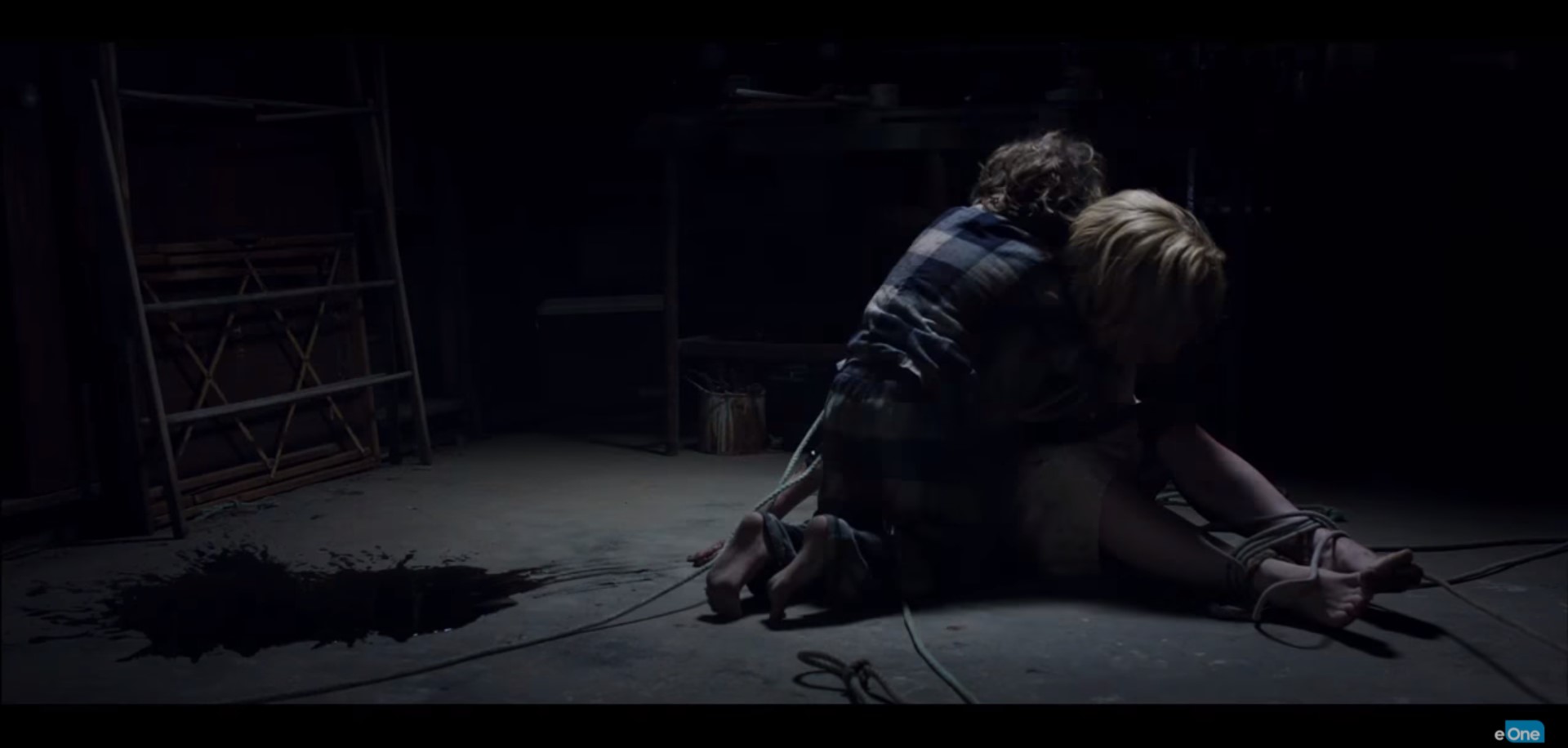
Right from the opening scene, director Jennifer Kent instills a visually stylish premise geared to layer Amelia’s troubled mindset with an etherealized environment nightmare of her husband’s tragic death followed with the reality-grounding energy drain of raising single-handedly a difficult child and the rest of Amelia’s social bubble imploding without a sense of compassion.  From Samuel’s school to her own sister, Amelia is bombarded with delineation of Samuel’s behavior, riddling her psyche with shot after shot of disparaging remarks compounded upon a lingering pain that goes all the way back to her husband’s death nearly seven years ago and to which she subconsciously assigns Samuel blame.  Culminating to a head on Samuel’s birthday, the exact same date of her husband’s death, is a flood of weary and breakdown overtaking Amelia’s last bit of hope for her child and for herself.  This manifests an internalized darkness protruding out into the exterior in the form of Mister Babadook, the embodiment of grief pent up and let loose, feeding off Amelia’s exhaustion and malevolently possessing her being to want to do the worst possible thing overly stressed and repressed parents can do – take out their pain on their children.  Kent masterfully crafts symbolizing grief as an atypical presence of our normal selves.  The sheer amount of dimly lit negative space for the Babadook lying in waiting goes not to waste as when you think something is there, perhaps the Babadook, nothing actually materializes from the ominous shadows, but, in the realm of the story’s reality, that sensation of feeling a presence in the room with you is beyond a tauten tangibility and Kent, playing with that construct, adds stomach knotting audible cues, a guttural discordance, that narrow the eyes, pull the covers over the head, and have you wait with bated breath.

Let the “The Babadook” in with Second Sight Films’ 3-disc limited edition dual formatted, region free 4K UHD and region B Blu-ray, release arriving in the UK on June 21st.  The 4K presentation, an upscaled 2160p, is mastered by the original post production facility and presented in a 10-bit HDR10.  Both 4K and Blu-ray have an aspect ratio of 2.35:1 widescreen.  Audio options include the an English language DTS-HD master audio 5.1 and an English LPCM 2.0, complete with perplexing creature roaring soundbites from the original Resident Evil game on PlayStation.  Since only a screener disc was provided for this review, I am unable to comment on the exact quality of the release’s audio and video outputs; however, the rigid slipcase, with artwork from Peter Diamond, sheaths an abundance of special features, including a new audio commentary by Alexandra Heller-Nicholas and Josh Nelson, “This is My House!” – an interview with lead actress Essie Davis working with the cast and crew as well as her impressions of the story, “The Sister:  Interview with Hayley McElhinney” who talks about her character’s uncompassionate sibling role, and interviews with producers Kristina Ceyton and Kristian Moliere, editor Simon Njoo, production designer Alex Homes, composer Jud Kurzel, and book illustrator of Mister Babadook Alexander Juhasz.  The release also comes with Jennifer Kent’s inspirational short film, “Monster,” the making-off “”They Call Him Mister Babadook,” featurette about production design and set location in “There’s No Place Like Home:  Creating the House,” special effects talk about the sole stabbing scene, segment on stunt work, “Illustrating Evil: Creating the Book” that was illustrated by Alexander Juhasz, and a 150-page hardback book with brand new essays, an achieved interview with the director, concept illustrations, and behind the scenes photos  and collectors’ art cards that were not included with the screener.   Broodingly topical and harrowingly acted with perfection, “The Babadook” is the epithet for silent deadly threats, squirrelled and suppressed away by innate survival instincts only to be a subsonic explosion when the unstable psyche’s flashing point is sparked.