Tonight’s Next Guest is EVIL! “Late Night with the Devil!” reviewed! (Second Sight Films / Limited-Edition 4K UHD and Standard Blu-ray)

Check Out the Package on Second Sight’s Latest Limited Edition – “Late Night with the Devil!

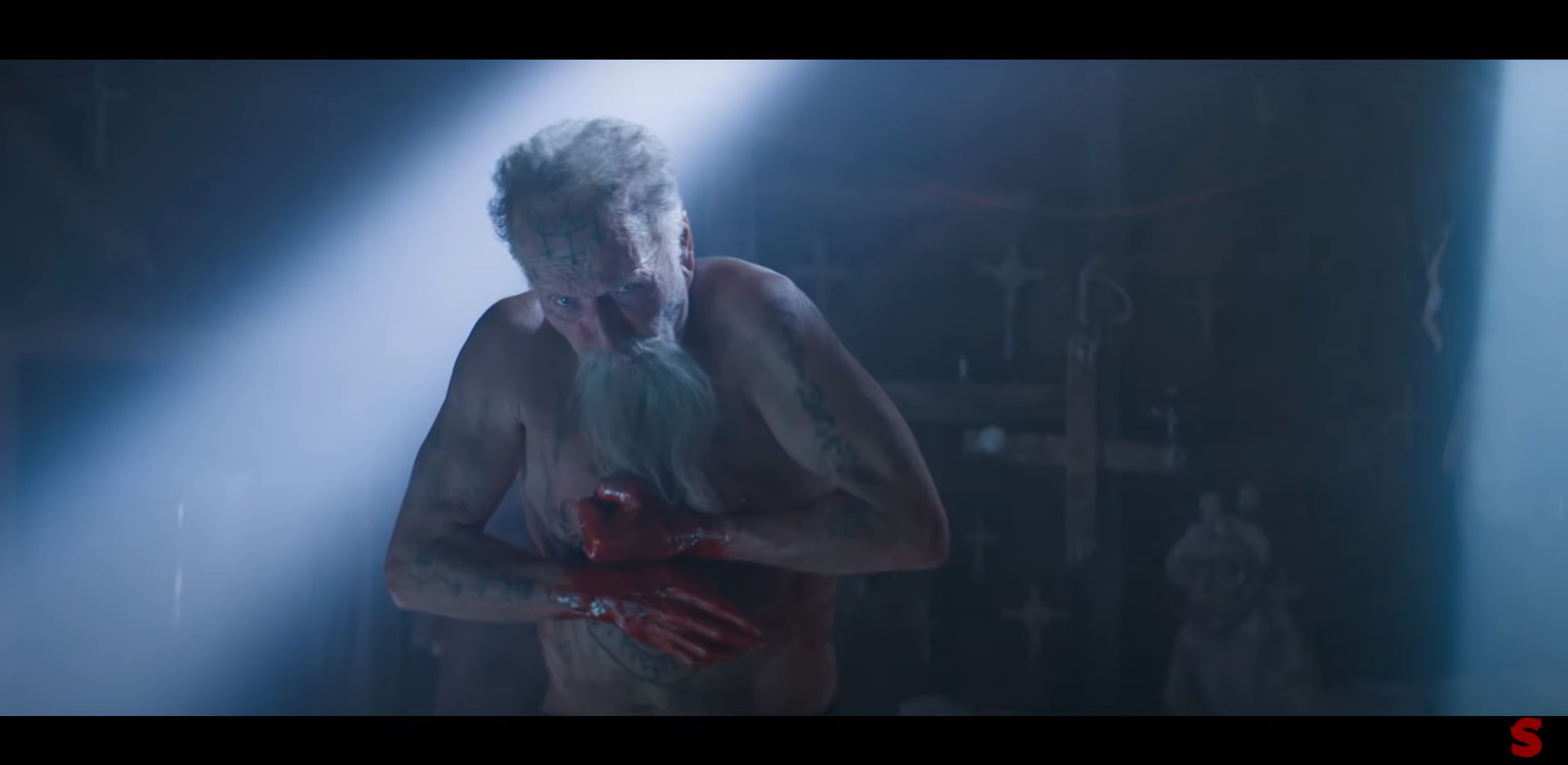
In the golden age of late-night television shows, Jack Delroy was one of the hottest late-night comedians and talk show hosts of the early 1970s, only to be beaten out by inches by rival talk show host Johnny Carson every year.  By 1977, Delroy’s viewers and popularity on his show Night Owls was slipping after multiple failed attempts to revive the show’s viewership figures and to hit the number one spot for syndicated station UBL during sweeps week year after year.  That years Halloween episode, during the sweeps week, would promise to be one to be remembered when Delroy brings a medium, a magician-turned-magician promulgator, a paranormal psychologist, and her adopted subject, a young girl who was the last known survival of a Satanic cult.  While the lineup entertains the live audience and those viewers at home throughout the night as well as being excellent for the ratings game, Halloween thins the layer between the real world and the supernatural world and an awry demon summoning goes horribly wrong, caught on the station’s camera, and with Jack Delroy and his guests caught in the middle.

If you’ve never had the pleasure of seeing “100 Bloody Acres,” the 2012, underrated Australian comedy-horror has a fine entertaining balance of black humor, gore, and suspense.  The directors behind the little-known venture, brothers Cameron and Colin Cairnes, may not have moved the needle with their debut feature in Australia, nor globally for that matter, but their latest, a 1970s, found footage, period piece surrounding demonic catastrophe on live television entitled “Late Night with the Devil,” carries with it significance and growth, personally and globally.  Having also written the script, the Cairnes recreate a time period when television use to capture grotesque and jarring images to shock the masses in full, unbridled color through the whimsical lens of a late-night television show.  In a production company opening that seemingly would never end, “Late Night with the Devil” is a conglomerate effort from IFC Films, Shudder, Image Nation Abu Dhabi, Spooky Pictures, Good Fiend Films, AGC Studios, VicScreen, and Future Pictures and produced by Adam White, Steven Schneider (“Trap”), John Mulloy (“Killing Ground”), Mat Govoni, Derek Dauchy (“Watcher”), and Roy Lee (“Barbarian”).

In order for “Late Night with the Devil” to work, the Carines brothers needed a principal lead to understand what it means to be a charismatic and funny host of 1970s late night television.  They found niche trait in “The Last Voyage of the Demeter” and James Gunn’s “Suicide Squad’s” David Dastmalchian who is an adamant man of horror himself from genre scripts, articles, and comic books to being a horror themed host himself as Dr. Fearless hosted by Dark Horse comics.  Dastmalchian plays a different sort of host for the film, a quick-wit, neat as a pin, and handsome Jack Delroy who has lofty goals of elevating his show to the number one spot in the domestic market.  Early success drives Delroy who will do anything to outscore late night king Johnny Carson but when his wife (Georgina Haig, “Road Train”) falls ill and dies early, the ratings battle slows for Delory’s show until his return to try and revive glory with kitschy content.  Halloween 1977, sweeps weeks, proves to be a chance for Delroy and his manager (Josh Quong Tart, “Little Monsters”) to spice things up with phantasmagoric guests in Christou (Fayssal Bazzi), an arrogant former magician turned cynic (Ian Bliss, “The Matrix Reloaded”), and a paranormal psychologist (Laura Gordon, “Saw V”) and her adopted subject Lilly, the debut feature-length film of Ingrid Torelli.  Aside from Chicago-born Dastmalchian, the rest of the Australian production is casted natively and do an impeccable vocal mimicry of an American accent while stunning and convincing in their respective roles, especially for Torelli whose piercing blue eyes, rounded check line, and gently raspy voice gives her an uneasy accompaniment to her off-putting innocence that works to the story’s advantage.  The cast rounds out with key principal Rhys Auteri playing Jack Delroy’s quirky sidekick host Gus McConnell whose story progression trajectory borders the voice of reason ironically enough and without McConnell and Auteri’s spot-on depiction of host announcer and comedic adjutant, there wouldn’t be steady fidelity for those who grew up on late night TV.

Late night TV essence is beautifully captured with mock production set of a 70s television studio, acquired era garbs, costumes, and accessories, and performances that provide a real flavor for programming of that time, and I would know as I would obsessively glue my attention to Johnny Carson reruns at a young age in the 1980s to early 90s.  The Cairnes and director of photography Matthew Temple deploy a studio reproduction of a three-way camera system to unfold the carnage; yet the forementioned behind-the-scenes moments in between live-air tapings feels forced, unnecessary, and artificial to the story with a lack of explanation to who and why these in-betweens are being done.  The black-and-white scenes vary in cameraperson positions from behind the coffee and snack table, behind fake floral, or just right in their face that steals from the live-tape realism.  What then ensues when the demonic light beams from one of the guest’s split open head does redirect attention to the psychokinesis death and destruction and this removes those behind-the-scenes fabrications with a replaced personal, interdimensional Hell for Delroy, shot in a more conventional style outside the confines of found footage under omnipotent means.  Cameron and Colin’s part-documentary, part-found footage, and part-conventional efforts prologue the story with an out, one that sets up connections to link violence on a single character lightning rod with maximum collateral damage, and that lead up of information almost seems trivial but works to the advantage on not only the character’s background but also generates a real spark of juicy, full-circle, nearly imperceptible greed that comes with a cost. 

Second Sight Films knows a good movie when they see one and quickly snatches up the rights to release “Late Night with the Devil” on a limited-edition, dual-format collector’s set.  The UK distributor’s 4K UHD and Standard Blu-ray combo box comes with an HVEC encoded, HDR with Dolby Vision 2160p, BD66  and an AVC encoded, 1080p high-definition, BD50, both formats decoding at a refresh rate around 24 frames per second and presented in the three aspect ratios to reproduce 70’s era television ratios with a 1.33:1 and European ratio 1.66:1 as well as seldomly switching to a 2.39:1 widescreen for more down the rabbit hole sequences.  Much like the variety of aspect ratios, an intentional ebb and flow design between color and black-and-white draws demarcating lines from the colorful live tapings to the monochromic backstage footage after the live cameras stop broadcasting.  To help lift the period piece, three-way studio cameras film within a broadcast simulated fuzzy aberration, interlacing or analog abnormalities, and color reduction used to flatten out the vibrancy some, just enough to be perceptible, until the transcendental camera takes hold and the color because richer, glossier in a moment of unclear clarity.  Textures are often lost in the fuzziness but emerge better out of the backstage footage and the eye-in-the-sky scenes.  The lossless English language DTS-HD Master Audio 5.1 adds an eclectic charge to the mostly grounded television broadcast, rooted by a single set nearly most of the duration.  In frame band elements and instrumentation adds that upbeat and jazzier score denoting late night introductions and commercial breaks.  Vocals are often muffled when viewing the show on a screen and in depth but becomes more robust and clearer when switched to camera angle; this goes hand-in-hand with the dialogue which is clear and acute when needed.  The demonic presence can come off as artificial but still manages to work within the construct.  The range is impressive for a single setting that sees audience’s reactions and loop tracks, the hustle and bustle of backstage when off air, spontaneous combustion, sickening wrangling of bodies, and, naturally of course, a blazing beam of light.  English subtitles are optionally available for the hearing impaired.  With Second Sight’s limited-edition contents, you know you’re getting your money’s worth in exclusives.  Both formats include bonus features, which is surprising considering the UHD takes up a lot of space.  These features include a new audio commentary by film critics Alexandra Heller-Nicholas and Josh Nelson, a new interview with The Cairnes brothers Bringing Their ‘A’ Game, an interview with actor Ian Bliss Mind if I Smoke?, an interview with actress Ingrid Torelli We’re Gonna Make a Horror Movie, an interview with actor Rhys Auteri Extremely Lucky, a video essay entitled Cult Hits by Second Sight content creating regular Zoë “Zobo With A Shotgun” Rose Smith, behind-the-scenes, the making-of the Night Owls brassy band music, the SXSW 2023 Q&A panel with star David Dastmalchian and directors Colin and Cameron Cairnes.  Limited-edition contents come with a rigid, black slipcase of minimalistic but effective artistic work of Jack Delroy and the devil’s pitchfork complete with pentagram on the backside.  Inside the slipcase is a tall, media jewel case to hold both discs on each side, each represented with a story character in front of black backdrop.  A 120-page color book provides new essays by Kat Hughes, James Rose, Rebecca Sayce, Graham Skipper, Juliann Stipids, and Emma Westwood, plus storyboards, costume designs, and a behind-the-scenes gallery.  Lastly, there are six 5 ½’ by 7” character collector cards.  Second Sight’s Blu-ray release is hard encoded region B playback only but the 4K is region free with both formats clocking in with a runtime of 93 minutes and are UK certified 15 for strong horror, violence, gore, and language.

Last Rites: Once again, Second Sight Films clearly has their eyes on the prize and contributes to dishing out the best possible transfers and exclusives when considering physical media. Their latest, “Late Night with the Devil,” is no longer the host but the hosted with a tricked out limited-edition set best watched from under the sheets late at night and thoroughly enjoyed within its special features after the film credits roll.

Check Out the Package on Second Sight’s Latest Limited Edition – “Late Night with the Devil!

The Elfmans’ EVIL Doomsday Droll! “Aliens, Clowns, and Geeks” reviewed! (MVD Visual / Blu-ray)


“Aliens, Clowns, and Geeks”, oh my, now on Bluray home video!

A struggling Los Angeles actor finds himself in an intergalactic dilemma when a interdimensional portal opens from his asshole and spits out the obelisk, a large, pointed top icon that holds the key to ruling the universe.  Evil space clowns and extraterrestrial beings rocket toward Earth to be the first to intercept the obelisk and remotely manipulate people to their way to try and snag the long-ago inseminated artefact.  In order to save the world, maybe even the universe, from the catastrophic misuse of the obelisk, the actor calls up on his transgendered brother – excuse me – his sister, a professor with expertise in interdimensional relics, and a pair of beautiful Swedish scientist assistants all the while avoiding biker space clowns, ditzy blonde sex bots, the Chinese mafia, and a secret U.S. government agency from getting their greedy hands on world-dominating or word-destroying ass statue. 

Having sat through and contemplated Richard Elfman’s bizarrely fascinating “Alien, Clowns, and Geeks,” I found myself washed over with deep regret. Regret is not in the one-sit watching of a 90-minute sci-fi comedy about a monolithic sphincter stone being a weapon for universal domination by space clowns and incorporated green men from outer space or the key for green, sustainable energy worth lucrative wealth for possible one out-of-work C-lister. The regret stems from not having watched beforehand Richard Elfman’s first experience with total creative control in his kaleidoscopic chaos a surreal fantasy “Forbidden Zone” from 1980 that has placed the filmmaker on the map as a cult director and the musical film itself retains breath and life through theatrical stage plays across the nation. Nearly 40 years later, the harebrained and mad genius mind of Richard Elfman churns a return to his unadulterated cinematic artform with no producers or studios to infringe upon his certifiable craft. Elfman writes and directs the Unfound Content (Bernie Stern, “What Josiah Saw”) and UnLtd Productions produced Elfmaniac Media production.

Who better to be your leading man of action versus the opposing forces of interplanetary evil than your own flesh and blood?  Richard Elfman casts his son, Bodhi, to take the lead as struggle actor Eddy Pine, crestfallen by his recent television series cancellation that derailed his promised financial success and famed lifestyle.  Bodhi Elfman plays to the tune of comic-action star fairly well, delivering perfectly timed high-pitched screams when prompted while still conveying a suave persona as a smooth-talking ladies’ man that bags one-half of the Swedish scientist twins, Helga Svenson (Rebecca Forsythe, “Replace”), to be the perfect combination of brains, beauty, and junkyard Kung-Fu.  Helga, and her sister Inga (Angeline-Rose Troy) are assistants to the great and all-power, well…not all power, (German?) Professor von Scheisenberg in a likeable, rememberable performance from “3rd Rock form the Sun” sitcom actor French Stewart.  In this favorable group of eclectics, world-saving heros, my personal favorite is Jumbo, the politically incorrect, yet well-represented, LBGTQ sister of Eddy Pine played the large frame build of Steve Agee (“Suicide Squad”) who, like a good chunk of Eflman’s cast for the film, takes on a dual role as a God-fearing goon dressed in a giant chicken suit for his boss Fritz the two-timing German clown (Nic Novicki, “The Sinners.”) The circus-esque troupe continues to careen toward Earth in a prototypical rocket ship full of clowns, literally, in what can be seen as an offshoot homage to “Killer Klowns from Outer Space”. The rocket is captained by “Pirates of the Caribbean” franchise actor Martin Klebba, but the boss in the big shoes, clown shoes that is, is worn by the late Vern Troyer (“Pinocchio’s Revenge”) in his last role, a role royal bestowed upon him as Emperor Beezel-Chugg. Granted, much of the emperor is played through Nick Novicki’s Fritz as Beezel-Chugg sends his conscious down to Earth to beat out the aliens from obtaining the obelisk. “Aliens, Clowns, and Geeks” has a monster supporting cast for an indie film that rounds out the list with Richard Elfman’s wife Anatasia Elfman in various roles, George Wendt (“King of the Ants”), Malcolm Foster Smith (“Parasomnia”), Marco Antonio Parra, Victor Chi, Andre Ing, Erwin Stone, and Raul Colon.

If “Aliens, Clowns, and Geeks” sounds to you like an unfurling Warner Bros. ACME production full of dropping anvils and pseudo-tunnels, you’re not alone. Elfman’s romping comedy is chockful of clowns, cigars, and sex tropes, mostly elements pulled from the director’s hyperactive brain and basking recreations that fit his outlandish selfhood. The film very much fits the man behind the camera as an off-color, atypical, crude humored, red-headed fireball zipping-and-zagging in a multitude of directions. Yet, despite the frantic antics and the crazy characters, “Aliens, Clowns, and Geeks” retains its composure as a three-act tale of redemption where one man can be the hero of his own destiny depending on the path he chooses in his seemingly despondent life where he’s lost his career, his mother’s a slutty crackwhore, and a large stone has expelled itself from his anus, creating a rift between a difficult decisive choice of short term wealth or long term doom. Pulling much of his science fiction inspiration from the 1957 “Plan 9 From Outer Space,” Elfman manages a vast, epic showdown of invading alien threats against an unsuspecting human contingent with very few locations, zipped to to-and-fro with comical orchestration, that usually fashions a feeble story structure of sitcom-syndrome weariness, but not with these colorful characters with their unconventional and unmethodical praxis that defy all logic and sensibility. Off the bat, “Aliens, Clowns, and Geeks” has menial building blocks but, if you stick with it, the film does grow on you, stimulates the endorphins of your inner child, as a live-action recollection of a Saturday morning cartoon but for adults.

Enter the maniacal mind of Richard Elfman with the MVD Visual Blu-ray release of “Aliens, Clowns, and Geeks.”  Presented in a widescreen, 16×9 aspect ratio, the digitally recorded video has no telling compression issues onto the AVC encoded pressing.  Most of the superimposed cartoony special effects are simply just that due to stylistic choices or budgetary constraints and, either way, add they greatly add to Elfman’s carnivalesque approach to clowning around.  The English 5.1 surround sound discerns no apparent issues other than a slight tuning leveling issue when someone screams as pitch level goes muted a bit.  Other than that, dialogue is clean and clear.  The music genius of Danny Elfman (“The Nightmare Before Christmas,” “Beetlejuice”) and newcomer Ego Plum, who brings with him a melody of cartoonish influences and unconventional inspirations, create a unique sound that attests to “Alien, Clowns, and Geek’s” upbeat and caricature antics.  Optional English subtitles are available.  Special features include behind-the-scenes interviews that give the cast and crew their 5 minutes recollecting works with castmates, Richard and Danny Elfman, and their total overall experience, a quick and fast-paced interview from Richard Elfman who quickly disgorges his ideas and desires, along with his heartful opinion, about the film, the music video for Ego Plum’s “Mambo Diabolico,” which you can see at the end credits, and the original theatrical trailer.  “Mambo Diabolico” is definitely a good description for Richard Elfman’s far side sci-fi comedy that’s too Ed Wood for even Ed Wood himself.

“Aliens, Clowns, and Geeks”, oh my, now on Bluray home video!

A Cop, a Paranormal Investigator, and a Priest Walk Into an EVIL Extermination Plan! “Belzebuth” reviewed!


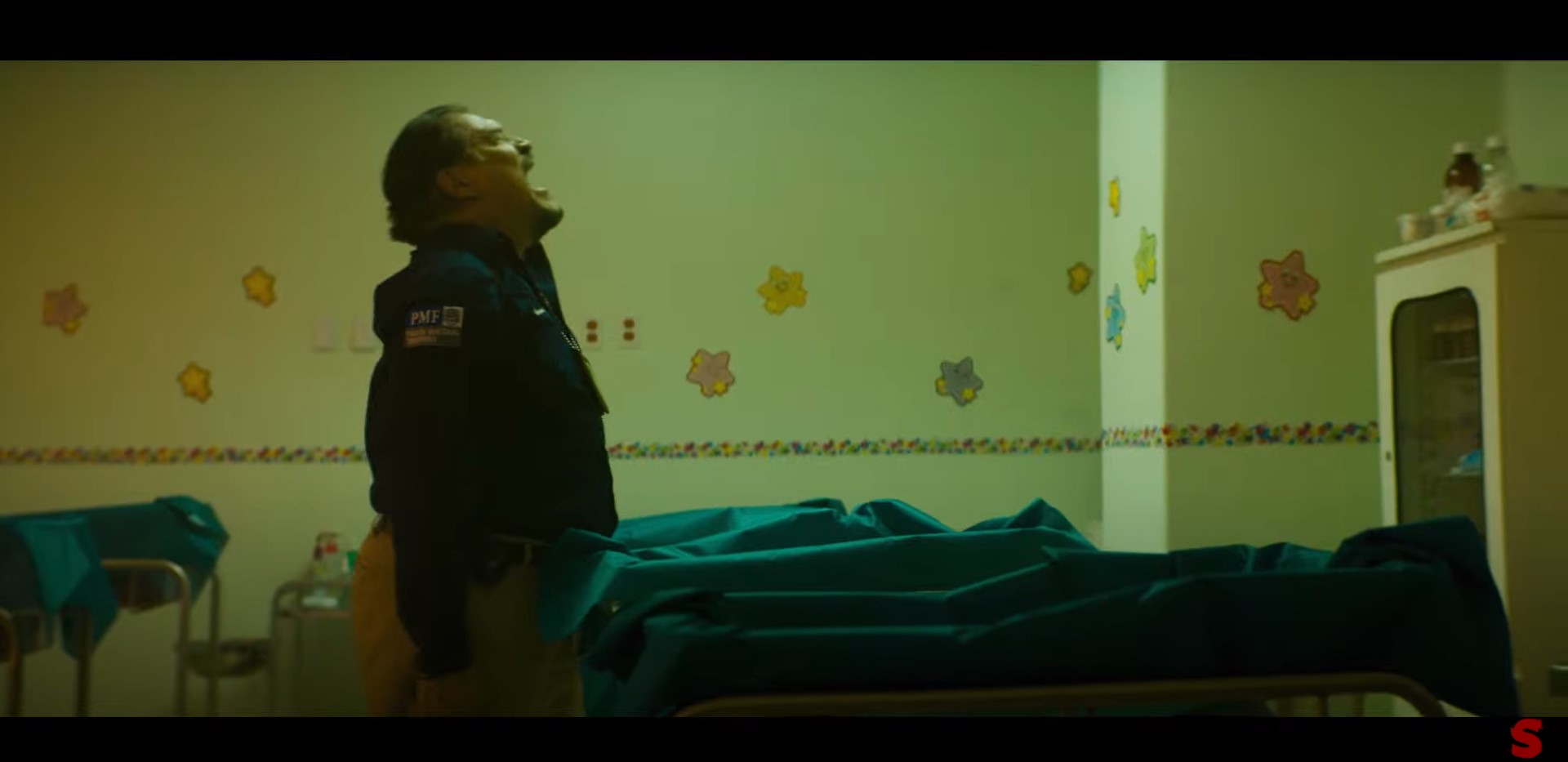
The joy of a new baby is cut short for Detective Ritter who bares the tragedy of his little boy viciously killed in a massacre of nursey infants by a psychotic nurse before taking her own life.  Five years later, and losing not only his child but also his wife to severe depression, a disheveled Ritter is called in to investigate a mass murder involving a 12 year old boy slaughtering young children in a preschool classroom.  To him, the two events don’t spark similarities, but to a paranormal investigating Catholic priest, Ritter’s tragedy and the events in the classroom are linked by the unorthodox priest’s examination.  All the evidence points to an excommunicated Catholic priest practicing demonology that sends the two men down a path of unholy darkness in a series of murderous catastrophes influenced by the rebirth of the Messiah.

When the first scenes from “Belzebuth” open with a maternity ward nurse stabbing with vigorous force every single infant child in their crib with a scalpel, you know nothing wholesome is sacred and everyone is fair game in what is to be a grim story of infinite barbarity and darkness.  “Belzebuth” falls in the line of fire of Mexico City born writer-director Emilio Portes with an augmented, dark humored social commentary loaded with evil entities and grimace-laden gore.  The “Meet the Head of Juan Pérez” filmmaker cowrites “Belzebuth’s” irrational rational for the unfortunate real world trend of mass murders and touches upon, sensationally, the evolution of Catholicism extremities to battle evil in the world with first time feature length film screenwriter Luis Carlos Fuentes.   The Mexico/American film is produced by Rodrigo Herranz, Michelle Couttolenc, and Jaime Basksht, with Ana Hernandez as executive producer and Pastorela Peliculas in cooperation with patriotic promotion from the Instituto Mexicano de Cinematografia, aka IMCINE, serving as the production companies.

If you Google Mexican actors, the power of artificial intelligence and ignorant manual input couldn’t separate Mexico form any other Latin American country as the powerhouse search engine provided me results like Danny Trejo, John Leguizamo, Jennifer Lopez, Javier Bardem, and Penélope Cruz.  Now, while I respect each and every one of these performers who provide a variety of lush character and emotional erudition to each of their roles, not one of them is born in Mexico.  Some that listed do not even share the same heritage.  But do you know what the most astonishing, most outrageous, and most shameful aspect of my search was this?  The Tepic, Nayarit, Mexico born Joaquín Cosio was not among the top 50 results.  From captivating television with Guillermo del Toro small screen adaptation of vampiric apocalypse of “The Strain” and the intense drug-fueled drama of “Narcos: Mexico” to his Hollywood presence in the star-studded, James Gunn directed “Suicide Squad” to his humbler beginnings that includes Bond, James Bond, in “Quantum of Solace,” Cosio’s a strong and versatile candidate for intense thrillers and “Belzebuth” is right in the actor’s wheelhouse as a downhearted Detective Rigger with a short fuse.  As a supernatural skeptic, Ritter’s forced into confronting his past demons with the demons of the present by tracking down rogue priest Vasilio Canetti (Tobin Bell, “Saw” franchise) with the help of Father Ivan Franco (Tate Ellington, “Sinister 2”) of the Paranormal Forensic Department, which sounds kind of silly because Franco’s squad is an extension of the Church.  Bell brings his delightful deadpan bedside manner as the excommunicated priest in guerilla warfare with a determined, demonic evil trying to massacre as many children as possible to find the reincarnated Messiah in what would be the Third Coming as the Second had come and failed during the Crusades.  Bell is the yin to Cosio’s yang until circumstances rear-end last ditch efforts and all Hell breaks loose in a drug smugglers’ tunnel.  Aida López, José Sefami, Yunuen Pardo, and Liam Villa round out the cast.

If possession-fueled carnage and the antiheroic archetype weaponizing demonology for good tickles all the right places, “Belzebuth” can be the feather tickler of dreams.  Fans of Clive Barker’s “Lord of Illusions,” Peter Hyams’ “End of Days,” and the graphic novel “Constantine” can indulge into Portes’ explicit nihilism and lack of public conviction in religion in the director’s allegoric telling of something really big and really satanical happening right under people’s noses while a small motely crew of conversant peons try to stop a wall of Deviltry.  Portes also consistently touches upon Mexico’s unsystematic corruption, even among Ritter and other protect and serve officers, and the once firm-handed political system of the Institute Revolutionary Party (PRI) as potential cause for all the suffering enacted demon-rooted abscessations.  The mentioning of drug cartels pop up frequently, too, symbolizing the seemingly random acts of violence are just never just random acts, but an perpetrated hit on a human target much like the cartels’ unsavory methods to either take out competition, eliminate obstacles, or to silence whistleblowers.  Portes does a phenomenal job using his film as an allegory in making a political statement but lacks balance in favoring gore over profile with some characters who rather feel written in just for the sake of a broader English audience.  Father Ivan Franco is such character with interesting combinational vocations as a paranormal investigator and a holy man of the cloth.  Yet Franco, who wields a gun and has supercool video and audio recording specs, spearheads a larger suborganization shielded away from the public eye and, unfortunately, the viewer eye that never feels like a cog in the entire “Belzebuth” machine.  Franco and his team of spook-sleuths, who, by the way, vanish completely from his side early into the investigation, supposedly follow and investigate peculiar tragedies connected to misaligned presences leaving spiritual residue on the real world plane, but how his team comes about connecting the dots exclusively to just the first two tragedies, five years separated, is a bit of stretch and a letdown in fabricated continuity and weight behind Franco’s existence to be involved.  Pockets of plot holes pop up here and there on other facets but generally speaking, “Belzebuth” works black magically as a spiritually and culturally vivisecting detective thriller.

The Shudder original 2017 release, “Belzebuth,” scares up onto an UK Blu-ray release from Acorn Media International. The region 2, PAL encoded, single layer BD25 presents the film in a widescreen, 2.35:1 aspect ratio, with a runtime of 109 minutes.  Ramon Orozco’s cinematography flashes with a gorgeous red and blue color palate that fits the iniquitous tone and adds an ethereal, hazy backlighting to only enhance the tone to more sinister levels.  Acorn’s Blu-ray sharpens Orozco’s already byzantine schemes that enriches the details in the skin as well as a the sacred relic artifact-cladded locations that become claustrophobic and entombing.  Even Juan Martínez Espín visual special effects casts a solid effort of barely a smooth surface computer generated phoniness, especially in one crucifying scene of psychological torment.  You’ll know it when you see it.  “Belzebuth’s” powerful Dolby Surround 7.1 audio track is an assault on the eardrums of the best kind with a husky, industrial melodic soundtrack and hefty sound design with accompanying diverse range and proper depth that could be described as literally placing every creak, stab, and cackling laugh sound right into the darkest corners of your ears.    An unfortunate surprise about the Acorn release is that there are no special features aside from the animated menu that is essentially chaotic “Belzebuth’s” trailer plastered with menu options.  Possession films tend to stale at a dime of dozen, but Emilio Portes’s freshly terrifying “Belzebuth” entertains and scares to the very last morsel.

EVIL Should Have Never Pissed Off One Uncontrollable, Raging Chick! “Jolt” reviewed! (Amazon Studios / Digital Screener)


Intermittent Explosive Disorder.  It’s an unstable condition Lindy Lewis has lived with her entire life where the little annoyance can set her into a murderous rage.  High levels of cortisone give her extra stamina, increased strength, and an endless stream of undaunted courage.  Mix all of that with her antisocial behavior and a variety of special, military grade, skillsets, Lindy can be one of the most deadliest humans if you happen to piss her off.  To control her temperament, an unorthodox psychiatrist designs an self-inducing electroshock harness that provides Lindy at jolt of electricity to snap her out of a potential bloodthirsty rampage, but when she finally finds a man pleasing in every way , a man who can keep the volatile emotions at bay, his sudden murder sends her into a vindictive slaughter of anyone involved with his death. 

“Shoot’em Up” meets “Crank” in Tanya Wexler’s unbridled tempest, “Jolt, that features an eclectically (and electrifying) international cast dropped into a graphic novel noir of femme fatales and organized crime.  The “Relative Evil,” aka “Ball in the House,” Wexler directs the 2021 released revenge narrative from a vivacious script penned by Scott Wascha as the writer’s debut feature length credit.  Filmed oversees in Bulgaria, “Jolt” is a melting pot of explosions, street fighting, and Hell hath no fury like a woman scorn under the production banner of Avi Lerner’s typically entertaining, yet hit-or-miss Millennium Films in collaboration with Busted Shark Productions, Eclectic Pictures, Nu Boyana Film Studios, and the “2001 Maniacs” series’ Christa Campbell and Lati Grobman company, Campbell-Grobman Films.

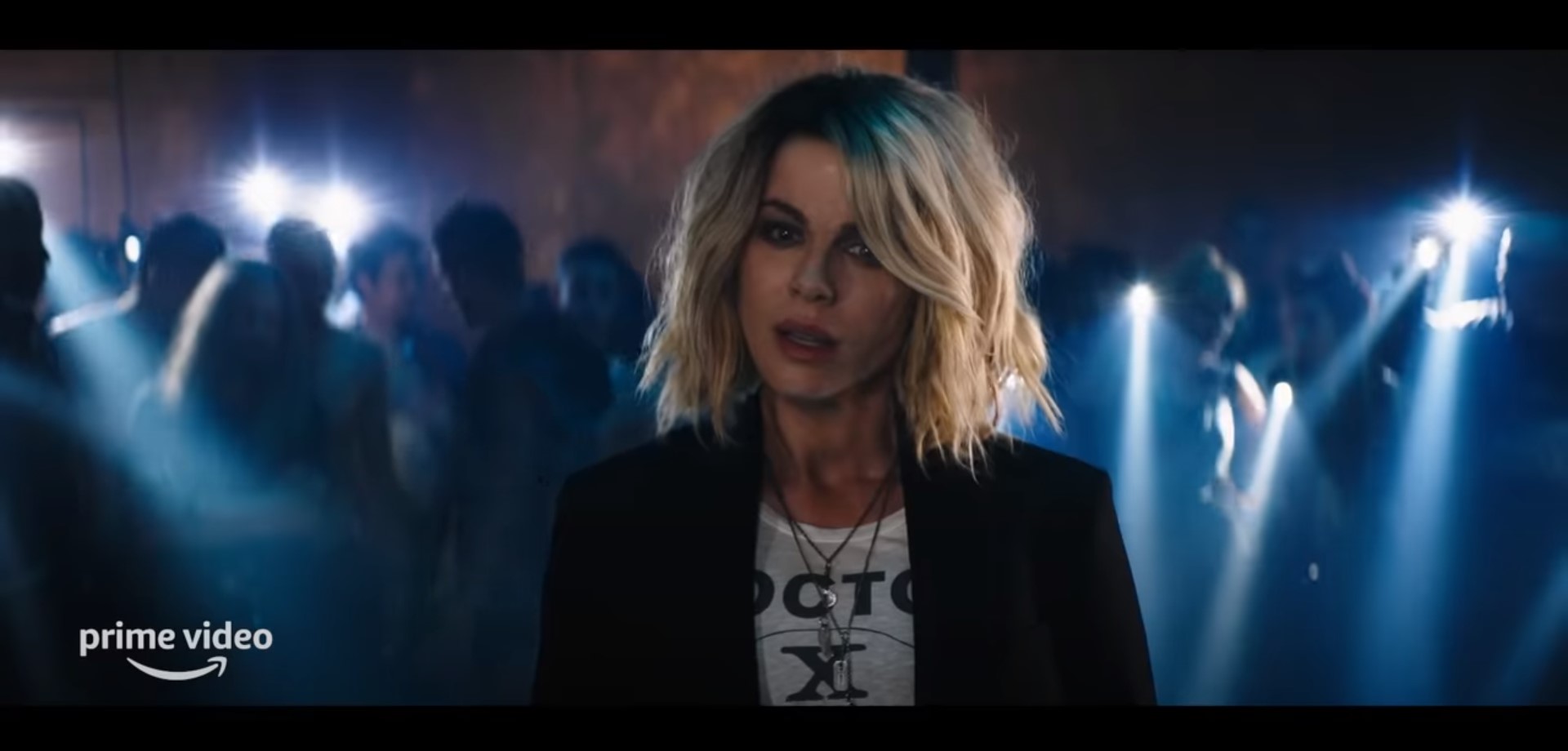
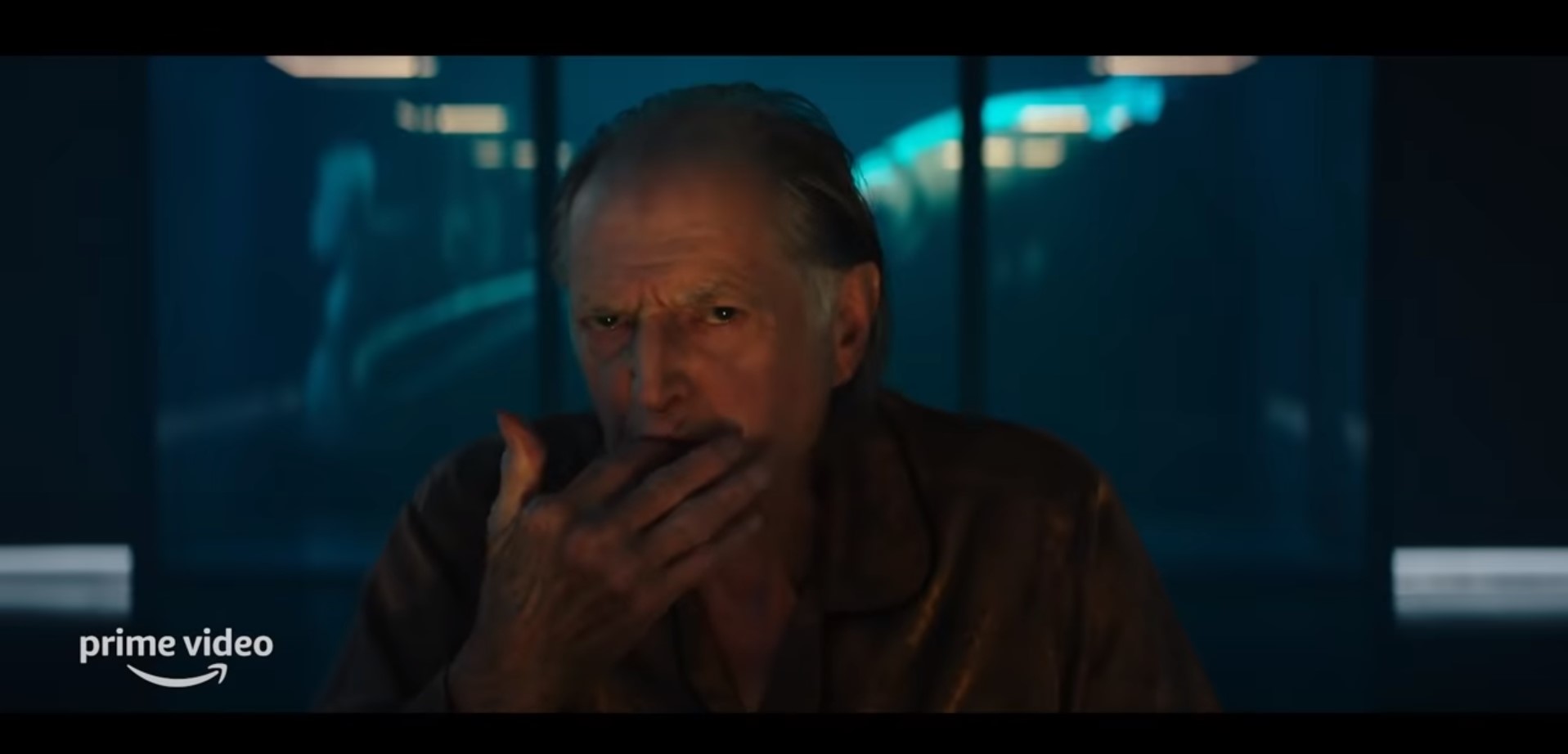
As if she never stopped playing the sleek vampiric werewolf huntress, Selene, of the “Underworld” franchise, Kate Beckinsale is stunning.  And I don’t just mean her timeless and ageless beauty as the English actress, who is living her best life at the latter half of her 40’s, proves that age is just a number in executing a physically demanding role with nearly every scene involving stunt work.  Unlike the gun-toting Selene, Lindy Lewis prefers her bareknuckle combat and a car battery alligator clipped to an old man’s genitals to get what she’s after.  Beckinsale plays the role beautifully equipped with a sharp, snarky tongue that’s pretty damn funny, well-timed, and consistently befitting to the Lindy’s personality.  “Jolt” has many colorful characters played by interestingly elected actors.  “Suicide Squad’s” Captain Boomerang himself, Jai Courtney, finds himself as the unlikely sedative lover, Justin, to counteract Lindy’s explosiveness.  The Australian actor, who is more than a decade junior to Beckinsale, fills in “Jolt’s” ranks alongside the gruffy-raspy voiced Argus Filtch, I mean David Bradley (“Harry Potter” franchise), as the top-tiered bad guy who stamp-approved the hit on Justin.  Along the way, a pair of tenacious detectives pursue the wrongly accused Lindy as a welcoming pair polarized on how to bring in their suspect that isn’t based off corruption with “Orange as the New Black’s” Laverne Cox as the by-the-book cop and “Snakes on a Plane’s” Bobby Cannavale as a cop with a softer side for the pursued.  “Jolt” rounds out with Ori Pfeffer (“Shallow Ground”), Sophie Sanderson, Susan Sarandon (“The Rocky Horror Picture Show”) in a minor role, and versatile Stanley Tucci (“The Lovely Bones”) as the electroshock harness inventor and psychiatrist, Dr. Munchin.

While it sounds like I’m singing high praises for Wexler’s film that does indeed have an amazing cast, quick wit performances, can be funny, and great action, I find “Jolt” to be lacking that little Je Ne Sais Quoi as the French would say.  Maybe the breakneck speed story that follows an illogical and nonsensical means of progression overloads the system to where you fry out your organic circuit boards trying to keep up with Lindy’s investigative warpath.  Aside from the fact that figuring out what happened to poor Justin is no mystery, an overexploited trope spanning from every era of cinema, our heroine also nonchalantly strolls right into the middle of crowded street fights, police stations, and in and out of explosions with every aspect of her hell hath no fury like a woman scorned purpose seeming too easy without anything rewarding stemming from difficulty that surrounded her, leaving no tension to salivating over or achieve relief from her impossible no way out scenarios.  Even when Lindy is easily captured, tied to a torture chair, and still mouthing off to her captor, the bad guys still let her go…on purpose!  (enter mind blowing up here)  Speaking of things going boom, the limited visual effects work renders like a cheaply made for television spectacular, especially with the explosive finale ofan inferior inferno ball of combustion and flames composited over top the endgame skyscraper locale.  I have never loved and hated a film as much as I do “Jolt” and will have to wait until the – assumed – pipelined sequel to break this torment of indecision.

What might be considered to be vague and entertaining euphemism for addiction, “Jolt’ is high powered narcotics injected right into the sensory nervous system.  The Millennium Films feature will broadband across Amazon’s Prime Video streaming service on July 23rd under the Amazon Studio’s banner.  “Krampus” director of photography, Jules O’Loughlin, brings a chic and symmetrical contemporary noir to the look, using a not so severe fisheye lens to emphasize centered characters while wrapping the fluorescently lit background ever so slightly around them. Best scene is the torch lit brawl, tinted in a blue-purple shade, that makes for a simple yet grander cockfight. The steadycam work anchors down more of the fast paced punch’em, kick’em fight sequences which is a credit to O’Loughlin in making the scenes work for the audiences instead of the audience working to make out the scenes. Dominic Lewis caters the soundtrack’s pulsing electro score that does the trick by keeping up with the whiplash pacing, but barely sneaks in there as Lindy’s anthem to clean house. “Jolt” leaves Lindy’s book entirely unfinished with a well-knowledgeable human wrangler in Susan Sarandon to segue audiences into a possible sequel that will start off looking not too promising for our asskickin’ heroine. While there are no post-credit scenes, there is a slightly humorous, slightly minor character fulfilling bonus scene to looking for mid-credits. “Jolt” needs a little jolt itself in some areas of considerable concern, but the fast paced action doesn’t bore, the clever wit has endless sardonic charm, and there’s a little something for everyone to enjoy.

Watch “Jolt” on Prime Video coming July 23rd!  Dropping This Thursday!

Being Slobby Drunk Doesn’t Excuse EVIL Deeds. “Promising Young Woman” reviewed! (Focus Features / Digital Screener)

On a weekly basis, Cassandra hits the night clubs and drinks herself into a stupor.  A male “Good Samaritan” will come over to assess her well being only to be selfishly determinedly for her to return to his place for a nightcap.  When on the verge of passing out or too immersed in drunken lethargy, the man makes his move with uninvited, unwanted show of handsy affection.  That’s when Cassandra springs her trap.  Feigning inebriation, the clearheaded Cassandra rouses a sobering, befuddled moment of blank expression, misplaced justification, and anger when the man’s seemingly easy lay catches them in an unsolicited sexual violation.  Her traumatizing past has molded her to become very good at pretending to be vulnerable until hearing a familiar name of a man, long thought to be out of the country, sends Cassandra down an itemized path of vengeance that not only includes ruining the life of the source of her unorthodox, yet necessary, campaign but also clump in every facet associated in with his shining existence.

If you needed a slap across the face in order to reassert yourself from the painful numbness of incessant news stories of young women being the vilified victims of sexual assault then “Promising Young Woman” is a stinging hot whack of four fingers, a thumb, and an open palm of wake the hell up!  From Emerald Fennel in her debut written and directed full length feature film comes a blunt narrative of systemic injustice involving rape and the social delusions stemmed out of grades of maturity, lengths of time, and levels of alcoholic drinking.  Coming off fresh from her recent role on Netflix’s period biographical drama, “The Crown,” Fennel draws motivation for her black comedic thriller from the infamous Brock Turner case of sexual assault on Chanel Miller that turned into a conviction judgement with abhorrent caveat in his early release for good behavior that the white, educated, star athlete’s life shouldn’t be destroyed because he’s a promising young man [sic].  “Promising Young Woman” targets every broken system that is meant to protect violated women despite their socializing determined conscious or unconscious state of affairs and has some mega star powers producing the social commentary material in such with “Suicide Squad” and “Bombshell” star, Margot Robbie, under her co-founded LuckyChap Entertainment along with the film’s star, Carey Mulligan, as executive producer. FilmNation Entertainment’s Glen Basner and Ben Browning fully finance the first real award contender of a 2021 release.

“Promising Young Woman” has an all-star, diverse class of actors surrounding principle lead, “Drive’s” Carey Mulligan as the methodically standoffish Cassandra, caught in a web of denial, self-depreciation, and straight up ignorance of the hurt caused directly and indirectly to whichever means to satisfy their own different shades of gray conscious. Mulligan is terrific as a coarse character rare to be juxtaposed against a veneer of bubble-gum chic with a reserved demeanor outside her burning the midnight oil working hours and coming out like a ferocious grizzly bear when calling out club scouting douchebags on their objectionable behavior. When Cassandra crosses paths with Ryan, comedian and “Eighth Grade” writer and director, Bo Burnham, Mulligan’s range is tested to take that disinterested and glassy eyed crusader and turn to a state of daily conformist complacency, the very dangerous thing Cassandra seeks to rectify one man after another, that slips Cassandra out temporary from her anti-heroine role until her dolled up, doughy eyes snap toward the camera and into a kill mode that goes straight for the pervert’s throat. An inclusive cast speaks volumes on not only how “Promising Young Woman” incorporates different ethnic and genre backgrounds and ages, but also doesn’t throw man to completely under the bus as Satan’s puppet on Earth with performances from Laverne Cox (“Orange is the New Back”), Alfred Molina (“Spider-Man 2”), Jennifer Coolidge (“American Pie”), Clancy Brown (“Starship Troopers”), Adam Brody (“Jennifer’s Body”), Christopher Mintz-Plasse (“Kick-Ass”), Alison Brie (“Scream 4”), Connie Britton (“American Horror Story”), and Molly Shannon (“Hotel Transylvania”).

“Promising Young Woman” wields a powerful theme to shed a brilliant light on everything that is fragmented with the way sexual assault accusations, trials, and punishments are handled.  The film also probes deep into the soul in how people who are not directly affected digest sexual assault but become accomplice in proximity in a range exhibited from complete, unnerving guilt to locking away the events in their mind in order to forget.  Fennel plausibly fashions a motif of passing judgement from assailant to victim while chiseling out the flawed logic in each deplorable excuse as to why a University Dean, a defense lawyer, and a good friend could cold-heartedly denounce, and frankly not lift one single finger threaded with moral fiber about, a young woman’s accusations.  The unpleasantry core of “Promising Young Woman’s” topical subject is nestled inside a sparklingly and colorful cladded showcase, housing an energetic and upbeat arrangement around a dark tone that, in a way, reflects the pretense goggles most see through to avoid any responsibility or conflict.   Empathy never seems to run it’s course as Fennel treads without fear on a mission to take back the blasted to smithereens dignity by deconstructing and exposing every unjust particle in this atypical rape-revenge thriller robust with heart paraded on by an ugly truth.

Remember when I said this film is a slap in the face wake up call? It’s more of a gut check, a conversation starter, and a watershed moment rolled up into one and now “Promising Young Woman” will land right into all the living room smart television sets in America with a Friday, January 15th VOD release from Focus Feature films. The rated R, 113 minute runtime release presented in a 2.39:1 aspect ratio will available for a 48-hour rental on Amazon Prime, Apple TV, Vudu, Fandango, and Google Play, but if you don’t want to wait and want to brave a pandemic climate, select theaters have showings available. Benjamin Kracun’s camerawork, shot on an Arri Alexa, offers a lush and delicate milieu surrounding Cassandra who, with a Panavision lens, gleams in the scene and the soundtrack, comprised of early 2000’s pop inspired from Spice Girls, Paris Hilton, and even a strained violin rendition of a Britney Spears track, cues moments of levity before annihilating the live of the blank conscious. As far as special features go, there were no bonus materials or scenes included. “Promising Young Woman” revamps the way women approach vigilante justice with a candy coated shell and the maestro behind it all, Emerald Fennel, aims to redact or nullify the expression promising young man to no longer be a part of the conversation.

Pre-order “Promising Young Woman” on Blu-ray or DVD. Watch it on VOD come January 15th