Demonic Nuns Want Virgins to Resurrect EVIL! “The Convent” reviewed! (Synapse Films / 4K UHD and Standard Blu-ray)

4K and Blu-ray “The Convent” Demonically Entering Your Soul! Buy It Here!

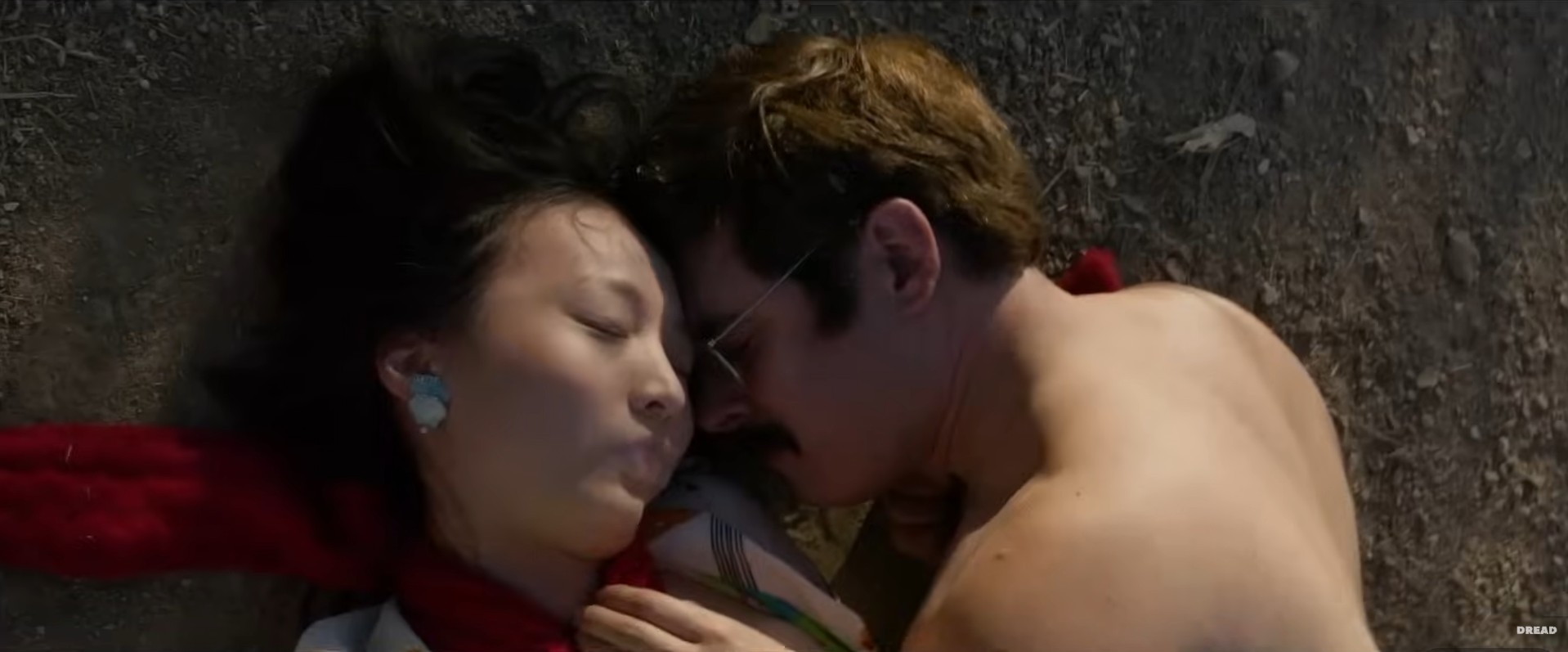
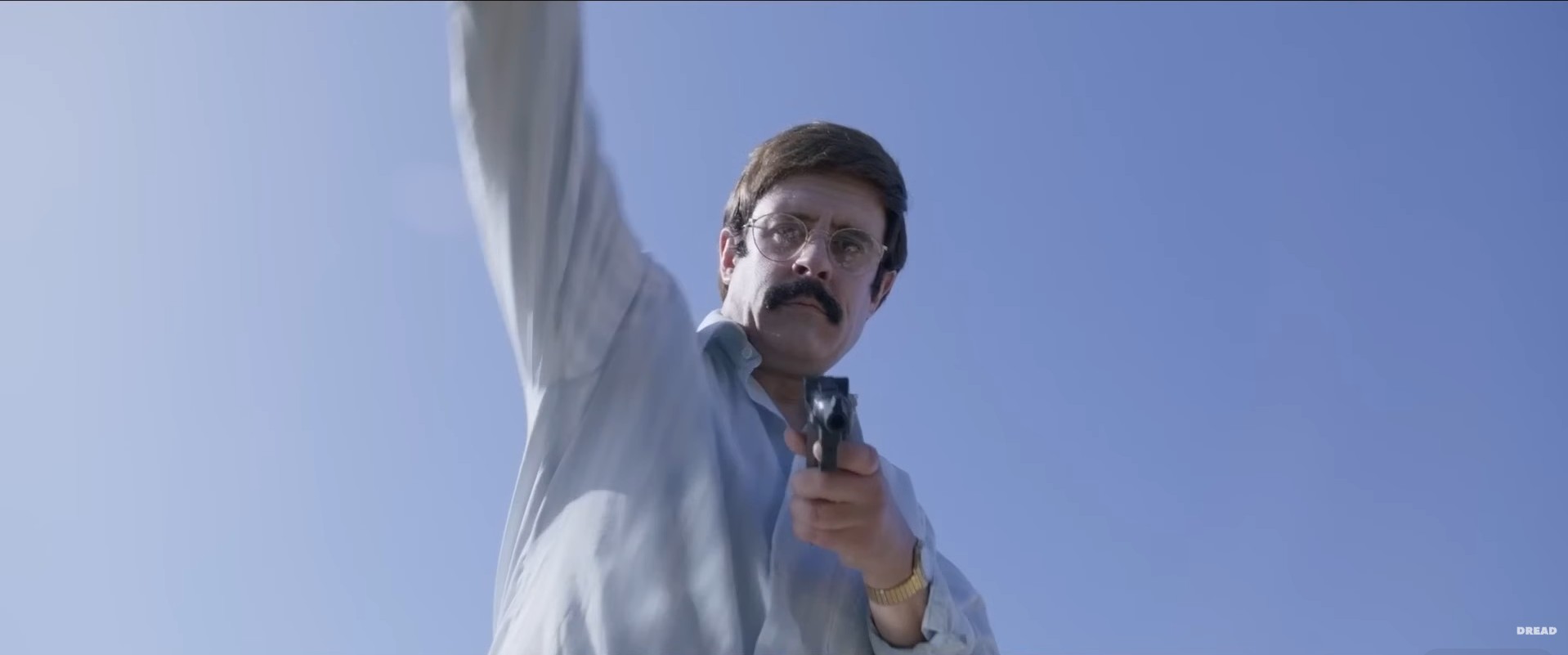
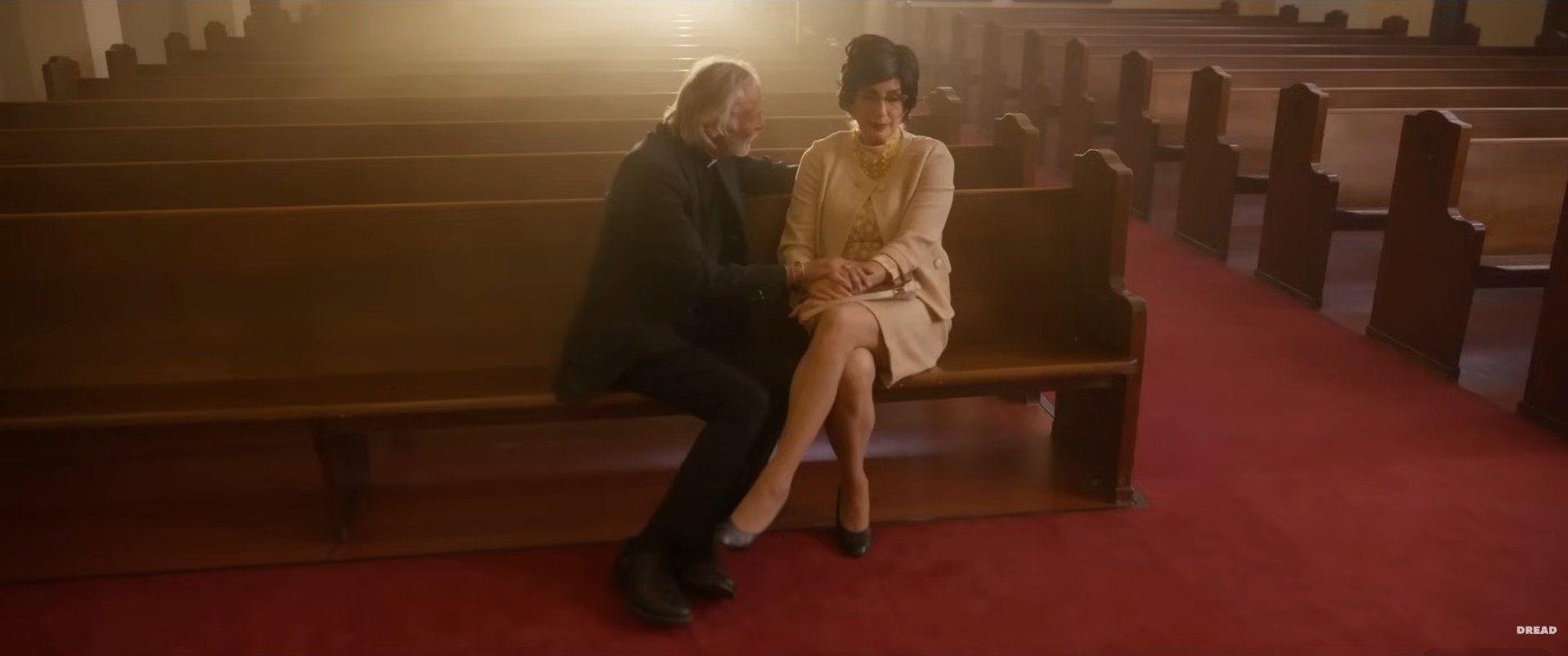
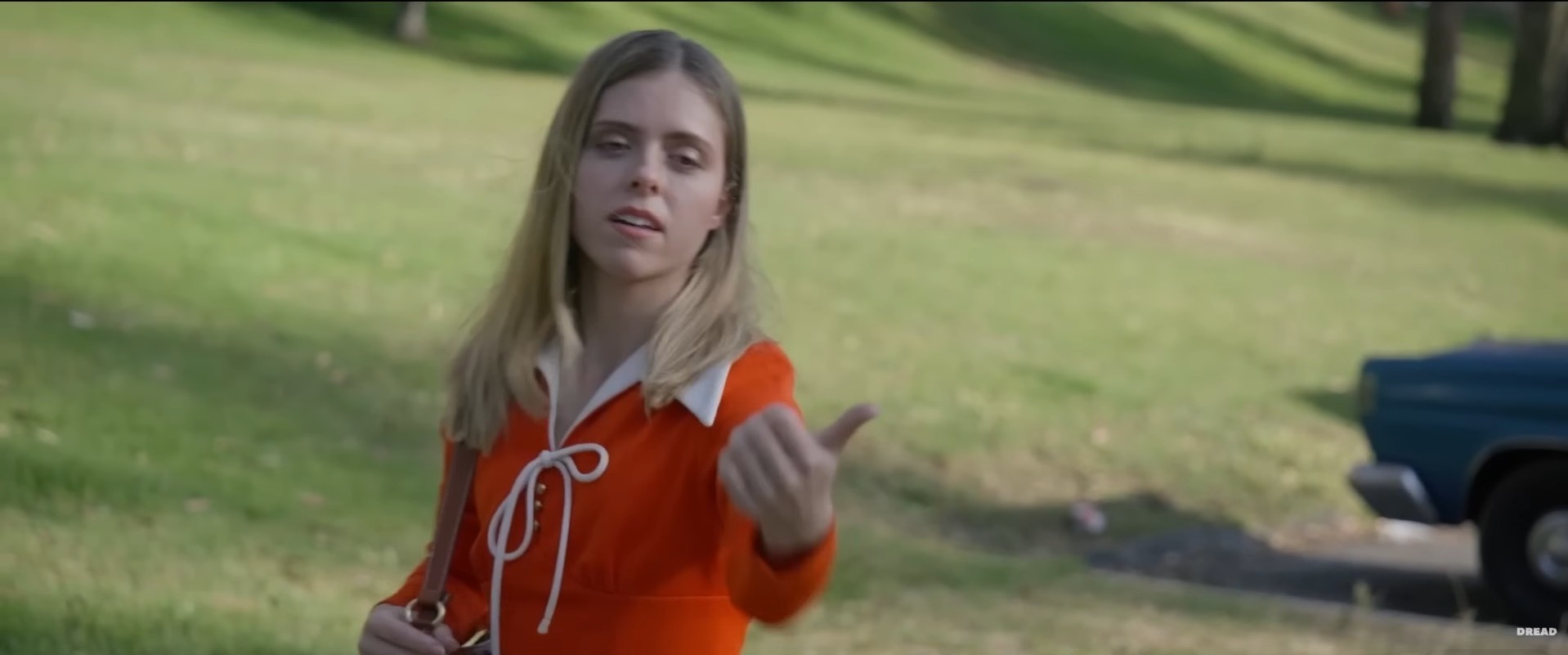
A woman strides into a convent carrier a can of gasoline and a shotgun during the sacrament of Eucharist between priest and nuns.  After setting the humble nave ablaze, she unloads shotgun shells into all the screaming bodies.  40 years later, a group of Greek life college students look to make their Greek letter mark on the same derelict convent now swarming with urban legends and ghost stories.  When a virginal student is kidnapped by wannabe Satan worshippers, they accidentally open the gate for dormant demons to arise through the corporeal vessels of the dead.  The possessed dead slaughter all in their way to seek another virgin, one that will embody their unholy master until this plane of existence.  The only chance for survival is to track that now woman from four decades ago to finish what she started after 30 years in an insane asylum, to blow away the demonic beasts of Hell!

At the turn of the century in the year of Lord of 2000, a year some Christians believed marked the 2,000th anniversary of the incarnation of Jesus Christ, saw another reincarnation of Hell passing through Catholic sacred ground from the creative culinary of profanity director Mike Mendez.  The one of a handful of creative talents behind the “Satanic Hispanics” anthology film and the native Los Angeleno helmed “The Convent,” his third directorial in horror behind breakout pyscho-hit “Killers” and the male-chauvinist be damned horror-comedy “Bimbo Movie Bash,” from the Chaton Anderson’s debut script full of sacrilegious imagery, glow-in-the-dark veined demons, and the dark comedic charm of early 2000s.  Shot entirely in Los Angeles, the demon-comedy is produced by Anderson and Jed Nolan (“Jurassic Women”) on a microbudget from executive producers Ryan and Roland Carroll of Alpine Pictures (“Dark Honeymoon”), Elliot Metz, and Rene Torres, who served as associate producer on the cult favorite, “Night of the Demons.” 

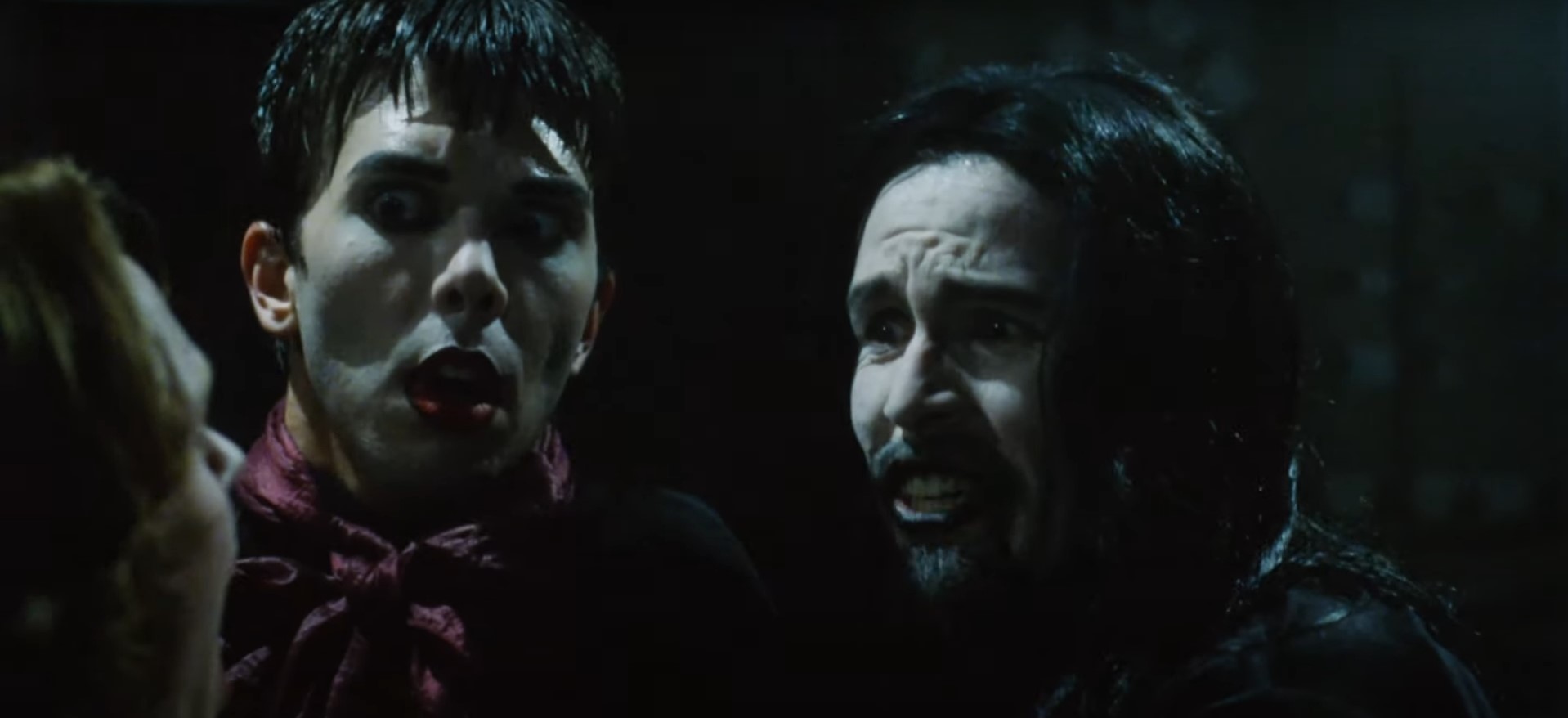
The collegiate characters are not only surrounded by twitching, carnage-dishing demons under the nuns’ habits but they’re also surrounded by headlining genre greats Adrienne Barbeau (“The Fog,” “Swamp Thing”) and, briefly, Bill Moseley (“The Devil’s Rejects,” “Texas Chainsaw Massacre II”) and gangster rapper, the late Coolio.  Barbeau doesn’t lose a step being the beautiful badass we all know and love from her reign as an 80s-90s scream queen, shotgun barreling down demons left and right as her character’s 40-years-senior self from the Nun-torching and blasting opener, the accused certifiable crazy lady called to action in Christine.  She’s called to once again stop a demonic Catholic kerfuffle she immobilized from spreading four decades back by a new set of naïve, older teenagers looking to get high, get lucky, and get the kicks.  Joanna Canton, who had three seasons in her on “That 70’s Show,” battles back-to-back with Adrienne Barbeau as Clorissa, the lead principal of the trespassing teens.  Canton is joined by story boyfriend Chad (Dax Miller, “Blood Surf”), story friends Biff (Jim Golden), Kaitlin (Renée Graham, “Shriek If You Know What I Did Last Friday the Thirteenth”) and Frijole (Richard Trapp, “Re-Cut”), story little brother and abuse-taking pledger Brant (Liam Kyle Sullivan, “Rideshare”), and story gothic bestie of another life time in Mo (Megahn Perry, “The Perfect Host”) whose been ostracized by mostly Clorissa’s friends and even a little by Clorissa trying to escape a gothic lifestyle for more fit in “normal.”  A dark and spooky night in a rundown convent transforms into a night of terror when Satan Worshippers Sapphira (writer Chaton Anderson, “Wither”), Davina (Allison Dunbar, “Browse”), and Dickie-Boy (“Kelly Mantle, “The Evil Within”) are led by so-called Satanist expert and a poorly 17th century speech replicator Saul (David Gunn, “Killers”).  “The Convent” does have dynamic trope characters, ranging from jock, to druggie, to cheerleader, to goth, and to the nerd, following formulaic footsteps to face forces of ferocious, fanged demons and doing it oh not so well and oh so gloriously bloody.  Casting rounds out with Oakley Stevenson, Larrs Jackson, and Elle Alexander.

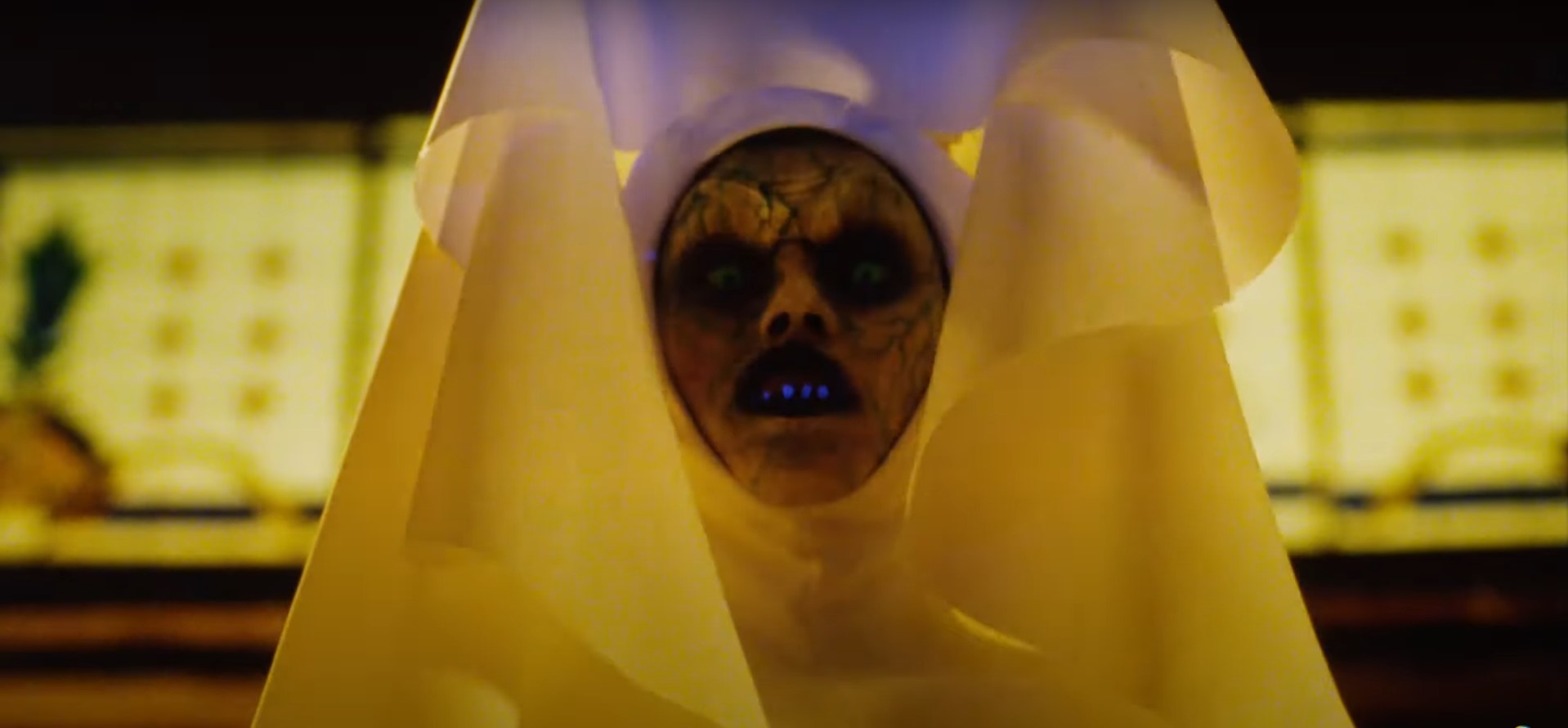
Mendez’s “The Convent” has a real identity crisis issue walking in the familiar territory that closely resembles Kevin Tenney’s “Night of the Demons.”  Hell, I would go as far as stating Mendez’s Y2K-personified horror is a near step-by-step remake of Tenney’s 1988 demon possession carnage in an abandoned structure film.  However, minutia differences, a fall of Catholicism theme, and the addition of a motorcycling, demon-destroying Adriene Barbeau keep similarity nuances at bay and the acquainted plot lively and entertaining with a glow-party, nightclub maquillage on the demons to give them a fascia of techno-effervescence veins.  Mendez also adjusts the demons’ movements to a rapid twitch with increased frames per second and having the actors jerk their movements in a wild array.  Seems a little bizarre at first but the effect grows on you, and you can’t imagine “The Convent” demon without the spasmatic shots, as their glowing eyes set on seek-and-destroy roam from dilapidated hallway to dilapidated hallway, succumbing to the evil spirit’s will after the life force leaves the body.  Themes of an evil Catholic perspective will challenge those with a Christian value upbringing, especially with nuns and priests being gunned down and torched, and more character specific concepts of personal growth in deciding what’s right versus what’s popular run a paced course of dispersed too late to fix what’s already broken. 

As part of the Mike Mendez 4K UHD double bill release from Synapse that includes his individual inaugural film “Killers,” which we will review soon too, “The Convent” comes in a 2-disc, dual format set, making it’s uncensored, U.S. debut remastered in Dolby Vision 4K from the original 35mm internegative elements.  HEVC encoded, 2160p ultra-high definition, BD66 and the AVC encoded, 1080p, BD50 rockets the previously out of print film right past a standard Blu-ray release and into the land of 4K with 2k hitching a ride.  Both formats presented in a widescreen 1.78:1 aspect ratio, the definition and color saturation advancement are a huge leap from previous DVD releases with more delineate means inside a broadly shadowed interior.  Light and shadow have now divided fully and agreeably to shapes are now more obscured or in illumination.  With that being said, details are not knocked out of this part and that’s especially surprising since director Mike Mendez supervised the 4K remastering.  Facial features do appear smoothed out, more so on the standard Blu-ray release.  UHD has a slightly better rooting out skin details and customer texturing which Adrienne Barbeau leather jacket and tight denim jeans, with all the folds, zippers, buckles, and such, seeing the most promise.  The superimposed glow f/x has rich lamination with the emanating pulses creating reflection being done well on character faces and throughout an enclosed room.  The UHD and standard Blu-ray come with an English DTS-HD master audio 5.1 surround sound from the original 16-track master audio.  Uncompressed fidelity is a complete win here for “The Convent” that seizes side and back channels with monstrous grunts and growls, and not to forget to mention the often-neglected spooky house ambience of creaks, cracks, and killer hits to the body.  A broad range helps diffuse distinct layers to the individual channels.  Dialogue renders clean and clear with no pitchiness of hissing or crackling to note.  English subtitles are available on both formats. While the UHD only has eyes for the feature, the Blu-ray has the movie plus Hell-Raising bonus content, including two audio commentaries with a cast and crew commentary with director Mike Mendez, Megahn Perry, and Liam Kyle Sullivan and a Lords of Hell commentary featuring David Gunn and Kelly Mantle in full character of Saul and Dickie-Boy, a behind-the-scenes featurette, a location featurette, a single deleted scene, gore/kill scene outtakes, the original EPK (Electronic Press Kit), a pair of promotional trailers, and a still gallery. The new primary cover art and the reverse cover art inside the black Amaray case is illustrated by Ralf Krause and Samhain1992. A 6-page essay from Corey Danna has cropped color pictures along with release acknowledgements on the backside. The not rated film has a 80-minute runtime and is region free.

Last Rites: Never intended to take itself seriously, “The Convent” has wicked style, makeup, and effects under an early 2000’s feng shui and is balls-to-the-wall nonstop with demonically dark humor laughs and the barbaric blasphemy of a savagely railed faith!

4K and Blu-ray “The Convent” Demonically Entering Your Soul! Buy It Here!

EVIL Ted Bundy is “The Black Mass” reviewed! (Cleopatra Entertainment / Blu-ray)

“The Black Mass” on Blu-ray Can Be Ordered Here!

Based off a slice of Ted Bundy’s murderous impulse-driven life, the notorious American serial killer’s escapes from the upper West Coast and lands him residence in Tallahassee, Florida in the moderately warm winter of 1978.  As he picks the pockets of those around him, scrounging up what little cash he needs to survive on, Bundy urges grow to kill grow more intense.  He begins to stalk a nearby university sorority house that’s buzzing with potential prey.  As works out a plan to attack, his good looks and impeccable charm make him desirable around women and men alike, offering opportunities that tend to fizzle out before they can begin, and when his need to spill blood agitates him excessively, he starts to creep out those around him by glaring out them and making off-the-cuff shrewd comments.  With his options declining rapidly, Bundy decides to take advantage of the sorority house’s broken backdoor lock and set in motion a night that will forever live in American infamy. 

For her feature length film debut, scream queen actress Devanny Pinn takes on one of the most vile villains ever to walk the Earth in her biographical horror “The Black Mass.”  The “Song of the Shattered” and “Frost” actress and producer brings a headspace perspective to Ted Bundy committed at least 20 confirmed murders between 1974 and 1978.  The true crime thriller named after what one of the victims described Bundy’s attack on her as simply as a black mass before being bludgeoned.  Brandon Slagle (“Song of the Shattered”) and Eric Pereira (“The Locals”) collaborate on penning the script.  Slagle directed Pinn in the 2022 element horror and survival feature “Frost” and now it’s Pinn to take a stab at the director’s chair with a Slagle screenplay, pun intended.  Pinn coproducers her film alongside Michelle Romano (“Night Aboard the Salem”) and Cleopatra Entertainment’s Tim Yasui (“Frost,” “The 27 Club”) under the production banners of Jaguar Motion Pictures (“Dead Sea”) and Roman Media (“Millwood”).

The main focus in the feature is of the titular character, “The Black Mass,” that is Ted Bundy, almost seeing what he sees through his eyes of skulking and morbid fantasy.  Played by British actor Andrew Sykes, the centrically focused character is experienced not directly through his eyes but over his shoulder, peering from behind as if audiences are accomplices to his murderous wake.  Sykes performs well in a nearly voiceless role that does more lurking than talking but Sykes’s worked up frustration clearly surfaces and erupts out of Bundy when strapped for cash and has a tremendous itch that needs to be scratched as his wishy-washy path to do good crumbles from under his footing.  As the main focal point, no other character really comes close to a lead principal.  The sorority girls are introduced in mass and jump from sister-to-sister individually conversating routine and tales of the day-to-day within the college student context with roles from but not limited to Lara Jean Mummert-Sullivan (“2 Jennifer”), Brittney Ayona Clemons (“Twisted Date”), and Alex Paige Fream (“Into the Arms of Danger”).  Yet, Pinn’s storytelling purpose is paradoxical with the whole story flowing through the perspective of Ted Bundy with his prey hanging mostly in the peripheral and not emanating the warm and fuzzies of sympathetic, relatable characters, but at the end of the film, there’s an acknowledging tribute for the victims who we really know nothing about from the narrative, creating an acute pivot from the killer’s personal bubble.  “The Black Mass” rounds out it’s relatively large passing-through cast with Chelsea Gilson, Susan Lanier, Eva Hamilton, Sarah Nicklin, Elisabeth Montanaro, Mikaylee Mina, Jennifer Wenger, Grace Newton, Devanny Pinn, and with cameos from Lew Temple (“The Devil’s Rejects”), Jeremy London (“Alien Opponent”), Lisa Wilcox (“A Nightmare on Elm Street 4:  The Dream Warriors”), Kathleen Kinmont (“Halloween 4:  The Return of Michael Myers”), and schlock movie veteran Mike Ferguson.

“The Black Mass” is the perfect example of style over substance.  While the story is formatted around Bundy’s outlook, there’s not a significant amount of edification for his warped mindset.  Some backstory leaks through his beseeching phone conversations with ex- or current girlfriend Liv, a phone voiceover presumingly based off the real Bundy girlfriend Elizabeth Kendall, that teeters the appearance of his humanity side as he talks about his addictive struggles and trying to walk a straight line, but any kind of sympathy is quickly tabled without an ounce of provision, likely for his inclination to lie for advantage and exploitation’s sake.  Pinn only teases the inexplicable morose and ghastly gears that rotate inside Bundy’s head, spurring a single blood-drenched daydream of a girl pulling off her skin in the shower, and erotically enjoying it immensely.  The scene feels sorely out of place amongst the rest of reality-grounded narrative that resorts to a cut-rate version of Bundy’s devolving surrounding is fleeting patience and feign niceties.  What’s appreciated mostly about “The Black Mass” is Pinn’s ability to work the camera in not revealing too much of a modern-day society by maintaining that closeup distance behind Bundy and only really showing what needs to be seen for a late 70’s biopic.  Costuming, production design, and vernacular are appropriate for the era as well.  Coming back to the proximity around Bundy, there’s a purposefulness in not showing his full face or looking at him from the front that keeps the particulars of his image in an effective, if not slightly scary, enigma albeit the other characters’ brief descriptions of him in conversation do provide a rough picture of him. 

MVD Visual distributes the newest cinematic Bundy biopic from Cleopatra Entertainment. The AVC encoded, high-definition 1080p, BD25, presented in a widescreen 2.39:1, has welcoming veneer, splashed with a 70’s color scheme saturation, and is graded with a middle-of-the-road or slightly darker color palette. Sufficient capacity and compression encoding offers a clean, sleek digital image without artifacts and with the ample attention to minor era details where possible and Noah Luke’s fill and back-lit cinematography when things get really dark, as in sinister, that snappy image presentation is key. The English language options are a lossy Dolby Digital 5.1 and a PCM 2.0 stereo renders a clean, balanced mix between dialogue, ambience, and dialogue with less suppression on the PCM audio if you’re looking for a lossless option. The setting sounds are nicely immersive compared to the limited and concise framing, opening up the world audibly rather than visually. No technical issues with the digital audio on neither front; however, depth and reality checks are missed marks as all the dialogue doesn’t abide by spatial awareness; when the sorority sisters are talking indoors or from afar while Bundy lurks outside the house, or from a distance, spying on them, all the dialogue is unobstructed and too prominently clear for natural conventions. Bonus features include an image slideshow and the feature trailer. Ancillary content includes other trailers for Cleopatra films with “Frost,” “The Ghosts of Monday,” “The Long Dark Trail,” “What the Waters Left Behind: Scars,” and “Lion-Girl.” Released in a traditional Amaray Blu-ray case, “The Black Mass” sports a Dimension-like front cover, dark and full of characters. No insert or tangible content inside and the disc art mirrors the front cover. Cleopatra’s region free Blu-ray comes unrated and has a runtime 82 minutes.

Last Rites: Devanny Pinn quarterbacking her first feature film with an à la mode Ted Bundy portion, an interpretative taste of his absolute madness, doesn’t faze the long-time scream queen actress and producer who takes on the subject head on, but the overall concept does need tweaking in the area of purpose that can be easily conquered with more practice.

“The Black Mass” on Blu-ray Can Be Ordered Here!

There is no EVIL like the Firefly Family! “3 From Hell” reviewed!


A bullet-riddled shootout with police left Baby Firefly, Otis Driftwood, and Captain Spaulding full lead, but not dead! The trio barely survives despite getting shelled by 20 gunshot wounds a piece and are tried and incarcerated for over a decade in maximum security prisons. After Captain Spaulding’s wears out his welcome on death row and becomes the first one executed, a merciless escape carried out by Otis’ half-brother, Winslow Foxworth Coltrane aka The Midnight Wolf, leaves a trail of blood and violence in their wake up to freeing Baby Firefly who can’t wait to play and unleash her uncontrollable crazy cyanide upon the world. However, there’s only one itsy-bitsy problem – they’re faces are about as dangerous to themselves as they are dangerous to others. The three from hell vamoose to a dumpy Mexico town to start afresh, but little do they know, no place is safe for long.

Over the span of 16 years and 14 years since “The Devil’s Rejects,” shock rock and rockabilly, metal rocker Rob Zombie returns to write and direct the third and highly anticipated sequel film in the Firefly trilogy with “3 From Hell.” The 2019 continuation of the Baby, Otis, and Captain Spaulding rejuvenates interesting in returning hellions that’ll undoubtedly wreak havoc across the midwest plains, splatter some brains, remove some flesh, and, well, you get the gist of their unholy hobbies. “3 From Hell” had to literally dig out these characters from the grave since being shot to shreds at the end of,***spoiler alert***, “The Devil’s Rejects” and Zombie was able to sell Lionsgate and Saban Films on the story divergent from the last film, much like “House of a 1000 Corpses” horror show went straight into exploitation extravaganza with “The Devil’s Rejects.” “3 From Hell” is a whole new animal, an anti-hero’s indulgent fantasy of crime, action, and still barely kickin’ to kick ass through the rampaging blood.

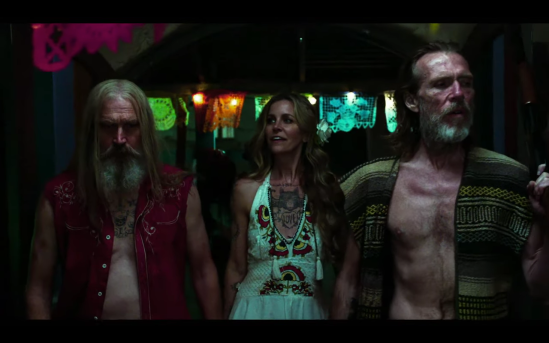
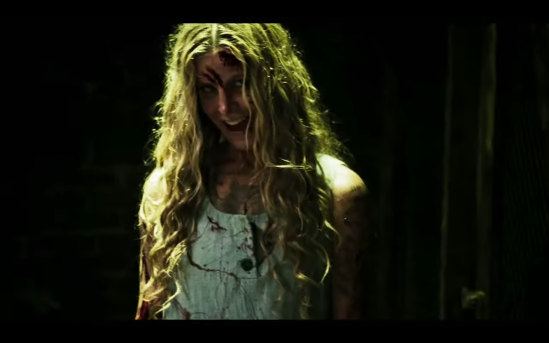
The three in “3 from Hell,” Baby Firefly, Otis Driftwood, and Captain Spaulding, return for one more three amigo misadventure through hell and brimstone and the original cast, respectively include Sheri Moon Zombie, Bill Moseley, and Sid Haig, suit up to be a depraved family once again. Sadly, Sid Haig’s health rapidly deteriorates in the midst of filming, leaving Zombie no other choice other than to write him quickly from the script and introduce a new character, a transgression tyrant to pass the torch to, with Winslow Coltrane played fittingly by “31’s” Richard Brake. As though like never missing a backwoods bumpkin beat, Richard Brake embraces the Midnight Wolf and breaks in the character with such ease and fortitude that the question never arises if the Midnight Wolf should be a part of the sacred Firefly pack. Sheri Moon Zombie steps out of a time machine and right into Baby Firefly, despite being a little aged around the eyes. The quirky and unpredictable Baby doesn’t reinvent the wheel, which should please the fandom, and is a wonderful sadistic mecha with Sheri Moon at the helm. The same can be said about Bill Moseley who, goes without saying, has a unique voice that’s been rebranded as Otis Driftwood. Every other movie, old or new, with Bill Moseley starring, or not starring, will forever be tainted by Otis Driftwood for when Moseley monologues or even just speaking one or two words of dialogue, the spine starts to twinge and tingle, the hairs shoots straight up, and that stepping on your grave feeling of cold desolation swallows you in an instant. The “3 From Hell,” plus Coltrane, face the world with a big knife and lots of guns and those who stand in their way are played by co-stars Danny Trejo (“Machete”), Jeff Daniel Phillips (“31”), Emilio Rivera (“Sons of Anarchy”), Richard Edson (“Super Mario Bros.”), Pancho Molar (“Candy Corn”), Dee Wallace (“Cujo”), Sean Whale (“The People Under the Stairs”), Clint Howard (“Evilspeak”) and Bill Oberst Jr. (“Dis”).

Rob Zombie has mentioned in a behind the scenes featurette that he didn’t want to recapture the magic of the previous Firefly cruelty and the rocker-filmmaker has done that just, straying away from the horror of “House of the 1000 Corpses” and the exploitation vehemence of “The Devil’s Rejects,” which the fans groveled for, and going bravely, or blindly, into crime action with the “3 From Hell” that still’s beholden to Rob Zombie’s hillbilly swank. Rob Zombie risks a new path and also gambling on more of Lionsgate’s capital with showing off more visual effects than in the former films. Bullets tearing through flesh and flying straight toward the camera lend to example of the computer imagery effects that, from a fan’s perspective, dilute Rob Zombie’s adoration for horror who takes less and less chances with this film that not only feels rather ordinary and just another piece of maize in the field, but “3 For Hell” also doesn’t feel to have substance to all the madness. Baby, Otis, and Coltrane go from point-to-point, aimlessly pondering what’s next, and just happen to fall into a barrage of bullets and blood, rather than being the epitome of evil bring vile upon mankind. Just being a Rob Zombie film that resurrects his beloved and beguiling modern iconic characters, “3 From Hell” coopers the longing with a fierce show of violence that opens the door for one more installment.

Lionsgate and Saban Films, along with Spookshow International, proudly presents Rob Zombie’s “3 From Hell” onto a R rated DVD and an unrated, 1080p Blu-ray sheathed inside a slipcover. The two disc, dual format release are both presented in a widescreen, 1.85:1 aspect ratio, and the image is about as sleek as they come with an ARRIRAW formatted 2.8k ARRI camera that shoots 48fps. Zombie reins back on the color palette and hones onto more natural coloring. The details are delineating, as aforesaid with Sheri Moon Zombie’s crows feet. The English language 7.1 Dolby TrueHD audio track is lossless with a crisp dialogue and ambient mix. The range and depth are robust with explosions and gunfire. The release comes with Spanish subtitles and English SDH subtitles. In accompaniment with the 115 runtime, bonus features include To Hell and Back: the Making of 3 From Hell which is a 4-part documentary on the Blu-ray only and both formats include an audio commentary from writer-director Rob Zombie. Also included is a digital copy to instantly stream and download onto personal devices. The horror element might be gone, but the inexplicable chaos surges through death row to desperado Mexico in Rob Zombie’s “# From Hell!”

Own “3 From Hell” on Blu-ray/DVD!

The Evils After World War III! “The Aftermath” review!


On the space shuttle Nautilus, three astronauts are returning home after one year in deep space. Their outbound transmissions to Earth are not being returned nor are they being received and as their ship draws closer to Earth, the only option for reentry is to take a risky crash landing into the Pacific Ocean, just off the coast of California, hoping someone, anyone, would see their shuttle coursing downward from the sky. Only two survive the crash and swim to shore where no boats, no planes, nor onlookers were around to receive them. They soon find out why. World War III had engulfed much of the Earth during their time in space, reaping the land of the urban jungles and making food and living conditions scare. Germ warfare had mutated much of the population to cannibalistic creatures and when torrentially raining, acid rain pours from the war torn atmosphere from ferociously brilliant and deadly clouds. Only a small band of good people remain and the two astronauts seek to keep them safe from the harsh elements, even against a merciless gang of thugs.

In the early 1980s, an ambitious and visionary filmmaker sought to produce, write, direct, and star in his very own modest budget feature film that would rival Hollywood’s glamourous and expensive effects while still maintaining a down-to-Earth independent production. That filmmaker was none other than Steve Barkett, creating his debut film, the 1982 science fiction post-war catastrophe, “The Aftermath.” “The Aftermath” is like if the “Planet of the Apes” met “The Walking Dead,” a sheer blunt for trauma of returning to your home to discover the world in shambles with different factions of hard nose killers ready to plunder all that you own and all that you will ever have. Barkett, with assistance from the brothers Dennis and Robert Skotak, who’ve went on to work on major studio films such as “Aliens” and did the matte work for John Carpenter’s “Escape from New York,” create a destroyed Los Angeles landscape through the power of some serious movie magic considering the time period and the budget.

Steve Barkett is Newman, one of the three astronauts with no first name, and the tough hombre’s hard disposition comes from his background exposition where he lost his wife and child before going up into space. Newman’s cold, but not heartless, and Barkett taps into that fairly well despite some robotic and formulaic performances. However, Christopher Barkett, Steve’s son, was a complete first generation cyborg, a regular toaster oven with teeth and eyeballs that monotones through all the lines and actions. The most interesting casting here is Lynne Margulies, who at the time of this release, was or was not yet the late Andy Kaufman’s girlfriend. Margulies, who previous worked on an adult film entitled “Young, Hot ‘n Nasty Teenage Cruisers,” continued the racy trend with a shirt-pokey role in Sarah, Newman’s quick-to-sack love interest with a briefly, well-endowed nude scene. Yet, Sig Haig manages to steal the Barkett’s film from right under his nose. The young and ruggedly muscular “The Devil’s Rejects” star sports his trademark shaved head and thick, dark goatee, labeling him the perfect casting choice in gang leader Cutter. Alfie Martin, Forrest J. Ackerman (“Dead Alive”), Larry Latham, Linda Stiegler, and Steve’s young daughter, Laura Anne Barkett costar.

One aspect that’s really appreciated in Barkett’s enterprising venture through post-war commentary and morally righteous themes is the special effects matte work from the Skotak brothers. Detailed paintings, such as exampled in the war-ravaged metropolis that was formerly L.A. embodying the once towering buildings, are now destructively cut short in a mangled heap in a matte effect with live actors. Practical effects work wonders for Barkett’s large scale premise despite the small scale performances, except from Sid Haig. The detail in the violence dawns a newly restored faith in early 1980’s sci-fi films; violence that was more prevalent in the genre later in the decade, in such films as “Aliens” or “Robocop,” making Barkett’s film a trail blazer that paved the way to deliver more sensational savagery and lots of blood of a high body count to a already fantastic genre.

MVDVisual and VCI Entertainment release Steve Barkett’s “The Aftermath” onto a dual format, DVD and Blu-ray, combo pack. Presented in 1080p on a MPEG-4 AVC encoded BD-50, the post apocalypse never looked so good in a widescreen 1.78:1 aspect ratio from a 2K remastered transfer of the original 35mm negative. VCI has bested the rest with colorfully enriched scenes and untouched framing. Slight grain more so over the matte special effects that optically contrasts between the two different layers where a little touchup could have smoothed out the indifferences, but other than that, the details are quite stark. The clean and untarnished English LCPM 2.0 mono track is also vastly well constructed that contains minuscule hissing and the occasion pop, clearly making the dialogue a prevalent force. Composer John Morgan’s traumatically dramatic score is full-bodied and robust that coinciding renders well with the action sequences and tranquil moments. The extras offer the original laserdisc bonus material that provide snippets of interviews from cast and crew, Steve Barkett’s short film “Night Caller,” over an hours’ worth of John Morgan’s soundtrack complete with title information, VCI promo announcement for Barkett’s other director “Empire of the Dark, and the original theatrical trailer. A retrospective journey to the early 1980’s science fiction indie sector is also a visually stunning resurrection of “The Aftermath” courtesy of VCI Entertainment and with impressive effects and a bigger-than-life concept despite an underwhelming performance as an actor, director Steve Barkett’s legacy as a filmmaker remains stronger than ever with this prominent and well-deserved upgrade of the lazer-gun and mutant inhibiting world reckoning.

The Aftermath available at Amazon.com!

How About A Nice Evil Plate of Hillbilly, Long Pig Meat? Legend of the Hillbilly Butcher!

lothbposter

Taking after his demented butcher of a father, Carl Henry Jessup (Paul E. Respass) is a backwoods living hunter whose local delicacy amongst his surround neighbors is serving up grade-A human meat for breakfast, lunch, and dinner. Carl relives the past with the tragic death of a murder-suicide of his parents and tries to summon them to live again with the help a demon named Sam Bakoo. When the loner cannibal doesn’t get his wish from Sam Bakoo, he curses and rejects the demon starting a whole new set of problems for poor old Carl. All this is told in narrative story of the “Legend of the Hillbilly Butcher” to three young children by an old man who knows Carl and his murderous history.
vlcsnap-2014-09-05-21h15m55s240
Director Jaoquin Montalvan could be considered the underground doppleganger of Rob Zombie in filmmaking especially in “House of a 1000 Corpses” or “The Devil’s Rejects.” In the “Legend of the Hillbilly Butcher”, all the makings of a Rob Zombie like film are accounted for with the exception of hard rockabilly music. White trash and white trash dialogue? Check. Grindhouse style editing and cinematography? Check. Cannibalism and demon summon horror genre? Check. It isn’t like Montalvan exactly mirror’s Zombie’s films from scene to scene. Montalvan makes this film his own in the subtlety of the work; many of the scenes are low key and not over the top with dialogue and heavy moments of stimulating effects. And the indie director does make this into a bit of a horror comedy. In a number of scenes, the characters will sit across from each other, have a meal or a drink of moonshine, and bullshit in a quippy could of way. End scene.
vlcsnap-2014-09-05-21h14m32s180
The cannibalism story tangent takes a bit of a backseat to the demon that plagues Cary Henry. The quick switch in plot direction is a good, positive change for the Hillbilly Butcher as monotony would set in with the cannibalism plot line. Much of the “meat” effects were a bit scarce and cheesy. The dead bodies were not so realistic. But the quick edited dream sequences of Sam Bakoo and Carl Henry’s visions of Sam Bakoo were intense, surreal, and welcomed. What also helped was the performance from amateur actor Allen East as Sam Bakoo – a scrawny, bald man who can conform with the best of them like Doug Jones from “Hellboy.”
vlcsnap-2014-09-05-21h16m15s185
Another good actor (or actress in this case) is Theresa Holly. A blue eyed, black haired beauty with a bust that would break hearts. Her character Rae Lynn, a friend of Carl Henry, is sweet and tender but when push comes to shove, her salvation lies with her fighting for her life. While there were no nude scenes for her character, Theresa Holly does do some bra and panty scenes in a, and again in a Rob Zombie like way, montage scene.
vlcsnap-2014-09-05-21h14m15s9
With any cannibal archetype or cannibalism film, I expect a lot of gore and with a title like the Legend of the “Hillbilly Butcher”, there comes an expectation that meat would be separated from the bone for consumption. Well, prepared to be mostly disappointed with only one real scene of disembowelment. The scene is fairly gory and intestinally jarring, the movie is practically over by the time we get to this scene. The film does speak more to it’s tone toward placement in the world and in the afterlife; how the good become better and those who do wrong get what they deserve in the end.
vlcsnap-2014-09-05-21h16m36s141
MVDVisual is releasing this 2012 festival hit on September 23rd, 2014 and while I won’t expect this to be flying off the shelves, reaching cult status in a matter of weeks, I do expect a pretty good following for poor old Carl Henry.