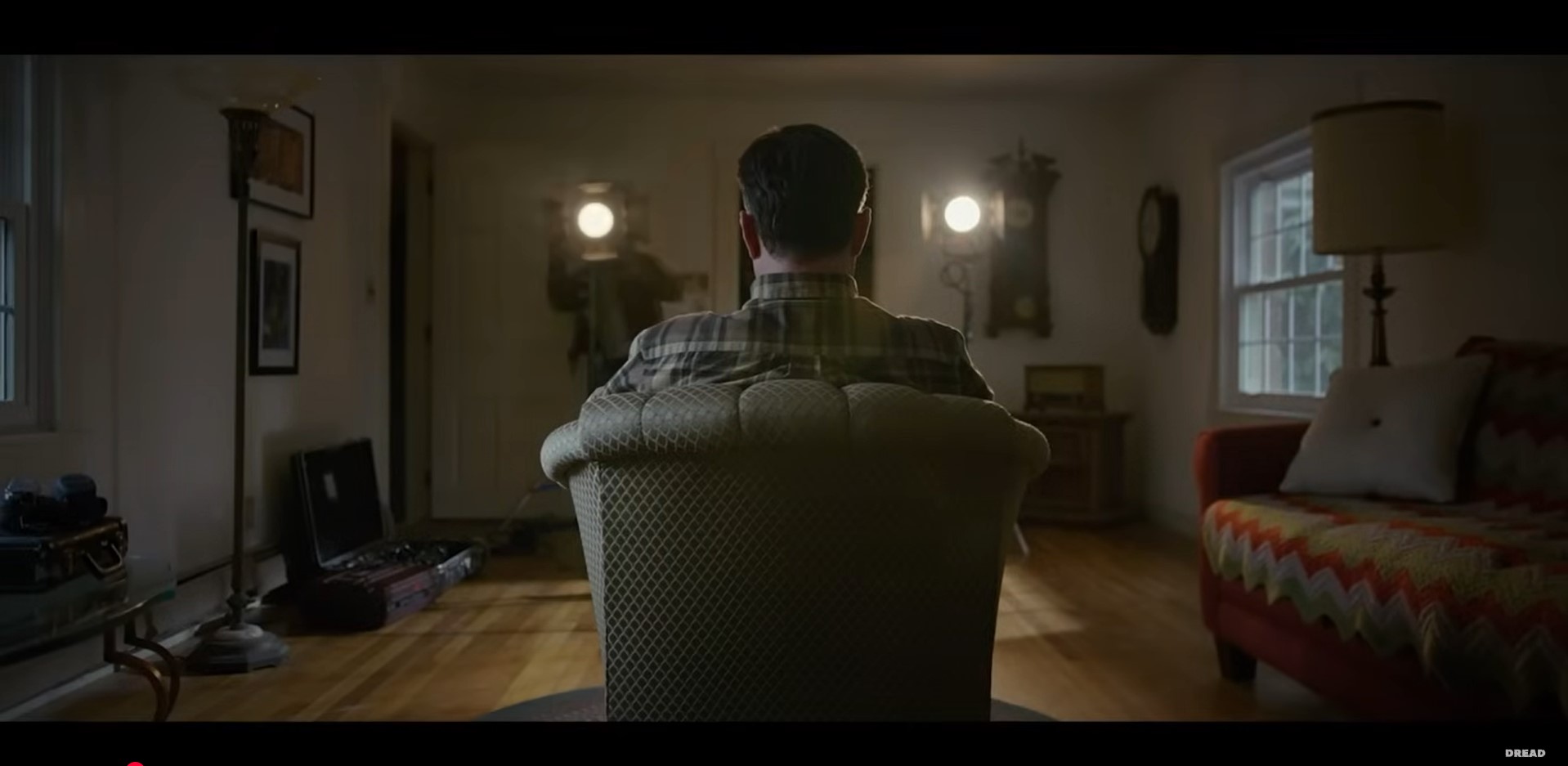
Blind, Witchy, EVIL! “Beezel” reviewed! (Epic Pictures / Blu-ray)

“Beeze” is the Witchiest Blu-ray of 2024! Get it here!

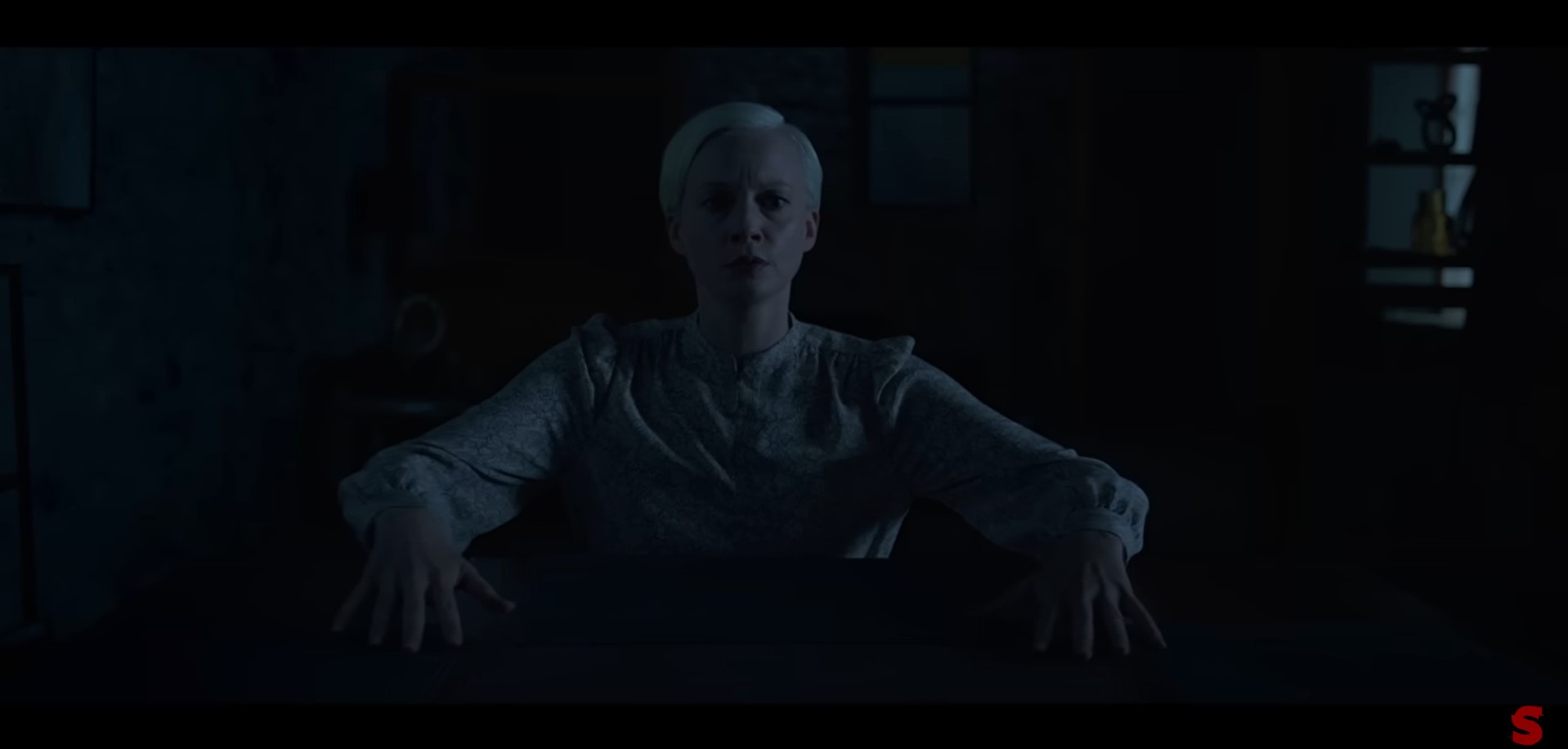
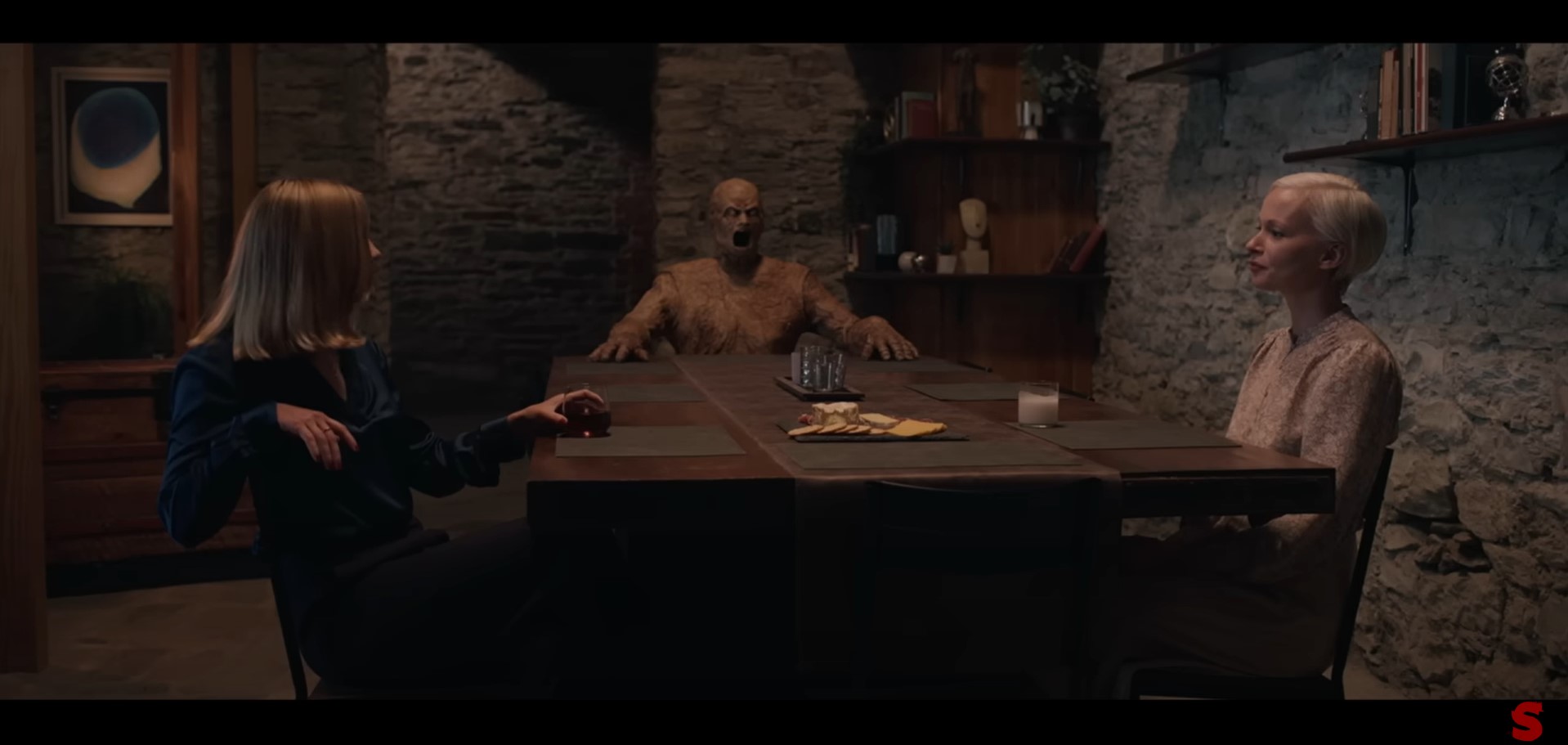
May, 1966 – a young boy is murdered, eaten, in his Northeast home.  Nearly six decades later and a series of disappearances and strange deaths in between, a young couple inherent the property that the locals have feared haunted, cursed, and possibly even inhabited by a witch.  As the house-inheriting husband is eager to sell the house to get rid of the reminder of his mother’s abandoning betrayal, the wife is equally eager to keep the house, settle in, and start a family.  The house possesses a presence captured by the corner of the eye, the hairs on the back of the necks, and the overall sense of dread that lies heavy in the pit of the stomach as the more the couple stay in the house, the more the Beezel, a blind evil witch lurking and hiding in the basement, influences their dreams and reality.  Beezel also wants a child and will take what it desires and kill anyone standing the way. 

What the horror genre needs nowadays is a ferocious witch film and I’m not talking the spellcasting, broom-riding, cauldron-congregating kind of witches with black pointed hats, large warty noses, and catty familiars.  I’m talking about hardcore old and ugly broads with an extreme hunger for not just children but for all of humanity, capped off with, perhaps, a good, solid cackle that’ll redefine the iconic figure from the traditional sense to a reverse revolutionized hag rooted in folklore but scorned by life itself.  A few filmmakers have tackled the idea and filmmaker Aaron Fradkin has taken a stab at it with “Beezel,” a 2024 Northeast-shot, visceral supernatural witch tale that was originally a short film expanded into a full-length feature film based on the short’s positive feedback.  The “Val” director cowrites with wife and fellow “Val” actor-writer, Victoria Fradkin under their cofounded independent film production company Social House Films. 

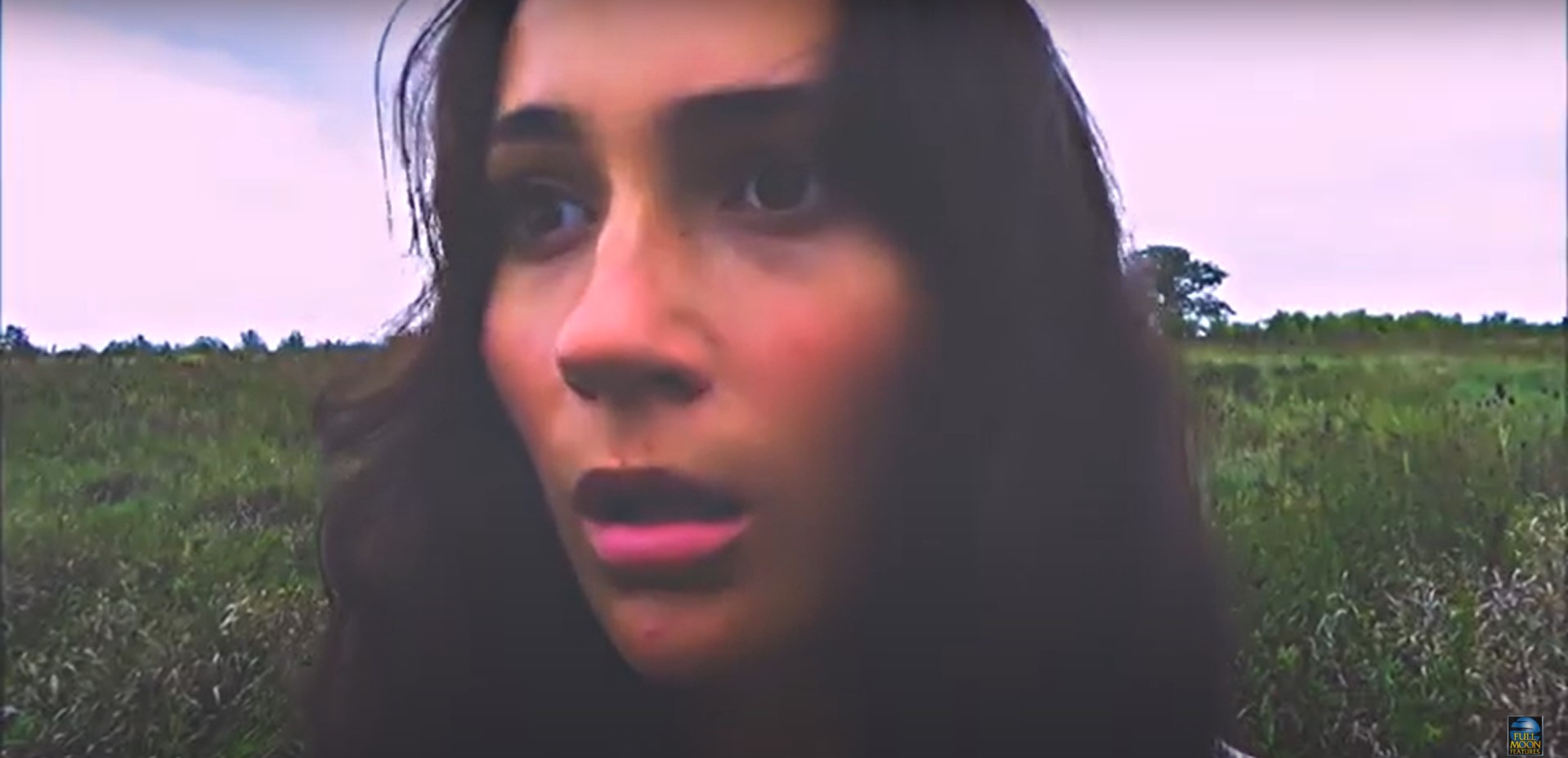
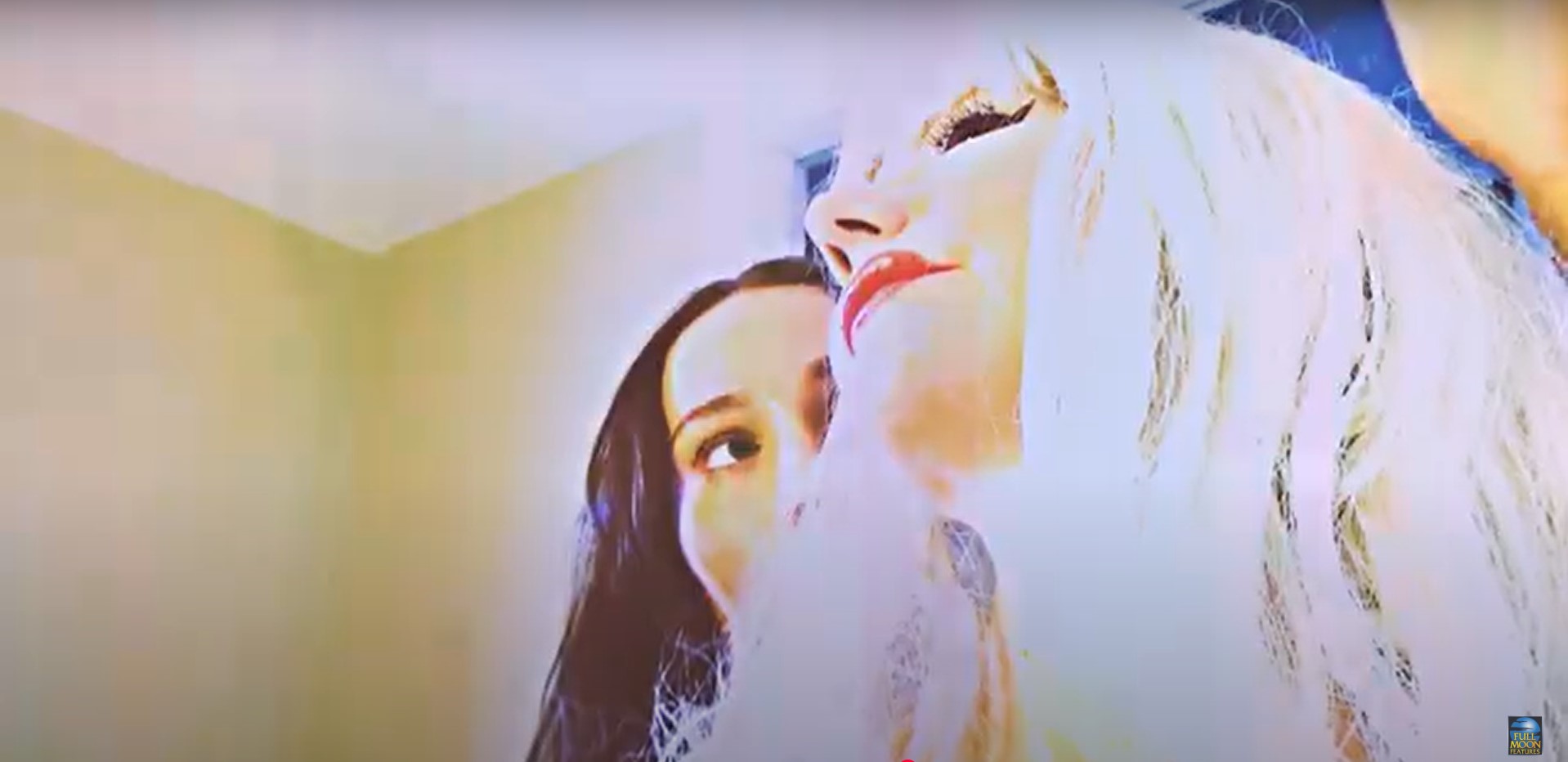
Because “Beezel” was first a short film, to flesh out a full length, the Fradkins smartly built around the short story an episodic series around it that spans decades.  Different actors are casted to reflect different periods, circumstances, and develop a variety of reactions to keep with and keep going a timeline of change, connected all by one single element, the carnivorous blind witch lurking in the basement shadows.  1966 starts off with more of child’s perspective who opens a secret bathroom hatch to the basement to see his pleading-for-food mother before his arm is snatched and he’s rip-to-shreds off camera.  The vicious and quick opener doesn’t leave open the door of development and we don’t get a real sense of anything or anyone until LeJon Woods (“The Hangman”) meets Bob Gallagher (“I Don’t Want to Drink Your Blood Anymore”) about 20 years later outside the home as the documentarian and homeowner, Apollo and Harold Weems.  Having seen now three films his this year, LeJon Woods feels very much like a one-note actor playing the same person throughout those roles.  Gallagher dips into a more sinister cover as the seemingly Mr. Rogers or Ned Flanders neighbor that drops breadcrumb clues of his dark secret and its one scary in-character conversation he has with Apollo.  From there, we jump another 20 years into the early 2000s with what was initially the original short film of an at-home nurse named Naomi (Caroline Quigley) replacing another nurse who disappeared in the Weems house.  This leads into the third act really sets up nicely Harold Weems second wife, Deloris (Kimberly Salditt Poulin), who’s on her deathbed in hospice care and solidifies the tone with a girth of suspense that leads into what would be the final moments left unseen of young couple Lucas and Nova (French actor Nicolas Robin and the director’s wife Victoria Fradkin).  Lucas, who inherited the neighborhood blighted house from his mother Delores, is eager to remove all denotations of his mother from memory, the free-spirited and more forward Nova wants to settle, have children, and start living her life.  Their bond sours overtime with the witch influence invading the subconscious and conscious body for her own ravenous gain in a blood-spilled buffet of knives, guts, and videotape.  The film rounds out with Elise Manning, Leo Wildhagen, and Aaron Fradkin dons the makeup and prosthetics to play the blind witch Beezel.

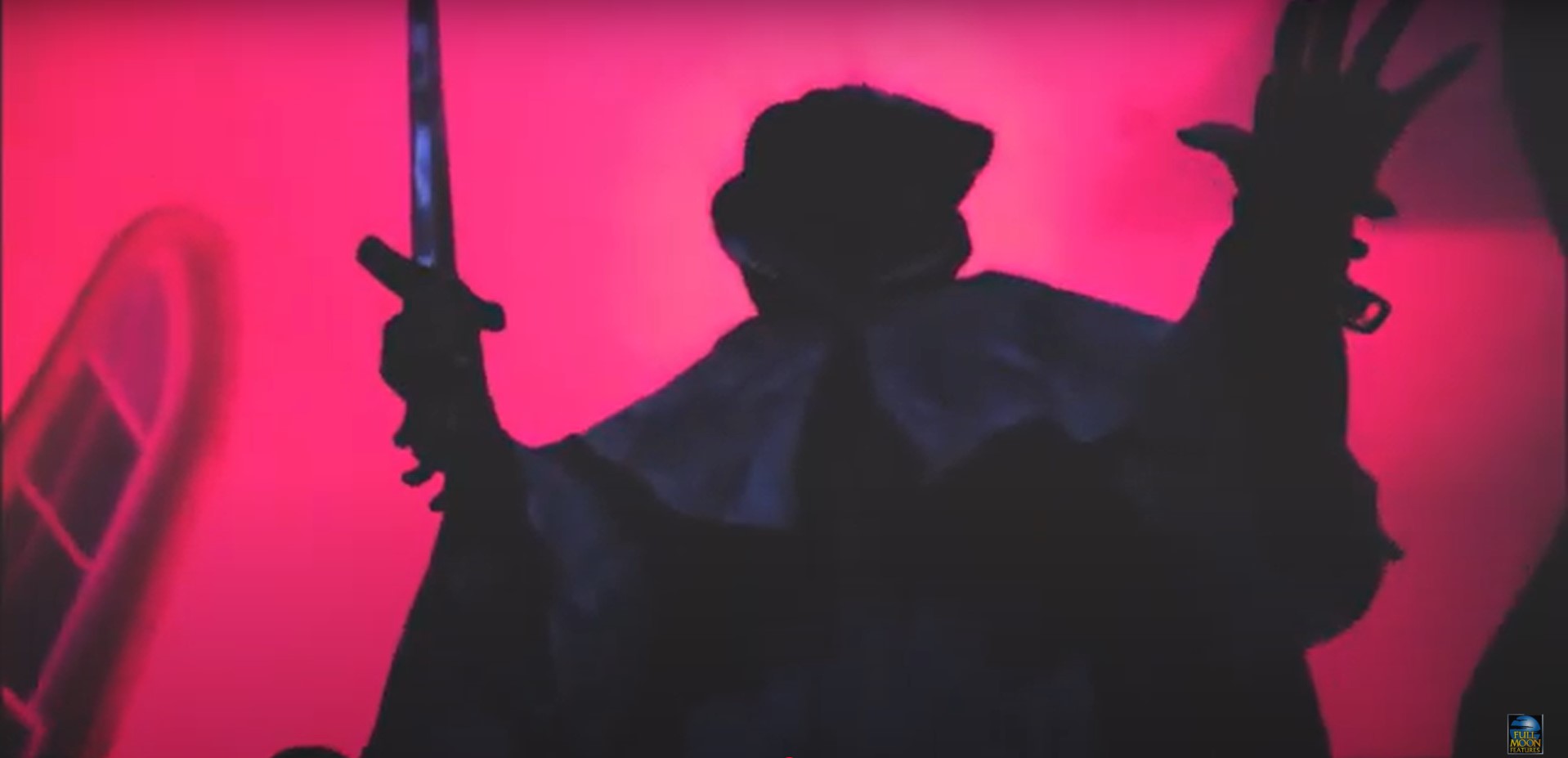
Fradkin’s able to capture desolate mood with limited production sets.  Most of all the “Beezel” story is set inside Fradkin’s childhood home in Massachusetts and with real, cold, New England snow that latter half of the story takes place.  Every tight and cobwebbed crawl space, every radiator-induced floorboard creak, and every outdated, antiquated, and obsolete feature of his parent’s home gave every ounce of spooky energy to “Beezel,” which, ironically enough, is what Beezel actually inflicts upon the current residents of the house.  Editing and the practical witch effects build the tension and suspense without giving too much away of Beezel’s hideous figure, cherishing Beezel for timely appearances rather than relying on its overuse which often leads to exposing too many rubbery and prosthetic flaws.  The episodic nature also keeps the story from being stale by jumping years, if not decades, that shepherd new characters and new scenarios into the fold as the story evolves through the difference lens of technology, in a half-ominous and half-found footage perspective with the latter being shot in super 8, VHS, and digital handheld camcorder and the original short breaking up the pattern with a microcassette tape deck.  “Beezel” perfects the blend of live-action and found footage without feeling forced and unnecessary with a truly frightening approach to the witch trope that’s worth devouring whole. 

The Social House Films brings the meanest witch this side of 2024 and Dread, the subsidiary label of Epic Pictures Group, who also pushes their own boundaries with “Beezel’s” visceral path, as well as sport some uncommon nudity in one of their films, has the Blu-ray for you! The AVC encoded, 1080p resolution, single-layer BD25 manages to scare through the lower end of capacity format with really no issues with compression. No banding, no blocking, nor any other noticeably ostentatious artefacts to speak about as the rendered image, despite its softer detailer markers, pulls off a passable and potent portentous story through a digital, anamorphic 1.78:1 aspect ratio lens, often switching between media parallels of POV Super 8mm, VHS, and DVX camcorder that vary in levels of detail and grain. Dread Central presents two English audio options, both lossy: a Dolby Digital 5.1 and a Dolby Stereo 2.0. Surrounding, multi-level house atmospherics, various media equipment, in-and-out of the dream subconscious, and, of course, the blend witch herself, create an unfaltering, ample, and competent sound design although the format doesn’t reproduce true fidelity. Back and side channels flourish with frightful house creaks and other environmental elements while basking in the silence for a solid jump scare or building palpable tension. English subtitles, as well as Spanish subtitles, are available for selection. Special features include an in-depth look at the making of the film, Aaron Fradkin’s short films “Doctor Death” and “The Sleep Watcher,” and other Dread Central distributed film trailers. I had aforementioned Beezel not being shown too much in the film but her rather grotesque, bloodied-mouthed face captured in still image, glammed up and embellished for public consumption, graces Epic Pictures’ one-sided, front cover image, warmly soaked in a reddish-orange glow. The disc is pressed with a Scolopendra, or Giant Centipede, coiled over the title. No other tangible items come with the release. The not rated release has a runtime of 82 minutes and is region free for all!

Last Rites: As we close out 2024 with an evil old hag, “Beezel” is one hell of a movie to close out on. Soul-tattering story that spans decades, “Beezel’s” the witch with an incredible insatiability and her hunger will have you recoil in fear of being the main course.

“Beeze” is the Witchiest Blu-ray of 2024! Get it here!

Josef’s Little One-Day Video Diary Bares Unnerving EVIL! “Creep” reviewed! (Second Sight Films / Limited-Edition Blu-ray)

“Creep” on a Limited Edition Second Sight Films Boxset!

Aaron, a videographer, travels to a lakeside cabin in Crestline, California after responding to an online ad for a single day’s worth of work.  There is where he meets Josef, a husband and soon-to-be father dying of terminal brain cancer who wants to film the entire day as a memoriam video for his unborn child.  As the camera rolls, Aaron captures Josef’s strange yet sad behavior in an outpour of unstable emotions that put Aaron in an uncomfortable spot.  When Aaron learns Josef might not be sane, he’s able to elude the creep’s attempts to hold Aaron captive, but the videographer hasn’t entirely escaped Josef’s obsession with video recordings and unusual gifts being sent to Aaron’s home address.  The call to the police proves pointless when Aaron can’t provide detail information about his former, one-day employer and he often feels not alone in his home, but Josef’s last recording shows a different, desperate side of Josef Aaron can’t ignore. 

What happens when two guys with a camera try to shoot a comedy about two strangers having an awkward encounter?  They end up making one hell of an awkwardly scary horror film.  That’s what happened to Patrick Brice and Mark Duplass on their 2014 found footage film “Creep.”   Brice directed the feature along with co-writing the unsettling dark human nature story with Mark Duplass that proved to be more than just another found footage folly as the original film spawned an expansive, 2017 sequel and this year’s Shudder series “The Creep Tapes” with both Brice and Duplass returning to fill their original, multi-capacitated roles in front and behind the camera.  When those close to Brice and Duplass had screened the originally intended comedy, the feedback was to pivot to an uneasy loner and a serial stalker and that’s where producer Jason Blum of Blumhouse Productions came into play that secured additional shots and reshoots to recut and expand upon the creepy creeper.  “Creep” is also a production Duplass Brothers Productions with another “Creep” franchise regular, Christopher Donlon, serving as co-producer.

With a cast of two, the story must be engaging, interesting, scary, and above in order to continuously captivate or induce edge of your seat anxiety-riddled anticipation.  Brice and Duplass control the narrative by being on both ends of the camera that could only go in one of two directions – be a disastrous outcome of looping and stagnant underdevelopments really about nothing at all or could be evolve constantly, but slowly, to build upon, but not reveal to hastily, a slow burn of psychopathic tendencies toward one person.  Duplass as the dying Josef leaves a frightening, unsettling impression of a man glowing with mania and he’s ever effervescent in trying to playfully scare Aaron, played by Patrick Brice looking through the lens, anyway he can, such as running off into the wilderness to pop up and scream, put on a ferocious-looking wolf mask and do a song and dance act that pinches the nerves, and tell him secretive stories of his life that would disturb any listener.  Amid the craziness, we’re not sure why the character of Aaron would stay and film while being subjected to Josef’s impulses.  Yes, Josef pays him handsomely for a one-day gig but there’s no desperation in Aaron to warrant what seems to be frisky abuse at hands of a grown man on the verge of breakdown.  Audiences from the get-go will experience Aaron’s painful staidness of passivity while Josef just runs him like a high school track and while internally thinking how absent Aaron’s situational awareness is, this act of humoring another person can be totally plausible to a fatal flaw.

Found footage has been mostly overused, misused, and abused for the better part of 20-or-so plus years thanks to the global success of “Blair Witch Project,” but there are diamonds in the rough that stand out amongst the murky muddied subgenre and “Creep” is one of those sparkling few to emerge.  What’s fascinating about the design is it doesn’t try to do too much within the frame.  Simple jump scare gags, such as popping out behind doors, are heart-jarringly effective without all the razzle dazzle of visual effects or practical makeup effects.  Another star quality is the story’s music soundtrack, there is none.  Silence is golden.  One of my personal pet peeves with found footage is the use of a musical score that instantly eliminates the realism the subgenre naturally wants to perceive.  “Creep’s” longevity as a realistic scary situation within the unembellished optical camera nerve lasts because of the smaller things, such as having no soundtrack alongside the raw video recording that creates a deafening, shivering quietness and enhances those basic jump scares to a pee-your-pants level.  There’s no overcomplication of material, no unnecessary enhancing, just two guys with a camera trying to make a comedy and come out with a “Creep” of a film. 

“Creep,” the small film that could, receives a new limited-edition Blu-ray set from UK label, Second Sight Films.  The AVC encoded, 1080p resolution, BD50 is collaborative product with Kaleidoscope Home Entertainment and denotes a picture-perfect home video quality found footage always strives to reflect with a 24 FPS run and an image decoding that averages in the mid-30s.  A wide variety of healthy raw-for-realism shots from a Panasonic AG-DVX100 B version digital handheld that allowed to shoot in a widescreen 1.78:1 aspect ratio.  Darkened shades, contrasting variables, and an ungraded finish is a part of the found footage game, but the way Brice handles the camera is less shaky than most of the subgenre, completed with steadier, tracking shots or left-in-place recordings.  Details are not always going to be defined but for this subgenre, a subtle interlacing effect is appropriate and welcoming.  The lossless English DTS-HD Master Audio 2.0 Stereo mix is recorded from the DVX100’s onboard external microphone that captures the natural elements as well as a softer dialogue track for those in front of the camera compared to behind, creating an organic depth where needed, such as when Josef runs off into the woods we hear the fading crackling of brush under running footsteps.  There are some added elements into the sound design for long shots that need more than what the microphone can offer and those are meticulous placed to work with the images.  The softer dialogue does not give away to intelligible or obstructed dialogue as conversation, whether at a slower speech delivery or a heighted yell or scream, maintains prominence and, occasionally, does feedback slightly into the external microphone, adding to the realism of found footage.  English subtitles are optionally available.  Second Sight boxset are jammed packed full of succulent, exclusive content and “Creep” is not exception to the rule.  The set houses a new audio commentary with director Patrick Brice, editor Christopher Donlon, and actor Mark Duplass, an archival commentary with Brice and Duplass from the initial home video release, a new interview with Patrick Brice Peachfuzz, a new interview with Mark Duplass Into Darker Territory, a new interview with editor Christopher Donlon Expand the Universe, a live Q&A with cast and crew 10 Years of Creep, and deleted and alternate scenes and ending that hark back to the “Creep’s” original intention of an awkward and sad comedy.  The limited-edition contents include a rigid slipcase with new artwork by Luke Headland that plays into the fuchsia coloring motif we’ve seen lately with Second Sight front covers, 6 collectible art cards, and a 70-page colored book with additional Headland art and new essays from Kat Ellinger, David Kittredge, Amber T, Sarah Appleton, and Blu-ray acknowledgments and credits.  The release comes region free with an open licensing and so the 78-minute film, which is UK certified 15 film for strong violence, and references to sexual violence, can be enjoyed globally.

Last Rites: “Creep” will definitely creep you out. Second Sight’s highly anticipated and supplemental heavy set contends to be the last best physical release of this calendar year, closing 2024 by showcasing a troublesome and quirky sociopath and his unforgettable aberrant fixations.

“Creep” on a Limited Edition Second Sight Films Boxset!

Low Box Office Attendance Won’t Stop This EVIL From a Having a 4K Release! “Zyzzyx Road” reviewed! (Dark Arts Entertainment / 4K UHD and Blu-ray)

“Zyzzyx Road” Collector’s Edition Now Available on Amazon.com!

Tax accountant Grant has become an unfulfilling, steady husband and father bred by many years of walking the straight line.  When he meets the young, hot Marissa while gambling in Las Vegas, Grant quickly becomes enamored by the youthful blonde with the two of them ending up in a hotel room together, but when Marissa’s violently jealous boyfriend Joey breaks into the room, Grant inadvertently kills him in self-defense.  Eager to do anything for Marissa, the once unadventurous accountant lugs Joey’s corpse into the back of his car and the two drive hours through the night to the middle of the Las Vegas desert off Zyzzyx Road in attempt to bury him.  Intermittent visions and voices drive Grant to put into question Marissa’s intentions and the death of Joey, whose has suddenly absconded the trunk and is out for blood for jilted revenge, puts a snag into his plan of being with Marissa forever. 

Infamously known at one time for being the lowest grossing theatrically run film ever, only making a grand total of $30, “Zyzzyx Road” is an American mystery-thriller from “The Kindred” and “Return of the Living Dead III” writer and debut directorial of John Penney.  The 2006 independent feature, based off and intentionally mislabeled Zzyzx Road, a 4.5 mile-long road in the same name California town formerly known as Soda Springs, was mishandled during it’s limited release by showing in just one cinema during it’s theatrical stretch, being dethroned by “The Worst Movie Ever!” In 2011 with a total earning of $11, and rightfully so.  “Zyzzyx Road” did not justifiably garner such notoriety but isn’t totally faultless it’s misunderstood essence.  Shot in the Mojave Desert, the film’s principal star Leo Grillo funded the project under an LLC with Penny and casting director Valerie McCaffrey serving as co-producers.  

As tax accountant Grant, Leo Grillo has no issues stepping into a role that’s supposed to sound as vanilla as the character’s vocation.  Whether it’s Grillo’s limited expressive range or perhaps playing Grant to the very letter, Grant’s monotony doesn’t exude any kind of excitement, suspense, trepidation, or passion.  It short, Grant is about as plain as white bread.  Being in the embrace of a younger woman nor skirmishing with a violent man in the desert seems to get Grillo out of his austere shell, even when in the final, when Grant is supposed to be elevated as an unpredictable loose cannon, the Massachusetts-born, animal rescuer and sanctuary founder can’t muster a three out of ten on an intensity scale.  Opposite Grillo and a ten on the intensity scale, for any he’s ever made, is the late Tom Sizemore at what was perhaps the height of his drug-fueled career.  The “Relic” and “Saving Private Ryan” actor’s aggression is harnessed for Joey, Marissa’s out-of-control yet controlling ex-boyfriend.  Sizemore’s unusual hand movements, long wide-eyed stares, and sneering tone provide the fervor needed for the thriller as the two men mix it up all because of the sweet and innocent Marissa.  Or is she sweet and innocent?  Katherine Heigl (“Valentine,” “Bride of Chucky”) had not really blown up yet in her career but the then up-and-coming, mid-20 something Heigl is playing a seemingly odd choice for a late teen woman, but Heigl pulls off being a candy-coated frighten kitten for as long as the story says so as Marissa may not be as she appears.  Heigl’s performance grounds the two extremes within her male co-star counterparts, bringing with her a better operating perspective for “Zyzzyx Road’s” twisting, winding, out-in-the-middle of nowhere road. 

Within “Zyzzyx Road’s” framework, therein lies a good premise.  However, the story, as a whole, has a number a plot holes that notch out and negate earlier elements along its enigmatic journey of a couple heading to desert without a game plan to bury a human corpse.  The rewound flashbacks that hark to the catalytic incident work to an extent to setup visuals and circumstances audiences are thrusted into right after the opening credits roll and this structural design is a cognitive tell, a non-linear, trope device used to say that everything is not initially laid out.  Crucial pieces of the puzzle are omitted for something that is more inconspicuously afoot that will explain the whole ordeal in an epiphanic ah-ha moment.  Penney ten breaks the film in two with a sharp snap, presenting “Zyzzyx Road” now with more than one perspective that changes the game from one thriller genus to another thriller genus. 

Brian Yuzna and John Penney are quickly making a name for themselves in the boutique label department. Penney’s own “Zyzzyx Road” receives the ultra high-definition treatment with a Collector’s Edition, 2-Disc 4K UHD and Blu-ray combo set with the restoration supervised by Penney and presented in HDR 10 and the original widescreen 1.85:1 aspect ratio. The 4K is HVEC encoded, 2160p resolution, with a BD66 capacity while the Blu-ray is AVC encoded, 1080p resolution, BD50. The UHD provides a cleaner look with intrinsic detailing mostly around daylit exteriors while both formats instill finesse with the fathomable. Where not fathomable are the nighttime interiors and exteriors that trade shadow and depth delineation for lineless and dark atmospherics under an interesting choice of garage grading until multi-perspectives emerge, dichotomizing the grading between a super flat and natural, desert sunlight to shed light. No signs of compression issues during these scenes which would be more than half of the runtime, biding its time with the cat-and-mouse ménage à trois in the desert. Practical effects mixed with visual effects endure the early 2000s variety of inorganic movement and off-texturing. Another interesting aspect of this collector’s set is the audio contains a lossless and a lossy surround sound mix with an English DTS-HD 5.1 Master Audio and a Dolby Digital 5.1. Not sure why there’s a need for both on both formats as most cine- and audiophiles would prefer more fidelity over compressed, reproduced audio any day of the week; yet, both files render a clean presentation with forward and prominent dialogue. Being in the desert where space is abundant, depth appears deeply snubbed by the initial recording and sound design, but the added ambience of critter chirping, heavy winds, and rustling of the brush diffuse nicely into the whole that barely isolates and recognizes the unique distances. English subtitles are available on both discs. UHD special features is quite compact to the Blu-ray because of the limited capacity with 4K’s size but does come with a new commentary track with actor-producer Leo Grillo and a new commentary with producer-writer-director John Penney. The commentaries, along with a new feature introduction by Grillo and Penney, are also included on the Blu-ray disc, plus The Legacy of Zyzzyx Road, feature-length discussion between Johny Penney, Leo Grillo, and co-producer and casting director Valerie McCaffrey going down memory lane covering everything from the film’s genesis to the box office bomb. Also encoded is 11 archival behind-the-scenes featurettes, an older interview with John Penney, a then & now shooting location revisitation, storyboard to live shots, a storyboard slideshow, the music video The Mystery of Zyzzyx Road, and the trailer. Outside from the inside, Dark Arts Entertainment’s physical presentation comes with a cardboard O-slipcover that speaks to the story’s puzzling mystery in a compositional layout with actual puzzle pieces with the flipside displaying no technical or credit information but rather a series of scattered photographs of certain scenes. The black 4K UHD Amaray case has the original one sheet artwork with the backside filling in the technical and credit information; however, there’s a noticeable error in the listing of both formats where the back cover doesn’t list the Blu-ray. Instead, 4K UHD is listed twice and the corresponding supplements representing the 4K UHD and the Blu-ray. At the bottom, under cast and crew acknowledgments, you’ll see both formats separated for A/V specifics. On the inside, each disc is kept in separately, one on each side, and pressed with arid Leo Grillo with a shotgun in hand. Both formats are hardcoded region A playback and have a runtime of 81 minutes in it’s not rated tale.

Last Rites: Though spelled differently from the actual road Zzyzx, “Zyzzyx Road” isn’t a long, dull stretch of unattractive landscape the box office numbers had suggested. Yes, “Zyzzyx Road” has potholes, or rather plot holes, that need to be addressed and filled and some minor tweaking with its cast, but the tangling, tangoing trio of Heigl, Grillo, and Sizemore is an amusing 81 minutes of cerebral-damage cat-and-mouse.

“Zyzzyx Road” Collector’s Edition Now Available on Amazon.com!

Beware of Friendly Strangers, They Just Might Be EVIL! “Speak No Evil” reviewed! (Acorn Media International / DVD)

“Speak No Evil” has Speechless Horror! Now Available at Amazon!

A Danish family on holiday in Tuscany meets a family from Holland.  The two families hit it off enjoying each other’s company on the final days at the getaway villa.  Weeks after returning home, a postcard arrives from the Dutch family, inviting the Danish family to stay with them for a weekend at their home.  What starts off as the pleasant beginnings of friendship slowly degrades to an unsettling suspicion something is not right with the Holland family.  Abel, the Dutch couple’s mute son, is held to a higher standard with uncompromising, punitive measure, the husband and wife’s acute uncouth behavior sets an uncomfortable stage, and their attention toward the Danes’ daughter, Agnes, is unconscionably overstepping parental boundaries.  An attempt to call out or even leave the home altogether has been met with disbelief, guilt, and pleads for stay and enjoy under their guise of sincerest apologies soon to be dropped for something far more sinister. 

Before James McAvoy grew a beard, got jacked, and attired himself in buffalo plaid for his manly maniac performance in the 2024, usurpative family thriller, “Speak No Evil,” directed by “Eden Lake’s” James Watkins, the Netherlands and Denmark were the original blunt forces behind the sociopathic caprices of those assumed normal and amiable adults.  Only released two years ago, the 2022 film that spurred the American remake and the feature’s namesake is directed by the Copenhagen-born Christian Tafdrup (“Parents’) and co-written between Christian and brother, Mads Tafdrup, as one of their numerous collaborations since 2017, beginning with a manipulative tale of a viperous female in “A Horrible Woman.”  Profile Pictures (“Holy Spider”), in a co-production association with OAK Motion Pictures, serves as the production companies on the Jacob Jerek, of Profile Pictures, and Trent, of OAK Motion Pictures, produced motion picture shot primarily in the southern portion of Netherlands in the Friesland region.

The Danish father and mother, Bjørn and Louise, are played by Morten Burian and Sidsel Siem Koch and before becoming ingrained into the crux of the story, the couple reflect a complicated complexion all on their own, especially and specifically with the focus toward Bjørn who seems unsatisfied or unhappy with his life as he’s shown staring off in the distance or mentally checking out at the dinner table.  The Danish are represented as a couple who are too nice to a fault, unable to say no most of the time, and try to keep to themselves mostly when a problem arises, skirting away without notice in a dust of avoidance.  That’s not so much the case with the Holland father and mother, Patrick and Karin, bordering as an equally amiable couple performance by Fedja van Huêt and Karina Smulders.  That is until the outer appearance of friendly strangers turns into an uncomfortable nightmare of being caught between a rock and a hard place of how other people live and do things, especially from another culture or country.  Patrick and Karin show more passionate displays of anger, sexuality, and bohemianism that wasn’t on display on their shared holiday with the Danes.  Then, there are the children.  Agnes (Liva Forsberg) is a lovely young daughter perhaps too coddled by her parents, especially by Bjørn who can’t resist saying no in going to find Agnes’s beloved stuff animal when she constantly loses it.  Abel (Marius Damslev), on the other hand, is shy and can’ talk due to a tongue malformation, but the overly critical parenting by Patrick and Karin keeps Abel on a silent edge.  The Holland family’s outer haul slowly regresses, facades drop, but still the Danes are reeled back in by their own niceties despite all the red flags.

I can’t help but think those comportment particulars are somehow a reflection of the Denmark peoples’ true nature as a statement to their culture and social relations between themselves and, in this case, their neighboring countries.  The Tafdrup brothers prelude the script with verbal contrast between the two countries, such as their similarities, but the Tafdrup’s firmly stamp that just because you’re similar doesn’t mean you’re the same.  The notion can be applied to anybody of people from groups to individuals living amongst each other in a neighboring fashion and that their differences are being conducted right under your noses.  Of course, the script then embellishes more a distributing sensationalism of a spider leading the innocent moth to it’s sticky web by an attractive, orienting glow of light.  The analogy is right up Bjørn’s alley as a man who is looking to loosen the chains of parental and marital, perhaps even inherent to his nationality, suppression in a misguided notion that his promises have put a limitation on freedom; he finds himself attracted to Patrick’s freewheeling way of life and wants to emulate that in some sort of way.  The psychology behind “Speak No Evil” runs rampant with a paralyzing inability to let wicked do what it wants without confronting it head-on or without fighting it.  “Speak No Evil” is a chilling story of the all too familiar Edward Burke phrase, the only thing necessary for the triumph of evil is for good men to do nothing

“Speak No Evil” arrives onto UK DVD from Acorn Media International co-presented as a Shudder Exclusive and IFC Midnight production.  The MPEG 2 encoded, upscaled 1080p, DVD9 is presented with an anamorphic aspect ratio of 2.35:1 that encompasses an array of landscapes from vast fields, rocky dunes, and Tuscany vistas.  Contrastingly, director of photography Erik Molberg Hansen goes for an austere, harsh grading with little less light to give everything surface a rough edge from skin to fabric to natural to synthetics.  Colors a held at neutral browns, tans, grays, and blacks to accentuate the severity that continues to increase as the story progresses when moving away from holiday in Italy to the morose, rock-strewn dunes in Holland and while details are generally lost in dense nighttime exteriors, the more brightly lit corners excel in isolated spots.  The Danish-Holland-English audio comes in only one format, a lossy Dolby Digital 5.1 surround sound mix.  Adequate for this type of interpersonal awkwardness, the score and sound design offers a plentiful mix free from compression issues or physical obstacles on the recording in post.  “Speak No Evil” is person-on-person violence in the most primal form that leaves the possibility of added effects from violence next to nothing in what is more of a less is more design under a suppressive audio format that’s akin to trying silence a low-talker.  Dialogue is clean, clear, and at the bow of all the other layers in the audio boat.  What’s interesting about the encoded English subtitles is that they’re only available for the Danish dialogue and not the Netherlanders’, which adds an additional layer of intrigue and suspension as the non-native Dutch speakers with not understand what Patrick or Karin are communicating between each other.  The static menu offers no special features option and there is no stinger at the end of the credits.  The clear DVD case showcases that austere black and gray look with one of the story’s most engagingly odd scenes involving Abel.  The insides are standard edition bare as well with this disc pressed with the same primary image.  THE PAL disc is hard coded with region 2 playback, has a runtime of 93 minutes, and is certified 18 for strong violence and injury detail.

Last Rites: The original “Speak No Evil” speaks volumes of the dangers of societal pleasantries that turn a blind eye to caution for the sake of not hurting the feelings of others, but those subconscious hints are a part of the innate, primal early warning system in us all. Once we ignore those insinuations, we might as well dig our own grave.

“Speak No Evil” has Speechless Horror! Now Available at Amazon!

The Jack-O-Lantern of EVIL Curses! “The Pumpkin Man” reviewed! (Scream Team Releasing / DVD)

Don’t Accidently Curse Yourself by Not Owning “The Pumpkin Man” on DVD!

The town of Cromwell lives and breathes off the demonic urban legend known as Pumpkin Man during the town’s full embracement of the Halloween season. College student Catherine, the town’s biggest savant of Pumpkin Man lore, has been given a tidbit of information of where to look for clues in discovering the lost book of spells that can summon the demon. After Catherine incantates the book’s passages, the frenetic young woman receives the intended reaction out of her friends, to scare the living daylights out of them with a legendary prank, but as true legend goes, those who read the words and summon Pumpkin Man back from the depths of Hell will become cursed to die by the demon’s elongated claws. Now, Catherine and her friends are haunted while they sleep, and their reality is twisted while awake as the Pumpkin Man toys with them until those who evoke his name is dead.

Halloween may be over, Thanksgiving too, but the spirit and the fear will always remain, especially when we all embark into the jolliest times of year.  There would be no shame in watching “The Pumpkin Man” while drinking hot cocoa and basking in the warm glow of your red, white, and green tree lights as you sit in the dark.  The glow of the television setup will keep you cozy and warm as a tall, pumpkin-headed demon literally rips the faces off cursed kids in director Ryan Sheets’ first feature-length film based off his short films series of the titular, iconic character.  Sheets’ inconspicuous indie franchise has spawned 5 short film sequels from the original 2016, 4-minute short, including a versus pitted against another Ryan Sheets’ regular character Kreepy the Clown.  Sheets cowrites the feature with Nick Romary, the original Pumpkin Man actor Jeff Rhodes, and his wife Janae Muchmore, pieced together by the central Florida team’s production company South Ridge Films with Sheets’ daytime colleague, fellow attorney Jason P. Herman, footing most of the bill as executive producer. 

Unlike the shorts, the feature features a whole new cast of carefully crafted victims for the demon to shake up and slaughter.  Even the Pumpkin Man himself is not played by Jeff Rhodes, who previous played the titular villain by more slasher-esque means with a butcher’s knife and a slow gait.  Instead, Ryan Sheets reimagines Pumpkin Head’s supernatural aesthetic and bearing by playing the demon gourd himself, in stilts, with less Michael Myers essence, and providing a proper name for the demon of Fall known as Kürbis.  The holiday spirited demon with a Cromwell history of whomever summons him will be cursed to die by him plagues a new set of fool-hearted conjurers nearly three centuries after a supposed Cromwell witch took her own life to stop the demon.  The film introduces the first-time principal role for Barbara Desa, a social media influencer and Orlando-based actress with a ton of a spunk, as Catherine Quinn, a quirky, Kürbis-obsessed Cromwell denizen with no real substantial motivation for finding the lost book of Kürbis other than to play a Halloween trick on her friends and be heedless to the consequential power it holds.  This makes Catherine dangerously unstable, and she feels more like a villain than the Pumpkin Head when irresponsibly meddling with something she truly doesn’t understand, compromising not only her own life but her friends too for fun at their expense.  The development of supporting characters outshines the simpleton needs of the principal Catherine as her friends, and outside the clique but stay in close proximity, find themselves having to make choice, such examples lie with Catherine’s best friend Jenny (“Stephanie Kirves) who chooses the demise of another just to save her own skin while Cather’s cop older brother Tim (Estaban Abanto) can’t ignore the gruesome facts of his little sister’s involvement in a couple of Cromwell murders and disappearances.  There’s also Michael (Matthew Beaton), a potential love-interest for Catherine being pulled from out of the friend zone and into more flirtatious foundations but is quickly blocked by the presence of Pumpkin Man’s uncanny ability to enter dreams and stir their existence into an unbalanced waking nightmare.  “The Pumpkin Man” rounds out with more local Floridian casting with Ariel Taylor, Krysti Reif, and Josh Rutgers.

This isn’t the Great Pumpkin, Charlie Brown. “The Pumpkin Man” doesn’t start off super strong with a tattered accumulation of characters and backstory that barely carve out the shinier surface’s meatier pith that provides traces of sympathy and capability for situations and characters before the turning point turns dour.  Yet, if you stick around through “The Pumpkin Man’s” missteps, what you get is a progressively better reconstruction of a supernatural slasher that sees some decently gore-soaked effects for an independent production.  The added bonus being the cost-saving aspects of Sir Henry’s Haunted Trail, a Florida Halloween walk-through attraction that provides the spooky atmospherics and ghoulishly made-up cast of jump-scare actors as background or pop-in macabre aesthetics.  What starts as a demon resurrecting, potentially unleashing Hell on Earth represented by Halloween synecdoche, the story hits a turning point and switches gears toward slasher properties that work more ideally with a Freddy Krueger inspired killer, embodying the spirit of Halloween in a different and welcoming way than other Samhain-centric killers with a high seasonal watch repeat and an unforgettable antagonist.

Scream Team Releasing shows what happens when the pumpkin smashes back in “The Pumpkin Man” on DVD home video.  Presented in a widescreen 1.78:1 aspect ratio, the MPEG2, upscaled 1080p, single-layered DVD5 has lower image resolution because of the single layer compression that’s encoded with not only the feature but also a fair amount of bonus pumpkin batch content.  Black areas are not as clean and void with some noticeable posterization, details and overall picture crispness are not as sharp with a smoother contour between interior and exterior scenes, and coloring is often muted with missed opportunities for a punchier palette as the cinematography is completely ungraded, appearing as mostly raw, jittery footage underneath a more dynamic audio layer.  The lossless English Dolby Digital 2.0 stereo levels range from an anemic muffled to just at the edge of overextending the audio capacity but keep in line for better precision.  The diverse band soundtrack livens up downtime sequences to evoke a Halloween and rock or rockabilly mood and the sound design digs into the atmospherics with bug chirps, floorboard creaks, clock ticks, and the intertwinement of the brief ominous minor keys.  Dialogue is clean and clear, but Pumpkin Head’s post-added dialogue doesn’t ride parallel to the actor’s which is slightly isolated and boxy but is not terribly sync to make an audible make-or-break difference.  Extras include a director’s feature accompanying audio commentary with Ryan Sheets, a making-of featurette Carving a PumpkinTales from the Book of Kürbis an 8-part short horror anthological series directed by Ryan Sheets, and two trailers.  The DVD comes with a Casey Booth designed cover art that’s yells diabolical autumn harvest with a disc pressed with a more traditional, evil-cut pumpkin head overtop the orange-colored, rough-carved, and spikey “The Pumpkin Man’ font.  The not rated DVD has a runtime of 91 minutes and is region free for all.

Last Rites: Could “The Pumpkin Man” be worth exploring deeper into the mythos? After many successful short films in the last decade, Ryan Sheets has perfected the formula for his own temporal-traversing, gourd-headed demon and with a little more refining and stamina, we wouldn’t mind seeing “The Pumpkin Man” more on screen, or in our nightmares.

Don’t Accidently Curse Yourself by Not Owning “The Pumpkin Man” on DVD!