The Body Must Go Through an EVILution to Survive! “Crimes of the Future” reviewed! (Second Sight / 4K-Blu-ray)

“Crimes of the Future” 4K UHD/Blu-ray Set is the New Sex!  

Physical pain no longer resides in the human body, infection has all but been inexplicably eradicated, and new organs spontaneously appear, mutating their bodies and humanity into grotesque performance artist and back alley surgical pleasure seekers.  Saul Tenser and his partner Caprice showcase the new organ oddities with surgical art of removing the organ in front of sensually aroused and curiously stimulated spectators.  When an admirer offers an idea for a show, an autopsy of his recently deceased son he promises will be full of surprises, the artists dig into what could be a spectacular operational observation for shocking advant-garde art, but the deeper they dig the more than realize their own bodies might be evolving to a synthetic-laden environment and there are those working in favor and against what it means to be considered human in the New Vice Unit, at the National Organ Registration Office, and clandestinely, behind-the-scenes of the corporation Lifeform. 
David Cronenberg is known for pushing provocation in style and in substance.  His latest dystopian picture “Crimes of the Future” continues the provoking, controversial trend in his verve of body horror that has collectively corroborated Cronenberg as the face of the biologically integrating subgenre.  Cronenberg writes and directs the quasi remake of his 1970 feature of the same title with modern day effects as well as providing new reconstructive surgery on the story surrounding the man who grows new organs just to have them cut out shortly after.  Cronenberg tackles themes of human physiological evolution in a plastic consumed and destroyed environment and the evolution of performance art as it relates to sex or stimulation while also dipping his toes into the darker side of control with organization entities that either become an obstacle or a complete antagonist of corruption within a commercial corporation sense or a threadbare government agency that attempts to control and police a person’s own body and life.  Shot entirely in Athens, Greece under local production company Argonauts Productions, as one of man of the companies backing the 2022 feature, “Crimes of the Future is also funded by the capital investment company Ingenious Media (“Guns Akimbo”) and the Canadian governmentally funded Téléfilm Canada (“Ginger Snaps”) with Serendipity Point Films, Crave, and Rocket Science to name a select few in the co-productions.

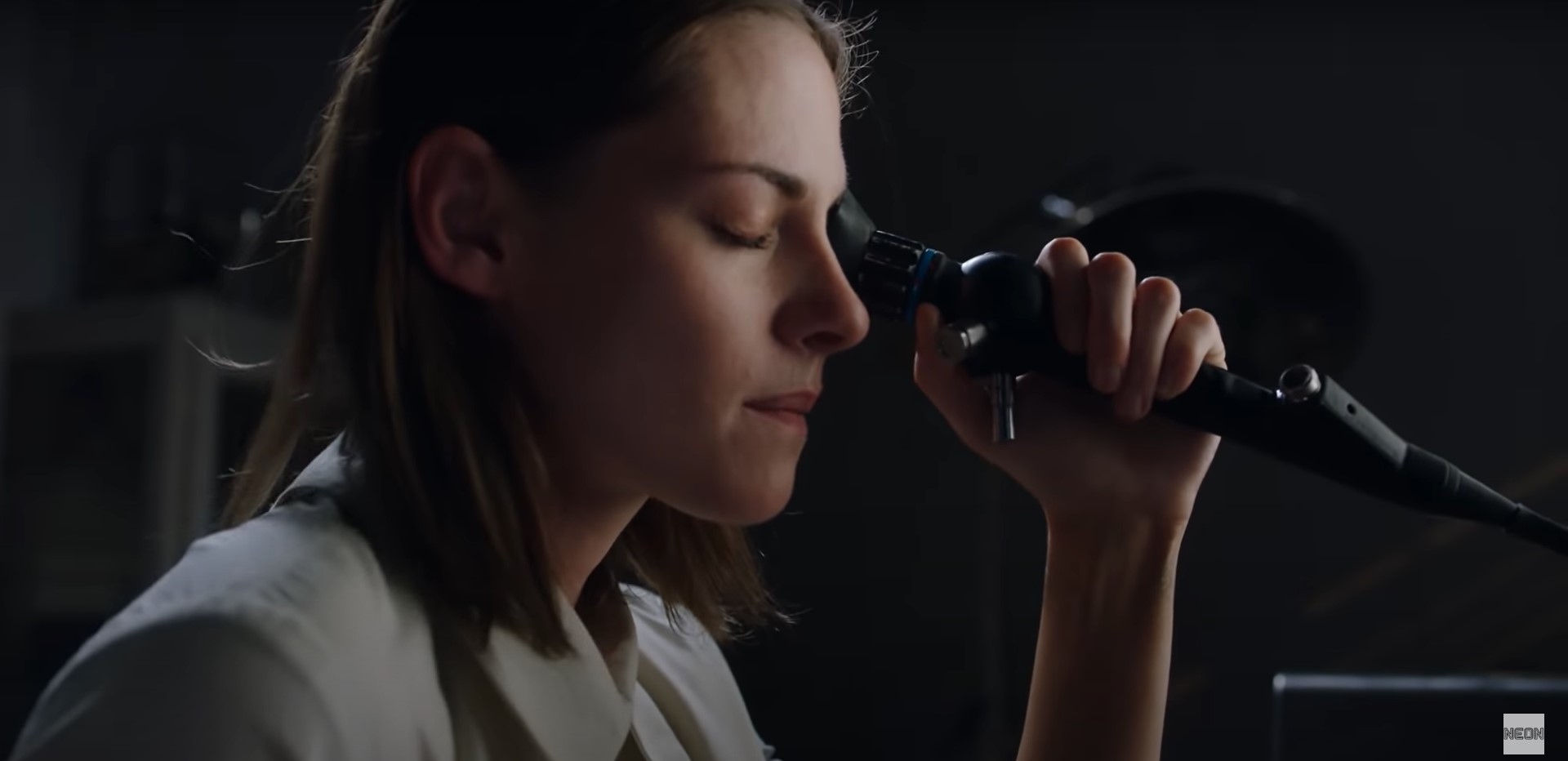
Marking his fourth collaboration with the director, Viggo Mortensen (“Eastern Promises,” “A Dangerous Method”) handles the fame of Saul Tenser, the subject of performance art with a knack for spontaneously growing new organs, or tumors, nearly at will and having them removed during surgical exposition at the hands of his intimate partner Caprice, quizzically seduced by the performance from “Blue is the Warmest Colour” and “Spectre’s” Léa Seydoux. Mortensen plays into Tenser’s will to remain what the institutes define has human only to become conflicted with the investigation into the prospect of rib-splitting a deceased young boy that sends Tenser into what-if territory. Scott Speedman (“The Strangers”) is the cause-driven father of the expired boy and Speedman sustains the character with his usual calm, soft-spoken demeanor which didn’t quite feel passionate enough for a neo-rebel against a society against what he stands for, what he is, and what he thinks everyone should relinquish to – to let the organs grow and flourish. Instead, the New Vice Unit Agent (Welket Bungué), the National Organ Registry’s bureaucrats, the excitable Whippet (Don McKellar, “eXistenZ”) and odd yet attractive Timlin (Kristen Stewart, ‘Underwater”), and an unscrupulous corporation looking to stop the spread of evolution insurgence for capital sustainability. Full of complex characters and neoteric performances, “Crimes of the Future” leaves a lasting impression, makes you stop and think, and indulges in the possibilities of the future with the help of a supporting cast that rounds out with Nadia Litz, Tanaya Beatty, Lihi Kornowski, and Yorgos Pirpassopoulos.
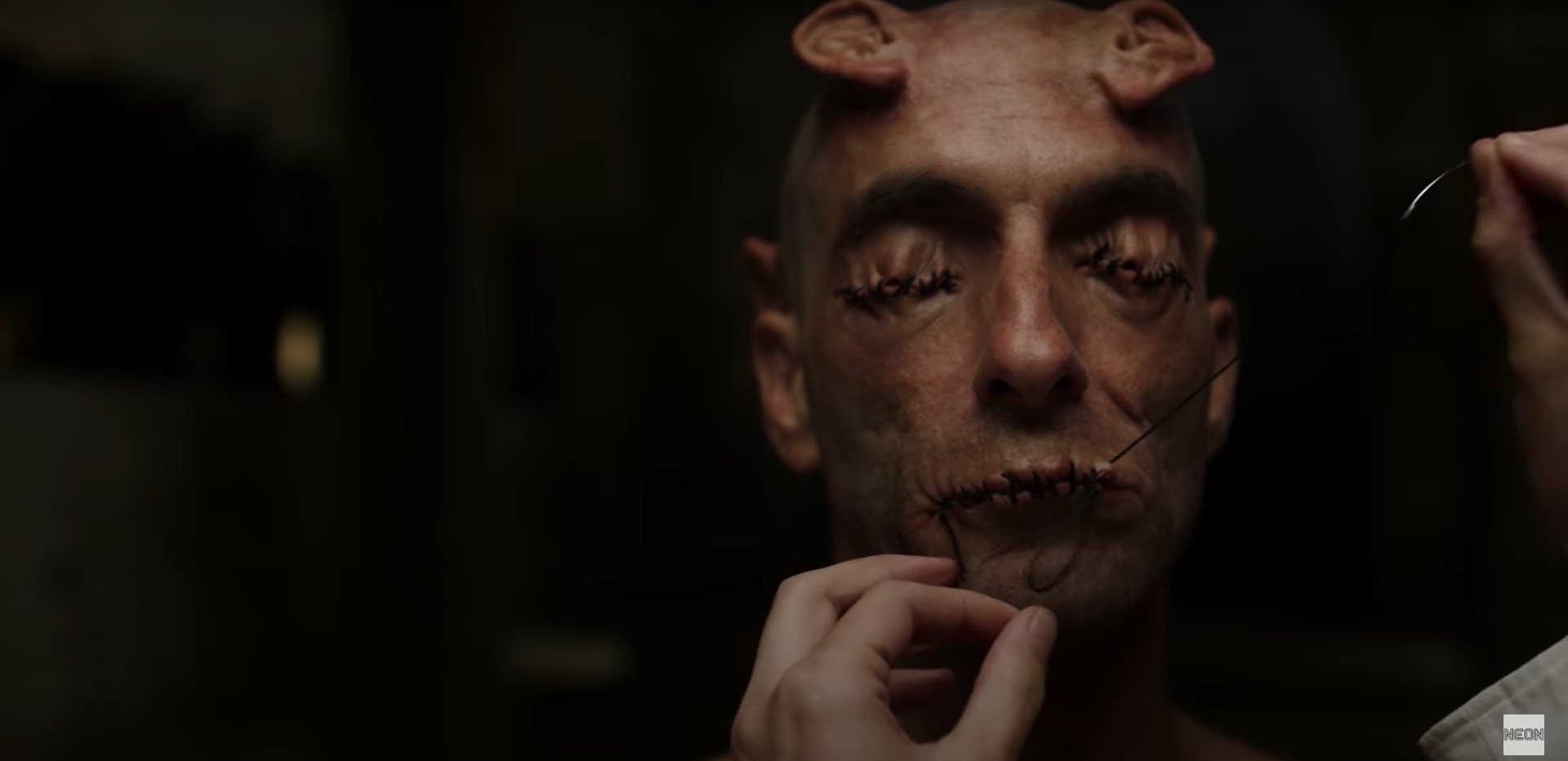
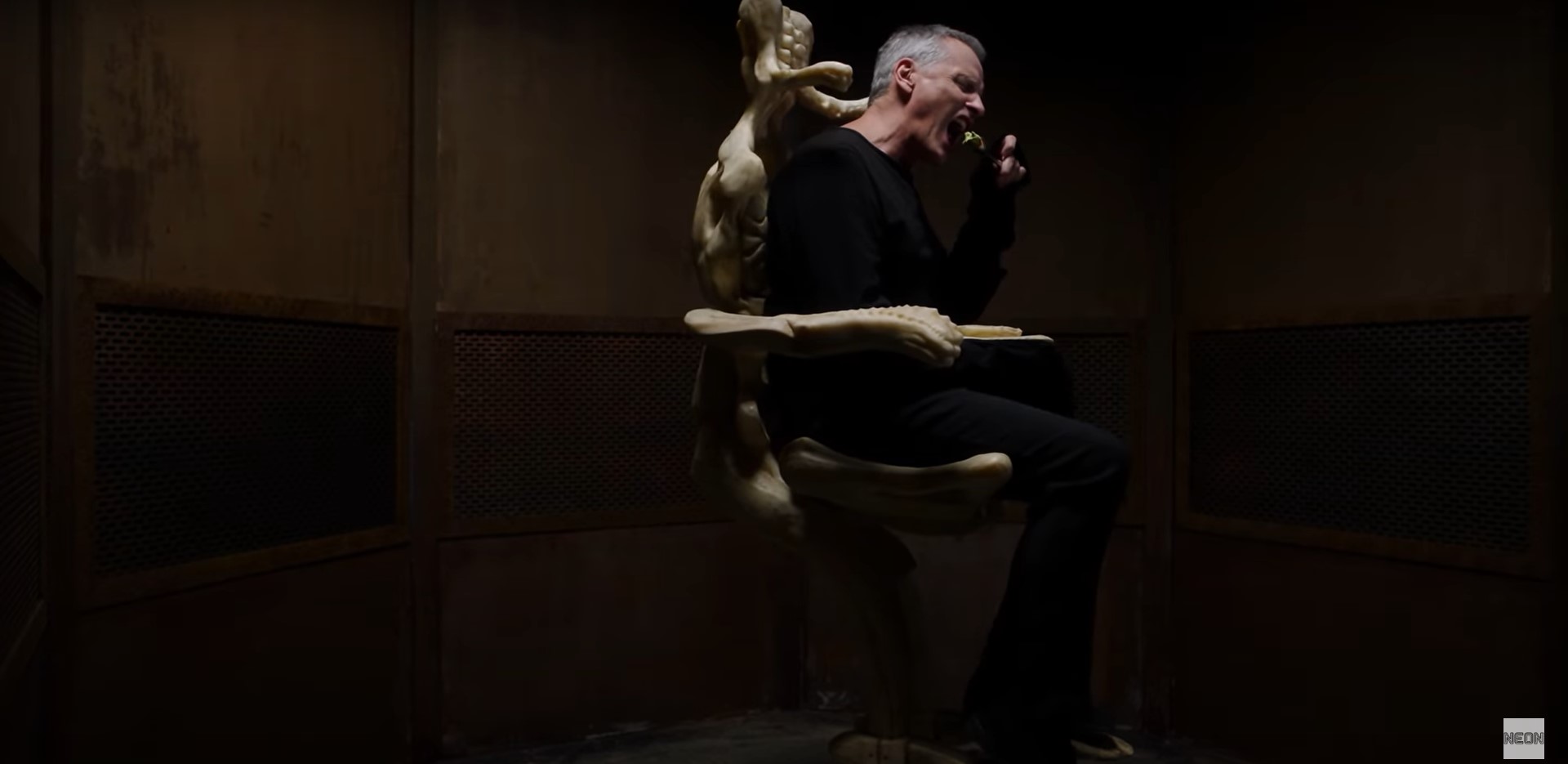
My official opinion about Cronenberg’s “Crimes of the Future” is that many viewers won’t see the multifaceted sides of what the writer-director is trying to convey.  What will be seen is the grunting organic bed that tilts back-and-forth, the fleshy and clunky moving digestive assistance chair that also has low guttural sounds, a dancing man sewn with many human ears, people being sliced open and enjoying it, and a dystopian future where suffering is not a main element.  People will see surface level abnormalities and gore and not understand the layers of a hard-pressed evolution in stagnation by unknown fear and extreme prejudice that runs rampant throughout Cronenberg’s underlying implication of an adaptation and updated normalcy inside a synthetic world.  “Crimes of the Future” is grotesquely beautiful in the depiction of not only how human culture and arts have morbidly progressed by the elimination of pain and by the advancement of technology only to be harshly juxtaposed against the grimy, gritty, and dilapidated habitation where infection feels high risk and imminent, but also in the corruptibility of the human condition that isn’t a naturally biological one like growing spontaneous organs.  Instead, the two bureaucrats of the National Organ Registry are supposed to be hardliners, rule followers, and thorough with their newfangled profession in the everchanging, unexplored future of the human physiology but are seduced by the intimacy of surgery, comparing it to sex with a high addiction rate.  The two agents are constantly breaking government policies and rules in order to be close to the dazzling aciurgy considered artful and alluring like a beauty pageant for the celebration of one’s innards.  Cronenberg also adds the caveat of corporate greed into the folds and flaps of “Crimes of the Future’s” dash of commercial retail that can be fleeting if not paying attention.  The threat of evolution aims to put body mechanism-correcting bed and chairs out of business and so a concealed aim to lobotomize that particular information permanently creeps up onto the narrative in some of the more frightening and gruesome scenes of smothering the risk it can spread like theater fire panic.  “Crimes of the Future” is an eye opening epiphany of everlasting ecological entrapment and the only way to survive is becoming accustomed to the taste of waste in order to be free of it.
If “Crimes of the Future” isn’t already remarkable enough in the wake of David Cronenberg returning to the body horror heir class, Second Sight stuns us with an impressive collector’s set from the UK. The 2-disc 4K UHD and Blu-ray set exhibits the film in a widescreen 1.85:1 with both formats decoding at an average bitrate of 23Mbps. The 4K UHD Dolby Vision comes in a HDR10 2160p while the High-Definition Blu-ray comes in a 1080p. Douglas Koch’s umbrageous urban bathed in greens and yellows and all the colors in between starkly hard lighting against softer details on the visual effects. Most details are lost in the tenebrous and decaying background of age worn and spartan warehouses with little-to-no wide longshots other than the opening of an overturned cruise ship in one of the very few daylight scenes, but the extreme contouring lucidly delineates the shapes around people and objects. Both formats include an English DTS-HD 5.1 Master Audio, providing a coherent and even robust dialogue through much of the Mortensen’s Tenser throaty rasp, Stewart’s Timlin robotic inflections, and Speedman’s Lang soft and breathy speech. “Crimes of the Future” is not volatile and full of action in what’s more a slow noir progression, focusing in on intimacy of dialogue, the proximate ambience, and Howard Shore’s (“Lord of the Rings”) neo-space opera and synth score. English subtitles are available for the hearing impaired. Second Sight puts heart and soul into every release when not only considering A/V but also special features and limited-edition contents. Special features include multiple succinct Second Sight produced interviews with director David Cronenberg and stars Viggo Mortensen, Léa Seydoux, and Kristen Stewart regarding “Crimes of the Future’s” broad vision. An extended interview with Don McKellar dives into his relationship with David Cronenberg from over the years plus his role as the National Organ Registry agent, plus additional crew interviews with producer Robert Lantos, cinematographer Douglas Koch, and editor Christopher Donaldson. Famed film journalist Leigh Singer provides a video essay New Flesh, Future Crimes: The Body and David Cronenberg, a making of featurette, production design materials that go deep into the austere and spartan look of Greece-turned-dystopian future, and a short film “The Death of David Cronenberg by Cronenberg and his daughter, Caitlyn. The physical features are a whole other beast within a rigid slipcase with new artwork by Marko Maney of a pitchy Saul Tenser relaxed in his orchid bed with tentacles while the back reads in stacked words, Body is Reality, glowing inside an old tube television. Both discs are held in an insert jewel amary case with its own Maney artwork of extracted organs in the same color scheme as the slipcase. Alongside the casing, there are 6 collectible art carts, a 120-page color book with production designs, location setups, and new essays by Reyna Cervantes, Tim Coleman, Joel Harley, Rich Johnson, Mikel J. Koven, Phil Nobile Jr., Ian Schultz, and Hannah Strong. “Crimes of the Future” is certified 18 for strong gory images and sex reference and runs 107 minutes on both formats with the Blu-ray locked in B region while the 4K UHD is listed as region free. Plausibly absurd, “Crimes of the Future” imparts far-fetched and dark humored science fiction, but if plants and animals biologically adapt to new or changing environments in order to survive, director David Cronenberg sees the future and renders a concept that, on a second sight thought, may be existentially key.

“Crimes of the Future” 4K UHD/Blu-ray Set is the New Sex!  

Time Travelling Tourists Just Want to See the Spectacle of EVIL! “The Grand Tour” reviewed! (Unearthed Films / Blu-ray)

Unearthed Films Stopped a Disaster by Going Back in Time and Re-releasing “The Grand Tour” now on Blu-ray!

Widowed contractor Ben Wilson and his daughter, Hillary, are a many 2×4 and paint bucket deep into a renovation of a dilapidated inn on the outskirts of town. Haunted by his wife’s death violent death and reminded of it by an angry father-in-law, Ben tries his best to be the best father to Hillary that a single dad can be despite his urge to drink and forget about the horrors of that fateful day. Unexpected and eccentric guests arrive at his doorstep demanding to pay handsomely to stay at his unfinished inn, regardless of the condition, and eager to be present for the secret spectacle to come that makes his inn more desirable than all the amenities of the hotel in town. The guests’ odd behavior, strange belongings, and secret talk lead Ben to believe these so-called tourists are not from his time and that the spectacle their awaiting for is tragedy in the making.

For an extreme film label such as Unearthed Films, Jeff Daniels is not necessarily a headlined name I would see on the cover art. Nor, and more surprisingly so in this instance, would I ever have thought that a PG-13 rated film would be in the same assemblage of titles as “Slaughter Vomit Dolls,” “Philosophy of a Knife,” and “Christmas Cruelty.” Yet, here we are today, the year 2023, over two decades of extreme horror distribution, and David Twohy’s “The Grand Tour” has been released. The 1992 time-traveling clock-racer, that also went by other titles such as “The Grand Tour: A Disaster in Time” or “Timescape,” is written for filmic treatment by the “Riddick” franchise director, adapted from the novella “Vintage Season” by the husband and wife writing team, Henry Kuttner and C.L. Moore. “The Grand Tour” is a production of Channel Communications and Drury Lane Productions, the companies behind Brian Thompson starring “Nightwish” which became also another Unearthed Films’ vault release and is produced John A. O’Connor (“Steel Justice”) and Robert Warner (“The Return of Swamp Thing”).

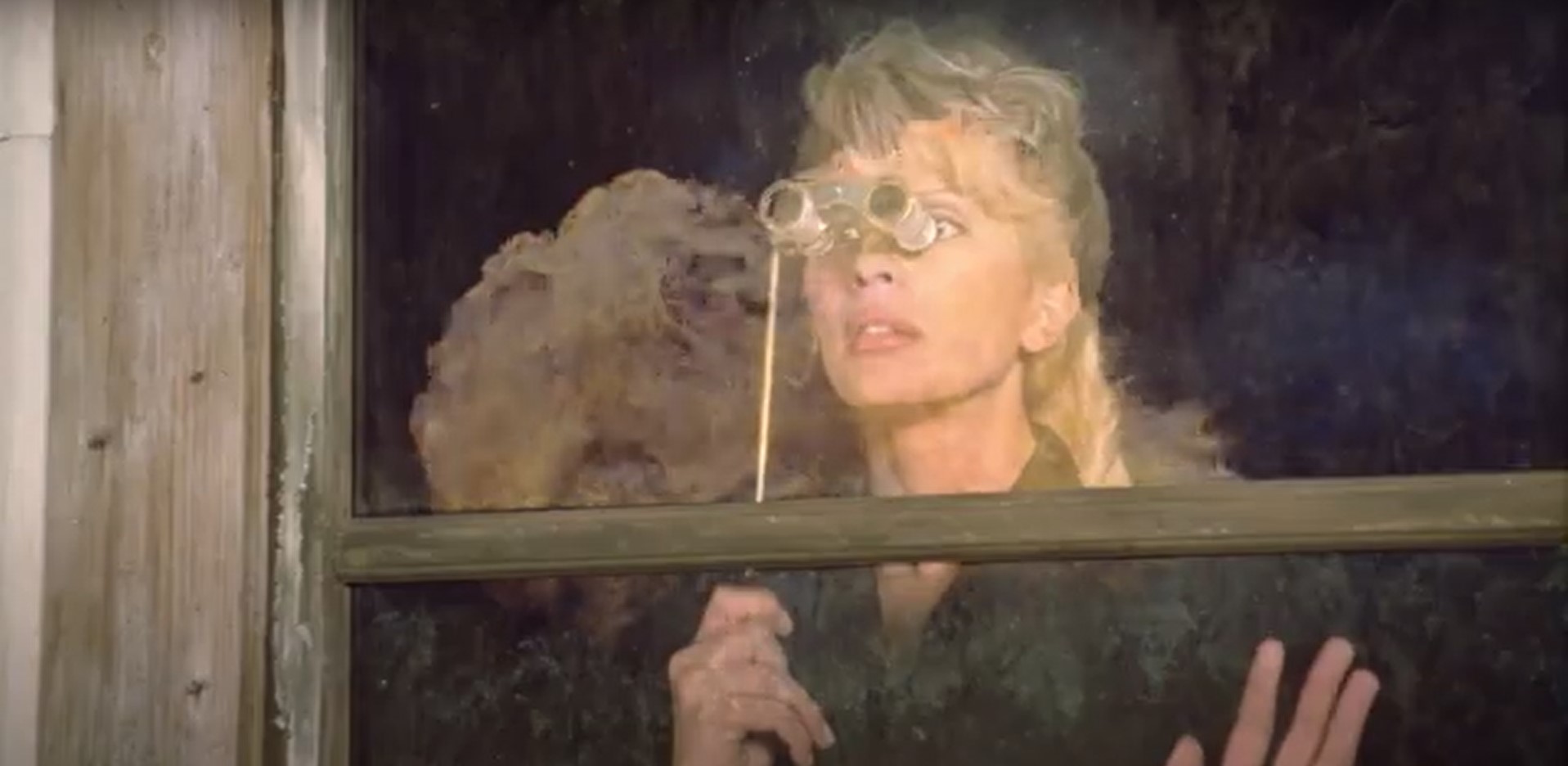
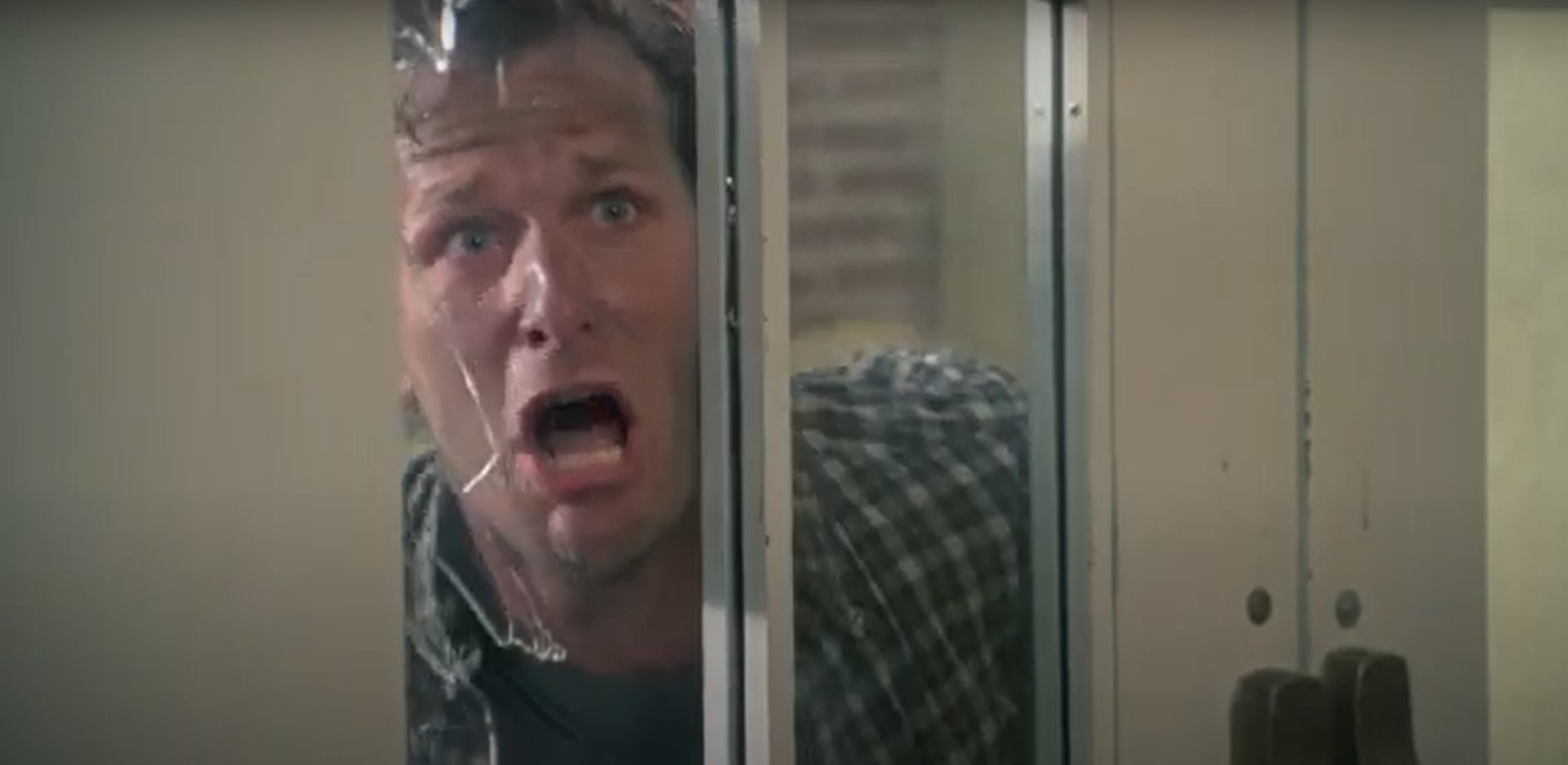
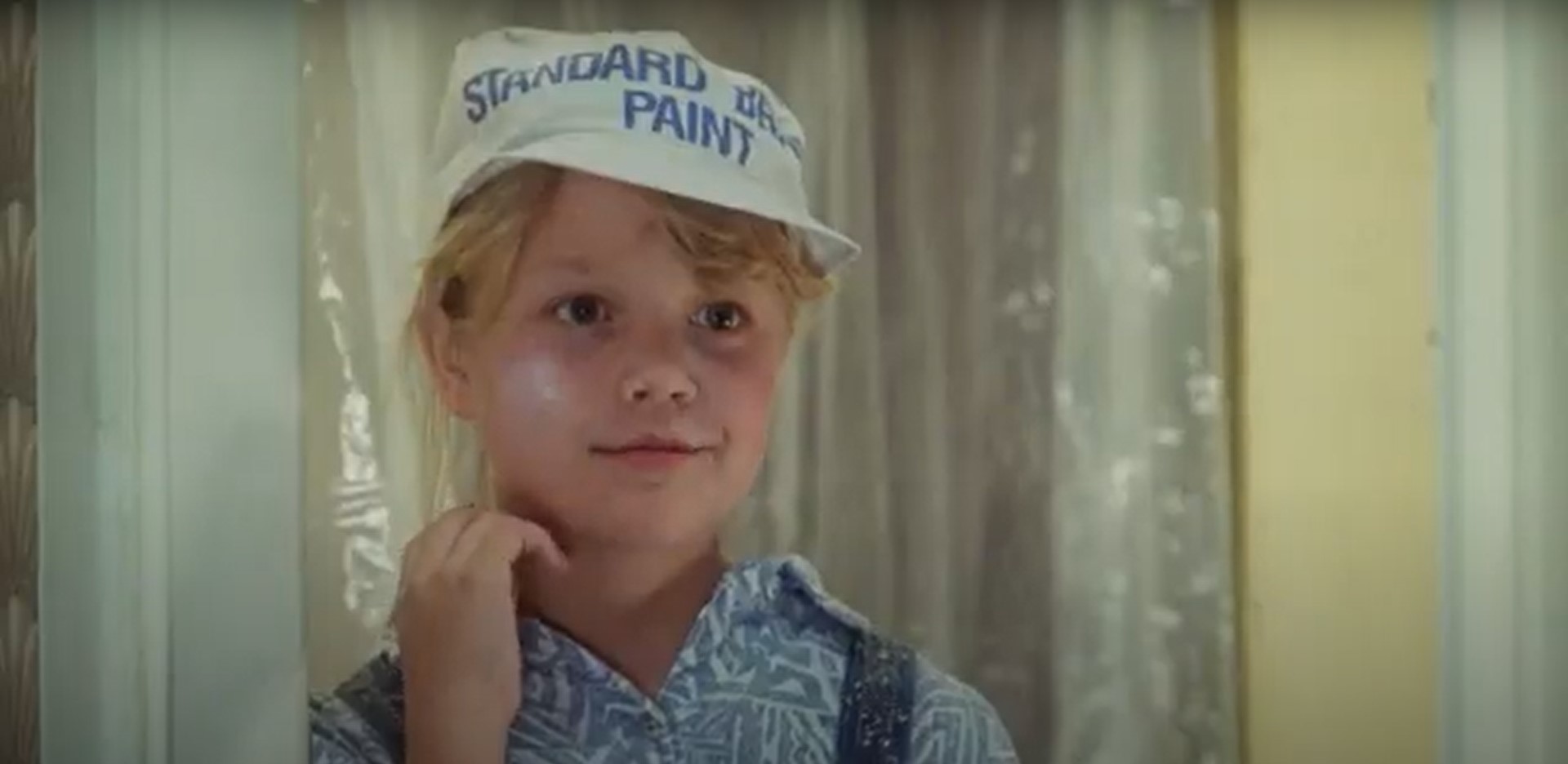
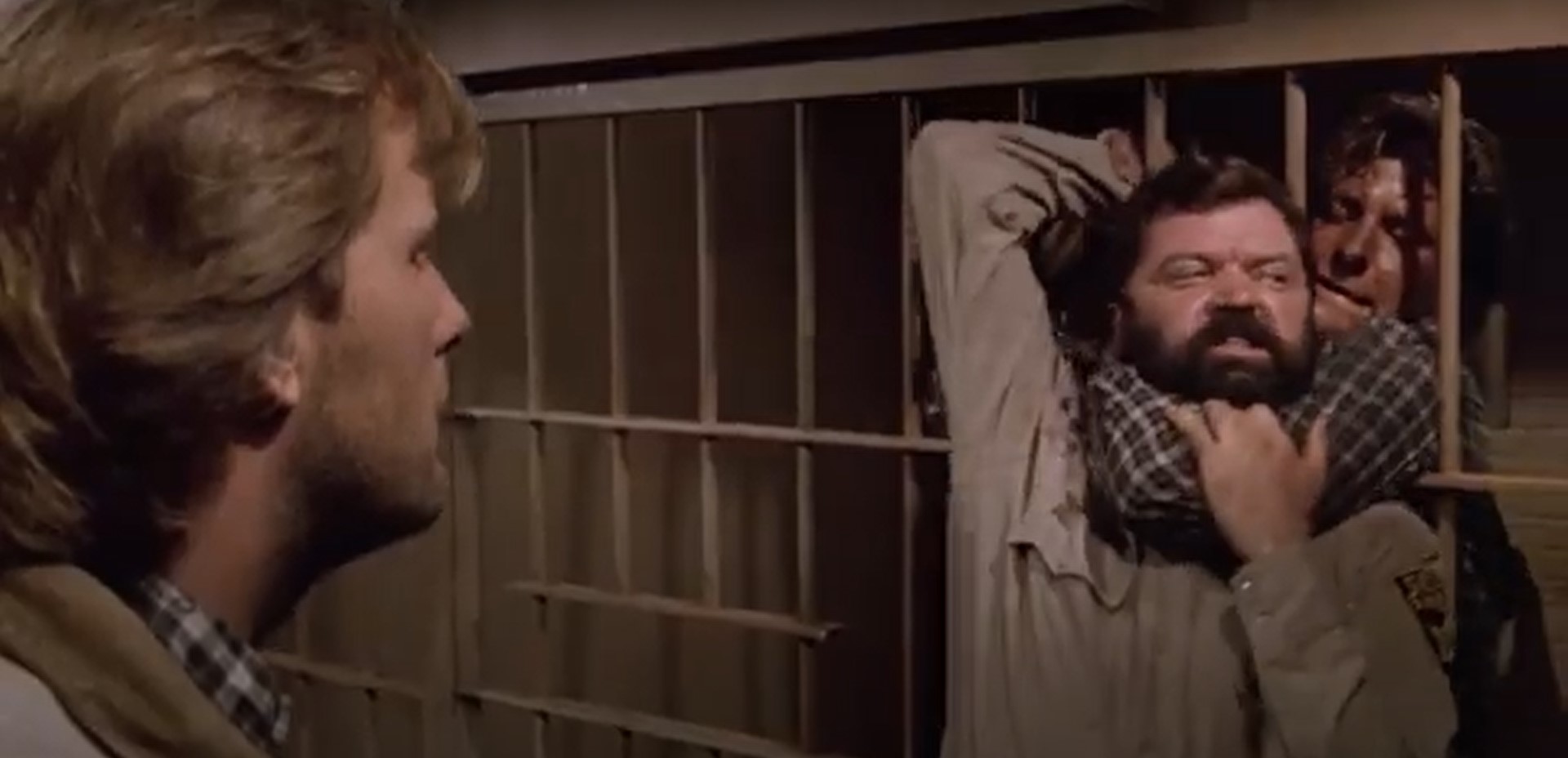
“The Grand Tour” stars the aforementioned Jeff Daniels who at this point was coming off the phobic-inducing success of the itsy-bitsy film called “Arachnophobia.” Daniels brings the same family man charisma, sarcastic wit, and unnerved intensity to the widowed construction contractor Ben Wilson. The character of Ben Wilson is unbuttoned from the beginning with only nightmares of an accident involving a horse drawn sleigh and verbal tit-for-tats with his bristly former father-in-law concluding the death of his wife only a short time ago. Wilson’s marked as a drunk and a shirker though barely do we see only a slither of the former; instead, Wilson’s rather astute, loving, and fearless in his time of time designed duress. Perhaps, Wilson’s arc has already been puzzled together and Twohy only mirrors into his once shameful soul to showcase how much he’s learned and how far he’s come to be more than just an abashed single dad and though Wilson is unbuttoned from the beginning of the story, Daniels buttons up the role with nothing less of perfection. Wilson’s daughter Hillary is played by pre-“Jurassic Park” screamer Ariana Richards who solidified her round-eyed concerned, over-the-shoulder look first in “The Grand Tour.” Hillary becomes the crux torn between the loving father that Wilson’s portrayed to be and an overreaching grandfather, who’s also the town judge (George Murdock, “The Death Squad”), holding a longstanding and personal grudge with his daughter’s ambivalent death. The youngster is also the reason Wilson is willing to risk the perfect future to save an ill-fated past. “The Grand Tour” enlists a versed lot of talent to round out the cast with Marilyn Lightstone (“Heavy Metal”) as the voluble tour guide, David Wells (“Society”) as a tourist with a conscious, and Jim Hayne (“Sleepwalkers”) as a down-to-Earth bus driver caught in the middle just like Wilson. There’s also Nicholas Guest (“Dollman”), Time Winters (“Skinner”), and Anna Neill.

Temporal manipulating or time-travelling films will undoubtedly always have faults as time is a finicky thing, some films accomplish time loops better than others, but I personally feel that as long as the narrative is entertaining enough and the time theory isn’t ludicrously idiotic, all can be forgiven or overlooked on the stretched fabric of time and place concept that can have easily spotted loopholes.  “The Grand Tour” is one of those divertingly pleasurable narratives with calamity hanging in the balance, a central do-or-die performance, and theme that hits at the core of a numb human perspective when seemingly life is nothing less than perfect.  The script bypasses the whole negating physics of the narratives time-travelling and butterfly effect piece with Daniel’s character verbally damning the hypothetical’s inaccuracies in a fit of life- and time-saving panic to not hang up on the details and keep the story churning.  Twohy never offers too much too early when the intrusively eccentric inn guests appear without concern for their surroundings but are increasingly curious about minor, trivial things that when compared to the small town residents, people would take such things for granted, yet their curiosity isn’t exactly appreciation for the humbler things as it’s more of a naively morbid reflection on how who these well-dressed and fit-as-a-fiddle travelers call “bygoners” lived and died.  Historical catastrophes have become looking glass sideshows for the bored or how the event is termed as a spectacle is if the disaster is an extravagance performance for others to reap the benefit from its grim amusement.  Twohy pulls off the massive feat of catastrophe without the use of computer-generated imagery that we see heavily in his later films to create galactic worlds and creatures.  There’s composite motion paint work and diorama miniatures to create the illusion of a small town in turmoil that works just as well, if not better.  The whole “Grand Tour” package sells the sleight of hand devastation but also the intrinsic emotion and passion that follows it, or in this rewind the clock case, before it as well. 

Though I’m wigged out by the tame release from Unearthed Films, I’m still glad the out of print and sci-fi jarring “The Grand Tour” has booked an excursion back to the physical media outer rim!  A brand-new AVC encoded Blu-ray, released as the 11th cult classic under the Unearthed Classics sublabel, shepherds a new in-print North American option.  Sold as a Hi-Def release with 1080p, there’s honestly nothing that can be really done or to improve upon a Betamax 350 resolution by 480 pixels in a stretched 1.85:1 aspect ratio.  Certainly better video and audio quality compared to VHS, and likely the best quality “The Grand Tour” will ever be in to-date, the release remains a deficient for detail with blurry, soft-glowing traits.  The Blu-ray’s bitrate is also erratic, dipping as low as upper DVD, 8-11 Mbps, to shooting up as high as lower 20s which tells me the storage capacity of the BD25 likely isn’t enough to properly decode the film and, in certain frames, compression artifacts show with smooth surface, color blurring that eliminates sharper edges amongst other issues, such as faint banding and blocking nothing to really warrant discouragement. The English PCM 2.0 stereo mix is commensurable with the original Betamax audio recording and though soft around the audible gills, the dialogue, ambient, and soundtrack mixes satisfy the need but in case you need an English SDH option, the Unearthed Films’ Blu-ray has you covered with a well-synched and timed error-free translation. The special edition bonus features include the “Timescape” title sequence, production stills, various posters and one-sheet artworks, a new Lost in Time: Cannes promo discussion with Ed McNichol who worked on the pre-production Cannes promotional trailer with Jeff Daniels but isn’t available in the special features here, and Unearthed Classics trailers. The physical aspects of the release include a cardboard o-slip with a front image reminiscent of outside region 1 DVD covers of Jeff Daniels running between two periods in time. The slipcover sheaths a clear Blu-ray case with latch, the inserted cover art is the same slipcover but is reversible with a mockup of the Canadian released DVD cover. The disc print image echos the reversible cover art image. “The Grand Tour” is Blu-ray has a region A playback, clocks in at 99 minutes, and the film is rated PG-13. An obscure Jeff Daniels film lost in time, unable to reach back into the past for a new, refreshed release, is paradoxically meta in its own right but luckily for us, Unearthed Films has our best interests in mind while keeping the blood and guts at bay for only for a single, solitary stitch in time.

Unearthed Films Stopped a Disaster by Going Back in Time and Re-releasing “The Grand Tour” now on Blu-ray!

Forcing Conformity on EVIL is a Violent Cause. “Murder in a Blue World” reviewed! (Cauldron Films / Blu-ray)

“Murder in a Blue World” now available on Blu-ray!  Purchase a Copy Here at Amazon.com!

Nurse Ana Vernia lives in an authoritarian, dystopian world where she just received a commendation for her work, but beneath the archetype of a scrutinizing society seeking to acculturate deviants by way of involuntary electroshock treatments, Ana moonlights in her own violent behavior as an act of mercy. Under the pretense of disguises, Ana seduces men aberrant to the social norms, returns them to her luxurious mansion, sleeps with them, and to then only murder them with precision before they can be subjected to imperious judgement for being different. All the while, societal dissentient David, an exiled member of a brutal gang, witnesses Ana’s exploits and infiltrates her home, her life, to garner incriminating evidence in order to blackmail her for money, but when David is tracked down for his former gang and beaten to near death, he comes ironically under the care of nurse Ana who plans to fix David before his fate before the electroshock treatments.

Get ready to dial high on voltage on the social commentary scale, “Murder in the Blue World” is a fascinating, dystopian look at social disorder. Heavily influenced in more ways than one by Stanley Kubrick’s “A Clockwork Orange,” the Eloy de la Iglesia 1973 picture was once entitled “Clockwork Terror” in the U.S. to ride the lucrative coattails of Kubrick’s symphony to violence. Also known in other parts of the world as “To Love, Perhaps to Die,” “Satansbrut” (“Satan’s Fiend”), and “La clinique des horreurs” (“The Clinic of Horrors”), Iglesia’s original penned script and title actually “Una gota de sangre para morir amando” (“A Drop of Blood to Die Loving”), co-written with José Luis Garci (“El Teroso”), Antonio Artero (“El tesoro del capitán Tornado”), George Lebourg, and Antonio Fos (“Panic Beats”). The Spanish film goes internationally by many monikers but has one objective and that is to counter the dictation of free-thinking individuals with violence. “Murder in a Blue World” is produced by José Frade under his self-titled production company, José Frade Producciones Cinematográficas S.A.

“Murder in a Blue World” is so much so in the Stanley Kubrick wake, the film stars Sue Lyon who played the titular character in Kubrick’s “Lolita.”  More than a decade later, the “End of the World” and “The Astral Factor” actress enters another emotionally lacerating role of a woman, a nurse, sworn to do no harm who sees that a quick euthanization is the only possible mercy she can offer to spare societal downcast souls from a fate far worse than death in a cold and cruel condemnatory world.  Lyon’s excellent in curating her different disguises and looks, taking on a variety of personas with subtle mannerisms despite how comical or implausible they may appear on screen, such as the idea of being an old, gray-haired woman.  Lyon is fair and small in stature compared to her male counterparts but commands the screen with her confident approach to Ana’s advantageous beauty and eroticism that can turn a gay man straight apparently.  Former gang member David shares her ideology to an extent, to the extent of capitalizing off her nightly murder for mercy escapades in order to survive on the street alone.  Christopher Mitchum, son of the late Golden Age of Cinema actor Robert Mitchum (“El Dorado,” “The Longest Day,” “Scrooged”), plays the nihilistic gangbanger with aversion to any or all rules that tell him how to think.  Mitchum’s impressive motorbike skills are utilized for an impressive chase sequence that incorporates ramp jumps and car crashes at a high speed velocity, a talent Mitchum and film producers utilized often in his other credits, such as “Sumertime Killer” and “Big Jake.”  Lyon and Mitchum don’t have much screen time until later in the story but their interactions are playful, flirtatious almost, but in a predator-prey kind of way and we’re not really sure which-is-which in that shifty relationship.   French actor Jean Sorel (“A Lizard in a Woman’s Skin”) rounds out the three-prong principal characters as a diehard representative of the authoritarian body and a potential love interest for Ana.  Playing Victor Sender, a neurologist experimenting on the criminally insane with electroshock therapy and working at the same hospital as nurse Ana, Sorel is the epitome of the calculating stability and clean-cut coldness of the ruling class that’s doesn’t see what they’re doing to be a unjust, cruel, or even a problem at all. “Murder in a Blue World” rounds out the cast with Ramón Pons (“Scarab”), Charly Bravo (“The Cannibal Man”), Alfredo Alba, Antonia del Rio, Domingo Codesido Ascanio, and Fernando Hilbeck (“The Living Dead at Manchester Morgue”).

On the surface, director Eloy de la Iglesia carves a rib right out of Stanley Kubrick’s “A Clockwork Orange” with themes of exquisite, unprovoked violence sparked by the very basis of rebellion against authority. Not to also forget to mention the elaborately dressed gang of four, the electroshock treatment that aims to cure the criminal cerebrum, and the dystopian, futuristic guild with hints of fascism. “Murder in a Blue World” is a mixture that’s two-third post-Kubrick and one-third part pre-Paul Verhoeven, the latter reaching into fascist imagery as well as extreme commercialism that has surely inspired the “Robocop” and “Starship Trooper” director. Blue wellness drinks and panther-primitive men’s underwear are just a few the commercials fabricated for Iglesia’s coloring of an influential culture as the filmmaker uses the motif to symbolize and parallel brainwashing that becomes more severe when the government attempts to force a cure for criminality down incarcerated individuals’ throats. Even David announces to the world in multiple scenes how he doesn’t care what others think and he’s a free thinker. Homosexuality, prostitution, and physical imperfections suggest master race ideology amongst the domineering class hierarchy. Those who Ana seduce, as well as David, struggle in poverty and are considered inferior though not explicitly mentioned in the story. Iglesia integrates his trademark graphic violence, closeups of stabbings and throat slitting, but only really visualizes post-third act climax to keep more of an implied violence, off screen, and quickly edited to maintain an unclear vagueness of what’s right and what’s wrong in what Ana’s accomplishing.

A phenomenal companion piece and second bill to Stanley Kubrick’s “A Clockwork Orange,” Eloy de la Iglesia’s “Murder in a Blue World” finds Blu-ray love with a high definition, 1080p release from the genre film eternizing Cauldron Films. The Blu-ray debut is a 2K restoration of the 35mm transfer that has held up fairly well over the decades to only show pockets of wear and tear. Presented in a widescreen 2.40:1 aspect ratio, there’s no edge enhancement or digital noise reduction to clear out the natural stock grain, leaving the picture quality with more texture. Skin tones are, for the most part, natural and popping color grade doesn’t stray too far from its integrity until one brief scene goes full Oompa-Loompa orange before reverting back to normal. Light scratching is common throughout but not obtrusive to the viewing. Two audio options come with the release, an English dub dual mono and a Spanish dub dual mono. Since the cast is comprised of American, French, and Spanish native actors, neither track appears attractive from a lip-reading and audio-hearing perspective. Preferably, I went English dub as Sue Lyons and Chris Mitchum monopolize the lion’s share of screen time. There’s quite a bit of hissing and popping on the single channel output that can render dialogue almost indistinct but passes with a D+. The English subtitles synch well and show no sign of inaccuracy or grammatical issues. English SDH captions are available as well. Special features include a 2008 archive interview with Chris Mitchum, an interview with dubbing guru Ben Tatar Dubbing in a Blue World, a video essay read by Spanish Gothic film and literature scholar Dr. Xavier Aldana Reyes who dives into the themes and constructs of Iglesia’s film, audio commentary by film historian Kat Ellinger, the VHS cut of “Clockwork Terror” in 720p standard definition, and image gallery. The physical release comes in a clear Blu-ray snapper with a colorfully illustrated cover art that is reversible with one of the more notable and beautifully shot scenes on the inside. With a runtime of 97 minutes, the release is region free and is unrated. “Murder in a Blue World” receives a gorgeous Blu-ray restoration and debut as it’s an eclectic work of inspired and pioneering visual art from one of Spain’s most individualist directors.

“Murder in a Blue World” now available on Blu-ray!  Purchase a Copy Here at Amazon.com!

EVIL Told You Not to the First Time! “Don’t Fuck in the Woods 2” reviewed! (Wild Eye Releasing / Blu-ray)

“Don’t Fuck in the Woods 2” on a Special Edition Blu-ray!  Purchase Your Copy Here!

Beginning where the last film left off, alien attack survivor Jane, bruised and bloody, stumbles into the under-renovation Pine Hills Summer Camp where a group of newly hired and horny camp counselors, a nurse chaperone, and a handy-man ex-con spruce up the place.  Jane is met with hostility when sounding off about monsters and death, but when the Pine Hills staff realize that a few of their friends are missing and haven’t checked in, Jane’s story is beginning to resonate and take traction.  Out in the woods, the rape-impregnated sperm of the monster are parasitic and seek out human hosts to infect with raging hormones and adrenaline, transforming hosts into razor-sharp teethed, superhuman mutants hellbent on procreation of a new monster.  The invading parasites turn the isolated camp into a slaughter yard of bloodshed and chaos and it’s up to the remaining survivors to nut up and put violent stop to an alien’s insidious carnage. 

Well, by God, Shawn Burkett did it!  The director made a sequel to his straight-forward, out-of-nowhere, 2016 indie hit “Don’t Fuck in the Woods,” directly following up from where the first film left us off with a lone survivor having just blown up a sex-crazed, blood-lusting alien creature who clawed, tore, and banged his way through a bunch of naked women and some off-color guys doing the dirty in the woods.  The first film made such a splash of interest with the provocative and often controversial title as well as being one of the most pirated movie in the last decade due to said title, The Ohio-born Burket began to formulate the next step of “Don’t Fuck in the Woods 2” with a story co-written with one of the sequel’s principal stars, Cheyenne Gordon, writer of the Tory Jones directed films “The Wicked One” and “They See You.”  The enticingly crass, but greatly adored and sought after title aims to be gorier and even more nudity-laden as the first film with the story situated at an actual family-owned campground, Hannon’s Camp America, in College Corner, Ohio.  Shot in the Summer of 2019, the pre-pandemic film, “Don’t Fuck in the Woods 2,” is a production of Concept Media, Studio 605, Rising Fire Films, Taintbad Productions, and Head on a Stick Productions with Burkett producing and John Lepper (aka Johnny Macabre, executive producer of “Smoke and Mirrors:  The Story of Tom Savini” and “The VelociPastor”) as executive producer.

Though the sequel does not mark the return of the voluptuously captivating adult actress Nadia White, as her character (spoiler alert) was ripped apart by the creature (end spoiler alert), the sequel casts a whole new lot of ladies willing to let Mr. Skin archive and immortalize all their bare body parts forever…or at least until the servers crash, the internet dies, or the world ends.  It’s not like eternity or anything.  The one returning principal to return is the first film’s sole survivor, Jane, and returning to fill her blood-soaked shoes is Brittany Blanton that has officially solidified the Houston, Texas native as a scream queen, franchise final girl, and an overall badass slayer of otherworldly creatures.  Blanton is just one of several actresses to play into the popular campy motif and titular theme of open sexuality and nudity as a formulaic no-no in horror films.  B-to-Z horror movie regulars, starting with “RIP:  Rest in Pieces’” Kenzie Phillips, “Model Hunger’s” Kaylee Williams, “Slaughterhouse Slumber Party’s” Kayla Elizabeth, “5G Zombies’” Julie Anne Prescott, “Blood Moon River’s” Cara McConnell, and Nessa Moore, who I suspect used a body double for her bare all scene, follow suit (birthday suit that is) playing chopping block babes abreast of their outcome.  Burkett doesn’t completely make void his sequel of complex human emotions, supplying bitter love triangles, an oversexualized third wheel, and two more adult-ish characters running from their unpleasant past,  One of those two is ex-con Gil (co-writer Cheyenne Gordon) forced into a corner as the camp’s handyman while attempting to turn his life around for the better but finding the path to redemption difficult when being harassed and threatened by corrupt law enforcement officer.  Already down in the dumps being judged and juried by fellow campers and law enforcement, Gil is sympathetic role that earns his keep when going toe-to-toe with mutation spawn.  Mark Justice (“Atomic Shark”), Jason Crowe (“Dead Moon Rising”), Tom Komisar (“Slaughterhouse:  House of Whores 2.5), Alex Gottmann, and returning from the first film for a brief but memorable scene is Brandy Mason completes the cast. 

No contextual messages. No metaphors. No symbolizing themes. “Don’t Fuck in the Woods 2” pumps you full of the same obligatory creature feature construct as the first, those who have sex, get murdered….horribly. The only slight difference this time around is director Shawn Burkett gets himself out of the man-in-a-monster suit element and into a state of possession as the cast of characters become heinous hosts to parasitic alien slugs, essentially turning people on themselves in a battle to the death. The concept brings a new angle to the series to build upon the creature’s never say die multi-nefarious abilities that keeps it returning, in one form or another, from the grave. Blood runs rampant with the special effects team implementation of a blood gun into their bag of tricks that soaks the cast in more than one scene, but I would say between the two films, both are equally matched in blood shedding as the sequel, that doesn’t see the return of the first film’s SFX artist Deryk Wehrly but hires the 2016 film’s producer, Rob Collins to fill that void, doesn’t surpass the antecedent’s practical butchery. Looking through a technical critical lens, the indie feature has noticeable issues with crew mistakes, such as shadows of the boom operator in the frame, and scenes that hit the cutting room floor would have shed light on a few second and third act scenes that ended up not keeping the story smooth in a logical sense; one of the bigger scenes in question is one two large arms break through a wall and grab Gib from behind. The arrangement of character positions didn’t quite work out and the feature’s after credits bonus scene cements that misalignment even more. “Don’t Fuck in the Woods 2” might have filmic gaffe (there might be a cream for that) but what started as a straight-shooting, sex and slaughter, potboiler has become Shawn Burkett’s undeniable magnum opus and he’s only just beginning.

Wild Eye Releasing camp on one of the most campiness horror to date with “Don’t Fuck in the Woods 2” on a special edition Blu-ray release. Presented in high definition, 1080p, the transfer is exhibited with widescreen 2.35:1 aspect ratio. First thing I noticed about the independent film and distributor release is there are virtually no issues with compression. The black areas remain deep and inky, hues naturally come across without any fluctuation, and there are no visible banding or artefact issues. In comparison to the first film, the sequel is quite brighter with more lighting available and Burkett isn’t too heavy on gels or tints unless in slug-vision mode with a tinge of low opacity fuchsia. The release comes with a lossy English 2.0 stereo mix that’s every bit languid as it sounds with current releases. Dialogue is clean and clear of damage and interference but is too underweight for full-bodied effect. Sound design offers arm’s length depth but is ample in range with slimy sluggy-ness slithering about and skirmish associated hubbubs to make the action excitable. Optional English subtitles are available. The special features include a behind-the-scenes featurette that gives a walking tour of the Hannon’s family camp shooting location building-by-building, blooper reel which can be seen during the end credits, two deleted scenes, the original producer trailer, Wild Eye Releasing trailers, and a feature length documentary “What Happens in the Woods: The Story of Don’t Fuck in the Woods” that digs deep not only into the genesis of “Don’t Fuck in the Woods,” but also into the personal strifes of Burkett and how the story’s title was turbulent, controversial, and heated from the beginning but became a wildly great success that spurred greenlights for future sequels, such as the after credit scene that may or may not involve space and/or time travel! The clear Blu-ray snapper with latch has physical special features that include a folded-mini poster insert, reversable cover art with a composited image on the front and a bloodied Brittany Blanton screengrab snippet on the opposite, and cardboard slipcover with a mashup character collage on the front. The brisk 81-minute runtime compacts the blood and boobs in this region free, unrated disc. Shawn Burkett teases fans with a third picture that’ll surely bring the wanton woods into the world of tomorrow but, for now, bask in “Don’t Fuck in the Woods 2” unfettered maverick success.

“Don’t Fuck in the Woods 2” on a Special Edition Blu-ray!  Purchase Your Copy Here!

EVIL vs EVIL vs EVIL vs EVIL vs EVIL etc., “Bigfoot vs Krampus” reviewed! (Ruthless Pictures / DVD)

Merry Kirstmas to all!  “Bigfoot vs Krampus” on DVD!

With Christmas time approaching and the Illuminati forces on the retreat, the Allies are in high spirits. Space rough neck Van Helsing considers taking his relationship with Allied Forces leader Princess Kali to the next level. Unfortunately Satan is set to ruin the moment. From the depths of Hell, the wicked Lord Of Darkness summons the demon spirit of Christmas, Krampus to wreak havoc on the living. Upon hearing the news, the clone of magician Aleister Crawley joins forces with the reptilian form of General Stalin and the Illuminati to mount a Christmas Eve attack on the Allies forcing Van Helsing and Kali to take drastic action. With help from the rowdy space rouge Bigfoot, the Allied Forces bait a syndicate of monsters to help take down the fiendish Krampus and restore peace to the galaxy.

Usually, I write my own storyline synopsis for the physical releases I provide review coverage for as there’s something about firsthand accounts that interpret more clearly and is more detailed in story events than the tagline plot that can be misleading at times, whether be a false marketing ploy to sham potential viewers into watching or goes to the other extreme with a less-than-desirable summary of drab when really the movie is much more magical, but with the 2021 released “Bigfoot vs Krampus,” the bizarre synopsis is worth every word count calorie.  Coming off the heels of a decent bigfoot picture from 1976 (“Creature from Blake Lake”) and playing into the festive Christmas holiday theme with the anti-Santa folklore, I was fingers crossed and impossibly hopeful to be two-for-two in the Sasquatch saga that kills two birds with one stone in doing my duty watching holiday-horror.  Boy was I terribly mistaken.  “Bigfoot vs Krampus” is just a full-length computer-generated cog in the machine of writer-and-director BC Fourteen and is a part of his so-bad-they’re bad versus film lot of an unofficial science fiction, comedic and satirical saga of generally evil in nature icons facing off against one another….in space.  “Bigfoot vs the Illuminati,” “Bigfoot vs Megalodon,” and even “Trumpocalypse Now!” and “Trump vs the Illuminati” really speak the filmmaker’s political stance as well really speak volumes on the filmmaker’s wayward clashes of alternative universes that amalgamates characters from horror, sci-fi, folklore, and video games into battle beyond the stars cratered epic. From executive producer Tony Cliftonson and producer Randall Finings, both involved with “Tickles the Clown, another spinoff in BC Fourteen’s gonzo-galaxy epic, “Bigfoot vs Krampus” is a production and a presentation of indie distributor Ruthless Studios.

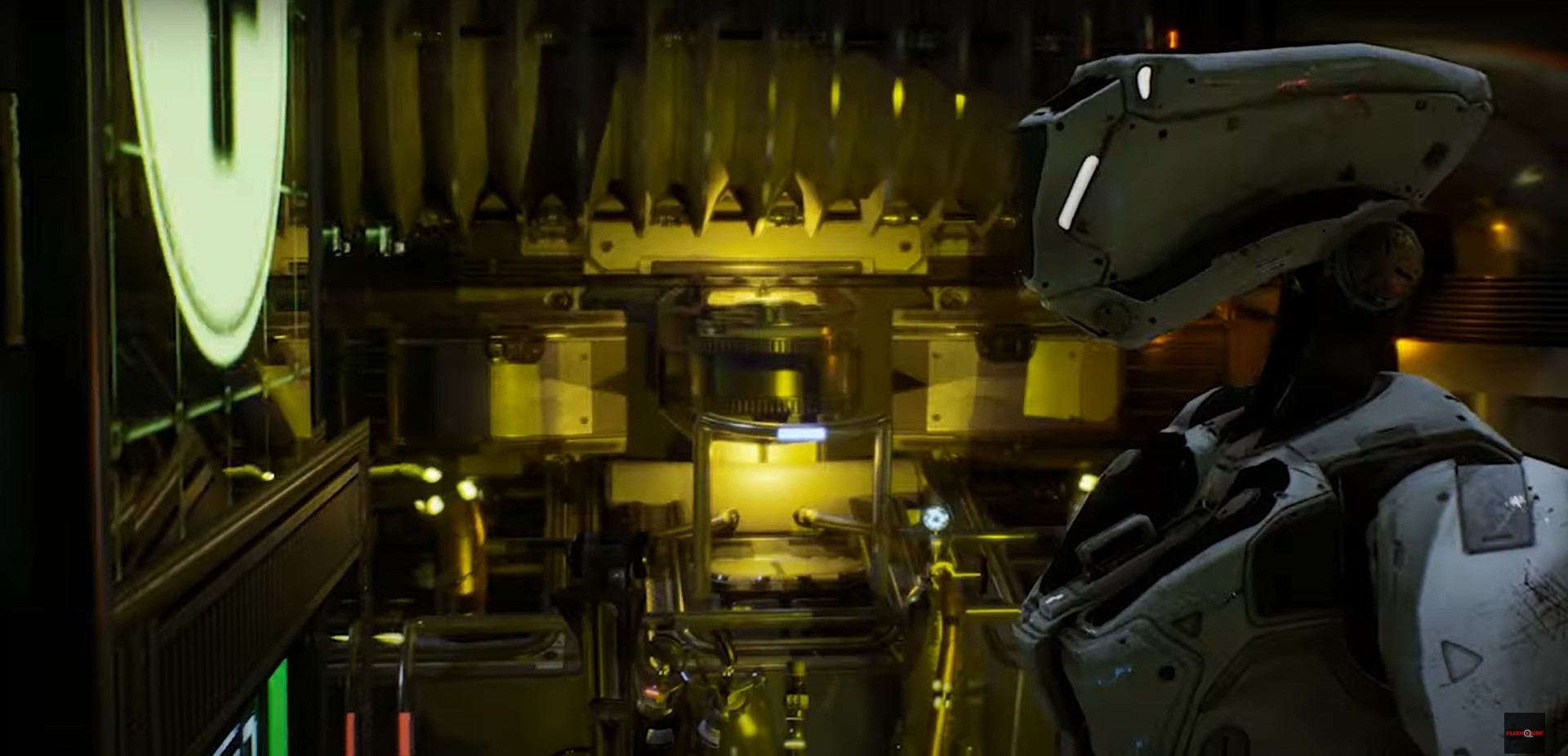
“Bigfoot vs Krampus” is total, 100% computer-generated graphics with only voiceovers to bring the highly kinetic, standing-in-place characters to resemble something that looks like life. BC Fourteen doesn’t stray too far from his regular voice talent as many of the same characters reoccur or popup randomly in this galactic gasbag of all talk and little action. When not voicing family friendly films, Marco Guzmán finds himself fouling the language barrier of space as he lends his vocals to the majority of principal leads and supporting char acters, such as the titular hairy primate Bigfoot who in the film sounds like a bastardized, sonorous, and raspy version of Fat Albert. Guzmán also voices another principal lead in Van Helsing, the 16th clone of the original vampire slayer. Known by his friends as V.H., Van Helsing looks less like a doctor with a stake and more like the Master Chief from Halo, never removing his helmet as he spews surefooted cockiness across the galaxy. Guzmán also voices the reptilian form of a reincarnated Joseph Stalin as well as the Egyptian sun God, Ra, who has ambiguous loyalties but can be useful to the allies as an all-seeing eye of the universe. Carli Radar voices humanities last hope and hero, Kali. The allied forces leader is pregnant with V.H.’s baby, a contentious sore point for Van Helsing who felt tricked into providing Kali a progeny, but has to become mankind and the illuminati, stereotypical green Martians with big black eyes and small mouths, last leader when the Illuminati’s Princess is destroyed by Krampus (who is oddly not listed as being voiced in the film’s credits), Satan’s partner in clinching power over the allies. The voice talent rounds out with Nate Trevors, Edson Camacho, Wes Bruff, Leslie Parsons, Simon Daigle, Carl Folds, Robert Forth, and BC Fourteen.

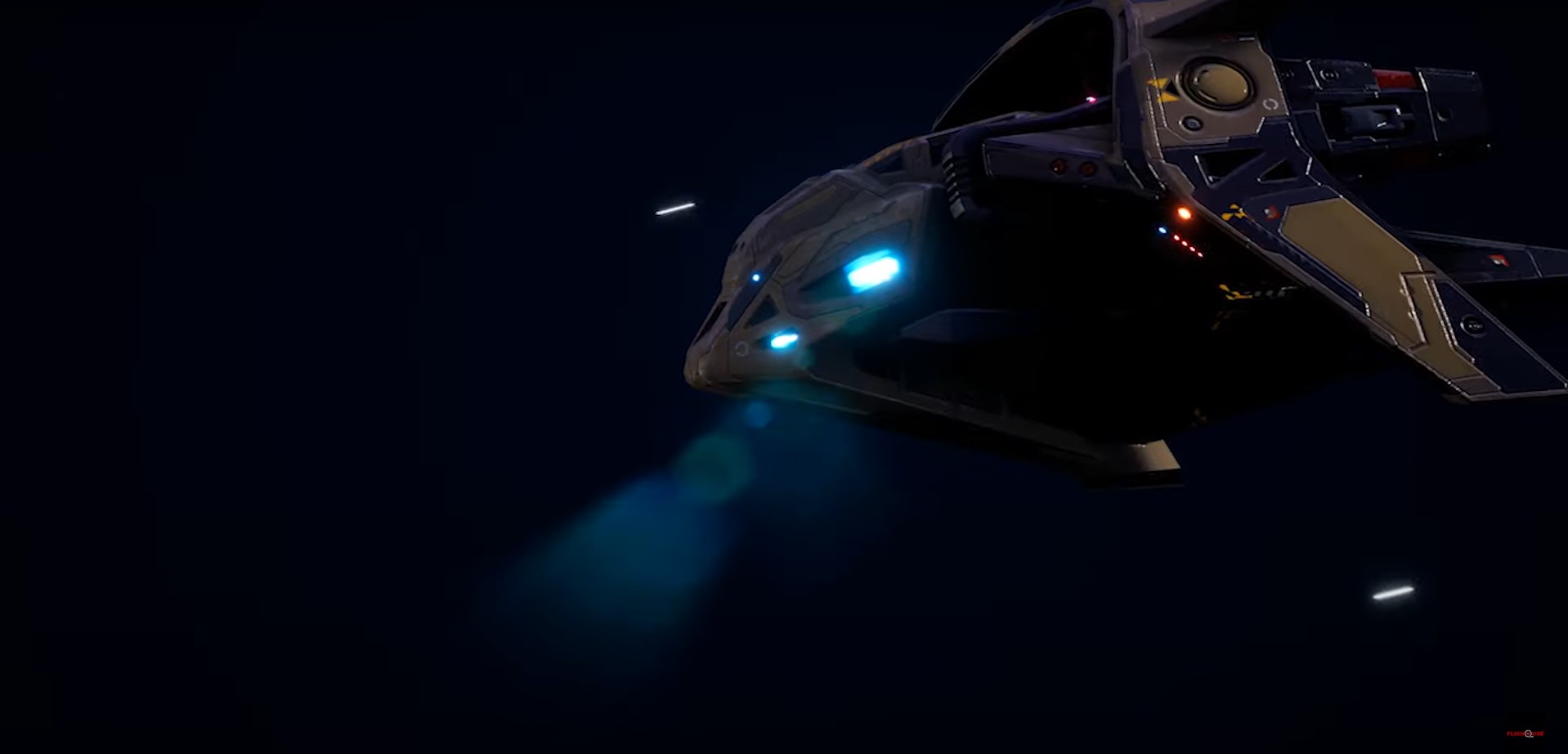
What do Bigfoot, Krampus, Megalodon, Clowns, The Terminator, Dummy Dolls, The Boogie Man, Werewolves, Satan, Anubis, Ra, and Jack Skeleton all have in common? BC Fourteen CGI’d their likeness into his…I don’t even know how to classify the film. I’ve had a run-in with a BC Fourteen film 8 years ago with 2014’s “Werewolf Rising” when the Pittsburgh, Pennsylvania-born filmmaker went under the name BC Furtney and aside from a stellar performance by the always captivating Bill Oberst Jr. and Irena Murphy baring a full moon going snout-to-nips with a werewolf, “Werewolf Rising received a mixed review but was still comprehensible with a start, middle, and an end. Though I stress the comedic and satire, a precaution must be instilled as the unfunny “Bigfoot vs Krampus” drags through the mud a trove of select horror and sci-fi pop icons in carbon copy tiny spaceships, flying around in a muddlesome mess, and rendered completely unnatural in an advanced resemblant version of the Goldsrc engine – you should see Bigfoot run down the ship’s corridors. If “Bigfoot vs Krampus’ were a series of cinematic story intercuts sewn together with gameplay axed entirely, I would believe it, and I’m sure, having spot check a few of the sequels, prequels, and spinoffs of the same caliber, that some animated scenes are recycled. There’s definitely recycling happening in this feature. If the war between the Illumanti-Humans-Bigfoot allied forces and every evildoer under the sun wasn’t thematic enough, the pseudonymous BC Fourteen throws in Van Helsing’s struggle with conscious as the cloned hired mercenary with legendary blood lineage skips town and on his baby’s mama because he does not feel appreciated in a fight that’s technically not his. The director also adds a subplot of Bigfoot checking in with old friend, and apparently cafe barista, Anubis to make sure the Sun Deity Ra isn’t fibbing about Van Helsing’s unexpected demise at the hands of Krampus. Everything does circle back around to an open-ended showdown for that next exposition heavy installment of intergalactic garbage made with no heart, no respect and very little effort.

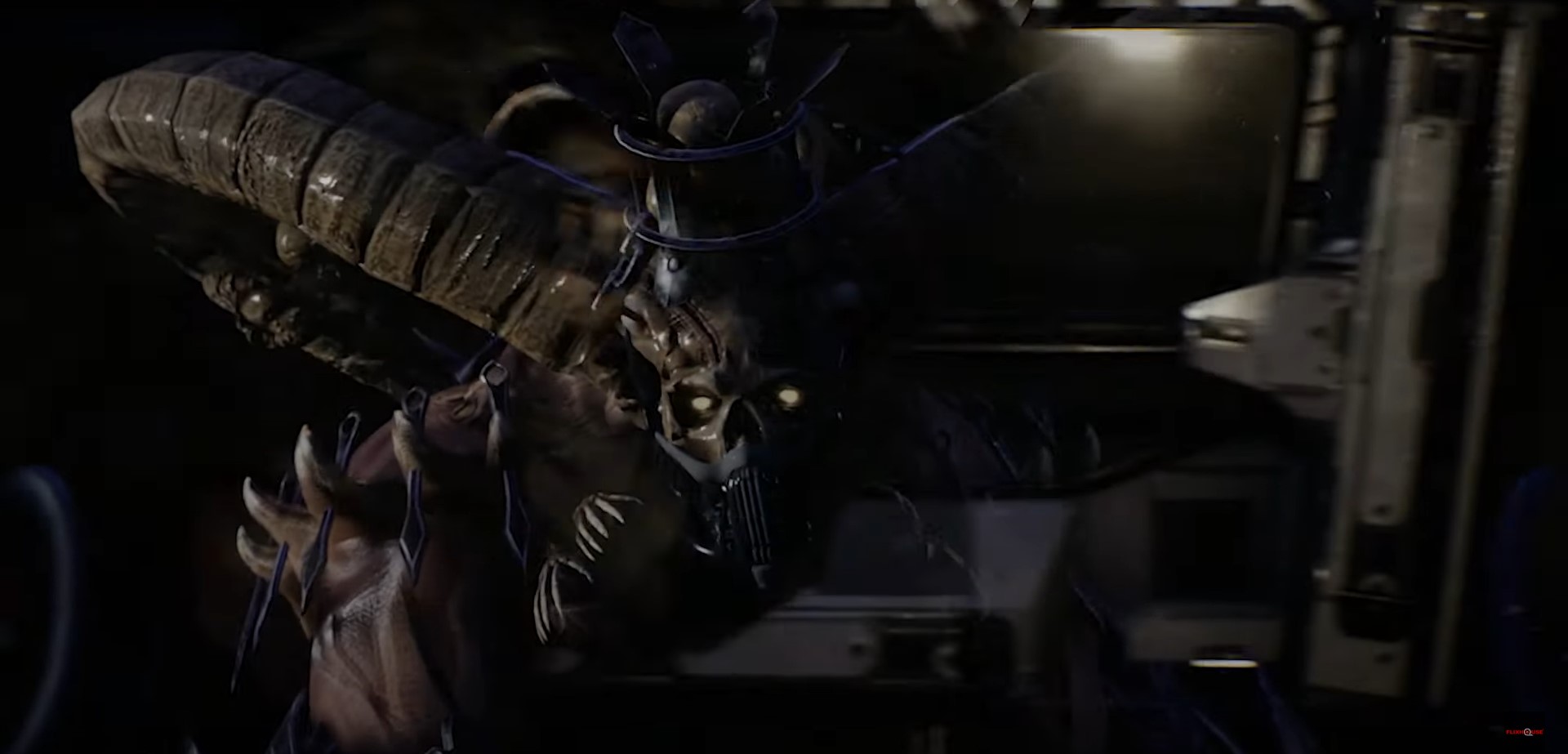
If the synopsis didn’t frighten you off from watching the film, text pulled word-for-word from the Ruthless Pictures’ DVD back cover, I surely hope this review left you with a bit of common sense prior to watching a cool and kitschy what if versus scenario. The Ruthless Pictures DVD presents the glossy computer graphics in a widescreen 1.78:1 aspect ratio. I will admit the animation provides here-and-there tactile moments, such as battle scuffs on robots or the ridges, grooves, and lighting on Krampus’s curled horns. All the animation looks about the same throughout, leaving a one-note taste that’s hard to wash out, but the at times, the CGI provides that nice ragdoll feel for humanoids Van Helsing and Kali and the lighting/shading does make appear more luxurious. Compression issues include background banding and splotches in darker spaces, but for the majority of the feature, those issues are limited. Though no listed on the DVD’s attributes, my players states “Bigfoot vs Krampus” has a single audio option – a Dolby Digital 2.0. For a science-fiction baster war, the lossy format is a lackluster that doesn’t surprisingly match all the other qualities, pushing out a mediocre 5-6Mbps average. Option English subtitles are available under the static menu. The DVD is a bare bones release with zero bonus content. The DVD is encoded region free and has a runtime of a merciful 70 minutes. Bigfoot films are back in the dumps again for this reviewer as “Bigfoot vs Krampus” is a flurry of insipidity and, the worst part of it all, it doesn’t add anything to the Christmas holiday horror subgenre with the Krampus module built-in for the sake of impersonating a something about as old as it’s folklore, a space invader.

Merry Kirstmas to all!  “Bigfoot vs Krampus” on DVD!