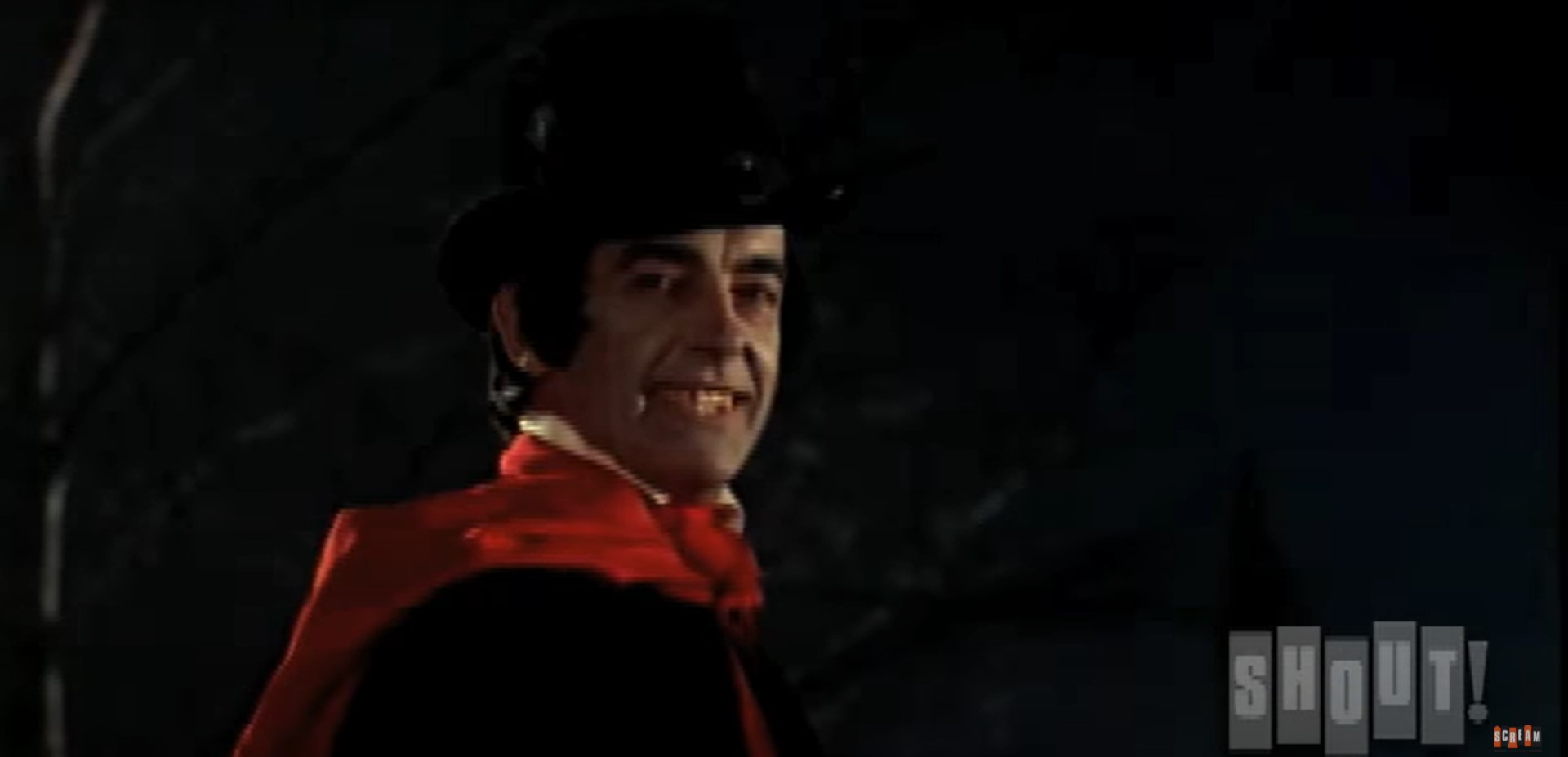
Is He an EVIL Vampire or a Just a Disturbed Young Man? “Martin” reviewed! (Second Sight / 4K UHD & Blu-ray)

Note:  Screen Caps do not reflect the Second Sight's A/V on this release.

“Martin” Limited Edition Second Sight Release Available at Amazon.com! 

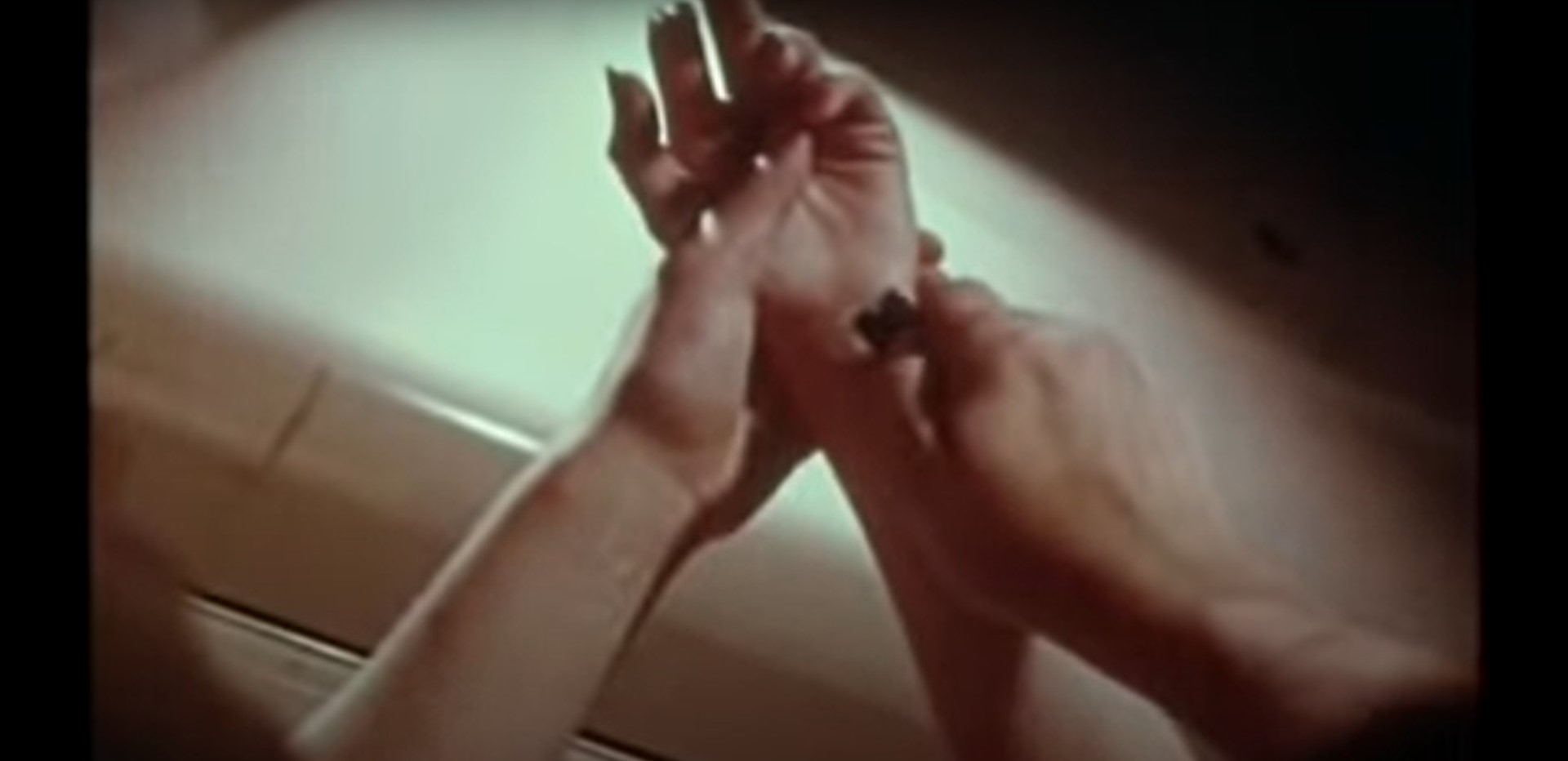
Martin, a young man from Indianapolis and upon recently lost his mother, travels by train to Braddock, Pennsylvania where he’s greeted by his elderly cousin Cuda, an old world believer that Martin has been selectively plagued by the family curse of vampirism and will take Martin in under his roof to cleanse his soul of evil, even if that means destroying him.  Though he doesn’t believe in the vampiric superstitions and the movie depictions, Martin truly believes he’s an 84-year-old vampire and does kill young, beautiful women to intimately drink their blood.  Being reserved and shy gives Martin an advantage to observe his potential victims from afar after gaining employment working as a delivery boy out of his cousin’s shop.  Cuda’s granddaughter, Christina, believes her lonely cousin’s mental illness is being exacerbated by grandfather’s archaic and draconian beliefs, fostered by a family history based off tradition rather than science.  When Martin meets an interested housewife on one of his delivery runs, the need to consume blood trickles when sex enters the picture, but also induces slipups in his well-oiled drug and drink operation whenever the need to feed becomes too much.
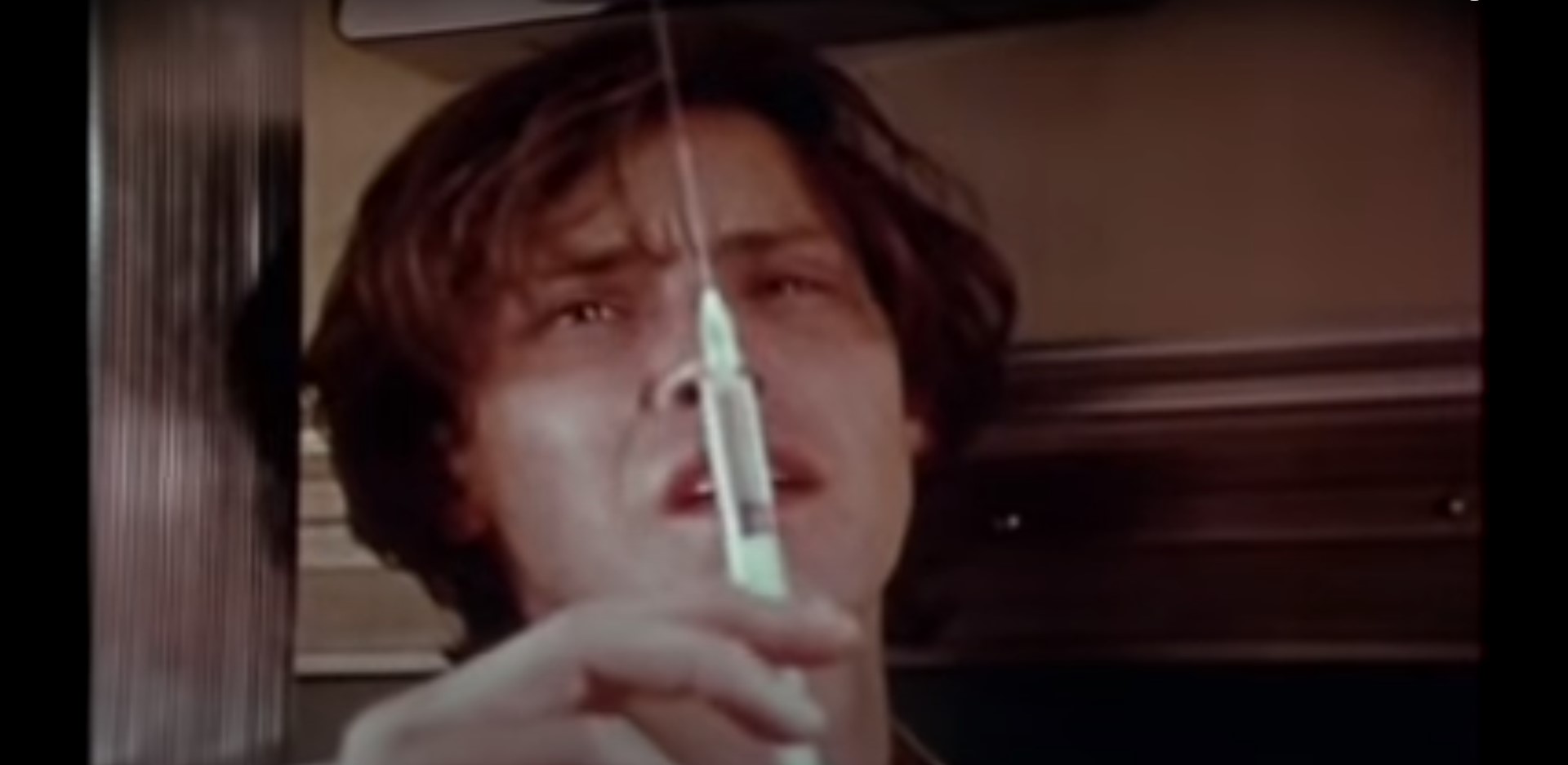
By now, “Martin” needs no introduction.  The father of the flesh-eating zombie, George Romero, delivered a neo-realism take on the vampiric mythology nearly 50 years ago in 1977.  “Martin” became the writer-director’s first all around filmic success after being royally screwed by the Walter Reade Organization for having failed to copyright the prints on the trailblazing and timeless classic “Night of the Living Dead,” the reason why you see so many Tom, Dick, and Harry remakes, revisions, sequels, and such of the 1968 black-and-white film that introduced zombies as flesh eaters, and a pair of box office failures that kept Romer in severe debt until slipping into business bed with producer Richard P. Rubinstein, the associate producer for Romero’s “The Amusement Park” and who would collaborate with Romero as a producer for the next subsequent decade years.  Filmed on location in the societal and industrial crumbling Western Pennsylvania town of Braddock, “Martin” remains one of George Romero’s quintessential and provocative pieces of work outside The Living Dead series under Rubinstein and Romero’s The Laurel Group production company.
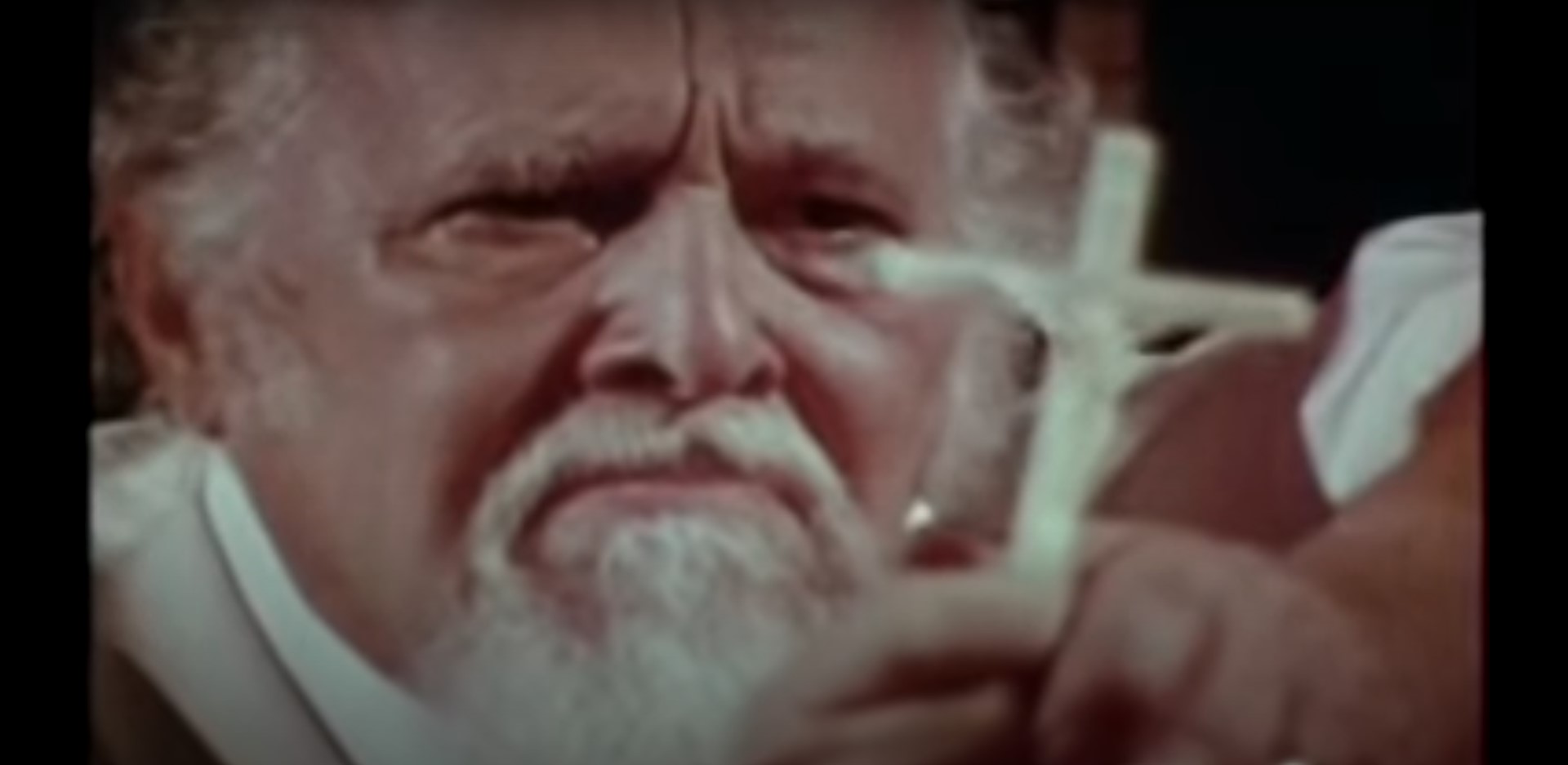
In the titular role is the introduction of John Amplas who was discovered by Romero after watching Amplas in a play and the entire lead principal was reworked to accommodate Amplas boyish youth.  Amplas is instrumental to Martin’s success in a handful of ways:  the Pittsburgh native knew how to properly slink in an unsuspecting manner, he also didn’t overbear scenes and costars with a larger-than-life presence and could dip into this awkwardly retrieved guilt for the premediated murder to fulfill a need that either’s supernatural or unnaturally mental.  Amplas could walk that thin line that keeps the audience wondering how much Martin says and does is actually true or a misconception because of mental illness and this is coupled nicely with Romero’s direction, splicing in black-and-white scenes of gothic-laden, theater-esque vampire flashbacks that could either be a delusional reality or a very real backstory to Marin’s cursed heritage.  Polarizing external family forces in his elderly cousin Cuda (Lincoln Maazel, “The Amusement Park”) and age akin cousin Christina (Christine Forrest) combat on an emotionally taut and verbal levels between their corresponding character qualities of superstition and science that parallel Martin’s eventual damnation or salvation.  The principal trio are tightly compacted to strain the dynamic with a back-and-forth debate over which truth is behind Martin’s troubles.  Romero pens a good case for both by never fleshing out a legitimate truth all the way through to the end; instead, it’s a battle of save Martin from himself who understands the problem, wants to deal with it, but barely takes up arms to combat or even face his issues.  Special F/X legend Tom Savini, pre-trademark inky black mustache and goatee, makes his debut role as Christina’s boyfriend Arthur who serves only as a device to pull reason away from the table in a conflicted measure to pressurize Christina’s capacity beyond the limits of also caring for herself.  Eventually, Christina has to make a decision and, ultimately, choses herself to save, leaving Martin to fend against a sternly superstitious and old world Cuda.  Sara Venable, Roger Caine (“Dracula Exotica”), Donaldo Soviero, Francine Middleton (“The Love-Thrill Murders”), and Elyane Nadeau make up the supporting cast.
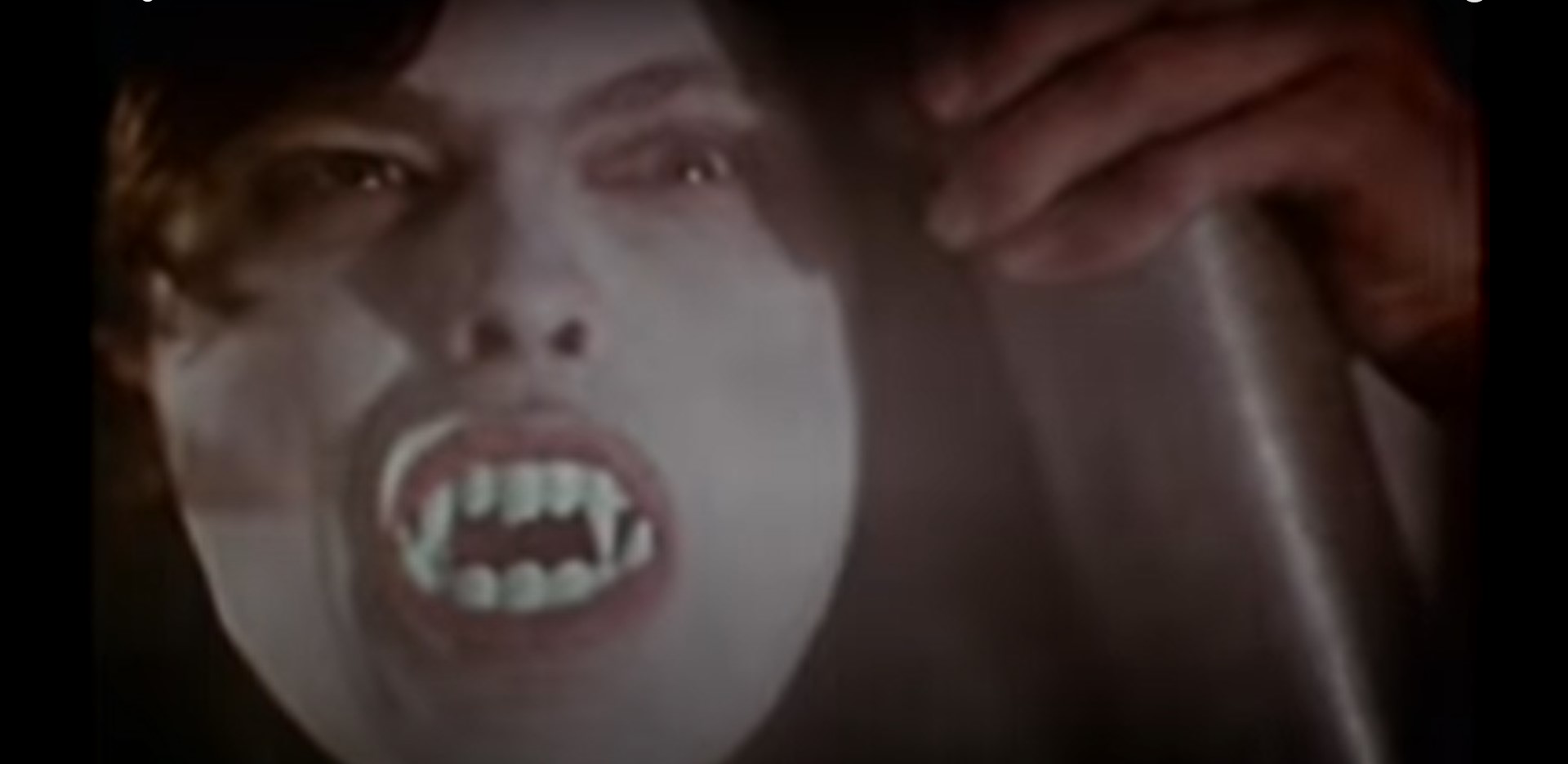
George Romero, again, redefines, or in a more fittingly descriptive – revamps, classic horror villainy that replaces the supernatural element with a realistic approach to weave the very fabric of horror into possibility while still hinting at something beyond the limits of reason.  “There is no real magic.  There’s no real magic, ever!” says Martin about the theatrical stereotypes used to display vampires in attempt by Romero to disenchant us from the ideologized mythos, the habitual characteristics, and the physiognomies of what we consider to be a night bloodsucker.  During that scene between him and Cuda, the words are potently effective in disapproving myths about vampires, but the words are supported with fact as Martin casually debunks garlic, crosses, and sunlight as vampiric weaponry at the expense of humiliating and entertaining Cuda.  “Martin” is at the forefront of being an allegory for loneliness and is a driving reason for presumably the real vampire’s gruesome habit to slice open wrists and drink blood.  Martin only targets young, beautiful women and becomes intimate with them while they are limp under sedation.  When he meets an equally lonely Mrs. Santini, a depressed housewife on the verge of an emotional collapse, and the two embrace each other with comfort against what dispirits them; disinterested in stalking her, Martin’s need to kill dampens and Mrs. Santini unhappy marriage in nullified by the young who listens more than speaks.  Maturity and youth meld together in a moment of peace between them but their bond still shows micro fissures of incompatibility that puts doubts into Martin’s 84-year, carefully planned practice and also doesn’t save Mrs. Santini completely from her too-little-too-late despair.  Braddock, Pennsylvania, a small town sinking into the slumps of becoming forgotten, is a once industrious backdrop integrated as a metaphor for being a forsaken place where things go to die.  Martin is sent to Braddock to paradoxically be cared for by a cousin determined to destroy him because of a family curse that afflicts select generations in what can be perceived as butting of heads between the defiance of angsty youth versus the traditions of an older individual set in the world with their linear ways of thinking.  
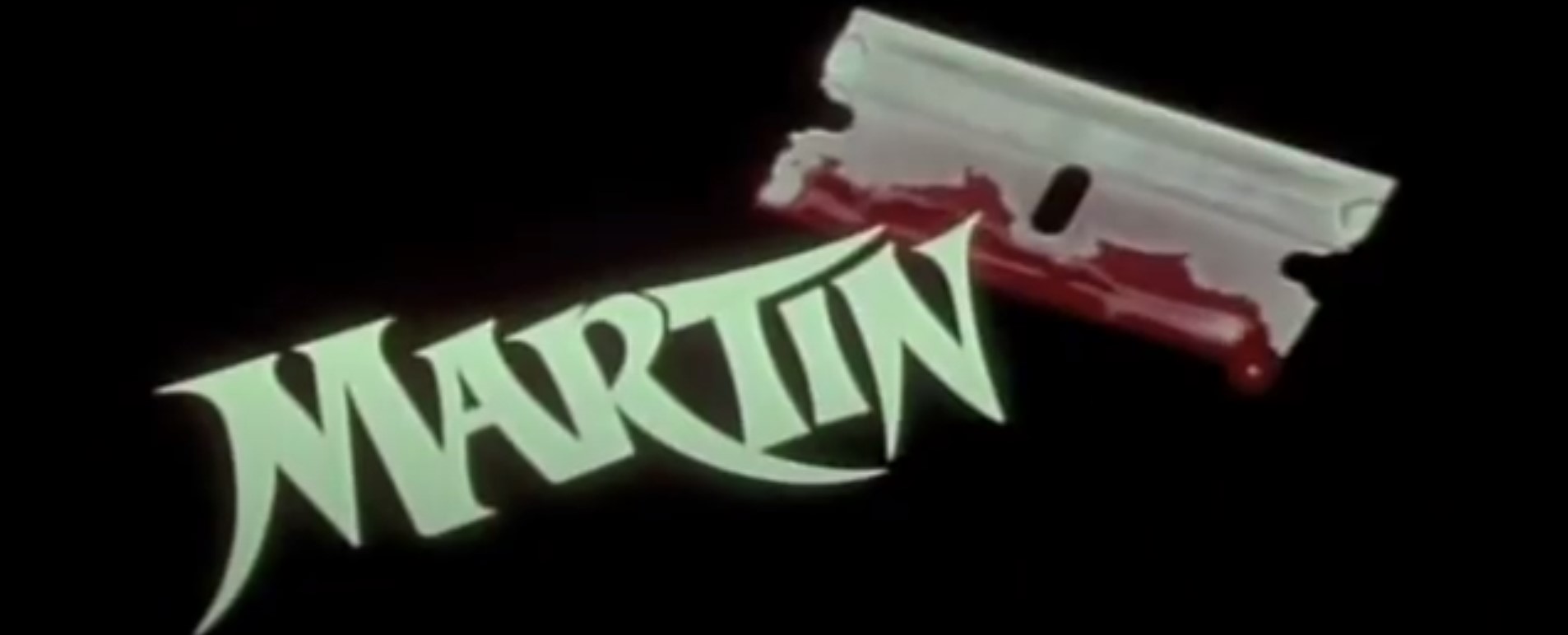
As aforementioned, “Martin” is a cult classic from one of the most notable masters of horror and as a film, “Martin” can stand on its own two feet on any format.  However, with that being said, UK home entertainment distributor, Second Sight, celebrates this early George Romero razor-edged thriller with a definitive 3-disc, 4K and Blu-ray release jammed back with software and firmware bonus content that fans can really sink their teeth into for a lifetime.  The limited edition UHD and Blu-ray O-slip box presents a 4K and 2K scan and restoration of a 35mm duplicate negative (note:  not from the original 16mm source) that has been supervised and approved by director of photography Michael Gornick and presented in the Academy aspect ratio of 1.37:1.  Considering the blown duplicated source of a 16mm grade, the 4K UHD scan on the BD66 won’t live up to 4K potential, as some may expect.  There’s quite a bit of varying levels detail discernibility, some shots look better than others, but the overall restoration renders a better than it’s ever looked product with natural grain and damaged reduced to some blue stock flaring around the side and edges, especially during night scenes.  Shadows looked deeper than previous versions, meaning that tenebrism isn’t lost amongst a softer image but rather creates depth with the additional of better sharpened edges to outline objects between the light source  Some speckle debris filters through at times but not enough to cause major concern with the overall experience watching and enjoying the restoration that has HD enhanced grading to make blood that richer technicolor coral color used in my subsequent Romero “Living Dead” films up to “Day of the Dead.”  The Blu-ray’s 2K works just as well due to the scrappy source equipment of what the budget allowed, delivering a fine product of the best transposed transfer known to fan kind and beating out the Lionsgate’s warming grading with a cooler, more hardline detail and delineation picture. The massive release comes with three audio options – an English DTS-HD 5.1 surround sound, an English DTS-HD 2.0 stereo, and an English DTS-HD 1.0. Though Martin audiophiles will likely gravitate toward a multiple channel output, “Martin” is one of those select features that does better in a less-is-more return by not forcing the limited and stronger signals, such as the dialogue and Donald Rubenstein’s experimentally spiritual score, to encoding competition with the milieu ambient and boom recorded sound effects, that for the most part, are background support for the bigger, better one-two punch of clean, clear, and presently full dialogue and a consciously curated soundtrack to walk with Martin every step of his journey. There’s a pinch of popping and a low-emanating droning that very discreet and negligible that won’t affect the experience on bite…I mean bit. English SDH are optional. Bonus materials are what shape the Second Sight releases to be greatly desirable amongst fans as the company continues to produce high-quality encoded bonus features as well as carefully and professionally organized tangible items inside the box. Both 4K UHD and Blu-ray have the same encoded bonus features that include four audio commentaries of old and new. The two archived commentaries include George Romero, John Amplas, and Tom Savini in one set and the other with Romero, Savini, Richard P. Rubenstein, and Michael Gorrick. The new commentaries are with Kat Ellinger, editor-in-chief of Diabolique Magazine, and the second with the recently deceased film curator, Travis Crawford. A vintage 2004 documentary from the Lionsgate release is included in the set with remarks from Romero, Savini, Gorrick, Donald Rubenstein, and Christine Forrest along with a new documentary echoing much of the 2004 doc, in collaboration with Severin Films, with John Amplas, Michel Gorrick, and Tom Dubensky strolling through Braddock, which hasn’t seemingly changed from the depths of poverty, on a raining day recalling nearly every moment of production during principal photography. The new doc includes other insights from Forrest, Savini, Tony Buba, and Sarah Venable in what feels like a complete celebration and overview of their entire journey through Romero’s personal favorite film. Donald Rubenstein also has a new interview discussing his score and meeting and working with Romero on a positive level. The disc features round out with one of Tony Buba’s short films “J. Roy – New and Used Furniture” revolving around the town of Braddock and the trailer, TV and radio spots. The third disc is the CD form of Donald Rubenstein’s soundtrack laid out in 22 distinct musical numbers. The limited-edition exclusive contents include a rigid O-slip case with a simple, yet effective sterile while and red font color contrast with MADE IN U.S.A. augmented razor blood with vampire teeth and blood dripping from the bottom right corner and a blood dripping cross squarely centered on the back. Inside the slipcase, a thick 104-paged color booklet with new in-depth essays and insights from Daniel Bird, Miranda Corcoran, Heather Drain, Kat Ellinger, Andrew Graves, Alexandra Heller-Nicholas, Elena Lazic, Stephen Thrower, Jon Towlson, Simon Ward, Tony Williams and an interview with Tony Buba by Travis Crawford. The booklet also contains colorized, behind-the-scenes photos of production and numerous one-sheets, promotion poster and ads, and a beautifully, expressionistic illustrated front and back cover. Adam Stothard illustrates 5 character lobby cards, including John Amplas’ Martin, Christine Forrest’s Christina, Tom Savini’s Arthur, Lincoln Maazel’s Cuda, and George Romero’s Father Howard. All 3 disc arts are the same as the front cover the release and contained a trifold, punch-lock case in reverse colors of the slipcase. The 4K UHD is region free but the Blu-ray is confirmed region locked B so you’ll need a region free or region B player. The runtime clocks in at 95 minutes and is certified 18 for sexualized violence and sexual threat. Second Sight must be a Disney fan with their monstrous beast of a limited edition that is also a thing of beauty; “Martin” deserves every square inch of this physical and digital display of expressionistic vampirism of underrated performances and from the mind’s eye of a dauntless George Romero, unafraid to take risks, show blood, and understand the human condition.

“Martin” Limited Edition Second Sight Release Available at Amazon.com! 

A Grand Tour of EVIL Only Costs Your Life. “The Curse of Dracula” reviewed! (MVDVisual / DVD)


Own the Curse….The Curse of Dracula on DVD at Amazon.com

Con-artist brothers Bojan and Marjan whip up a quick-cash scheme by price gouging tourists to roam the Slovenian grounds of the infamous Valburga castle, a restricted and vacant manor estate that was once owned by a ruthless inhabited, known by the people as the Baron of Blood, believed to be a cousin of the vampiric legend Count Dracula.  The lore itself would bring in lucrative customers and lucrative cash would be easily raked in or at least the brothers thought so until the types of tourists attracted to visiting Valburga castle are anything but easy targets with a pair of German alcoholic partiers looking for a good time, a sleazy Russian porn director scouting locations to shoot his two beautiful starlets, than demonists, goths in search to become vampires themselves, and Swedish demonists on the hunt for ultimate power.  Biting off more than they can chew with their new venture, Bojan and Marjan must also contend being trapped with an industrial-sized circular saw wielding maniac roaming the mazelike passageways of the castle. 

Let us preface this review with the “The Curse of Dracula” almost entirely has little to do with Count Dracula.  The original film title, “The Curse of Valburga” was altered to “The Curse of Dracula” in an appeal to a broader, Western audience who may not have a clue what or where Valburga is on a map and for those who do not know, Valburga is a quaint little settlement area in Slovenia, the birthplace of the 2019 film and the birth home of “Killbillies” writer-director Tomaz Gorkic.  Gorkic plays the Americanized game of Seven Degrees of Kevin Bacon with a story that links Count Dracula to a mysterious Baron of Blood who once resided and laid down massacring roots in Valburga, but instead of a grave tone surrounding one aristocrat’s austere penchant for sadism, “The Curse of Dracula” plays out a dark horror-comedy with a cynical sense of humor and a punk-attired killer.  Gorkic coproduces the film with fellow “Killbillies” producer Nejc Saje for 666 Productions in association with Strup Production, MB Grip, NuFrame, Supermarket Production, and Sonolab.

The opening driver of the story is setup like a buddy comedy revolving around two brothers Marjan and Brojan (Jurij Drevensek and Mark Mandic) joined by business associate Ferdo (Ziga Fodransperg) who has the keys to their castle con and when I say keys the toe castle, I mean it literally as the owner of the security company that services over the grounds.  Sifting through their snarky teasing, you get the senses the three are close despite their tough guy act and jabs at one another who leveling onto Marjan price gouging unrestricted tourism plan.  While Marjan and Brojan are seemingly being carved out as principal characters, that feeling quickly diminishes upon the arrival of the tourist group that includes Sven (Niklas Kvarforth), a Swedish neo-necromancer clandestinely on the scour for the eye of the baron – yet, we’re never told what the eye of the baron is or specifically why Sven is searching for it other than it can summon demons, connecting back to the prologue scenes of staticky, post-industrial score with him conducting satanic-like ritualistic hand movements and unheard chanting verbiage. Then, you have the Russian porn director Vasily (Luka Cimpric) with his two floozies, Dasha (Zala Djuric) and Anastasya (Sasa Pavlin Stosic) trying to make sexy-time promo happen on the Baron’s rundown manor. However, a favorite out of the bunch are the German man (Jonas Znidarsic) and wife (Tanja Ribic) who just keep pulling beer from the wife’s tiny purse – a good gag by the way – and treat the whole contention and violence as one big party. Despite all their idiosyncrasies and motives, not a single one of them are redeemable from out of their petty and conceited intentions. “The Curse of Dracula” rounds out with Katarina Stegnar, Gregor Skocir, Odina Kerec, Matevz Loboda, Neza Blazic, and Anton Antolek as a one-of-a-kind subjugator of souls with his wild circular saw blade slingshot and Nazi helmet.

Now, the title already irks me. Insinuating or, better yet, incepting an idea that hapless tourists will be become victims of Dracula’s curse was a terribly misleading campaign strategy to get the Dracula, or just simply the vampiric, fanbase to hop aboard a quick cash in on the Lord of Darkness. However, “The Curse of Valburga” is an apt title for a slasher-survival tale around the sawblade killer who hunts trespassers for his crypt-dwelling clan in the cellar. Gorkic never fleshes out the enjoyable turn of events with the mysterious group that causes all of the tourists’ troubles in full disquisition and tries to sneakily skimp by with just a rudimentary, flyby explanation that doesn’t clearly paint the picture or really denote a reason. One thing Gorkic didn’t convey confidently was the appearance of the chief who wore a MM35 or MM40 style German helmet on top of a metal and chainmail masked face and sported a cutoff sleeve shirt while flinging giant-saws from a handheld slingshot rifle. I wanted to know that guy’s backstory! Yet, each character is cut short and never massaged with arc to care about and, frankly, wanted them all to feel the serration of the saw from how terribly poor they’re written. It’s as if the characters were farmed to be massacred, having no sense of purpose to live or garner audience sympathy to overcome the struggle, and just like the characters, the story is also equally deprived of a proper concluding finale that leaves us hanging, waiting for that satisfying high-five. The script written by Gorkic might be poor in arc development, but I will say the Slovenian filmmaker does have a small taste for comedy as there are moments that will have you chuckling, especially the phone call between Sven and Gregor Skocir in what’s llike a classic Abbott and Costello dialogue gag.

If you’ve never seen Slovenian horror, then I suggest checking out the bloody chuckles of Tomas Gorkic’s “The Curse of Dracula” now available on DVD distributed by MVDVisaul in collaboration with Jinga and Danse Macabre. The poorly designed DVD cover of a wide-eyed, gaping mouth vampire with fangs drawn superimposed behind a cracked open upright coffin with dirty/bloody hands stretched straight out overtop and bats positioned adjacent to the coffin on both sides doesn’t do this story an ounce of actual justice, but the DVD is presented in a widescreen 16X9 aspect ratio with a solid 5 to 6 Mbps of data transmission, rendering the picture fair for DVD image quality. Some of the details in the background and even on the characters are not as finely crisp but the picture maintains an above adequate quality. The English, Slovenian, Swedish, Russian, and German Dolby Digital 5.1 surround sound is nicely robust but offers the same quality as there Stereo 2.0 when toggling back and forth between the two audio options and never distinguishing the difference between the two. Dialogue is clear albeit the broken English and thick accents when characters are speaking English. There are option English subtitles; however, they do contain a handful of errors and are text size is a bit small so if you have a 42″ or smaller TV, you may need to squint. The release is region free, has a runtime of 82 minutes, is unrated, and does not contain any special features or bonus scenes during or after credits. “The Curse of Dracula” is a slaughter-horse of a different color with a fascinating villain and a blindsiding coven of flesh-craving basement dwellers that pivot the narrative in a wild direction but the story lacks comprehension that results dissatisfaction.

Own the Curse….The Curse of Dracula on DVD at Amazon.com

EVIL Infiltrates to Seduce All Your Women! “The Vampire Lovers” reviewed! (Scream Factory / Blu-ray)

“The Vampire Lovers” Now Available at Amazon.com!

The Karnstein family’s notorious legends of evil spread vast throughout 18th century Germany. Once thought their wicked leeching of nearby villages exterminated after the Baron Joachim von Hartog dispatched all the villainous vampires after his sister fell victim to their seductive fangs. However, years later, the aristocratical General von Spielsdorf and his niece Laura find themselves in the unexpected company of a houseguest with Marcilla, the beautiful daughter of a new neighboring countess. Days later, Laura unexplainably dies from continuous nights that drain her of energy and flourish her mind full of nightmares of being strangled by a large wild animal. In the wake of her death, Marcilla also disappears. Sadden by the news of her friend’s death, Emma and her father take in the daughter of a travelling countess named Carmilla to provide Emma with cheery, distracting company in a time of distress, but the mysterious cycle of enervation and nightmares start back up all over again and it’s up to the survivals of Laura’s death to stop death before it’s too late.

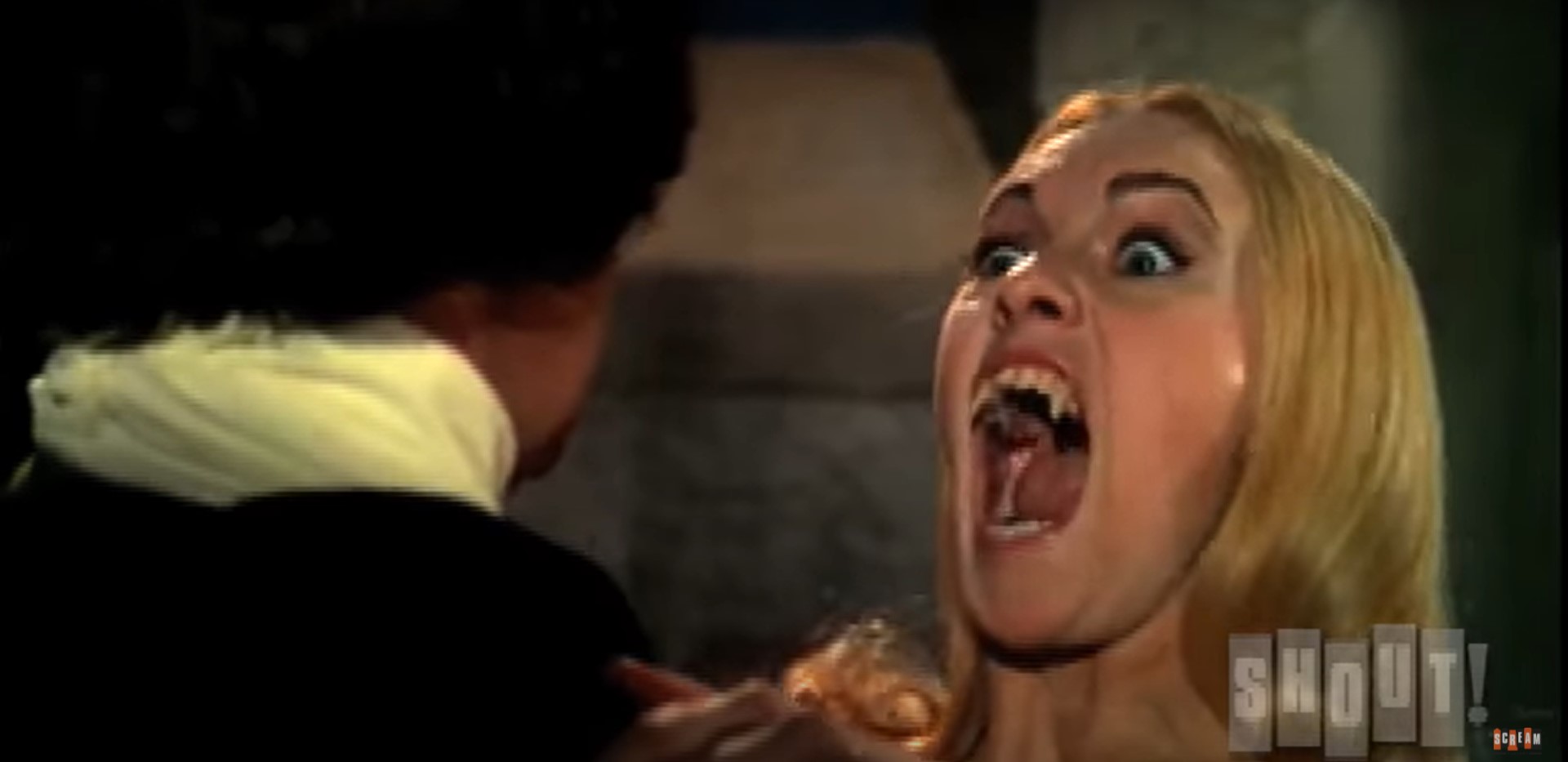
Unlike any other Hammer horror film you’ve ever seen before prior to 1970, “The Vampire Lovers” blazed the trail for permissiveness of the era’s newly reformed certification system that moved the bar from 16 years order to 18 and kept in line with society’s leniencies toward the favoring sex and free love.  “The Vampire Lovers” opened up to not only a new line of exploitation and violence at the turn of the decade but also introduced the longtime fans to new faces, especially actresses, who would accumulate labels and prominence inside the genre that last until this day.  Based from the story of “Carmilla” from Irish writer Sheridan Le Fanu, relatively new at the time Hammer director Roy Ward Baker (“Scars of Dracula,” “Dr. Jekyll & Sister Hyde”) took the Harry fine and Michael Style adapted original story and ran the distance with the screenplay from Tudor Gates whose writing forte was not specifically well-known within horror genre nor was horror Gates’ personal interest, yet Gates tweaked the Le Fanu female vampire tale to accentuate more of lesbian themes in a very turmoiled time when lesbianism, or just being gay, was seen as a disease or an unstoppable influencing evil force amongst the young people.  Fine and Style serve as producers in this co-production between Hammer Films and American International Pictures.

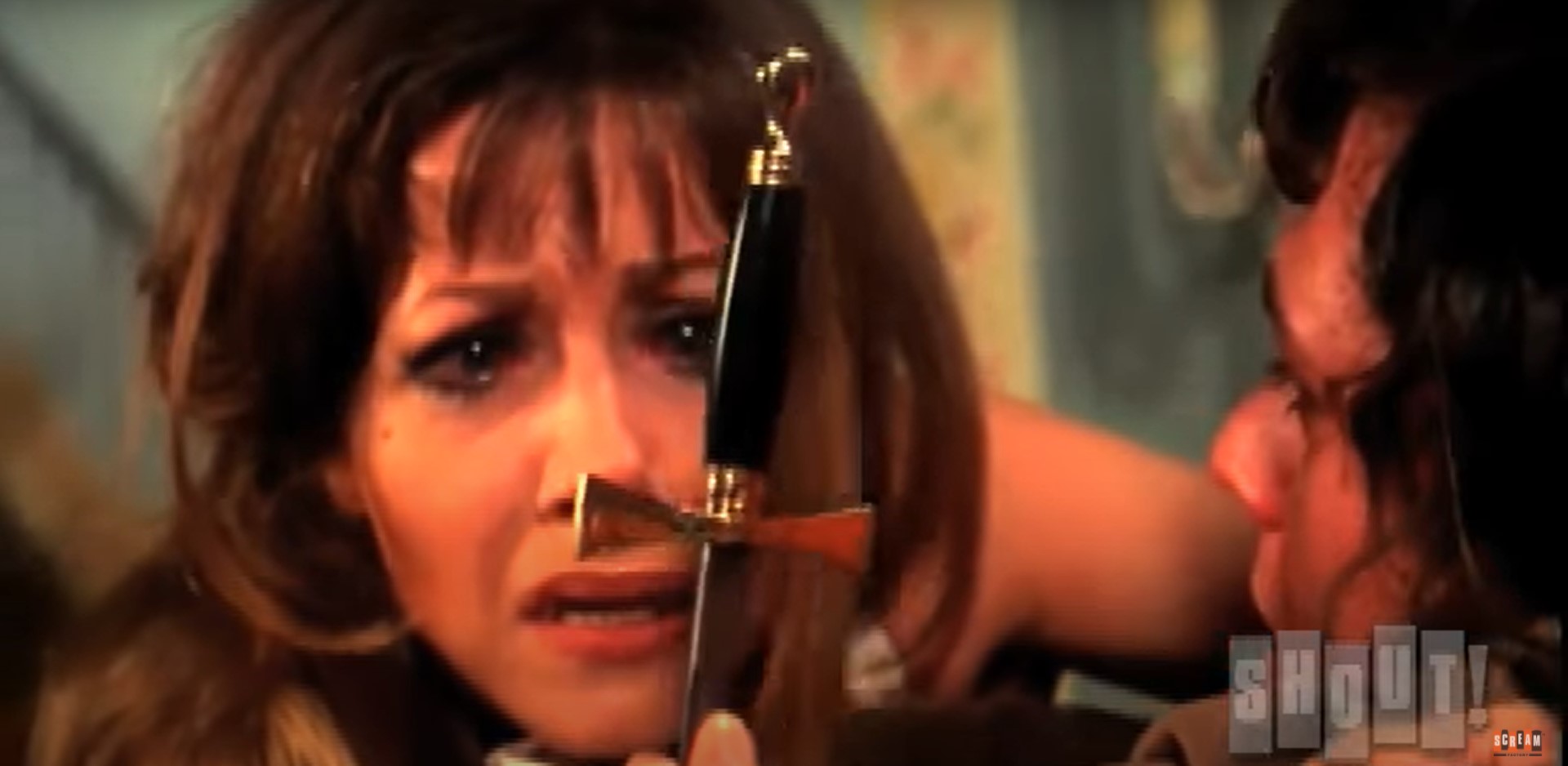
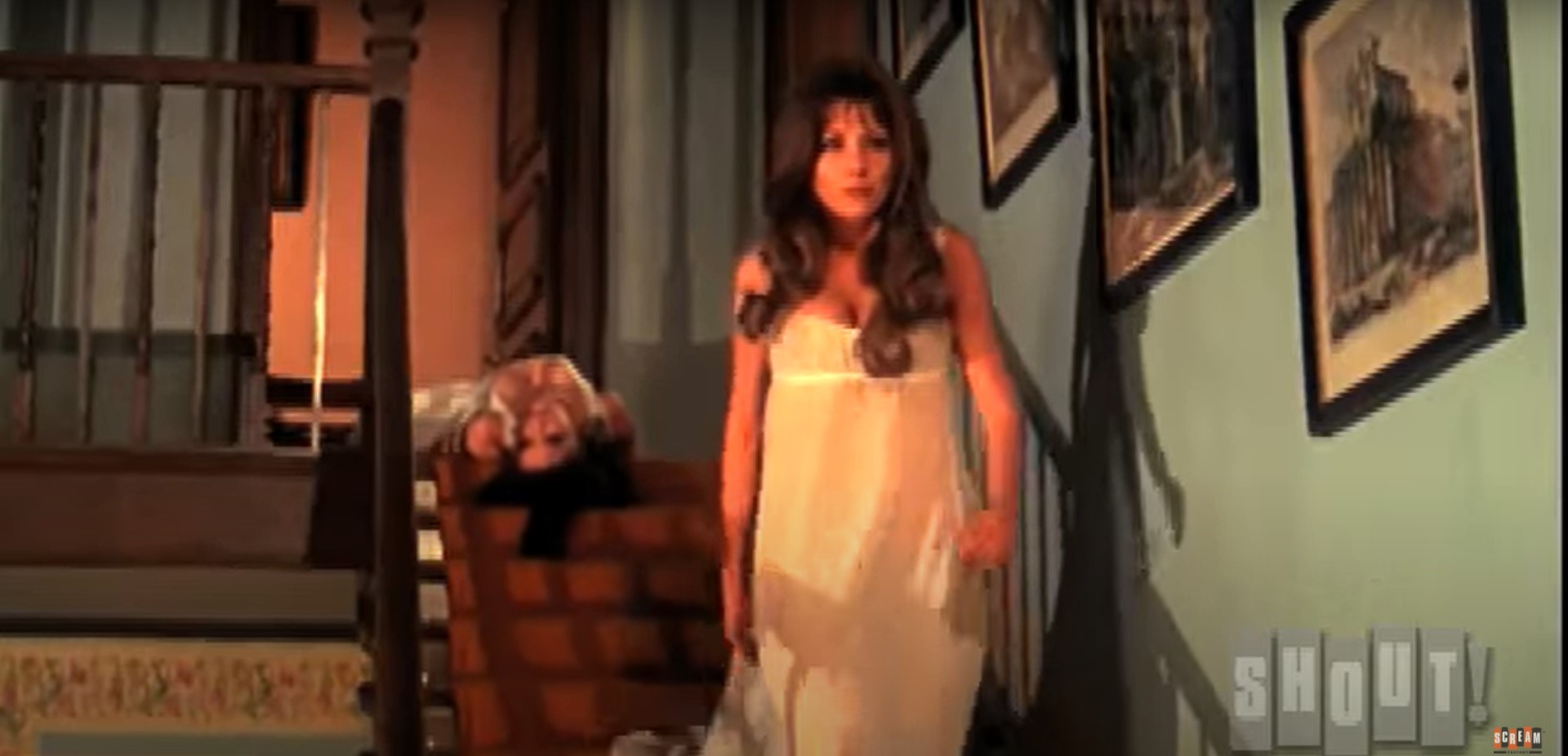
“The Vampire Lovers” comes under an atypical rule of the protagonist role or roles.  Previous Hammer films oriented themselves with a male lead from Christopher Lee’s domineering monster Dracula to the fearlessly courageous vampire hunter played by Peter Cushing, but “The Vampire Lovers” has Hammer trade in the masculinity presence for femme fatale with the introduction of Ingrid Pitt (“Wicker Man”) in the role of the hungry Karnstein vampire, Carmilla as well as Marcilla and Mircalla as the sneaky creature of the night infiltrates estates. Pitt’s exotic look and uninhibited attitude discerns obvious sex appeal for the Polish actress who can also act with gripping emotion that develops compassion for her malevolent facade. Add another pretty face and innocently sensuous woman arm-to-arm to Pitt with then 20-year-old Madeline Smith (“Frankenstein and the Monster from Hell”) and you have a two-front protagonist made up of women. Tack on the dark features and piercing blue eyes of Kate O’Mara (“The Horror of Frankenstein”) and “The Vampire Lovers” evolves into the something unlike anything we’ve ever seen from Hammer horror trifecta as once the scene settles into the narrative’s girth, the dynamic turns into a love triangle of unspoken women intimacies and jealousy, under the guise of supernatural persuasion, rears its ugly head. The menfolk really do feel absent from the excitement despite being pivotal pieces to the story and despite being the iconic representation in face and name of Hammer films. Peter Cushing’s longstanding work with the company has branded him forever legendary in the eyes of horror fans young and new. As the benevolent General von Spielsdorf, “The Horror of Dracula” Cushing looks wonderfully regal, gentlemanly dashing, and epitomizes the very essence of a strong male figure who also takes a very noticeable backseat for much of the second and into the third act. Same can be said for that other vampire portrayer who’s not Christopher Lee, Ferdy Mayne (“The Fearless Vampire Killers”) as the village doctor with a scene plopped here and there to inch the story along as a motivational vessel and another player caught in the Karnstein fang-game. “The Vampire Lovers” sees through to move plot significant characters, played by notable actors, to and from the storyline with performances from George Cole (“Fright”), Jon Finch (“Frenzy”), Dawn Addams (“The Two Faces of Dr. Jekyll”), Pippa Steel (“Lust for a Vampire”), Harvey Hall (“Twins of Evil”), and Douglas Wilmer as the Baron Joachim von Hartog who give a great opening expositional prologue that sets the background and tone of the film.

Laced in the traditional gothic style we all know and love from Hammer Films, “The Vampire Lovers” has grandiose late 19th century interiors and costumes with the latter gracing the starlets with strikingly bright tropical colored dresses that are elegant beyond the more stiff, and sometimes more imperialistic, outfits representing the period.  In a way, the outfits contrast against the brooding gothic prominence that speak of subversive liberation much paralleling the very thematic elements of lesbianism, sexual motifs, and a nearly an all-encompassing female lead.  If sex was ever a subtle insinuation in previous Hammer film it was not so subtle in “The Vampire Lovers” that consistently and constantly thickened the sexual tension and produced blunt scenes of eroticism between two or more women.  Even with the powerful commingle of womanhood desires, as much as it was depicted to be devasting to their lifeblood, Tudor Gates’ narrative still pit them up against nearly impossible odds when the male characters, no longer duped by the formalities of chivalrous intentions, figure out what’s really happening under their noses, in their households none the less, and band together to put a to a heart-staking stop to the macabre madness aka metaphorical lesbian evil.  The story has the women’s lusts and desires, whether their choosing or not, be an outlier from normalcy, yet on the other hand, nudity flourishes within the new laxed certification guidelines that see in some way, shape, and form four actresses baring skin in what what would have been considered risqué X-certificated scenes prior to 1970.  “The Vampire Lovers” is by far a perfect film with a lack of character context, such as with the male vampire on horseback indulging his penchant for observing Camilla’s attacks from afar and doesn’t proceed to explain further or with more insight to who he is and what his position may be within the Karnstein family ranks, as well as the narrative format with early on into the story being bit choppy and disorienting when Carmilla assaults nightly the General’s fair niece as a furry beast in the confines of a lurid nightmare.

Deserving of a collector’s edition, Shout Factory subsidiary horror label, Scream Factory, presents a new Blu-ray release of “The Vampire Lovers” scanned in 4K of the original camera negative.  Scream Factory should be extolled for their color grading toward Hammer transfers as the release looks stunning with quality stability and richness that brings the era alive.  Transfer also appears free from any kind of major blemishes and barely of any smaller ones. The English language DTS-HD Master Audio mono has resolute fidelity in the best possible audio offering “The Vampire Lovers” will likely see now and in future releases with a clear dialogue track and a Harry Robertson score that relives the classic studio orchestra in compelling fashion. The release comes with a slew of special features including an exclusive new interview with film historian Kim Newman, who also shows up again in archived interviews in the “Feminine Fantastique: Resurrecting ‘The Vampire Lovers'” (Scream Factory lists it as Femme Fantastique on the back cover) featurette commentary snippets from John-Paul Checkett and David Skal and other historians and collectors of Hammer Films. Audio commentaries with director Roy Ward Baker, star Ingrid Pitt, and Screenwriter Tudor Gates, audio commentary with film historians Marcus Hearn and Jonathan Rigby, two interviews, one of them new, with co-star Madeline Smith that span about 10-15 years apart, Trailers from Hell: Mick Garris on “The Vampire Lovers,” a reading of Carmilla by Ingrid Pitt, a single deleted scene of Baron von Hartog radio spot, still gallery, and the theatrical trailer round out the bonus material. The 89-minute, Region A encoded, R-rated version runs solo as the only main feature and the transfer Scream Factory uses, or licenses, is the edited version of Ingrid Pitt’s bath scene that cuts away to a medium closeup of Madeline Smith holding a towel for Pitt who’s standing up in the tub and then cuts back to Pitt’s bare backside. However, in the “Feminine Fantastique” featurette, you can experience the unedited brief full-frontal of Ingrid Pitt standing up in the tub if that tickles your fancy. The collector’s edition sports reversible cover art with original poster art on the inside and a newly illustrated, and superbly beautiful in its simplicity, front art by Mart Maddox sheathed inside a cardboard slipcover of the same Maddox art. Turning a corner into vast opportunities for more violence, explicit nudity, and unrestrained vampire gore became a new dawn for Hammer Films without entirely prostituting themselves with wayward tactics to the point of unrecognition as “The Vampire Lovers” still emitted gothic characteristics and a partial token cast and now made even more alluring with a feature packed collector’s edition from Scream Factory!

“The Vampire Lovers” Now Available at Amazon.com!

Tune Into EVIL’s Overnight Radio Programming! “Ten Minutes to Midnight” reviewed! (MVD Visual / Blu-ray)


Veteran night shift disc jockey, Amy Marlowe, has hosted her own renowned punk rock show for the last 30 years.  On the night of a major hurricane rolling through town, the broadcast must go on as radio never sleeps, but Amy is bitten on the neck by flying bat prior to arriving into the station.  If things couldn’t get any worse, she’s trapped inside the station with the sleazy station executive who surprisingly introduces the disc jockey’s much younger and beautiful replacement.  As Amy deals with the sudden aftershock of forced retirement, she slowly descends into a topsy-turvy reality full of unannounced secrets, movements through her own past and present, and the unusually strange staff transforming into monsters inside the station walls.  To top it off, Amy craves blood.  Between the possibilities of unexpected grief and anger, rabies, or becoming something far more evil, Amy Marlowe, either way, is losing her grip on the real world.

The amount of thought and expression on blunt force change, numb appreciation, and profound existentialism worked into the allegorical dark vampire comedy, “10 Minutes to Midnight,” never steals from the narrative’s basic element, a breed of classically fed undead horror.  Writer-director, Erik Bloomquist, helms his sophomore feature film directorial that is also the second film written collaboratively with brother, Carson Bloomquist, following their 2019 debut thriller, “Long Lost.”  The Connecticut based siblings shoot “!0 Minutes to Midnight” at the ABC affiliated WILI radio station in Willimantic over the course of seven week nights, self-producing under the Bloomquist Mainframe Pictures banner alongside the third “Long Lost” screenwriter-turned producer, Adam Weppler, who also has a major role in the film. 

A soulful, applause-all-around performance by headlining scream queen Caroline Williams who makes her return to the DJ booth 35-years later after going face-to-face with Leatherface’s chainsaw in “Texas Chainsaw Massacre 2” and, by God, Williams still has the cold-cocking charisma of her 1986 self.  Pinned to be discarded by station exec Robert (William Youmans), Amy Marlow loses control of her on-air persona for the first time in 30-years of broadcast radio.  Williams is on target with Marlow’s salacious-pointing meltdown rant with a viperous, quick-witted tongue spurred by the very news of her canning that started the hamster wheeling rolling, putting the pieces together of how much backstabbing, ungratefulness, and all-for-nothing hard work (and her younger days’ sexual servitude) becomes a deafening cacophony of noise before her Ten Minutes Before Midnight broadcast segment airtime.  Watching Williams work never gets dull from the one moment she’s rightfully screaming and ripping someone a new one to being overwhelmingly fractured by the venom that courses through her veins in a transformative and stunning performance.  Accompanying Marlow on her sudden career nosedive are a trio of dividing personalities that pull a different versions of the radio star.  Marlow’s seemingly only workplace friend and confidant, Aaron (Adam Weppler), has been a fan of hers ever since he was little, even providing a touching anecdote about him listening to her broadcast when he was a little boy, and there’s something between them, but teeters between admiration and desire that doesn’t flesh out because, again, it’s another problematic thematical item being circled around.  The other two characters rile up Marlow’s inner angst with their threatening postures or their maddening babble.  Nicole Kang (“Swallow”) and the late Nicholas Tucci (“You’re Next”), in their roles of hotshot millennial newcomer, Sienna, and the quirky and rambling security guard, Ernie, achieve just those respective levels of kicking someone when they’re already down with a flurry of annoyance.  Kang and Tucci deliver concentrated performances.  The acting is so entrenched into their characters, as well as with Weppler and Youmans’,” that when Marlow enters a status interchangeable, role-reversal, and nightmarish last stage of her existence coming to a conclusion, “Ten Minutes to Midnight” reups another thought-provoking scenario; one that has you frantically rewiring the tightly woven profiles your brain has determined about the characters to keep up with Bloomquist who is clearly three steps ahead.

Martin Scorsese once compared certain films to theme parks, noting their cinematic worth only in their high octane action entertainment and special effects that draw audiences in like moths to a flame and never letting the actors do the meaningful work themselves.  “Ten Minutes to Midnight” is a blue-chip, character driven vampire story rare to these parks.  Bloomquist’s themes on ageism, sexism, regret, change, grief, millennials, and more, snake through Marlow’s multifaceted transitional experience in a stylishly cynical fantasy.  Much of Marlowe’s perception isn’t tenaciously reliant on the consequences of the vampire bat bite to her neck.  Reoccurring as an example of perception throughout the film, whenever the camera hovers over a clock displaying 11:50 P.M., is the fading disc jockey finding herself stuck in a timeless rut, eternally clinging to her show in a disparate attempt to be relevant despite the inevitability of change as often noted by each idiosyncratic character – Aaron changing up her normal broadcast set start to call-ins, Robert axing her for younger talent, Ernie incessantly pointing out her symptomatic changes after the bite, and Sienna embodying the very epitome of change.  Marlow’s mind melds with her physical transformation as she goes through the seven stages of grief to at which one point she talks to who might be her younger self over the phone.  Marlow, initially hesitant, does not guide change, but to rather embrace it in a moment of accepting her own checkered past.  However, the dialogue I found to be most poignant was during the retirement party with sunken-eyed celebrators who just randomly show up for the event and Marlow turns to Aaron and comments on not exactly knowing who these people are.  There’s depth and soul in that comment for someone going through the process of retirement who sees unacquainted, new faces and perceiving them with only a tinge of familiarity and a lot of isolating loneliness.

If looking for wildly crafted and superbly acted vampire celluloid, I highly recommend Erik Bloomquist’s “Ten Minutes to Midnight” to sate your thirst now on Blu-ray home video from MVD Visual in associations with Jinga Films and Danse Macabre. The region free Hi-Def 1080p Blu-ray is presented in a widescreen 1.78:1 on a BD25 and has a runtime of 73 minutes. Shot in a shadows of hard lighting, the picture quality is relatively sharp in the lack of natural light, but that sharpness scatters like roaches when a spectrum wave of neon hues or a bathe of vivid tint casts a psychotomimetic inducing trip through Thomas Nguyen’s tightly quartered medium and close up angles. The overall coloring on the location and characters falls into a matte flatness that works to the lightings advantage when using rich exterior color sources. The atmospherics are Amsterdam sultry under the heat of a carnal fluorescent red and Nguyen’s lofty present steady cam endues a nostalgic flame of eerie dreamscapes similar to early John Carpenter, such as in “The Fog” or “Prince of Darkness.” The English language audio tracks come with two options, a 5.1 surround sound and a stereo 2.0. “Ten Minutes to Midnight” is an audio-visual probe into the mind and senses and so the obvious choice here is the 5.1 surround sound; however, the lossy dialogue track becomes quickly overwhelmed by the behemoth sound design and soundtrack, the latter being original music by Gyom Amphoux. Musically, not my cup of tea, but will find an audience and fits into the narrative perfectly. Bonus materials include a behind the scenes entitled “Take One,” audio commentaries by director Erik and Carson Bloomquist as well as star Caroline Williams, multiple featurettes, a Grimmfest interview with the Bloomquists, Williams, WIlliam Youmans, and Thomas Nguyen, Grimmoire Academy and Popcorn Frights intros, and a festival teaser trailer. “Ten Minutes to Midnight” is a dusk till dawn decimator of sanity, a wickedly fun vampire oddity, and has an unforgettable, batty performance from Caroline Williams.

Recommended!  “Ten Minutes to Midnight” now on Blu-ray!

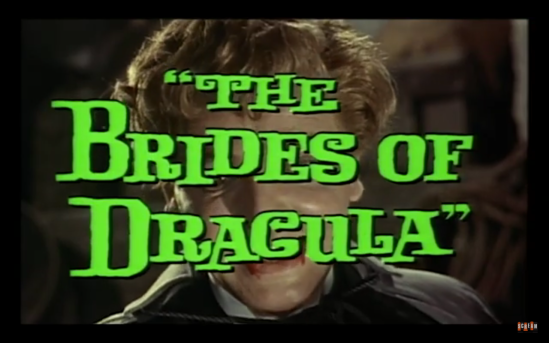
A Disciple of EVIL! “The Brides of Dracula” reviewed! (Scream Factory / Blu-ray)

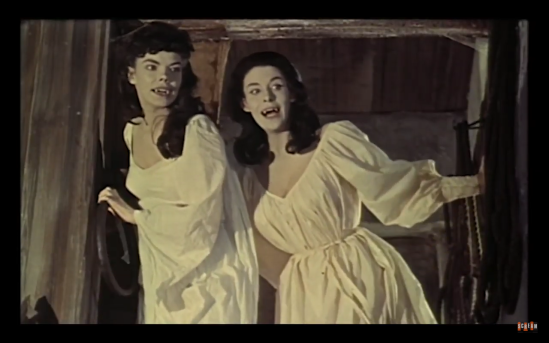
Marianne Danielle travels alone on the mucky and fog-riddled roads of Transylvania, traversing from France to be a student-teacher at a prestigious dance school for girls. When her coachmen departs without warning, leaving her stranded at a village inn, the Baroness Meister extends an invitation for Marianne to stay with her an the illustrious manor house, but the sign of compassionate hospitality turns into a near deadly encounter as Marianne discovers the Baroness’ son, the Baron Meister, chained against his will in an isolated room. As Marianne is tricked into removing his shackle, she unwittingly releases a conniving vampire into the surrounding village who prays on young women, but, nearby, Dr. Van Helsing has been summoned the Transylvania countryside by the local priest to hunt down the disciples of Dracula, the most powerful vampire Van Helsing had fought and prevailed. In order for the vampire plague to not spread like a virus, Van Helsing will stop at nothing from slaying the Baron Meister to stop the metastasizing of Dracula’s curse against mankind.

Let’s take a step back into time, 1960 to be exact, when Hammer Horror brought a flair for the dramatic to iconic monsters, lush with not only vibrant color schemes, but also in elaborate production designs that scaled the imagination while evoking fear of Satan’s most prolific profaner, the vampire, in Terence Fisher’s “The Brides of Dracula.” The sequel to “Horror of Dracula,” starring Christopher Lee as the titular character, staked vitality two years after the first film’s success and sought to return Peter Cushing back into the good doctor’s shoes once again to battle evil. Shot on lot at Bray Studios and with the grand house exteriors of the nearby Oak Court, “The Brides of Dracula” had greatly masqueraded the elegance and sophistication of the gothic design, bringing settings to life with monumental attention to detail. Before the shooting draft was ready, the script saw numerous rewrites which caused the narrative to fall into numerous hands and, so, the script is built on an overlapping composition of writers, such as Jimmy Sangster (“Horror of Dracula”), Peter Bryan (“The Plague of the Zombies”), Anthony Hinds (“The Curse of the Werewolf”), and Edward Percy. Hinds financed the film under Hammer Film Productions in association with Universal International.

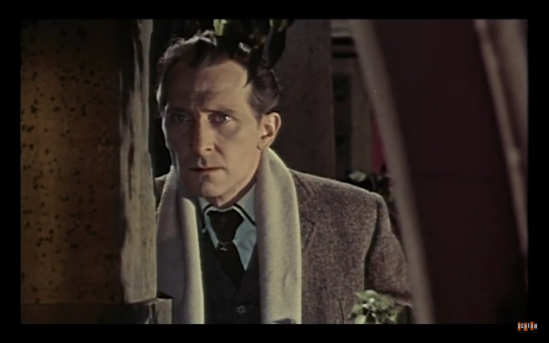
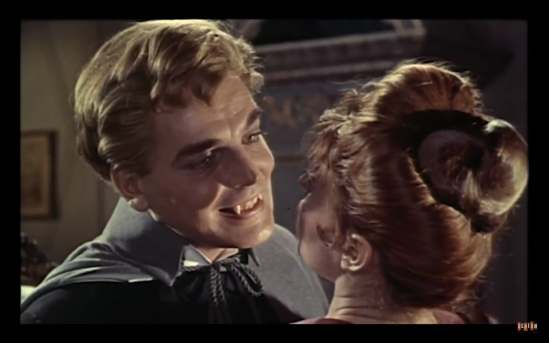
In stark contrast to Christopher Lee’s dark veneer that ennobled Dracula’s arcane and evil presence, David Peel brought a different kind of vampire stemmed off of Lee’s main bole as a disciple of the Prince of Darkness turned because of the Baron Meister’s uninhibited living the life of Riley. With blonde hair and a lighter complexion, Baron Meister became something of a pretty boy vampire that definitely propelled Peel into something of a sex symbol after the film’s initial release. While Peel’s terrific performance goes without wane, Baron Meister sticks out like a sore thumb with the lighter hair color and babyface dermis. The Meister is hunted down by the one and only legendary vampire hunter, Dr. Van Helsing, from Bram Stoker’s novel. Peter Cushing revives his performance from “Horror of Dracula” with a another meticulous and defining act that epitomizes the character’s nature as a knowledgeable and dignified combatant against the dark arts. Cushing versus Lee is the epic King Kong versus Godzilla faceoff that doesn’t leave much room for David Peel in a fight that’s more like King Kong versus King Koopa. The leading role went to French actress Yvonne Monlaur who, at the time, spoke really good English with a thick accent. The “Circus of Horrors'” Monlaur added beauty and innocence being ruthlessly taken advantage of as the hapless Marianne Danielle. With striking red hair and definitely a sex symbol, Monlaur was paraded as one of Hammer Horror’s finest leading ladies to ever grace their terrorizing tenure in genre. “The Brides of Dracula” has a supporting cast like none other with performances from Martita Hunt as the Baroness Meister, Freda Jackson as Baron Meister’s Renfield-like caretaker, Andree Melly as Marianne’s colleague, Gina, Miles Malleson as a greedy blowhard physician, and Mona Washbourne and Fred Johnson as the dance school’s proprietors.

“The Brides of Dracula” has lush, expensive looking production designs from Bernard Robinson that delicately acknowledge a 19th century coach and buggy society and creates a gothic tincture to brood in the bat-flying, eye-catching, blond-haired vampire sinking his canine’s into the untarnished flesh of young women. Yet, Fisher’s follow-up doesn’t add anything to the vampire etymology nor does it tack onto the mythos and, instead, clings barely to a compelling good versus evil narrative closely suited more toward one of the working titles, Disciple of Dracula. “The Brides of Dracula” bewilders as a final title that not once broaches the women stalked by the bloodsucker who seems to attack the random village virginals and, also, barely references Dracula, whom the harem of titular vampires are not at the crook of his pale elbow, but the now 60-year-old film, which I can still remember seeing on television back 30-year-ago, remains as one of the most memorable Hammer productions. Was it because of the enriched looking, old-fashion look? I’d say yes. Was it because of the soap opera designed performances that lavished in melodrama? I’d say yes. Was it because of the undertones of lesbianism, rape, and other taboo-esque themes? I’d say it was all of the above that drove “The Brides of Dracula” in not only being an opening day success but also encapsulating the legacy of Hammer Horror.

“The Brides of Dracula” is the unholy, unceremonious matrimony from hell and has come far from its run on the television with a new high definition Blu-ray collectors edition from Scream Factory, the horror sublabel of Shout Factory! Presented in two formats, a widescreen 1.85:1 and standard 1.66:1, the Blu-ray sustains the deluxe technicolor through the high-res, 1080p, video image that went through a new 2k scan from the interpositive master and absolutely appeals to the visual cortexes with an extensive color palette and very miniscule film imperfections from a super preserved 35mm stock. The English language DTS-HD Master Audio mono track is a resounding success with a grand big band score from debuting composer Malcolm Williams that juxtaposes significantly with the dialogue to only be a support device rather than be a main stage act. With many Scream Factory releases, “The Brides of Dracula” comes with exclusive and previously recorded special features included a new audio commentary with film historian Steve Haberman and Constantine Nasr, a making-of the film that includes a graveyard introduction goes into interviews with the late Yvonne Monlaur, screenwriter Jimmy Sangster, assistant director Hugh Harlow, continuity supervisor Pauline Harlow, art director Don Mingaye, model maker Margaret Robinson, and producer Anthony Hinds, and rounds out with a still gallery and theatrical trailer. The Blu-ray is sheathed in a cardboard slipcover with a cover illustration by Mark Maddox and inside is a reversible front cover. Irrefutably a classic, despite some quirks, “The Brides of Dracula” is vintage vampire stock, a pedigree of it’s time, of hallmarking the classical villain in a different, blonder light.

Own the collector’s edition of “The Brides of Dracula” on Blu-ray!