In the Middle of the Timor Sea, Lurking EVIL’s Hungry for Raft Afloat WWII Survivors! “Beast of War” reviewed! (Well Go USA Entertainment / Blu-ray)

“Beast of War” on Blu-ray from Well Go USA Entertainment!

Timor Sea, 1942 – A group of newly trained Australian soldiers are heading to fight in the second great war when a Japanese air raid torpedoes their ship, stranding seven soldiers on a floating shrapnel piece of the ship’s hull.  With little food, few defensive measures, and no water, rationing their supplies is key to survival as they float back in the direction they came.  When a hungry great white shark attacks their makeshift lifeboat, dying of thirst is no longer top concern.  Below the surface, the predator circles the prey, sniffing every droplet of blood from their wounds, and striking when the opportunity presents itself to drag one of them under the water.  As hidden danger lurks below, tensions rise above the surface between them and their warfare enemy isn’t quite done with the lot yet either.  Nowhere to run, nowhere to hide, they must fight with everything at their disposal to survive.

Most U.S. military enthusiasts know of the U.S.S. Indianapolis, a heavy cruiser warship sunk by Japanese torpedoes after delivering the atomic bomb on a covert mission, killing over 1000 naval servicemen, and dumping the rest into shark-infested waters where more lives succumbed to mother nature’s deadliest aquatic predators, but I’m sure the sinking of the HMAS Armidale in the Timor Sea is lesser known but follows parallel catastrophes and survivals to the U.S.S. Indianapolis with Australian soldiers left stranded in the middle of a shark-infested Timor Sea of the Indiana Ocean after their ship was sunk by Japanese forces.  Writer-director Kiah Roache-Turner, the Australian filmmaker behind the zombie epic “Wyrmwood” films and “Sting,” gets his feet wet with blending historical war action with sharksploitation in his latest film “Beast of War,” produced by “Daybreakers’s” Chris Brown and Blake Northfield, who saw 2025 as the year of producing period shark horror along with “Fear Below” involving a bull shark and the retrieval of sunken car in the early 1900s.  “Beast of War” is a production of Bronte Pictures and “Pictures in Paradise.” 

“Beast of War” doesn’t begin with a ship full of soldiers you barely get to know before being blown out of the water and become chum for a chomp-happy great white shark.  This route would have undoubtingly provided less setup of character and situation.  Roache-Turner takes us back to bootcamp where the ragteam bunch of privates learn fighting tactics, survival tricks, and comradery.  That last one, comradery, is an important and, in fact, it is the theme of Roache-Turner’s story introduced early in bootcamp trials and present through to the end.  Leo knows all about a comradeship being an aboriginal, Australian natives with an ancestral culture rich with a sense of community.  Embracing his heritage in the character Leo, Mark Coles Smith (“We Bury the Dead”) instills everything morally just within the ranks of man and militarism, earning the respect of his outfit apart from fellow private Des Kelly.  Sam Delich (“Christmas Bloody Christmas”) acts as a simmering bigot against the aboriginal, and perhaps to all those who are not white based off the dialogue, and this places Kelly to be the very anthesis of Leo in how he represents self-serving qualities and an intolerance for other races.  Kelly goes through satisfactory arc when he finds his back against the wall and his acts cause consequences his soul can’t recover from whereas Leo’s confidence brings him selfless courage though his own tragic backstory, the loss of his younger brother to a man-eating shark, may cause him to be more reckless against his own stare into death’s black eyes.  Joel Nankervis steps into somewhat of that little brother role for Leo as Will, a more of a thinker than a physical specimen of a soldier taken under Leo’s wing as Des Kelly shuns the weakest during comradery trials.  The remaining cast fills in with shipwreck beaten meat for the posturing, ultra-aggressive shark as well as other bootcamp attendees in Maximillian Johnson, Lee Tiger Halley, Tristan McKinnon, Sam Parsonson, Lauren Grimson, Laura Brogan Browne, and Masa Yamaguchi.

World War II soldiers versus a ravenous great white shark.  While that scenario might induce post-traumatic stress on a veteran navy seaman who lived through the watery Hell, for this guy, the sharksploitation scenario is salivating entertainment.  Highly stylized through color gels, fog, and a practical shark that’s damn scary, “Beast of War” not only brings high tension swimming beneath the surface but also educates history with a great deal sensationalism, evoking varying levels of bravery, the change in human condition, and a calming sense of sacrifice for a brother in arms, even if the shark took their arm.  The shark itself is pure nightmare fuel and though for cinematic value, it’s also an unfortunate continuation of demonization of the majestic creatures, especially when this particular great white shark acts and looks off from the real deal.  The movie shark, appearing with scars and a giant gaping mouth full of rows of flesh-ripping sharp teeth, doesn’t don the black doll eyes once eloquently put by the salty fisherman Quint in “Jaws.” Instead, this shark’s eyes are cloudy white as if possessed to prey and create havoc amongst the HMAS Armidale survivors, a menacing attribute heightened by the swallowing of an ordinance damaged air raid siren lodged in the interior gill resulting in death wailing screams that indicate its closing presence.  The shark also perches just below the surface with its nose just barely touching the water line, like a puppy dog waiting for a treat, ready to strike when a hand, foot, or even a portion of a blanket that’s wrapped around the injured becomes too appetizing to pass up.  All this adds to the element of certain death if even a toe goes into the water, removing any kind of chance from the safety nets of our minds for anyone who accidently fall or must dive into the water.  Roache-Turner doesn’t burden the shark to be the sole antagonist that spurs problematic situations from a Japanese fighter pilot, to the Des Kelly’s bigotry and self-interests, and there’s even complications from the severely injured parties that threaten their lives.  “Beast of War” is multifaced warfare with jaws. 

If you’re looking for next big shark horror, “Beast of War” on Blu-ray from Well Go USA Entertainment should be your next film! The AVC encoded, 1080p high-resolution, BD25, presented in a widescreen 1.78:1 aspect ratio, doesn’t accommodate Mark Wareham’s visual color range, tinctured with gels and hazed with fog to create that soft glow with blues, reds, and greens, with limited compression that creates black crush around the darker aspects and banding around the outer edges of the coloring. The not-so-hued scenes do depict punctilious details around fatigue textures and the stubby and course skin. The monstrous great white shark in the water, which is a little reminiscent of “Jaws 3-D’s” infamous control room scene, holds more ambiguity than when it breaks the surface, mostly around the gill to the snout to denote the scars, white eyes, and rows of razor teeth. The set stage to mimic a shrapnel raft is greatly constructed with a production design of strewn ship parts, cargo, and deceased bodies floating buoyant about and in play for the protagonist and antagonist to interact against. Wareham and Roache-Turner’s camera movements deliver dynamic scenes between calm and chaos with only seconds apart as the shark can surface at any moment. The English DTS-HD 5.1 master audio offers a complete and complex audio design that very much integrates the background sounds into the problem-at-hand fold. Japanese fighter planes, machine gun fire, explosions, air raid sirens, the swish of a shark in the water, the echoing strains of stretching bulkheads and metal shrapnel, and the back-and-forth splashes of water that give “Beast of War” that extra element of realism and suspense, channeled through the back and side channels to immense audiences inside isolation. Dialogue’s crisp and colorful amongst biting bigotry and Australian military dialect of the era with no issues and obstacles opposing the conveying conversation. English and French subtitles are available. Aside from a string of pre-feature trailer previews for other Well Go USA releases, “Beast of War” is essentially feature-only. A glossy, cardboard slipcover with an embossed title adds a textural bonus overtop the accurate described picture of action. The Amaray inside has the same primary image with no other physical contents. The region A release has a runtime of 87 minutes and is rated R for bloody violent content, gore, and language.

Last Rites: There’s nowhere to hide, nowhere to land, and no one to come save those left behind for the hungry great white in “Beast of War’s” World War II sharksploitation.

“Beast of War” on Blu-ray from Well Go USA Entertainment!

To Be or Not To Be EVIL? That is the Question! “#Shakespeare Shitstorm” reviewed! (Troma / 3-Disc 4K UHD and Standard Blu-ray)

A Wild and Crazy Shakespearean Parody of “The Tempest!” Own it here!

Inspired by William Shakespeare’s revenge and restoration themed play, “The Tempest,” the ostracized pharmaceutical scientist Prospero plots his revenge with whale laxative as gushes of multiple killer whale defecation shipwreck the excrement slathered global elite to the shores of Tromaville, New Jersey where Prospero owns a nightclub and laboratory for his mad experiments.  Miranda, his beautiful daughter blinded by the Trauma of her mother’s suicide, falls for Ferdinand, son of the rich pharmaceutical king Big Al who, along with Prospero’s twin sister Antoinette, betrayed Prospero to exile and displacement.  Revenge is a dish best served as cocaine tainted with mutant growth hormones concocted in Prospero lab.  With the help of a wheelchair bound crack-whore as his right-hand pusher, Prospero’s vindictive plan melds bodies and bodily fluids together in one flesh heap of disfigured dysfunction against the conglomerating corporate greed in the midst of two lovers formulating a bound beyond partisan lines.

Troma Entertainment president Lloyd Kaufman returns to the director’s chair to helm a classical rendition of William Shakespeare’s “The Tempest” with the NSFW eloquent title “#Shakespeare Shitstorm” and, as any self-respecting Tromaville fan knows, Troma titles can be extreme literally and, in this case, the adaptation is one big splash park of diarrhea.  “The Tempest” isn’t the company’s first re-imagining of a Shakespeare’s work with “Tromeo and Juliette” being the humble career beginnings of now mega-MCU and DCU director James Gunn (“Guardians of the Galaxy,” “Superman”).  For Kaufman, “#Shakespeare Shitstorm” might be one of the last directing efforts for the independent filmmaker and social justice warrior as he reaches into his 80th year of age, but that doesn’t stop the 50-year moviemaking vet from passionately wanting to create art from behind the camera to in front of it with this Brandon Bassham script based off a story between Kaufman, Gabriel Friedman (“Slashing:  The Final Beginning”), and, of course, the Bard of Avon.  While Shakespeare doesn’t foot the bill for the budget, him and Troma do have something wildly in common being masters of the low-cost arts as Kaufman, Troma cofounded Michael Herz, Doug Sakmann, Justin A. Martell, and John Patrick Brennan produce “#Shakespeare Shitstorm” on a shoestring budget put muster together a wild and crazy story and effects movie.

Kaufman’s so passionately about making art and filmmaking, and also watching his bottom line, that he also dons a dual role playing the revenge-seeking and masterclass scientist Prospero and crossdressing, which he’s done frequently and without a morsel of shame, to become the treacherous twin sister and marketing guru Antoinette.  Kaufman’s continues to throw caution to the wind in an unabashed performance that’s outrageously crude and lined with verbose dialogue that’s definitely memorized with monotonic intention but none of that should be surprising as Troma was built on fervor absurdity, and all the actors have a range of tactlessness that runs the gamut.  The eclectic personalities never conflict with overlapping or feel forced as sometimes they often do with Troma or with farce comedies in general.  Each character shines on an idiosyncratic level, such as Abraham Sparrow’s Big Al’s magnified pompous and drug-fueled pharmaceutical big shot, Amanda Flowers (“Werewolf Bitches from Outer Space”) crack-whore cripple Ariel, and Dylan Mars Greenberg (“Psychic Vampire”) as a social media influence and justice warrior.  Kate McGarrigle and Erin Patrick Miller, like Kaufman’s Prospero and Antoinette, play two characters from the Shakespearean play with Miranda and Ferdinand respectively.  Their opposite sides, Romeo & Juliet-esque affair has more an even keel, still absurd without a doubt, but better balances the stranger side of the deep character pool.  Let’s also note that “#Shakespeare Shitstorm” is also a musical that puts more effort in synching action and lyrics into a frame already filled with slapstick surrealism and socio-political satire.  The cast rounds out with Frazer Brown, Monique Dupree, Teresa Hui, Ahkai Franklin, Zoë Geltman, Zac Amico, Elizabeth D’Ambrosio, Nadia White, Dai Green, Vada Callisto, and special guest stars Ming Chen, Tommy Pistol, Bill Weeden, Julie Anne Prescott, Doug Sakmann, and Catherine Corcoran.

If afraid to get down and dirty with drowning in logs of whale feces, be offended by the large, and small, phalluses and other nudist behavior, be enraged by the comedic appropriation of the disabled, transgendered, and race communities, or just become upset at the smallest off-kilter behavior and uncouth conduct, then “#Shakespeare Shitstorm” should be on your top ten list of must watch because that’s Troma’s whole schtick is to challenge the uptight and corporate commercial narrative that has everyone on edge and afraid to walk on the permissible wild side, especially in art that’s supposed to covered by freedom of expression and speech.  Kaufman puts the light on the irony, the preposterousness, and the two-faced hypocrisy that is the dark side of social media, such as cancel culture, which is in itself is an ironical dig at far liberal thinking, a stance bred from the same gene pool that has supported Troma over the last half a century, but that doesn’t mean Troma stops parodying and caricaturing the gentrifying and oligarchical elite with their own brand of downright vulgarity, and being funny and rights advocating while doing it, such as an extreme deluge of whale feces being evacuated right onto a luxury yacht, shipwrecking the survivors onto the seedy shores where a tainted drug nightclub brings revenge to a fleshy, body-horror amalgam finale that is Brian Yuzna’s “Society” on steroids and Viagra.  Characters Miranda and Ferdinand represent the best parts of both worlds, restoring and evolving out from their parental trauma induced wormwood ways into love and hope, two core values Troma preaches from the rooftop.

“#Shakespeare Shitstorm” receives a huge 3-disc UHD Blu-ray and standard Blu-ray release that’s….not a shit storm.  The UHD is HEVC encoded, 2160p ultra-high definition resolution, BD66 with an HDR10 range and the standard Blu-ray is AVC encoded, 1080p resolution, BD50.  Troma pulls out all the stops for what could have been Kaufman’s last feature film directorial, leaving nothing to chance with detail and sound immersion to make sure audiences get into the sticky crevices of every mutated orifice.  Cloudy with haze, bathed in neon lighting, and lots of rough, low-lighting doesn’t provide the utmost specifics surrounding every textural aspect but there’s plenty to field in both formats that warrant squeamish reactions and repulsive states through the mound of transformative flesh that for the most of the time show their fabricated prosthetic qualities.  While both formats produce a vivid image, neither one of them really stand out above the other with only minor, insignificant detailing coming through the UHD.  The film is presented in a widescreen 1.78:1 aspect ratio.  An English DTS-HD 5.1 master audio mix is surprisingly utilized!  Environmental ambience, diegetic and non-diegetic, has isolated channeling, such as the pitter-patter of rain through the back channels, that provide a layered sound design and added depth to the picture.  The dialogue, through regular conversation and musical numbers, retains a clear understanding without any feebleness and often times with Troma productions, the audio can sound one-dimension, but this Kaufmann film is a multi-diagonal product with an abundance of surround sound through all the bodily fluids and it’s acts of secretion sounds.  Rob Gabriele, Filipe Melo, and Louise Aronowitz music and compositions run with the Troma tide in executing highlighted whimsical and comedically inclined numbers for the actors to either be engulfed by or lip-sync.  English subtitles are available.  Two discs packed with extras extend the endless absurdity.  First disc includes a typical introduction from Lloyd Kaufman, also available before running the feature, who teases the road ahead and shows enthusiasm for the film’s UHD properties, there’s also two commenter tracks – one with Lloyd Kaufman and fellow producers Justin Martell, John Brennan, and Mark Finch and the other with actors Zac Amico, Teresa Hui, Amanda Flowers, and Dylan Mars Greenberg, producer John Brennan and production designer Yuki Nakamura, who both also work on the Last Drive-in with Joe Bob Briggs, regaling their tales through production designing, a music video Tromatized featuring Abbie Harper, a Troma Now advert featuring two lone Tromettes bored and looking for something to do/watch when Uncle Lloyd gives them Troma streaming guidance before locking lips, and the teaser plus three theatrical trailers for the feature.  The bonus 2nd disc includes the full-length, behind-the-scenes documentary Brown is the Warmest Color (a riff on “Blue is the Warmest Color”) that follows the pre-principal-and-post production and all its departmental successes, problems, and day-to-day that though even shows how ardent Lloyd Kaufman is about his on-set direction for art, love, and expression, it also does show how tyrannical, at times, he can be on set with an impatient nature and rigorous time productivity.  Also including on the disc is Tromalbania as the production goes to Albania to finish the yacht sequence, Troma in Times Square is another video marketing maneuver for the company’s streaming service by having Toxic Avenger face off against the evil Netpix, isolated musical numbers from the film in #Shakespeare’s Shitstorm:  Musical Numbers, and the auditions for select roles, including but not limited to Dylan Greenberg Mars, Nadia White, and Amanda Flowers.  The encoded features are definitely good insight and tourist attraction beacons that depict movie magic, intent, and can offer comedic and cringeworthy states of independent filmmaking, but packing a punch as well is the packaging that offers embossed tactile elements of the O-slip with some sick (awesome) illustrative, back-and-front artwork by Sadist Art Designs  The black UHD Amaray sports a white trimmed version of the O-slip backside artwork and inside is a hinged flap that tightly secures discs 1 (UHD feature) and 2 (standard Blu-ray feature) with the third disc snapped securely onto the interior back cover.  Each disc displays a different story depiction with either the front O-slip art on the UHD disc with the standard Blu-ray and the bonus disc with memorable movie imagery.  The self-labeled comedy-epic, with gashes of unhinged body-horror, has a runtime of 94 minutes with the not rated 4K UHD disc is encoded as region free while the Blu-rays are region A.

Last Rites: “#Shakespeare Shitstorm” may be a lot of things – crude, offensive, over-the-top – but Lloyd Kaufman’s supposed last magnum opus seizes every opportunity to make a statement, one that’s literally on a crapload of sociopolitical and cultural renaissance level!

A Wild and Crazy Shakespearean Parody of “The Tempest!” Own it here!

Another Ballsy Tom Martino Low-Budget Comedy-Horror That’ll EVILLY Knock the Political Correctness Right Out of Your Body. “Fisted!” reviewed! (Wild Eye Releasing / DVD: Raw and Extreme)

“Fisted!” is Guaranteed At Least One Laugh! Now on DVD!

Camp Counselor El Mo runs a camp of merciless sexual abuse and is driving his plaything campers to one their what’s sure to be an exploitational hike through nature but when the van suddenly explodes from underneath and a tire rod penetrates El Mo through the rectum and kills him, the seemingly resigned El Mo campers find their long-awaited plan for revenge has been circumstantially and unfortunately thwarted by chance.  Determined not to be deterred for vengeance, the campers hike El Mo’s corpse to an isolated clearing where they will cook, eat, and excrete his remains but before they can do so, in the woods is the once urban legend turned real-life serial killer wearing a human flesh-masked, named The Jerklin’ Boy.  With an angry fist that can explode someone in a single punch and a knack for ripping off their scrotum and attaching them to his mask, The Jerklin’ Boy is an unstoppable demonic evil force hellbent on destroying all in his path.  There are even giant flesh-eating ants running rampant.  With nowhere to turn, the campers are at the expertise mercy of a demon hunter disguised as a camper amongst them who was once tracking El Mo and has now changed course for The Jerklin’ Boy. 

If a fan of Tom Martino’s outrageous and politically incorrect, 2012 science-fictional horror-comedy schlocker, “Race Wars:  The Remake,” you might also want to check out another Martino indie feature filmed around the same time, a pseudo-SOV release that’s a horror-comedy with a punch!  “Fisted!” is the Martino written-and-directed independent production produced shortly after “Race Wars: The Remake: and just like “Race Wars: The Remake,” it aimed to offend all without an apologetic backpaddling for its lack of decorum.  Flagrant homosexuality stereotypes, raunchy cock-and-ball grotesqueness, off-color race tropes and gags, and much, much more lineup scene-after-scene in Martin’s indelicate and indecent return to the indie market.  Once again, Martino produces his own film, as I’m sure no other company wants to touch it with a 100-foot pole, under his horror bust and mask-making company DWN Productions, which he shamelessly plugs in the middle of the story for good comedic measure. 

Pulling form his pool of acting talent and making their returning are the Martino entourage actors Jamelle Kent and Howard Calvert.  The “Race Wars:  The Remake” lead actors find themselves out from the alien fast food and zombie-inducing drug trade business and into being assaulted and hurt campers DL and Dick looking to eat-revenge their abusive counselor.  Joining them and also trading in his “Race Wars:  The Remake” supporting character badge for a principal character badge is Kerryn Ledet as Schindler, the mastermind behind the rape-revenge plan.  Ledet does the job but doesn’t hold a candle to Kent and Calvert’s dynamic duo in “Race Wars” with their a little extra something expressions compared to Kerryn’s over-the-top and crooked eyelevel facial stances.  Joe Garcia plays a seriously unsettling and verbally aggressive molester in El Mo with other campers alongside Calvert, Kent, and Ledet in comedian Joking Jolly Rogers as the stachy Tiny, Liz McCarty as the lesbian Butch, Sam Rivas as the wheelchair bound Kurt, and Martino as sleepy Charlie.  Martino doesn’t sleep the entire picture as he takes on the main antagonist role of The Jerklin’ Boy, who supposedly has dynamite running through his veins and gives him a punch that can knock your socks off and more!  Danny McCarty, husband to Liz McCarty, is not only the co-editor of the film but dons the emo-gothic sheath of The Lords Palm Slayer, a demon hunter on an on-going fight to destroy evil.  The Black Kreecha, aka Kreech Kreecha, makes his ode to the “Creature from the Black Lagoon” return from “Race Wars” to “Fisted!” with the simply named Steve, (voiced by Tynell Addison) as the beer drinking, slightly incestuous big brother to Kerryn’s Schindler.  “Fisted!” rounds out with a few other colorful characters with Flamey the Bear (Tynell Addison), the pussywillow scientist (Joe Grisaffi), the drug-addicted blood pisser (Kevin Choate), the Groucho Marx bench perv Rodrigo Pena, and a profanity-loaded prologue and epilogue by legendary Clarence Reid in his iconic rapper identity Blowfly. 

“Fisted!” is pansexually raunchy at its core and tapes into the same genre fan-living practical effects vein to the likes of Jeff Bookwalter’s “The Dead Next Door” minus the cut-and-paste visual effects that make Martino’s film all the more special in the eyes of the eccentric and underground indie film-loving beholder.  Off the wall and off-color, “Fisted” doesn’t hold back the unglorified gags and is not trying to win any morality and ethical awards or honors anytime soon.  The narrative is also divergent of any conventional narrative by be-bopping between the rape-revenge of the creepy molester El Mo, the scrotum snatching and wearing serial killer Jerklin’ Boy with an inexplicable powerful fist, the unexplained origin of large flesh-eating ants, and a demon hunting sect crusader who strays off the path of good.  There’s a lot going on and a lot of vulgarity and a lot of fun happening here under the umbrella of ultra-low budget, underground cinema.  “Fisted!” will not win the majority over and its niche comedy and contribution to science fiction horror doesn’t distill new and improved results into the genre but if you can relax from the high-strung conservative values and be open to a shoddy veneer and house made special effects ran through a VHS filter, “Fisted!” is a psychotic ass-punch of ridiculous fun with absurd practical and visual effects.

Coming in as the 92nd title for Wild Eye Releasing Raw & Extreme label, “Fisted!” is one insane grotesque death after another and this death punch of a film lands onto a new DVD with a MPEG2 compression encoding and an upscaled 720p albeit you wouldn’t be able to tell since there’s a heavy VHS filter that creates the impression of interlacing lines, tracking lines, and macroblocking as if watching a low rung SOV.  The single layer DVD5 has a negligible effect since, again, the VHS filter puts the picture quality through the wringer but that’s Maritno’s intended veneer at a 90’s inspired grindhouse picture with the hot new tech of the era.  My only complaint is the censored tracking lines overtop the plot critical moment where the lesbian action is not definitely simulated!  A riveting scene that certainly made my brow sweat, profusely.  The English language Stereo 2.0 suffers significant from poorly placed equipment and user error that often fights the natural elements, aka wind, and can also sound a bit boxy.  With the gusts on the creek of an alligator-infested Missouri shore, ambience noise drowns out select dialogue scenes of exposition and performative utterances.   There’s not much in the way of a memorable or killer soundtrack but the sound design to match the every aspect of the special effects lands with comedic flair, when there is actually audio synched with the action as occasionally it’s missed due to the 5-year post production change of hands.  Bonus features include a Wild Eye produced commentary featuring director Tom Martino and actor Joe Garcia and the feature trailer plus other Wild Eye Releasing films.  The DVD comes in a clear Amaray with uncredited, illustrative cover artwork of all its psychotronic insanity.  The reverse side depicts a blown-up image of an outrageous death moment.  The region free Wild Eye Releasing has a perfectly paced runtime of 71-minutes and is, of course, unrated.

Last Rites: Wild Eye Releasing continues to live up to their moniker with another wild, uncouth, and not rated story that barely has any narrative flesh hanging from the bone. “Fisted!” truly fights the conventional cinema power and doesn’t pretend to pull any punches as it takes on race, sexuality, and perversion without shame or any moral high ground.

“Fisted!” is Guaranteed At Least One Laugh! Now on DVD!

EVIL’s Path to being a Psychopath. “The Beast to Die” reviewed! (Radiance Films / Limited Edition Blu-ray)

“The Beast to Die” on Limited Edition Blu-ray from Radiance Films!

Former war journalist, Kunihiko Date, stabs a veteran police investigator to death.  He then uses the detective’s revolver and guns down three, after hours casino employees in cold blood and steals the day’s earnings.  Date’s seemingly random acts of violence and theft from a respected war journalist and photographer are not just random acts but part of a methodical plan for an upcoming heist of a bank in Tokyo’s Nihonbashi district.  Casing the bank’s security, personnel, and layout, Date’s perfect plan has one hitch; Because of the bank’s size and bustling busines, he’ll need a little help.  By chance, he comes across Tetsuo Sanada at an annual school alumni dinner with his closest friends who have a violent run-in with Sanada as their antagonistic waiter.  Seeing the same potential disregard for life and disdain for existence conventions, Date approaches Sanada and mentors him under a nihilistic wing.  Now with a plan and an accomplice, Date’s violent holdup can move forward but to what end is the length of his sociopathic carnage. 

“The Beast to Die,” aka “野獣死すべし, Yajū shisubeshi,” is the intense and violent noir-thriller from Japan, directed by “Dead Angle’s” Tôru Murakawa and a script by Shoichi Maruyama (“The Triple Cross”).  The 1980 released feature would be Murakawa and Maruyama’s second feature length production together behind 1979’s “The Execution Game,” the second film of a trilogy known as “the Japanese Game Trilogy is a visceral yakuza tale of a kidnapped hitman unable to escape the criminal underworld. “The Beast to Die” is a step away from the Japanese gangster film; instead, focuses on the interpretation of war trauma, the cynical views of precious life, and has subtle presences of U.S. big brothering, asexual themes, and coarse, unforgiving violence at the highest level of sophisticated society.  Adapted from the Haruhiko Ôyabu novel of the same name, the written origin mirrors the vehemency of visual art with the film produced by Haruki Kadokawa (“Virus”) and “The Resurrection of the Golden Wolf’s” Mitsuru Kurosawa and Tatsurô Shigaki under the Toei Company and Kadokawa Haruki Jimusho.

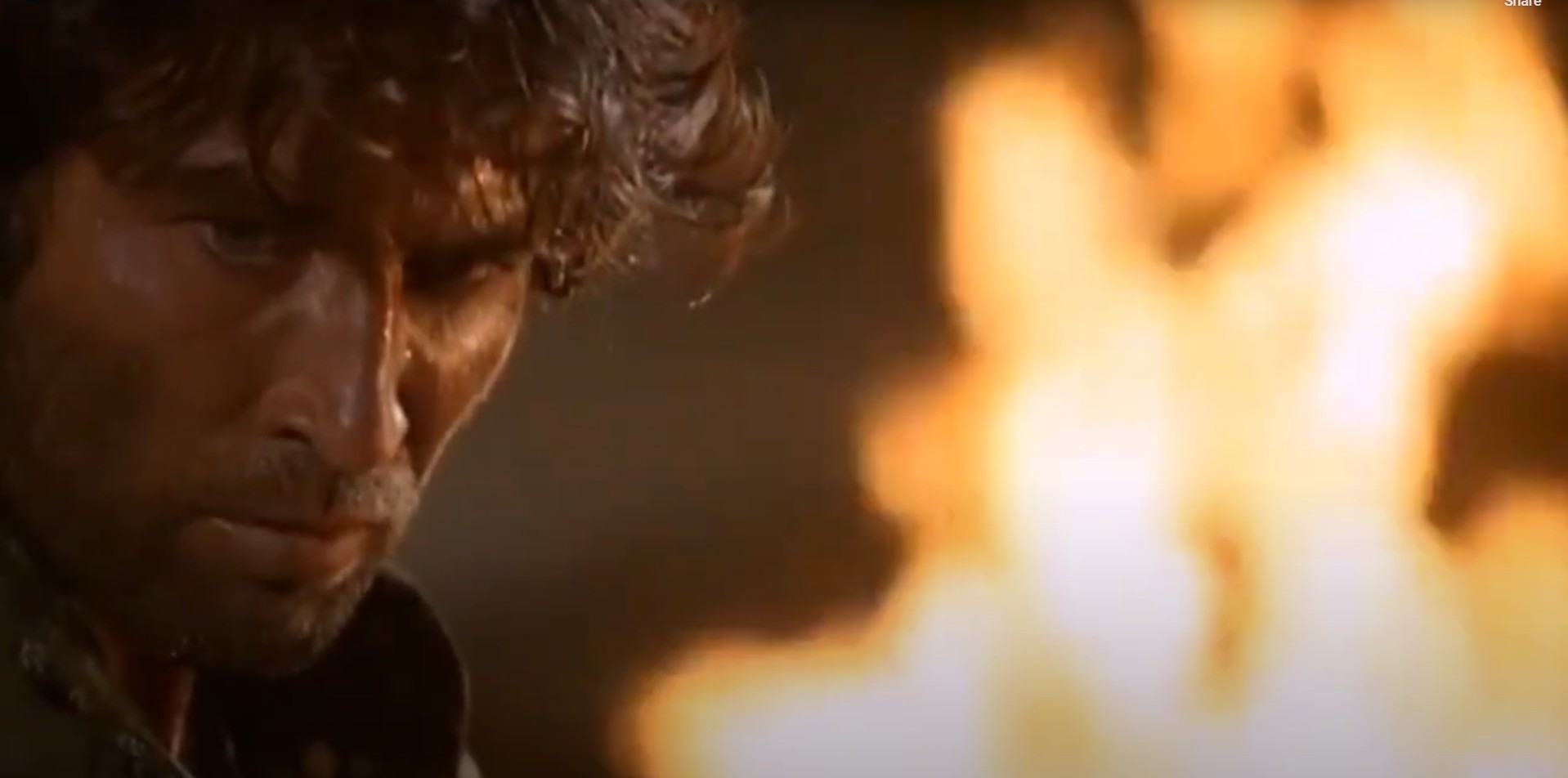
Undoubtedly one of the best sociopathic performances of our lifetime, “Horror of the Wolf” and the Japanese Game trilogy’s Yûsaku Matsuda is a cool, awkward, and, if not, plotting cucumber amongst the masses of jovial and hustling Tokyo denizens.  There’s a serenity about Matsuda’s Kunihiko Date that’s unparalleled, represented by blank stares, a patient demeanor, and precise movements that come in stark contrast in the film opener where Date takes down four people in one night in a show of murderous inexperienced bravado.  Even in the thick of combative survivalism, there’s only objective goal in his sweat infused brow and focused eyes while others gesture and make an invitational show of his attack or of their pleas for mercy.  Date becoming lost in classical music is a formidable way of grounding himself, not only from the high of excitement and thrills of killing, but also a way to retain sanity in the notes, an aspect he quickly unravels from when not exposed to classic music for an extended period.   Oppositely, Tetsu Sanada is full of pent-up anger as if he’s constantly hitting his head on the wall aiming to break free of the surroundings that confine his wild tiger attitude, yet Takashi Kaga (“Isle of the Evil Spirits”) maintains a personal struggle lock on the full emergence of Sanada as Kunihiko’s equal.  This dichotomy between the anger and tranquility of two sociopaths is immensely palpable that leads to a purposeful instability in a number of areas – hesitation and certainly, the sweat-inducing fear and the cooled fearless, and, eventually, the relationship’s ultimate internal destruction.  Thrown into the Kunihiko and Sanada tango is a potential love interest in the puppy-eyed Asami Kobayashi (“Sixteen Years Old:  Nymphets’ Room”) and her shared classical music and tenderness connection with Kunihiko and a happenstance Detective, played with casual approach by Toshie Negishi (“The Rapacious Jailbreaker”), being in Kunihiko’s consciously aloof presence as a pressuring force that suspects something between something off with Kunihiko and the murder of his detective colleague. 

“The Beast to Die” explores various themes around the indirect damage of post-war trauma and living and feeling like an outsider of the what’s consider the normal societal collective, but there’s another avenue to look down when consider Murakawa’s villainous protagonists.  Kunikhiko Date may have been scarred by war, but his mind always had an inkling for bloodthirst, sated through the images of a photographic lens that captured the horrors of global conflict from military losses to the collateral damage.  Upon his return to Japan, Date had lost the exciting sensation of death that has exceled his rationality beyond being Godlike, able to take life without conscious due reproach.   Sanada, in a way, is similar in his radical viewpoints but Date finds him more talk than action, held behind the line he has yet to cross unlike Date’s journalistic meatgrinder and his self-drive to kill the detective and casino workers.  As far as vices go, neither men have an appetite for sex:  Kunikhiko  watches a sex worker masturbate with little interest and his connect with Reiko doesn’t go beyond the gazes into each other’s eyes and Sanada’s fortunate relationship with his girlfriend provides him with well-off opportunity in money, business, and romance but because she dapples in rendezvous with a U.S. sailor, Sanada finds himself engrossed with spite.  Both men become essentially sexually impotent with seeing red, in anger and in blood, replacing that primal need or ravenous appetite.  The last scene between the two men becomes a crucial turning point in their cruel comradery as the forceful sex act with an unconscious woman sends the other unravelling their partnership for good.  “The Beast to Die” is a cynically cold narrative without regard for human life in the traumatizing belief one can surpass the omnipotent Gods by ending the existence of others.

A compelling dark thriller relatable to contemporary trauma feeding mentally warped violence, “The Beast to Die” arrives onto a limited-edition Blu-ray from Radiance Films.  The UK label produces a Kadakawa Coprporation-created digital 4K restoration transfer from the original and pristine 35mm print.  AVC encoded onto a BD50 and presented with 1080p high-definition resolution in a 1.85:1 widescreen aspect ratio, this Stateside edition is the picture of health with a rich palate that’s stark with contrast.  Skin tones and textures, as well as fabrics, emerge into perspicuousness without missing or dropping a beat.  Negative spaces and shadows enshroud appropriate with the keyed lit dim levels.  The grain is pleasant, stable, and natural and there are no real issues with the print itself, withstanding the test of time.  The uncompressed Japanese PCM 2.0 Stere track offers a reasonably ample sound design and fidelity with post-production dialogue, foley, and ambience recordings that creates some mismatch and distancing space between the action and atmosphere audio and the character diegetic dialogue.  There are no rough patches to mention within the audio recordings, producing more than fine discernible quality to the technical threshold.  Japanese to English translator Hayley Scanlon provides newly translated English subtitles that are spotless in the Blu-ray’s world premiere with English subtitles.  Limited to 3000 units, Radiance offers exclusive special features, including new interviews with director Toru Murakawa, screenwriter Shoichi Maruyama, and a film critique and analysis from novelist and screenwriter Jordan Harper.  The newly commissioned artwork by TimeTomorrow revamps with a new look and layout on the classic, original poster art as the primary Amaray front cover with a reversible side housing an alternate rendition.  There are new and archival essays and archival in the limited edition booklet with 27-pages of color stills, a Tom Mes Yusaku Matsude:  Lost Rebel essay from 2004 showcasing the art and films of the lead actor, a new Tatsuo Masuto essay Shadow of the Beast, cast and crew acknowledgements, and transfer notes and Blu-ray release acknowledgements.  Encoded with a region A/B lock, Radiance Films release has a runtime of 119 minutes and is not rated.

Last Rites: Radiance Films’s limited edition run of “The Beast to Die” is immaculate in every aspect – filmically, technically, packaging – and is an important piece of Japanese culture and cinematic criterion.

“The Beast to Die” on Limited Edition Blu-ray from Radiance Films!

Dark Force Rides into the Sunset with EVIL Flannel, Stirrups, and a Brothel Full of Stolen Women! “Ride a Wild Stud” reviewed! (Dark Force Entertainment / Blu-ray)

About as Obscure as They Come! “Ride a Wild Stud” on Blu-ray!

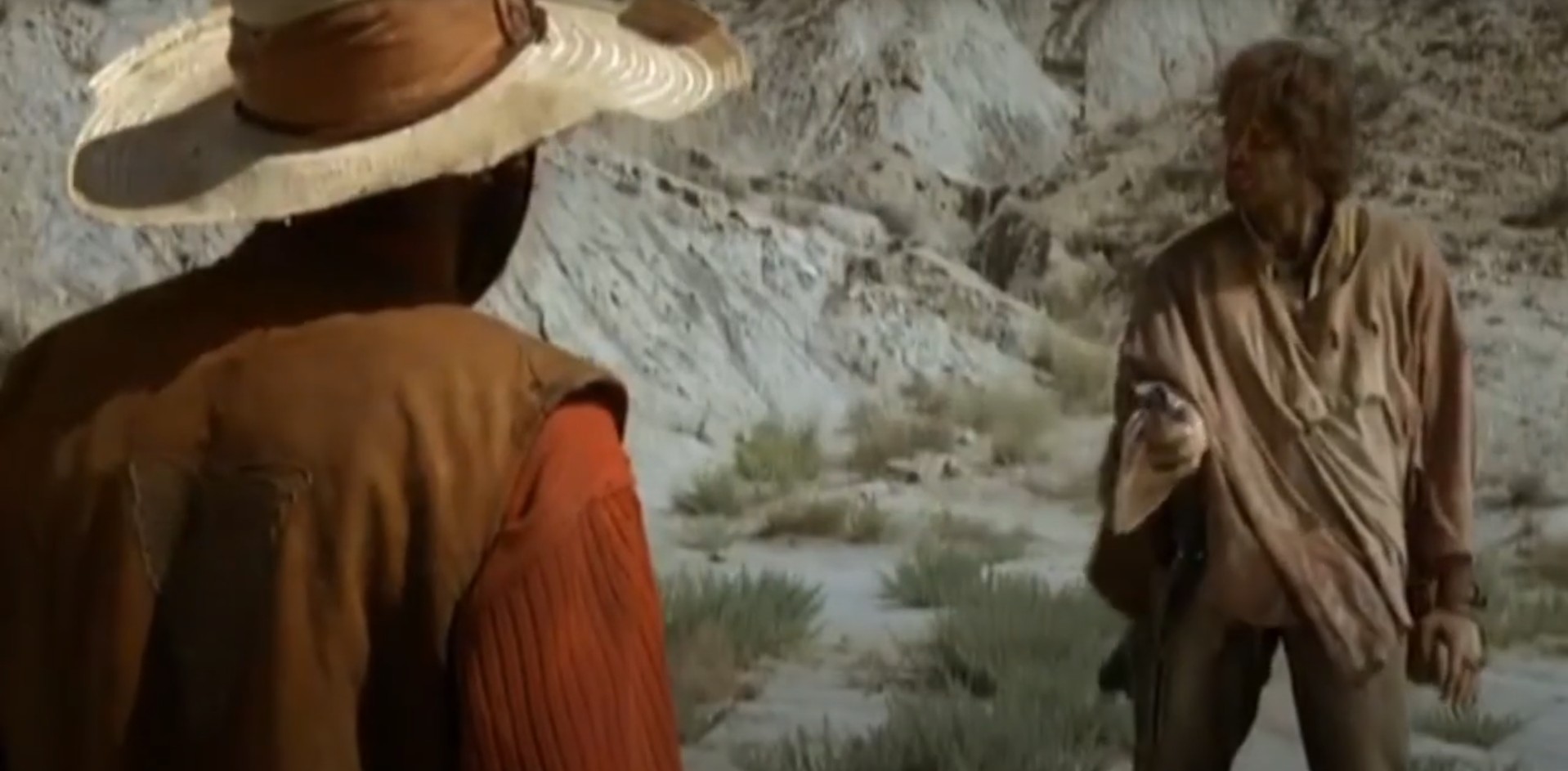
During the Civil War, the Wild West lives up to the name between advantaging exploiting gangs of bandidos running rampant alongside the Southwest terrain and the hard-pressed law outmanned and outgunned to never be able to gain apprehending ground.  One determined law man, Lieutenant Mike McDermott, has a plan to infiltrate William Quantrill’s plundering murders, thieves, and sex traffickers and take them down from the inside-out by portraying to be a likeminded criminal escaping the law.  Successfully penetrating Quantrill’s ranks, McDermott takes young Marsha under his watch; Marsha has become enslaved in Quantrill’s house of pleasure brothel, supervised by his right-hand man Bill Doolin after Doolin mercilessly guns down her father and rape and murders her older sister in a home invasion of their simple life assets.  When another of McDermott’s steady female informants is shot dead by Doolin, the lawman becomes judge, jury, and executioner on a gang of no-good Western raiders and sexual profiteers. 

A western exploitation epitomizing B-movie babes, brawls, and bad guys, “Ride a Wild Stud” surmounts as sleazy cowpoke overtop classic, 1960s Western vibes of machoism, duty, and exciting gunfights.  Profound Western film filmmaker Oliver Drake during the Golden Age of cinema (“Bordering Buckaroos,” “Deadline”) quietly transitioned from run-of-the-mill westerns to a handful of grindhouse and exploitation B-movies by the 1960s under the pseudonym of Revilo Ekard, Drake’s name spelled backwards, who produced under that credit this 1969 adult-oriented oater as well as the even saucier and scandalous “Angelica:  The Young Vixen” where the titular young woman seeks older man comforts.  “Ride a Wild Stud” is penned by the assumed husband and wife due of Rachel and William Edwards of the sex-schlocker “Dracula (The Dirty Old Man)” released the same year.  The writing pair also served as producers of the film under the production of Vega International. 

Director: Oliver Drake

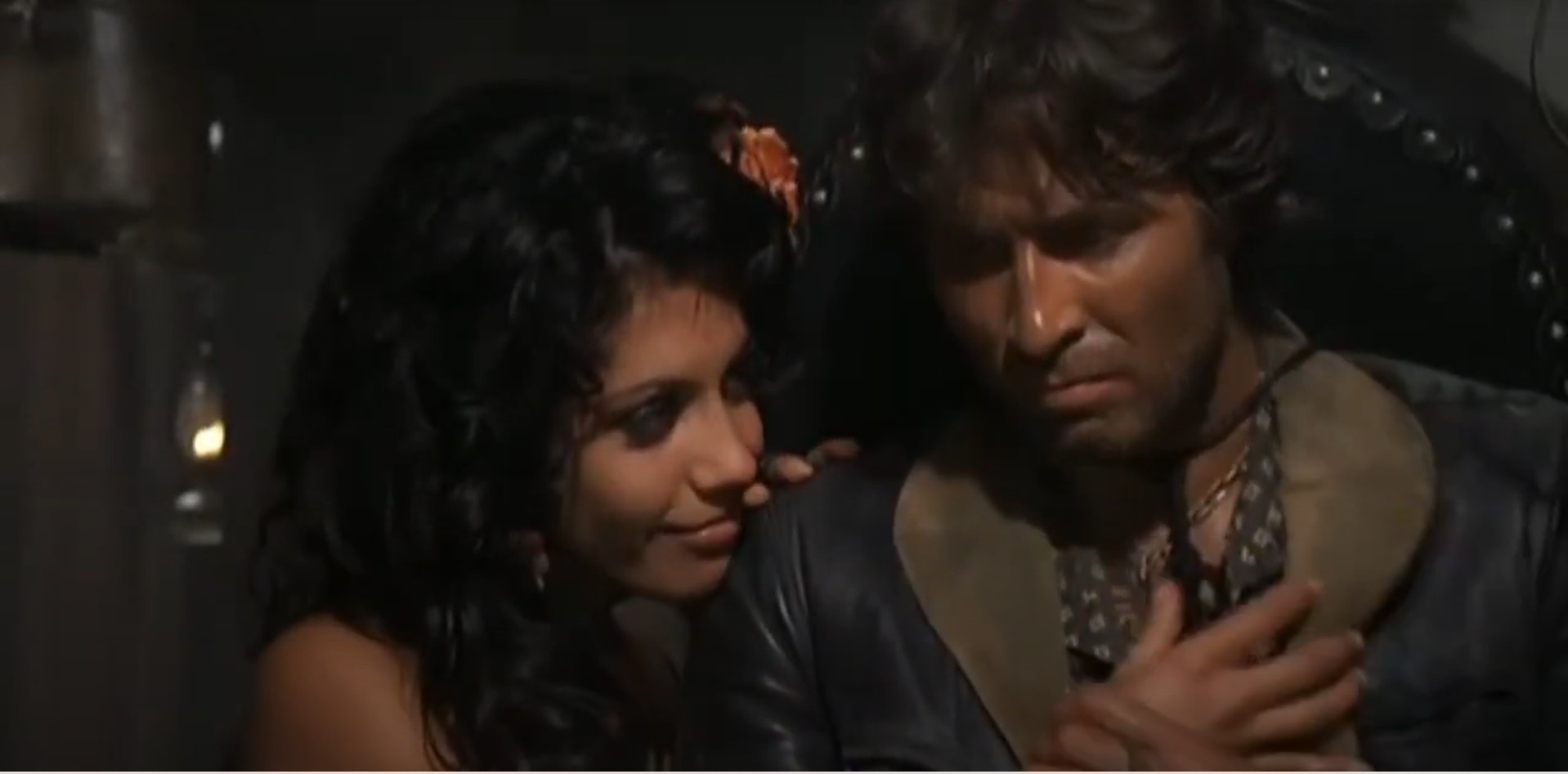
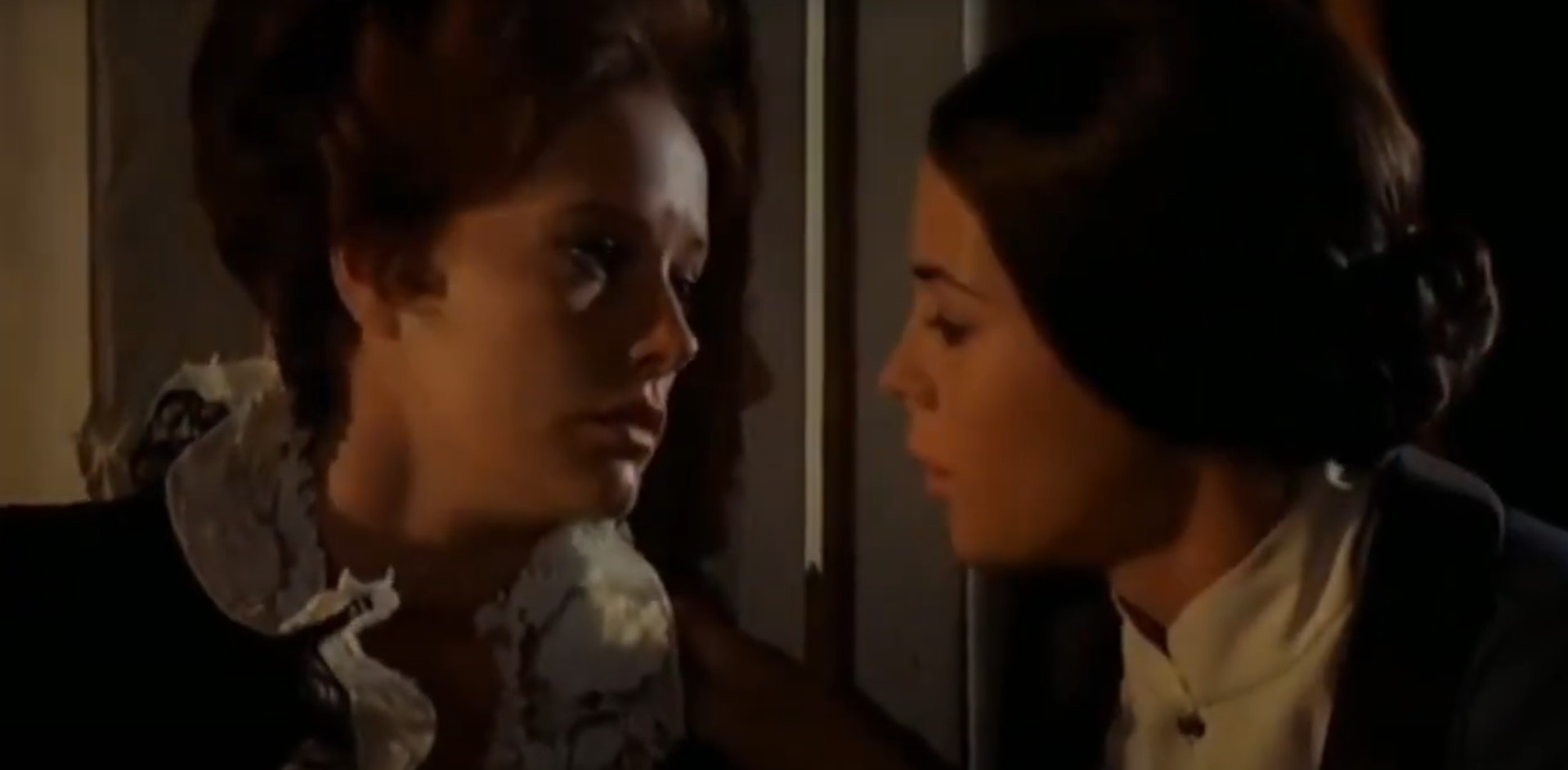
“Ride a Wild Stud” is an interesting oddity of it’s time.  Usually in exploitation pictures, the lead male actor has his get busy share with the ladies but for Hale Williams, as the gang-infiltrating Lt. McDermott, there’s no hanky-panky with the actress lot.  Williams, whose role is his only listed credit, plays a respectable and honorable law-abiding man without any inkling of perversion of sensuality in his most defining John Wayne respect.  Instead, romping in the haystack is no stranger to the transgressing Quantrill gang in quite a handsy show of rough, unwanted affection with those characters unwilling to go along with the brothel or are being raided invaded elsewhere.  Frenchy Le Boyd does a lot of fondling and groping as second in command Bill Doolin along with an assortment of bandido backdrop actors really getting into the sleazy deviant role.  This sets a clear hardline of contrast between good versus evil, respect versus the disrespectable, to never blend the characters even when McDermott becomes the sheep in wolves clothing.  Josie Kirk plays as one of those unfortunate pilfered women in Marsha and is, in a way, the leading or mainstay characters Doolin’ drools over and McDermott fights for but it’s the blonde C.C. Chase as house of pleasure vet Irene who has is deeper into the dredges and is has complexities as McDermott’s informant rather than just a chest-bearing pretty face being taken advantage of and succumbing to Doolin’s woos when it fits her need.  The rest of the cast rounds out with a bunch of no-names, yet get protracted screen time for coldhearted perversities, with William Fosterwick, Burke Reynolds (“The Mummy and the Curse of the Jackals”), Helga Hanshue, Cliff Alexander, Chuck Alford (“Corpse Grinders 2”), Richard Smedley (“The Suckers”), Bill Johnson, Tex Gates, S.T. Alexander Sr. and Bob Goldfarb. 

“Ride a Wild Stud” has all the hallmarks of a typical exploitation picture with a double entendre title, unprovoked and gratuitous violence, and plenty of feminine skin.  Yet, the story leaves much to be desired.  The lawman infiltrating the criminal organization, becoming one of their own to take down from the inside out, tale is no Martin Scorsese’s “The Departed.”  In fact, the story is rather lazy akin to low-rent porn or softcore titles with a story garnish.  Focally, “Ride a Wild Stud” harnesses the men-take-want-men want mentality with rarely any Western damsel enjoying herself in the arms of musky flannel and gun-belt thrust grizzled by a scruffy 5 o’clock shadow and for the story, there’s too little progression to compel with empathy or be at the edge of your seat with intense anticipation for the in the lions’ den hero and heroines and the gunfights are grotesquely tame after the initial film opener of a multi-horseback chase gunfight.  The whole good versus bad cowboy roundup is stiffer than normal of its era heading into the time of the famed and profound spaghetti western.  The exploitation action has some noteworthy clout with busty, slender women being manhandled like a hogtying a pig at a rodeo and the ample scuffle between Doolin and McDermott might be bordering repetitive but scratches the itch of a good ole fashion fist fight, but by the telltale strum of a rhythmic and recurring guitar riff, that is when the salacious sex ensues and without that change or evolution in the score, that plays every a few minutes with another intertwinement of two bodies, not even the charge of gratuitous nudity can re-spark “Ride a Wild Stud’s” Western-exploitation mojo back on the snakebitten and dysentery-riddled Oregon trail. 

An Adult Adventure awaits in this womanizing Westerner released by Dark Force Entertainment for the first time in high-definition.  The film was originally shot in 16mm, but Dark Force Entertainment unearths the rare blown up 35mm reel for their Hi-Def transfer that produced decent picture quality from the AVC encoded, 1080p resolution, BD25.  Preserved to the extent where the 16mm could be on the fence of being native 35mm if it wasn’t for the degrading emulsion layer and the lower contrast with exterior lighting that creates washed out blacks.  There are the typical speckle blips and faint vertical scratching in the one-off scene that seems low-carb for a stock that’s vulnerable to exposure, storage, and handling elements.  Dark Force Entertainment Blu-ray back cover lists the film being displayed in an anamorphic widescreen but with a 1.33:1 aspect ratio.  This is likely a misprint as the film is definitely presented in a full frame format with no sign of a compressed image.  Color grading falls flat but is touched up enough to see some semblance of the spectrum and that’s always pleasant with an ISO 100-200 stock that doesn’t absorb contrast very well.  The English PCM mono track simply does the job handling the pale dialogue, ambient, and soundtrack layers.  Dialogue receives recognition amongst the limited array, but the post-provided scores is right behind it, breathing down the dialogue’s neck, with the incessantly low toned rhythm guitar that denotes upcoming deviant sexual encounters.  It literally sticks with you even when the credits roll and long after.  Moments in the dialogue do experience some faint crackling and muffled interference but, as well as some intermittent pops, but nothing to warrant overly critical marks.  There are no subtitles available.  Dark Force’s release is a feature only.  Physical artwork includes an illustrated action rendition that’s grindhouse include and sleazy just a smidgen inside the traditional Blu-ray Amaray.  The disc is pressed with three of the actresses in plain-looking clothes looking smug and curious from their line of sight, though we don’t really know what they’re looking at.  The region free release has a sexually coincidental runtime of 69-minutes and is rated R.

Last Rites: “Ride a Wild Stud” is the perverse cowboy caper you’ve never seen, but will watching it enrich your life? No. Will it salivate your taste for sleazy exploitation? Absolutely. Giddy-up!

About as Obscure as They Come! “Ride a Wild Stud” on Blu-ray!