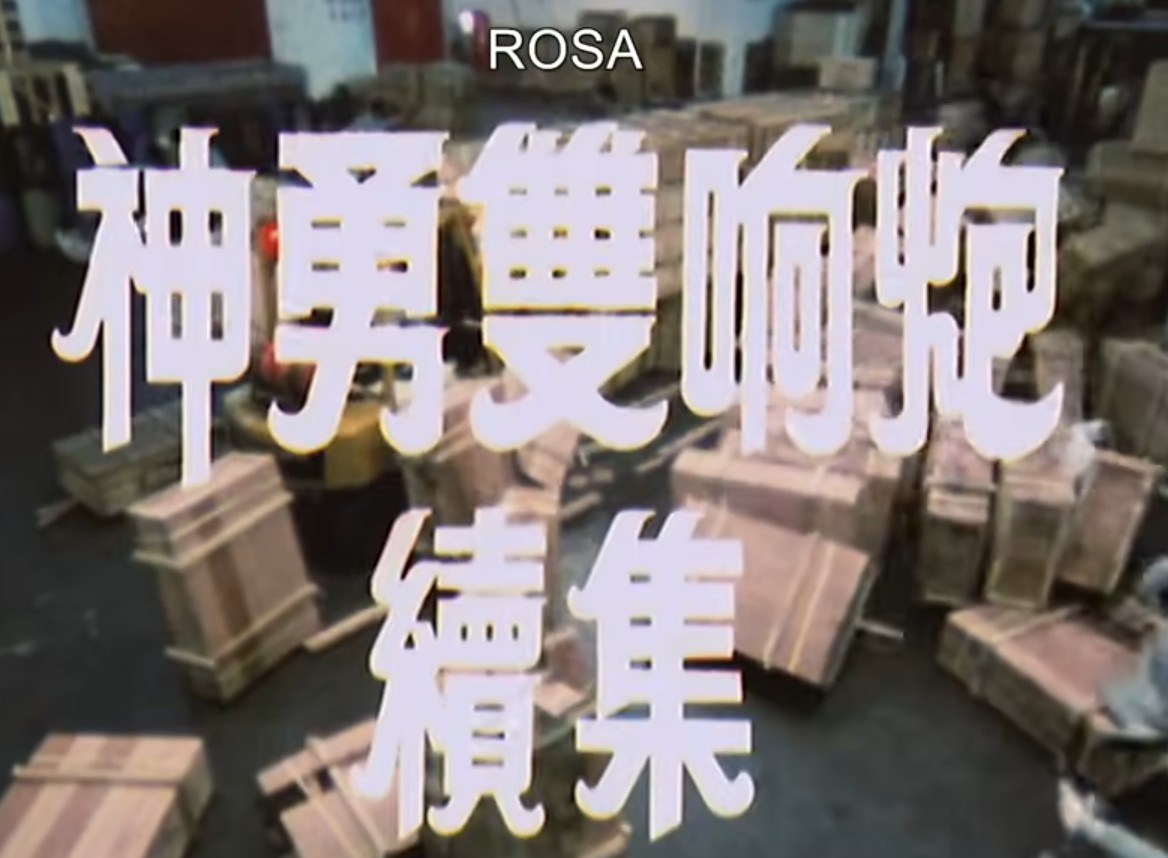
Two Cops. Two Girls. One EVIL Crime Boss! “Rosa” reviewed! (88 Films / Limited Edition Blu-ray)

Grab the Limited Edition Blu-ray of “Rosa” from 88 Films!

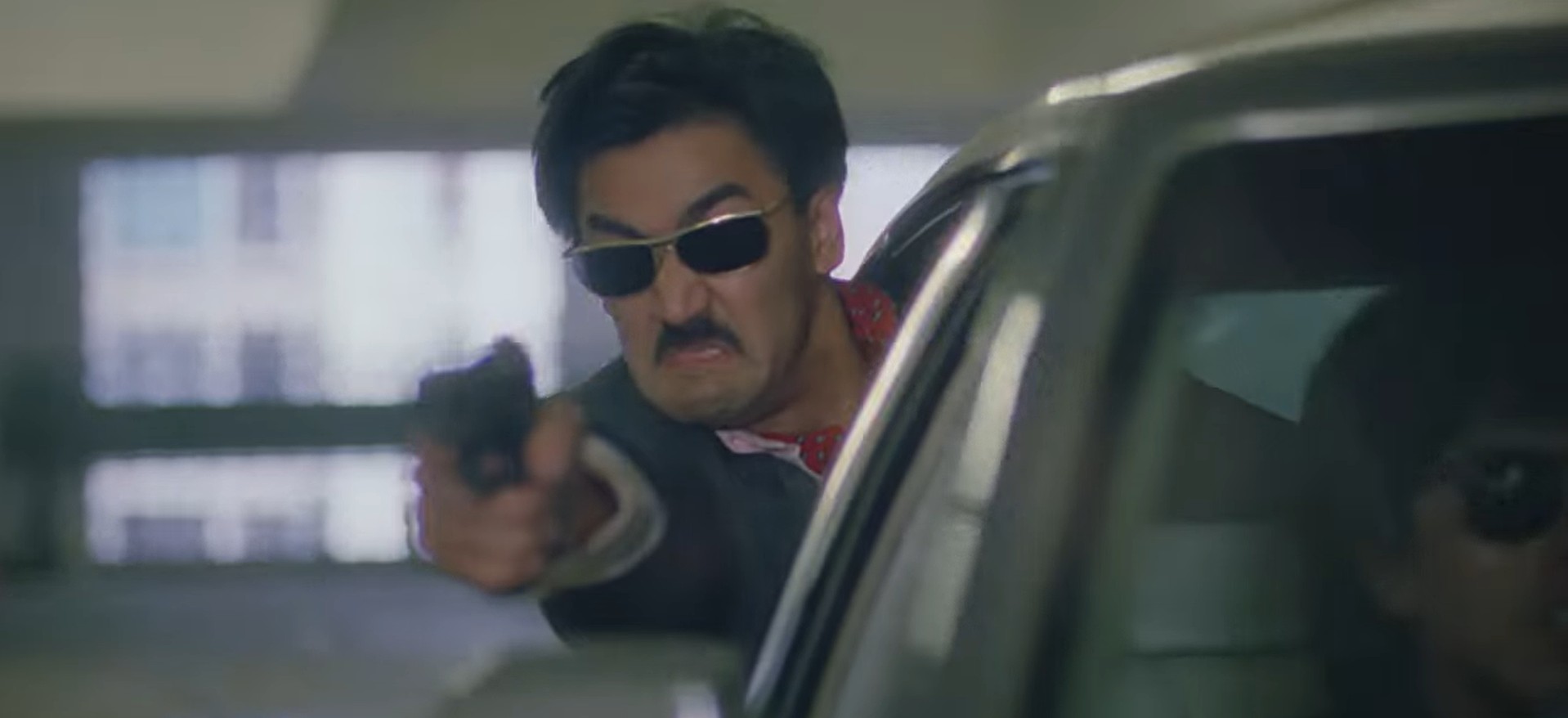
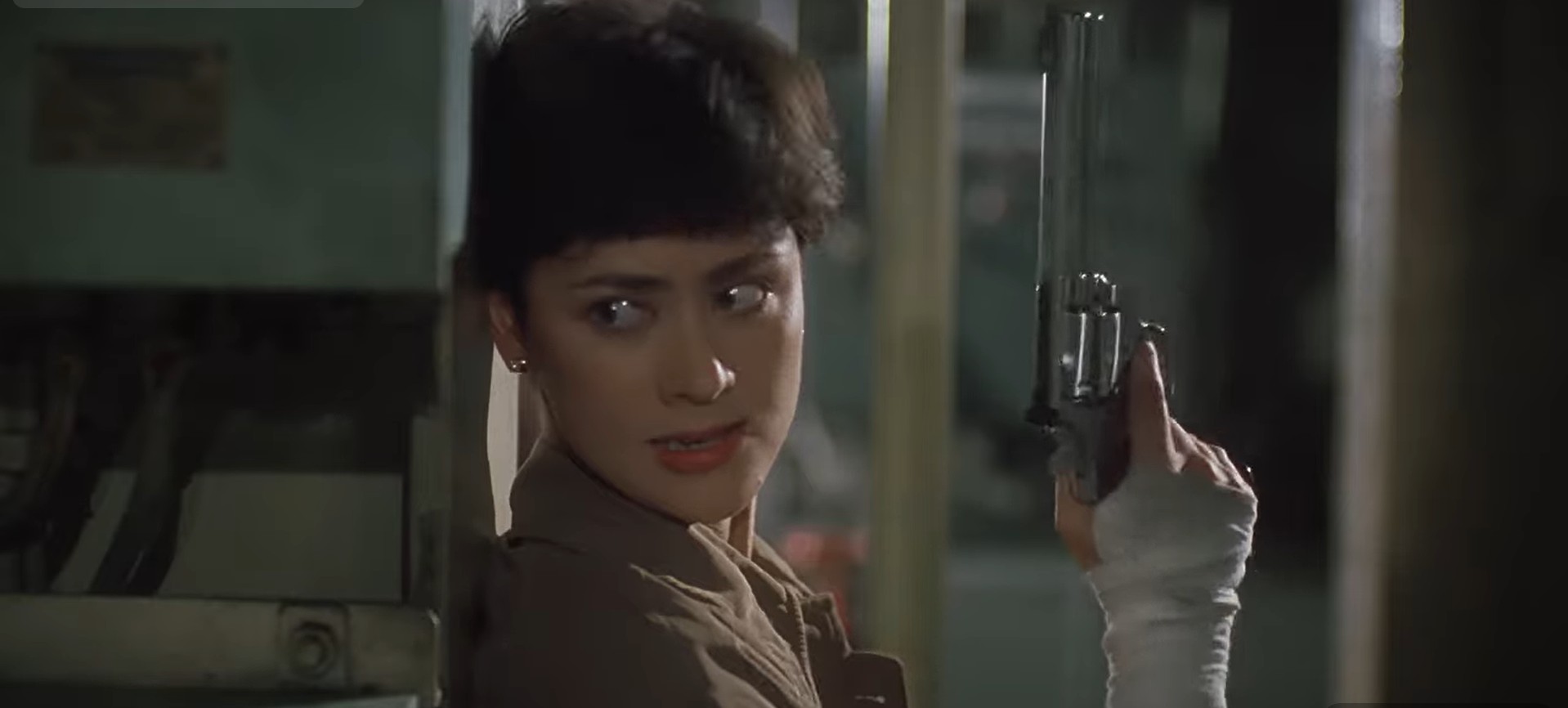
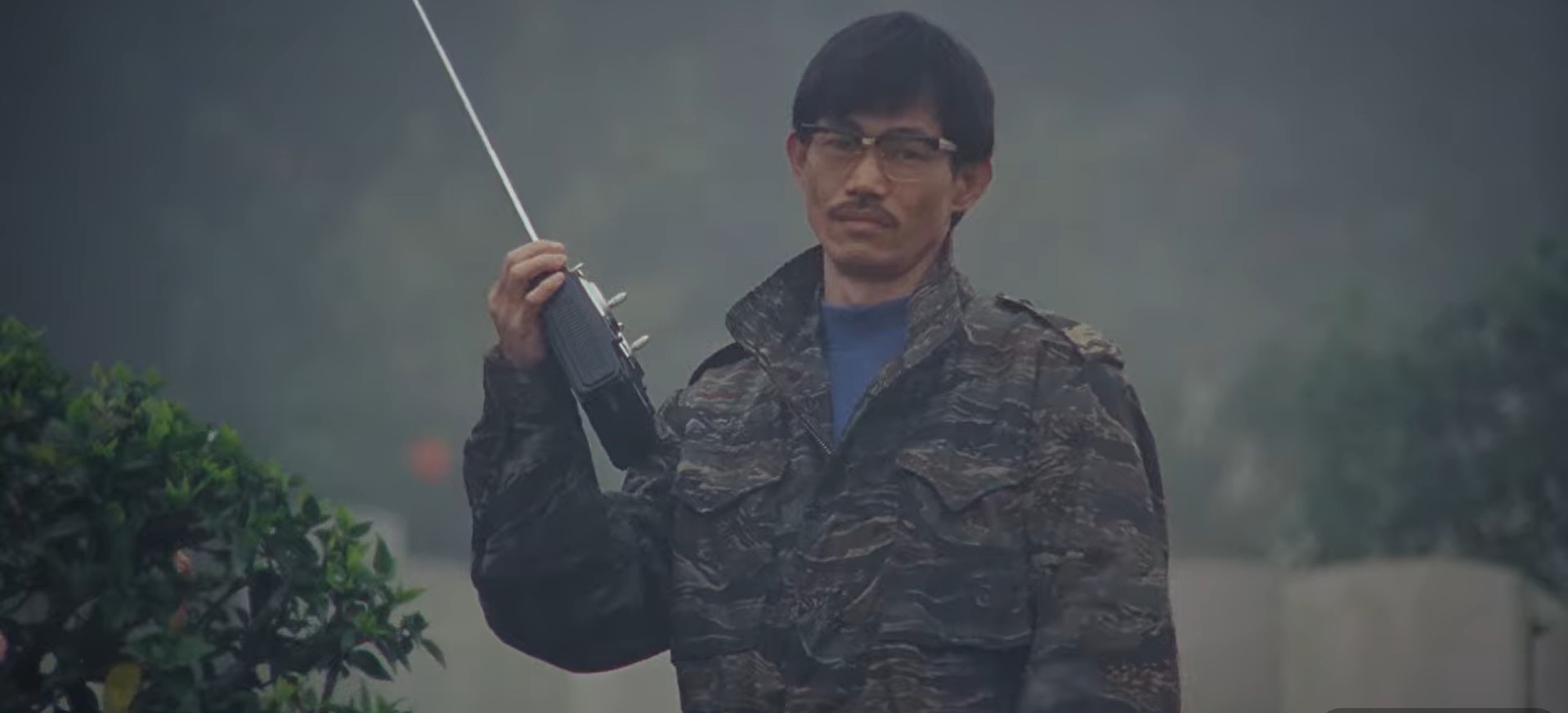
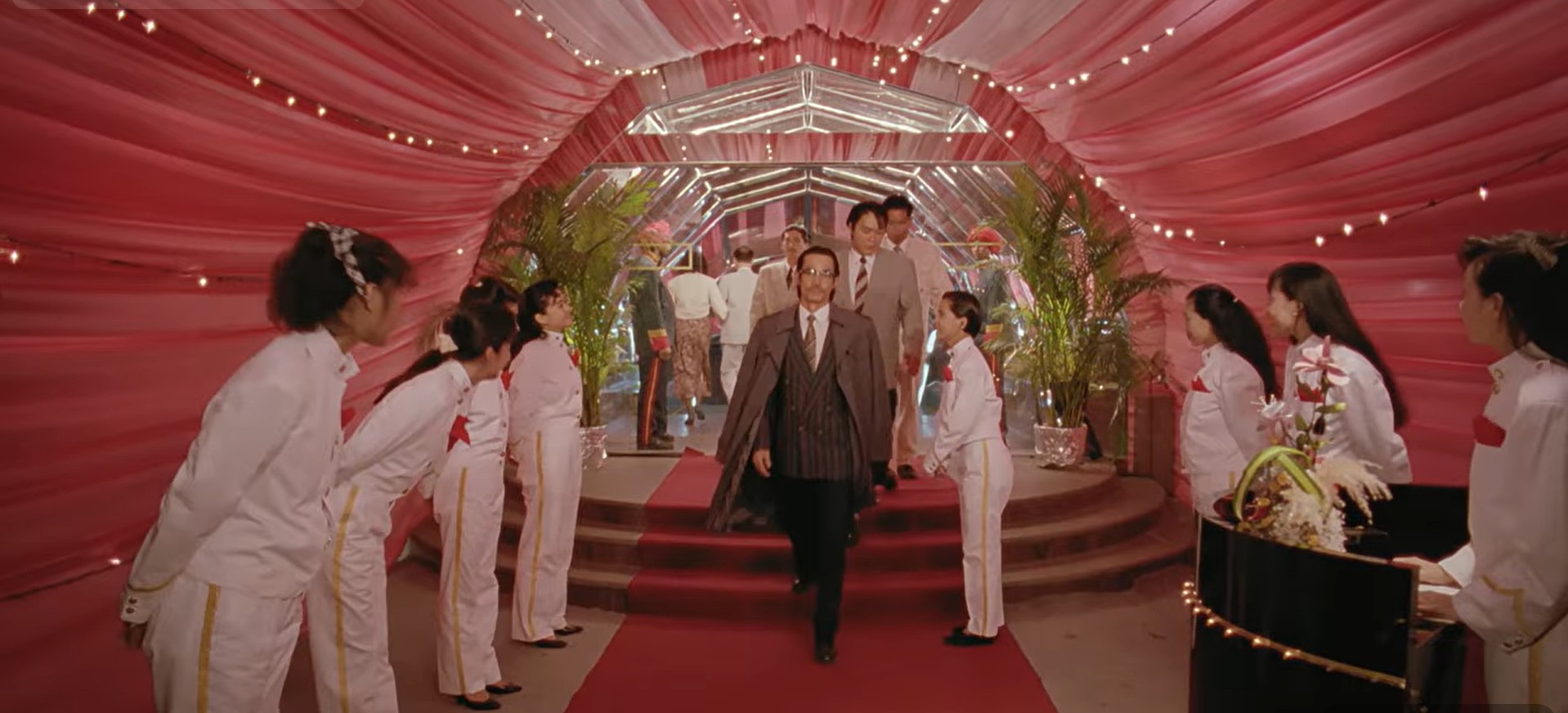
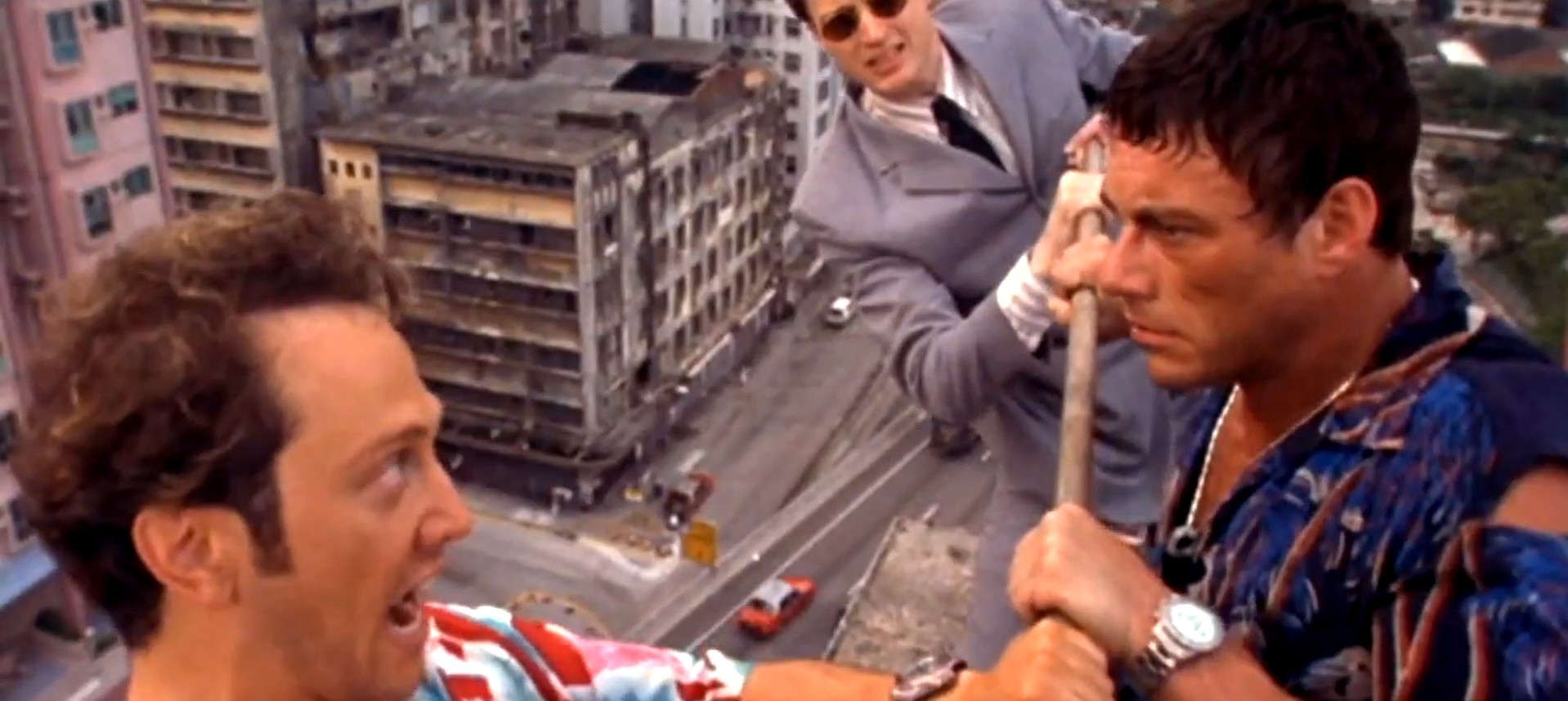
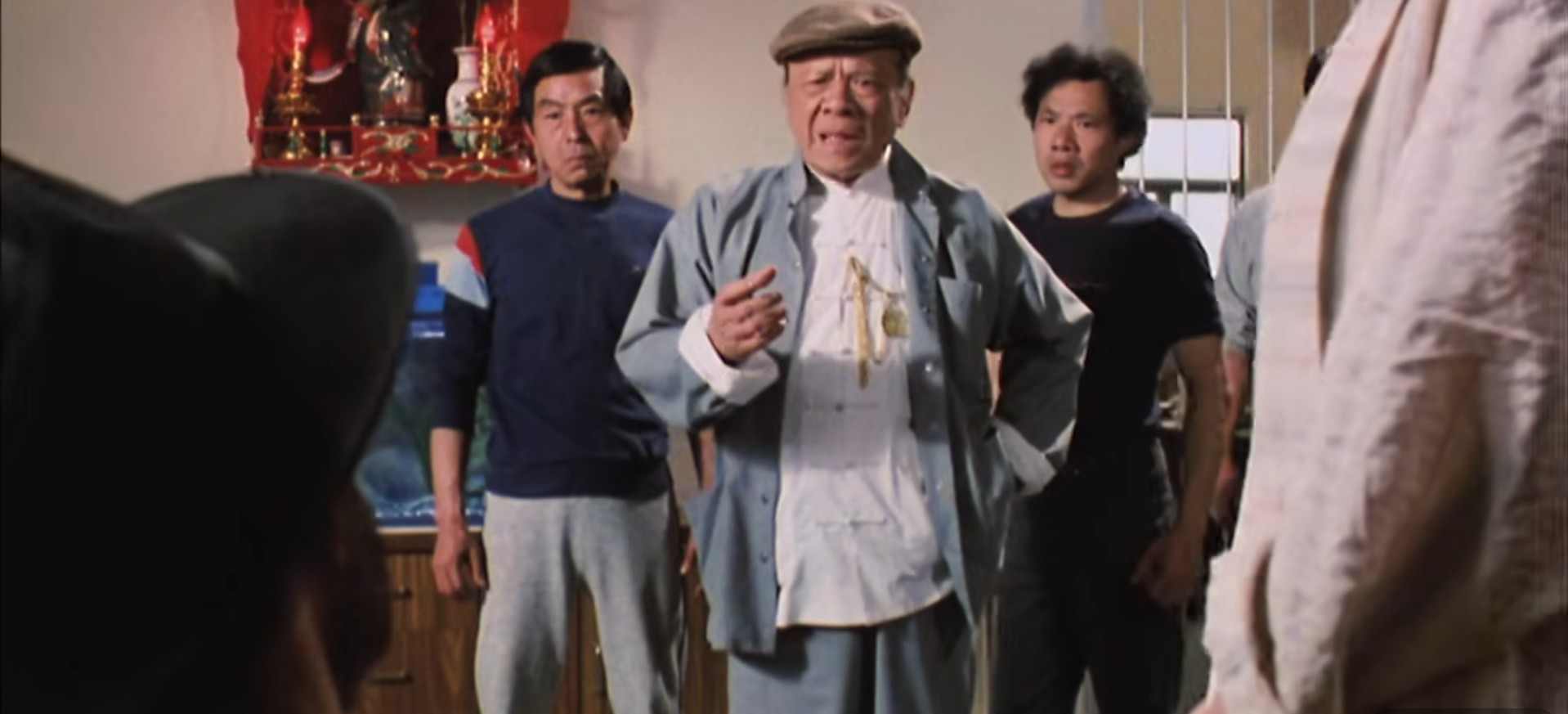
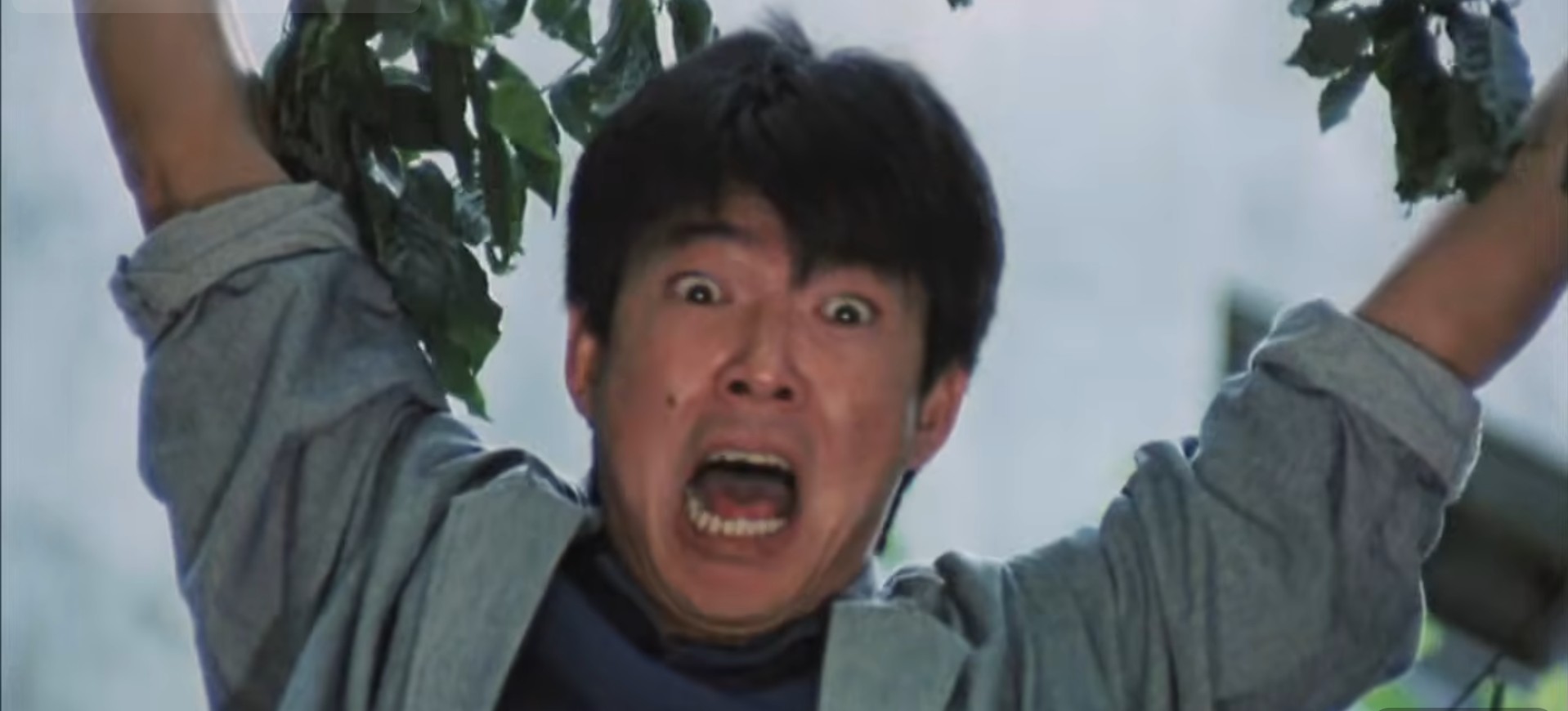
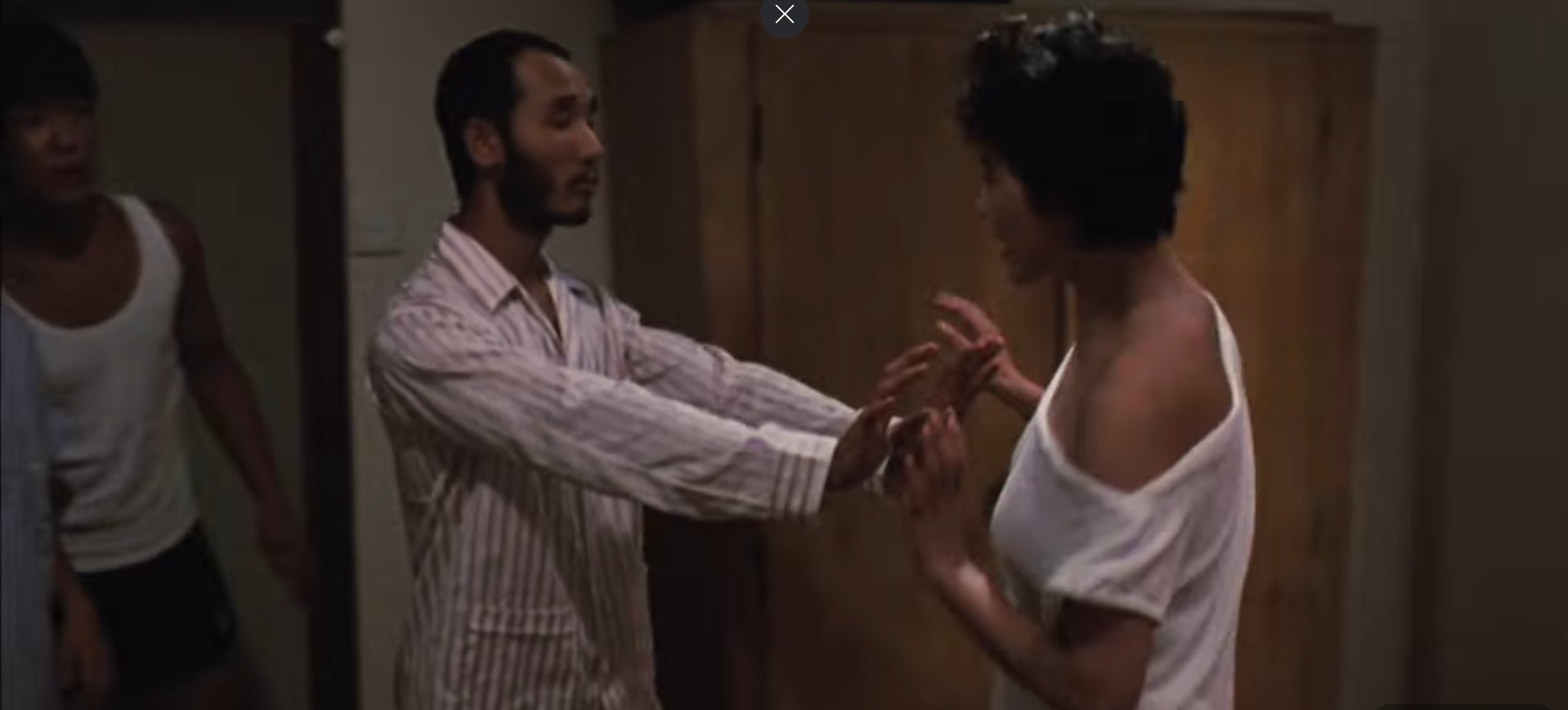
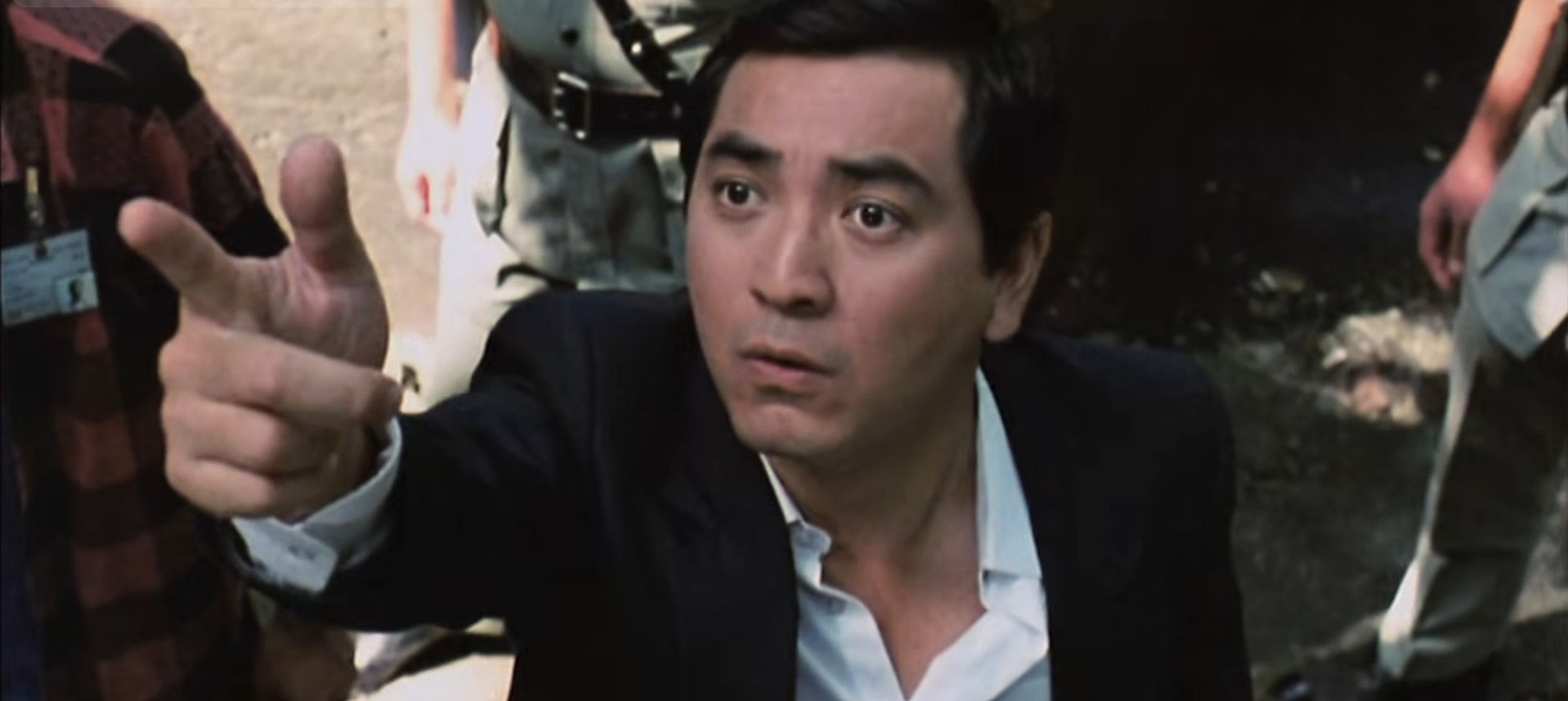
Little Monster and Lui Gung didn’t get along to begin with when Little Monster’s accident put Kung’s sister in the hospital for minor injuries but when the two rookie cops get on the bad side of their direct supervisor, Inspector Tin, they have no choice but to work together under his pleasure to see them suffer.  The two cops are assigned to the case of Li Wei-Feng, a smalltime crook who tries to black male mob boss Wong with incriminating photographs of a deal gone deadly.  They stay on top of and befriend Wei-Feng’s ex-girlfriend Rosa in hopes he’ll show up but the cops find themselves going on more double dates between Kung wooing the model Rosa and Little Monster courting Kung’s sister than actually doing any detective leg work.  Before they know it, they’re assisting Rosa out of her gambling debts with medium level bosses and on hot coals with Boss Wong’s formidable henchmen who will stop at nothing and will kill anyone in their way from obtaining the smoking gun film roll. 

“Rosa” is the 1986, Tung Cho “Joe” Cheung directed buddy cop comedy-action film from Hong Kong,  Cheung has delivered a string of action comedies prior, such as with the a torn Kung Fu novice must jealous mend the rift between his two masters before a war ensues in “The Incredible Kung-Fu Master” in 1978 and the story of a veteran police officer who must work both sides of the law to manage his wife’s gambling addiction is paired with a rookie cop to take down transgresses in “Shadow Ninja,” release in 1980.  “Rosa” is another notch of comedic effort in Cheung’s belt but on a bigger scale with well-known actors, a large cast, incredible stunts, and fast martial arts choreography in a script penned by the “Chungking Express” director Wong Kar-Wai and “Hard Boiled” and “Mr. Vampire” writer Barry Wong.  Wong and Anthony Chow (“The Cat”) produce the film under the Golden Harvest Company and Bo Ho Film Company flags.

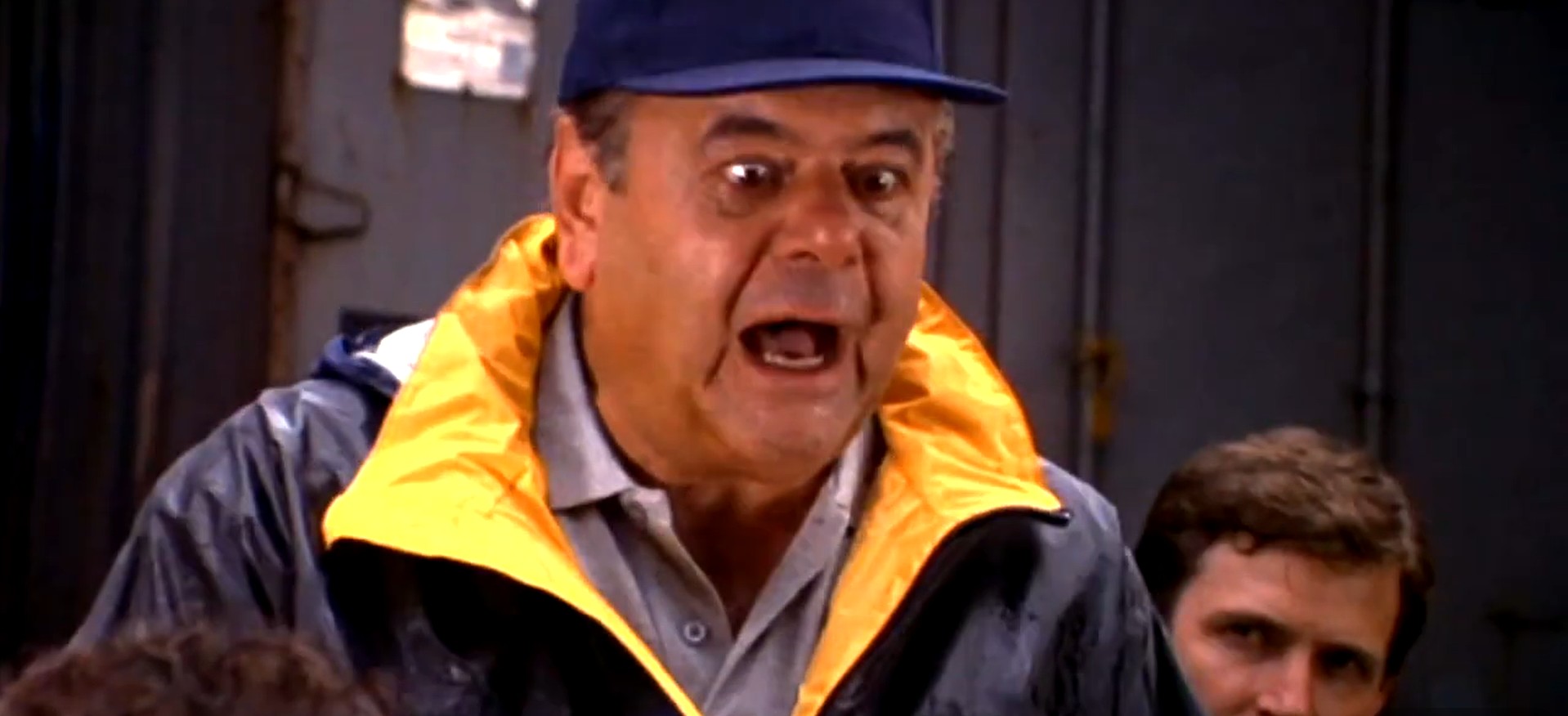
“Rosa” uses an ensemble cast more for comedic purposes rather than to instill dramatic action, beginning chief principal Biao Yuen, who we’ve recently reviewed in another new phenomenal physical 88 Films Blu-ray release in “Saga of the Phoenix” and has had roles in “Game of Death,” “Encounter of a Spooky Kind,” and “Picture of a Nymph,” as the endearingly named Little Monster, a go-lucky rookie cop with skilled martial arts moves.  Charming and confidence, Yuen plays the most sensible of protagonists without absorbing a lot of humiliation unlike his costar Lowell Lo who finds himself in a more subordinate role of Lui Gung underneath Little Monster’s suavity by having more overreactions, slapstick, and chasing with his tongue out a lost cause – that being Rosa.  “Inferno Thunderbolt’s” Hsiao-Fen Lu plays that titular role, a gambler addict and model with loan shark debt with ties to a small-time crook that incidentally involve her in a deadlier high-stakes blackmail with a power crime boss, but her importance is depreciated by Yuen and Lo’s buddying comedy and not the driving focus of the plot.  In all, the progression is a group effort rather than encamping around a centralized person.  With that being said, Kara Ying Hung Wai (“The Ghost Story”) often feels like an afterthought, a proverbial fourth wheel, as Gung’s sister Lui Lui whos’ gifted lines and a presence here and there but is mainly only Little Monster’s love interest in corporeal presence only.  Rounding out the good guys is the hapless Inspector Tin (Paul Chun, “To Hell With the Devil”), an arrogant supervisor who doesn’t want to get his hands dirty with police work and recruits Little Monster and Kung as punching bags for wrong him in their individualized opening, mishap run-ins with the inspector, another comedy outlet absorbing Rosa’s unintended entrenched Mob connection.  The Mob and other baddies fill out the cast with Billy Sau Yat Ching, James Tien, Charlie Cho, Fat Chung, Chen Chuan, and Dick Wei. 

As far as “Rosa’s” action is concerned, it is topnotch quality between the wide-variety of stunts, the pinpoint choreography, and the excellently executed martial art fights that disproportionately leaves the narrative as a quintessential chop-socky police story.  I say disproportionately because the action is overly consumed by the comedy that, in itself, has struggles.  The humor physicality lands with precision with big hits taken in accidental error or are made within the context of choreographed fight scenes mostly stemmed by Lowell Lo and Paul Chun as they bumble their way through situations, but the dialogued jokes and other vocal gags are terribly corny that unfortunately dilute the overall mirth-murky pool that it becomes too often cringeworthy to swim in.  The light-hearted and sexualized humor is blended with an endless wooing and an outdo rivalry between the forced partnership that evolves into a fond friendship between Little Monster and Lui Gung, who is often referred to as Big Brother.  Lowell Lo embodies a larger slapstick piece of the pie with his distinguishable friendly face and doughy-eyed demeanor, contrasted against the athletic slender of Biao Yuen who outshines him on the conventional society determined good looks scale with an unassuming martial arts skillset to match.  All the serious and grim nature comes out of the Hong Kong’s criminal element with deadly assassins that use piano wire and large caliber handgun to lacerate jugulars and explode cars full of betrayed crooks.  The third act finale finally puts the pieces together and creates a harmonious brawl that blends action and comedy evenly, even integrating Lui Lui into the fold with an out of the blue ability to hold her own and fight just as fast and furious as Little Monster.  

Another Golden Harvest distributed production garners attention once again on 88 Films, in association with Fortune Star Films, with a definitive Blu-ray set from the UK boutique label making their presence known here in the North American market.  The AVC encoded, 1080p high-definition transfer, onto a BD50 has remarkable presentational quality with a pristine print transferred onto a 2K scan from its original 35mm negative.  The immersive quality shows no sign of destabilizing the matrix, leaving audiences with the immense scope of a cleaner, natural image full of depth and range of saturated and diffused color.  Skin tones appear organic and nitty-gritty with the stubble, sweat, beauty marks, and the subtle contrasts of tones.   88 Films’ flexes their restoration efforts that extends the color palate to suitable measure and each scene, through its superb editing by chop-socky veteran Peter Cheung, segues into the next without missing a color resolution beat.  The film is also presented in original 1.85:1 widescreen aspect ratio.  There are two ADR mono tracks, Cantonese and English.  Cantonese is preferred with the better mouth-to-sound synchronization, but both deliver a really good decoded mono mix despite the singular direction of all the audio but with post-production sound, that can be manipulated to exact timing with the exact sound to create a better disbursed audio design.  There some crackling and hissing in the dialogue but very low-level interference that doesn’t hinder the prominence and really affect the clarity.  The newly translated UK English subtitles are available from Ken Zhang and synch fine with a steady pace and come without typos.  Encoded special features have a new audio commentary by Hong Kong Cinema experts Frank Djeng and F.J. DeSanto, a second new commentary from another Hong Kong Cinema expert David west, an interview with director Tung Cho “Joe” Cheung and assistant director Benz Kong, alternate English opening and closing credit titles, an image gallery, and the original trailer.  The limited-edition set comes with a rigid slipbox sheathed by an O-Ring slipcover with new artwork by Sean Longmore that plays into Rosa’s bosomy running ga. Inside the slipbox is a 40-page color booklet with stills and a pair of essays from Fraser Elliott and Paul Bramhell, a collectible postcard, and the clear Amaray case with the same primary Langmore art on the sleeve that can be reversed for the original Hong Kong poster art.  The booklet and slipbox have more original art as well that speaks the action and slapstick.  The not rated, region A and B encoded release has a runtime of 97 minutes.

Last Rites: Fun, exciting, and moderately droll, “Rosa” might hit-and-miss on the comedy, but what definitely hits is the martial arts action defined in a harmony of perfect scrappy chorography.

Grab the Limited Edition Blu-ray of “Rosa” from 88 Films!

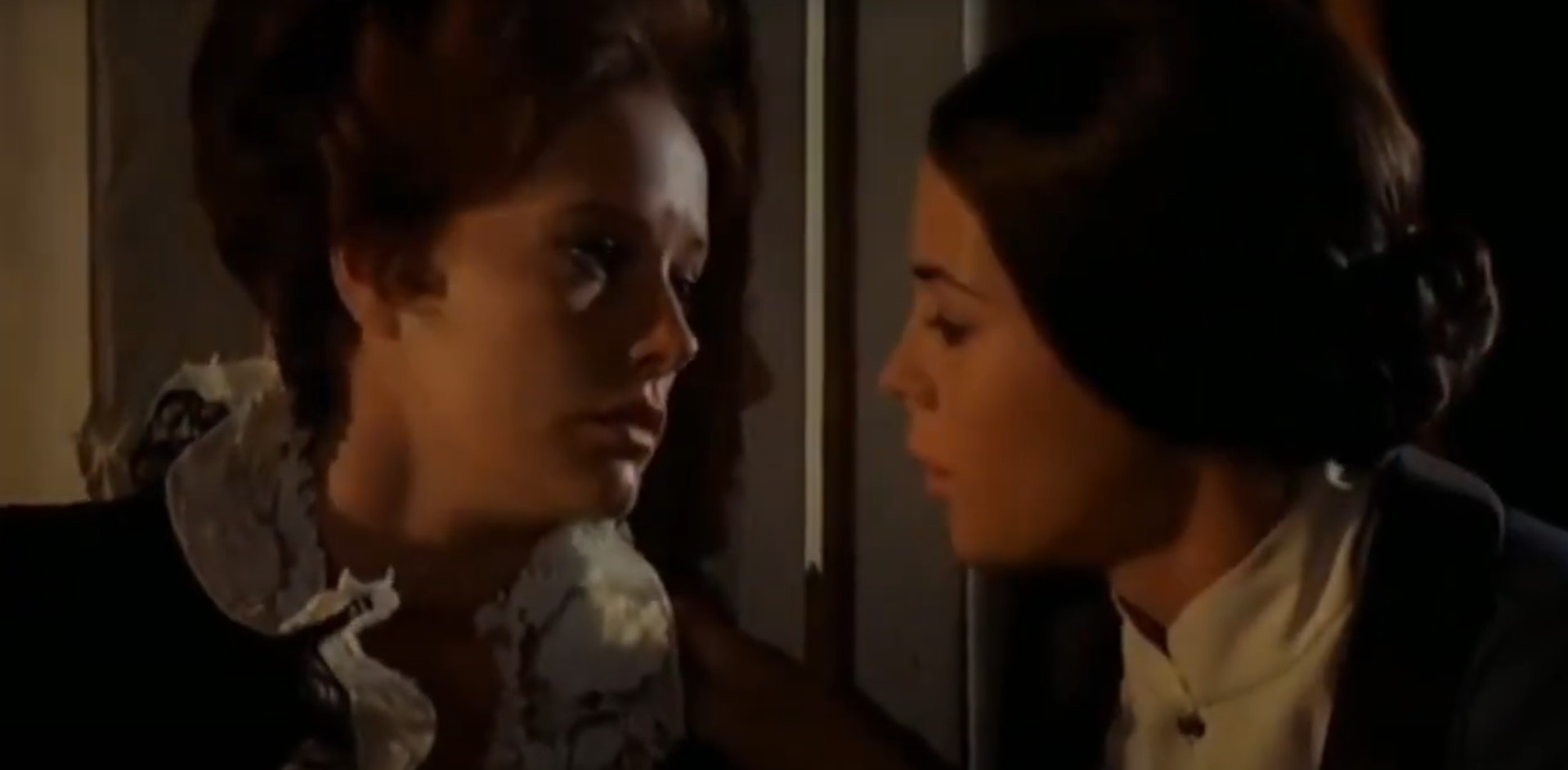
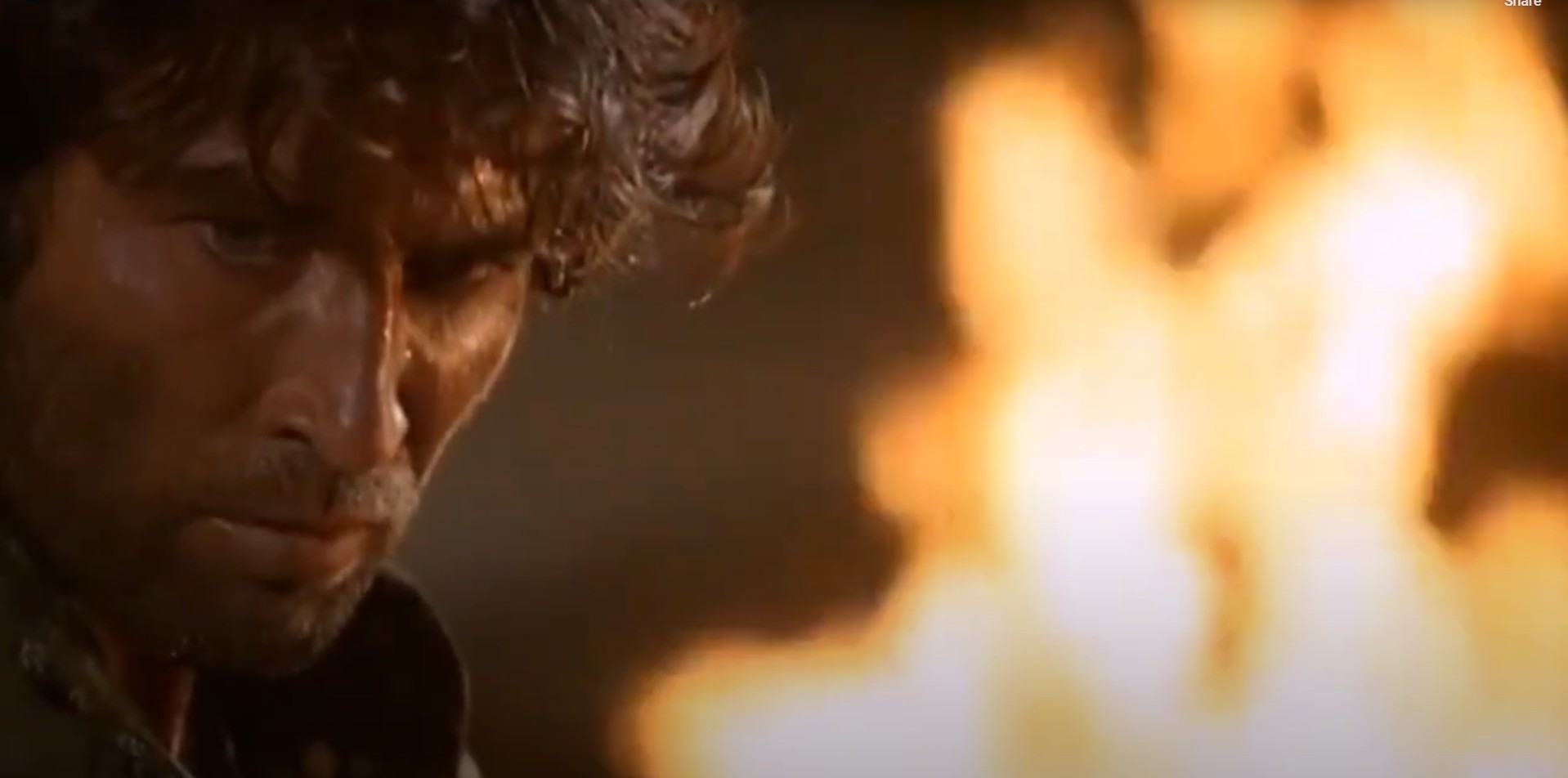
The Demon Concubine Is After the EVIL Power of Demon Summoning Upon Earth! “Saga of the Phoenix” reviewed! (88 Films / Limited Edition Blu-ray)

Own “Saga of the Phoenix” on Blu-ray from 88 Films!

For 660 years, Ashura, the Holy Virgin of Hell, has used her powers to resurrect demons from the underworld.  With the help of virtuous fighters Lucky Fruit and Peacock from the spirit realm, has renounced her temperamental intentions to use her powers for evil ever again and live beside the mortals under the warmth of sunshine.  When she accidently summons demons on Earth, Ashura is brought before Master Jiku and the Divine Nun to access the damage and reign judgement.  They sentence her to live in cell of the relaxed Buddha for all of eternity, but she persuades them one chance to live amongst the humans for seven days, just enough time to live under and enjoy the only thing she wants, the sun.  The Demon Concubine has a different plan for Ashura.  Seeking her demon resurrection powers, the Demon Concubine aims kill her but with the help of Lucky Fruit, Peacock, and her new human friends, Ashura will battle against the Demon Concubine and her demonic forces. 

“Saga of the Phoenix” is the Golden Harvest produced, 1989 released sequel following quickly behind the 1988 released “Peacock King.”  Based off the Japanese manga “Peacock King” written by Makoto Ogino from 1985 to 1989, the action-fantasy film was codirected by returning “Peacock King” director Ngai Choi Lam (“Riki-Oh: The Story of Ricky,” “The Cat”), aka Lam Nai-Choi, and newcomer to the series Sze-Yu Lau (“Forced Nightmare,” “My Neighbors are Phantoms!”) with “Game of Death” actor Biao Yuen stepping away from writing the follow-up and be more involved on the acting by returning to one of the main roles from “Peacock King.”  The script is from a confluence of Japanese and Hong Kong screenwriters, initially scripted by Japanese manga adaptation to television screen writer Hirohisa Soda and then adapted by Tsui-Wah Wong, You-Ming Leung (“Once Upon a Time in China”), and Sau-Ling Chan, none of whom were involved in “Peacock King.”  Hong Kong’s cult and genre film product Lam Chua (“Erotic Ghost Story, “A Chinese Torture Chamber Story”) serves as producer on the Golden Harvest and Paragon Films Hong Kong-Japanese coproduction. 

Gloria Yip returns as the Holy Virgin of Hell, Ashura.  Having never seen “Peacock King,” I’m not sure what type of temperament Ashura donned in a role where the character seems like one of the main antagonists according to the synopsis, but for “Saga of the Phoenix,” Ashura is joyful, childlike mischievous, and humble and is the center focus between the forces of good versus evil.  Als returning is Biao Yuen, but not in his screenwriter role.  Yuen, known for starring alongside female martial artist and star Cynthia Rothrock in “Righting Wrongs,” reprising Peacock, a fierce spirit realm guardian who befriends Ashura along with fellow guardian Lucky Fruit, played by Hiroshi Abe (“Godzilla 2000”) who replaced Hiroshi Mikami from the first film.  Much of Yuen is taken out of the story while being in frozen captivity by the Demon Concubine, leaving Abe and Yip to better struggle one-on-one connecting in the human world, facing human problem, and accessing the threat from the Demon World.  Yip’s candid antics exact the innocence of a young child like making snarky faces when corrected or obsessing over trivial things like sunshine, and especially when Ashura befriends a small, gremlin-like troll or creature named Tricky Ghost and holding it like a favorite stuffed toy, and this leaves Abe to be the role model, or the parental guardian if you will, stoic in stance and a reasonable thinker for his character.  It all comes off as silly until Ngai Suet and the Demon Concubine enters the frame.  The “The Ghost Ballroom” actress Suet takes on the evilly empowered role armed with seven demon subjects to do her bidding, such as trying to kidnap Ashura, and Suet runs with the role caked in a pale makeup, high pointy eyebrows that open up her eyes, and shoulder-padded dark dress.  Embroiled in the spirit world clash are two mortal siblings in Chin (Loletta Lee, “Mr. Vampire Saga IV”), who saves unintentionally saves Tricky Ghost, and her mad scientist brother Tan (Shek-Yin Lau, “Resort Massacre”) who finds himself in bitter rivalry with Tricky Ghost’s mischief ways spurring some comic relief into the fantastical brew and they represent the workable relationship between man and godlike individuals.  “Zatoichi” series actor Shintarô Katsu is in the role of Master Jiku, “Carmen 1945’s” Yûko Natori is the Divine Nun, and Noriko Arai (“Death Note”), Megumi Sakita (“Bodyguard Kiba”), and Yukari Tachibana (“The Scissors Massacre”) as the three nun warriors to round out the Hong Kong-Japanese cast.

If you’re familiar with director Lam Nai-Choi, then it comes no surprise to you the kind of practical effects juggernaut “Saga of the Phoenix” can become and, in the end, doesn’t disappointment.  Choi often overscales the effort of tangibility, bringing unbelievable imagination and larger than life objects to manifestation without much, if any, assistance from computer generated imagery, and in the late 1980s, that technology wasn’t exactly perfected to what modern cinema sees today with skilled visual artistry and the introduction of artificial intelligence that’s on the verge of possibly shoving itself into the actor pool once the kinks are worked out.  In “Saga of the Phoenix,” the palpable physical presence involved is mostly at the finale third act where good versus evil face off between Ashura, Peacock, and Lucky Fruit and the ravenously aggressive Demon Concubine, the latter transforming like a Power Ranger Megazord into a gray-skeletal winged creature large enough to tower over the heroes and wide enough to swallow them nearly by three times.   Of course, this is not to say there hasn’t been other practical effects along the way which include demons inhabiting dragon statues, high wire acts of characters soaring during fight sequences, and the little mischievous imp, Tricky Monkey, from being a manipulated puppetry that weirdly reminisces Jim Henson’s “Labyrinth.”  The painted optical tricks to render color bolts of energy weaponry are a nice classic touch toward a pop of color as well as creating the inherent superhuman element of the principal players.  For someone going into “Sage of the Phoenix” headfirst without having seen or any knowledge of “Peacock King,” room for the film to standalone is rather thin but not egregiously reliant on the first film.  There’s a bit of recapping at the begging with narrative voiceover and get some clue-ins about the past from the dialogue but there’s still quite a bit unexplained, such as Ashura’s behavior fabled to be a powerful demonic necromancer who has somewhere along the way had a change of heart and we’re not privy to why.  That sense of uncertainly never really goes away through the comedy, action, and laser-firing, high-flying martial arts sinew, that something is innately missing from the story that’s saturated with wuxia themes. 

If looking to increase your bicep’s muscle mass, 88 Film’s limited-edition Blu-ray is weighty with content and it’s only one disc!  The AVC encoded, 1080p high-definition resolution, BD50 is encoded with a cherished updated 2K restored transfer from the original 35mm negative that looks unquestionably majestic on screen.  Vibrant and diffused evenly colors, high decode rate, and flawless textures, there’s nothing to dislike about this release, visually technical.  Deep in the color range and Chi-Kan Kwan’s sundry cinematography that offers vast length shots and a warm neon haze of blue and magenta through tint or gels, with a matted golden peacock rising against the monstrosities of the demon world, “Saga of the Phoenix” resurrects an aesthetic only Lam Nai-Choi could manifest from pure imagination.  The original negative is virtually pristine with no signs of damage or wear to note, nor any compression issues to note.  The uncompressed PCM Cantonese 2.0 mono offers a forward heavy diegetic sound that separate each layer favorably diversified. Clean and clear ADR make for easy discernability, capturing every bit of dialogue despite the post-production mis-synchronous acceptance. Laser action, creature roars, and other detailed measured sounds really give “Sage of the Phoenix” body, depth, and range that makes it an overall A/V highlight amongst its wuxia genre counterparts that tend to omit the smaller particulars of a scene. English subtitles pace just fine and are errorfree in a UK text. Most of the heavy lifting is done by the physical presence of the 88 Films Blu-ray that’s housed in a rigid slipbox and sheathed in a cardboard O-Slip, both containing new arranged illustrated artwork by R.P. “Kung Fu Bob” O’Brien that’s takes the true elements from the film and places them on the cover in a sure-fire canvas of what to expect. The clear Amaray cases also has O’Brien artwork as the primary cover art with the reverse side featuring the original Hong Kong poster art. Along with the O-slipcover, other limited-edition contents include a two-sided collectible art card and a 40-page illustrated book with color pictures and essays from Andrew Heskins (From Panel to Screen) and David West (The Japanese Connection), along with featured Japanese cover art Kujakuoh-Legend of Ashure. If the physical properties were not enough, the encoded content, available on the LE and Standard Edition, will bring this set home as it details with an audio commentary by Hong Kong Cinema Experts Frank Djeng and F.J. DeSanto, alternate footage from the Japanese cut of the film, executive producer Albert Lee discusses the international distribution plan from Golden Harvest Sage of Golden Harvest – The International Connection, an image gallery, and the original trailer. The 88 Films release is unrated, has region A and B playback, and has a runtime of 94 minutes.

Last Rites: Wuxia movies like “Saga of the Phoenix” are no surprise to where John Carpenter found influence for “Big Trouble in Little China” and it’s the director Lam Nai-Choi who didn’t shy away from the difficulties and inauthentic problems of physical effects but the film has its own innate issues with story that downgrade from a saga to just being an epic picture with winged creatures, bright energy blasts, and a lovely Gloria Yip succumbing to age, and status, regression with her Holy Virgin From Hell role.

Own “Saga of the Phoenix” on Blu-ray from 88 Films!

Creating the Perfect EVIL Race Takes Needless Amounts of Surgery and a Good Pair of Balls! “S.S. Experiment Love Camp” reviewed! (88 Films / 4K UHD and Standard Blu-ray)

“S.S. Experiment Love Camp” 4K and Blu-ray is Ripe for the Taking!

Nazi officer Colonel von Kleiben heads a concentration camp where he experiments of young Jewish and Russian female prisoners.  His experiments bore through the encampment lot with unconventional reproductive system surgery for the good of and in the name of purifying the Aryan race, experimentations that also including nonconsensual sexual activities between the women captives and the top physical specimens of the Nazi ranks.  Kleiben’s masked, real intentions are to practice for his own sake in a testicle transplant after a Russian woman castrates him during his attempted raping of her during conflict.  Woman after woman is sacrificed for the surgeon’s rigorous rehearsal by having their uteruses removed and replaced by another and when they expire on the table, their corpses are discarded into the camp’s incinerating ovens.  One Nazi solider is earmarked to be Kleiben’s hope to be whole again and uses the soldier’s affections toward a female prisoner to gain power and control in coercing him blindly into the experiment. 

If pleasure seeking banned films from certain sovereign states, then perhaps “S.S. Experiment Love Camp” should be on your short list.  The 1976 Nazisploitation film from Italy depicts a semblance of torture simulations used from Hitler’s Reich and lays the groundwork for total absurdity with a plot coursed with nonsense motivation at the disadvantage of a minority group under the threat of torture and death.  Also known as “Captive Women II:  Orgies of the Damned,” as more of a sequel in the collective Naziploitation subgenre popular in the 70’s, or most widely known as simply “S.S. Experiment,” the film is from the “Django the Bastard” and “Kill Django… Kill First” director Sergio Garrone, who co-wrote the script alongside “The Weapon, the Hour, & the Motive” co-screenwriter Vinicio Marinuci.  The Società Europea Films Internazionali Cinematografica produced the video nasty venture and expressed no regret the depictions of Nazi terror with the continuation of the subgenre by producing “S.S. Camp 5:  Women’s Hell” as well as other rape-inclined exploitation, such as “Mandinga” between master and plantation slaves and the caged women narrative of “Barbed Wire Dolls.”  

Sifting through the atrocious Nazi experiments, the unabashed sum of nudity, and the ridiculously selfish plot of one Colonel’s lengths to restore his manhood, “S.S. Experiment Love Camp” has a handful of mainstay principals key to the premise’s perpetuation encircled around Colonel Kleiben’s clandestine reasons to willingly and uncompassionately order a new type of surgical procedure on innocent civilian women prisoners.  Played by the square jawed, blonde haired Italian Giorgio Cerioni, who after “S.S. Experiment Love Camp” went on a string of playing a woman abusing Nazi in nazisploitation films between ’76 and ’77 with “Deported Women of the SS Special Section,” “SS Camp:  Women’s Hell,”  “The Red Nights of the Gestapo,” Kleiben’s a stoic, behind-the-scenes force and Cerioni dons the decadence evil well behind German medals and sense of false soldier duty as he works both the known to Kleinben Jewish world class surgeon Dr. Steiner (Attilio Dottesio, “The Sinful Nuns of Saint Valentine”) pretending to be German and Kleiben’s targeted German solider Helmet (Mircha Carven, “Death Will Have Your Eyes”) sought for his textbook testicles.  Dottesio’s Dr. Steiner is a conflicted man brought to do surgery on his fellow Jews that will result in their certain death and while he knows this, and it weighs on his conscious, the stuck doctor keeps himself from being exposed from other than the Colonel who knows and exploits his little secret for advantage; Dottesio wears a burden upon the surgeon’s face but doesn’t do enough to provide the body language of resistance in being doctor death against his will.  Yet, Carven wholly depicts an outlier amongst the typical German national who rather read books than shoot the sexual gab of his countrymen, which is in itself a nice slice of visual irony with the Nazi being known for burning literature.  Carven keeps Helmut relatively quiet, reserved, and a watcher from afar, noticing blonde prisoner Mirelle as the two fall for each other at the moment of locking eyes.  Carven and Paolo Corazzi (“SS Camp:  Women’s Hell”) sizzle with chemistry that’s left pieced too far apart and with not enough relationship context toward their insta-love connection.  There are other peripheral dialogue characters that keep the story spicy in their debauchery with Serafino Profumo (“Escape from Hell”) who had that perfect thin mustache and bald and stout look that makes him a formidable slimeball as the Nazi Seargent, Patrizia Melega (“SS Camp:  Women’s Hell”) as Dr. Steiner’s sadistic lesbian colleague Dr. Renke, and a handful of German soldiers to be the plug to the female prisoner outlet, such as with Matilda Dall’Agilio, Agnes Kalpagos, and Almina De Sanzio.  One of the more details to gripe about the cast is that they’re all Italian bronze that dilutes the allusion of the nationalities their portraying. 

“S.S. Experiment Love Camp” comes with a smidgen of notoriety having been banned in select western European countries over its depiction of violence, especially at the hands of Nazis, and its controversial poster of a naked woman crucified upside.  To this day,  Garrone’s film is still shocking and abhorrent with the aforesaid but also the emotion confliction etched into characters like Dr. Steiner or Helmut who must make a choice, weighing the balance of self-preservation over the salvation and safety of others, and that’s what really drives this nazisploitation to have tremendous impact in an absurdist plot of colonel cajones.  Garrone favors a more realistic approach to the tortures and horrors of a Nazi concentration camp by including close reenactments to their torture methods and Garrone also lingers ever so uncomfortably on the complete discard of corpses into the oven without any dialogue, expression on any faces, and even adds a surrealist glance into the oven of the bodies moving, in an artful dance way, when the flames are ignited.  There’s also the given, often gratuitous nudity that accompanies most nazisploitation films and while nudity usually arouses, stimulation stalls under the barbarism that’s present in the air, the context of which the sex acts are being conducted for, and the outcome of ghastly blood and sinew that follows to the end of the mortal coil.  There’s sensuality between lovers and transactions between prostitution and paying customers but even those innocuous instances rapid degrade into unnerving anticipation. 

88 Films’ new 2-disc, dual format 4K UHD Blu-ray and Standard Blu-ray set is a marvel of physical media engineering.  The 4K UHD is HVEC encoded and presented in Dolby Vision HDR10, 2160p ultra high-definition, and stored on a BD100 while the Standard Blu-ray is AVC encoded with a 1080p resolution on a BD50, both brand new 4K remastered transfers stem from the original negatives and displayed in a widescreen 1.85:1 aspect ratio.  Between the two formats, there’s identical visuals to the naked eye but the 4K UHD does provide a slightly sharper image that has more an immersive pop when comparing the two formats side-by-side.  Colors are rich with a complete hue saturation that isn’t present in previous, more muted DVD or other Blu-ray editions.  Darker scenes have an intention rough quality about them as well as the concrete and unpigmented concentration camp as intended by director Sergio Carrone to put forth as much realism as possible.  No identifiable issues with compression as the picture quality looks clean through-and-through with blacks retaining an inky bide, grading remains consistent and stable, and the minutiae of fabric and skin color doesn’t contest with any ambiguity as Nazi uniforms distill a gray cotton-wool blend, you can also touch the little fuzzies on their garb, and the stubble and sweat greatly show the length of detail on strained and tense faces during torture or combat scenes.  The formats both have the same audio mixes:  an ADR English 2.0 LPCM and an ADR Italian 2.0 LPCM.  The uncompressed audio brings an unfiltered and considerate quality to the front channels with clean and clear dialogue under a diminutive amount of interference and an ambience track that puts its best foot forward, or rather the front, with distinct, sundry range of electronic voltage, machine gun fire, and the surgical slippery stickiness of organs being handled.  The new translated English subtitles are paced well and have no grammatical or misspelling issues.  Special features include a feature tandem audio commentary with Italian film experts Eugenio Ercolani and Nanni Cobretti.  Plus, Italian audio only interviews subtitled in English, including an interview with the late director Sergio Garrone Sadistically Yours, Sergio G., an interview with music historian Pierpaolo de Sanctis SSadist Sound, an interview with editor Eugenio Alabiso The Alibiso Dynasty (a back cover misspelling error perhaps?), an interview with cinematographer Maurizio Centini Framing Exploitation.  The special features conclude with the Italian title credits for the opening and closing of the film and the original Italian trailer.  88 Films and Joel Robison bring a newly illustrated, censored and uncensored cover art with the censored version on the rigid dual-sided slipcover that’s crazily detailed in all its tempestuous glory with the backside depicting the original poster art of a reverse crucified naked woman, both images are impressed with a pop-pulp coloring and chrome effect. The uncensored version lies within the plastic slip of the black 4K Amaray with a reverse side depicting also the original cover in its more traditional coloring of the horrendous and country-banning portrayal.  Inserted on the left interior is an uncensored illustrative cover, of the original poster art, atop of a 11-page English essay from Tim Murray entitled “Nazisploitation, Punks, and The Nasties…”  The Not rated, 95-minute film is region free for global player use. 

Last Rites: If nazisploitation or Eurosleaze just isn’t what tickles your movie mania, any cinephile can appreciate the pristine transfer, the raw and uncompressed audio, and its physical accoutrements that rise “S.S. Experiment Love Camp” into a must-have release.

“S.S. Experiment Love Camp” 4K and Blu-ray is Ripe for the Taking!

In the Middle of the Timor Sea, Lurking EVIL’s Hungry for Raft Afloat WWII Survivors! “Beast of War” reviewed! (Well Go USA Entertainment / Blu-ray)

“Beast of War” on Blu-ray from Well Go USA Entertainment!

Timor Sea, 1942 – A group of newly trained Australian soldiers are heading to fight in the second great war when a Japanese air raid torpedoes their ship, stranding seven soldiers on a floating shrapnel piece of the ship’s hull.  With little food, few defensive measures, and no water, rationing their supplies is key to survival as they float back in the direction they came.  When a hungry great white shark attacks their makeshift lifeboat, dying of thirst is no longer top concern.  Below the surface, the predator circles the prey, sniffing every droplet of blood from their wounds, and striking when the opportunity presents itself to drag one of them under the water.  As hidden danger lurks below, tensions rise above the surface between them and their warfare enemy isn’t quite done with the lot yet either.  Nowhere to run, nowhere to hide, they must fight with everything at their disposal to survive.

Most U.S. military enthusiasts know of the U.S.S. Indianapolis, a heavy cruiser warship sunk by Japanese torpedoes after delivering the atomic bomb on a covert mission, killing over 1000 naval servicemen, and dumping the rest into shark-infested waters where more lives succumbed to mother nature’s deadliest aquatic predators, but I’m sure the sinking of the HMAS Armidale in the Timor Sea is lesser known but follows parallel catastrophes and survivals to the U.S.S. Indianapolis with Australian soldiers left stranded in the middle of a shark-infested Timor Sea of the Indiana Ocean after their ship was sunk by Japanese forces.  Writer-director Kiah Roache-Turner, the Australian filmmaker behind the zombie epic “Wyrmwood” films and “Sting,” gets his feet wet with blending historical war action with sharksploitation in his latest film “Beast of War,” produced by “Daybreakers’s” Chris Brown and Blake Northfield, who saw 2025 as the year of producing period shark horror along with “Fear Below” involving a bull shark and the retrieval of sunken car in the early 1900s.  “Beast of War” is a production of Bronte Pictures and “Pictures in Paradise.” 

“Beast of War” doesn’t begin with a ship full of soldiers you barely get to know before being blown out of the water and become chum for a chomp-happy great white shark.  This route would have undoubtingly provided less setup of character and situation.  Roache-Turner takes us back to bootcamp where the ragteam bunch of privates learn fighting tactics, survival tricks, and comradery.  That last one, comradery, is an important and, in fact, it is the theme of Roache-Turner’s story introduced early in bootcamp trials and present through to the end.  Leo knows all about a comradeship being an aboriginal, Australian natives with an ancestral culture rich with a sense of community.  Embracing his heritage in the character Leo, Mark Coles Smith (“We Bury the Dead”) instills everything morally just within the ranks of man and militarism, earning the respect of his outfit apart from fellow private Des Kelly.  Sam Delich (“Christmas Bloody Christmas”) acts as a simmering bigot against the aboriginal, and perhaps to all those who are not white based off the dialogue, and this places Kelly to be the very anthesis of Leo in how he represents self-serving qualities and an intolerance for other races.  Kelly goes through satisfactory arc when he finds his back against the wall and his acts cause consequences his soul can’t recover from whereas Leo’s confidence brings him selfless courage though his own tragic backstory, the loss of his younger brother to a man-eating shark, may cause him to be more reckless against his own stare into death’s black eyes.  Joel Nankervis steps into somewhat of that little brother role for Leo as Will, a more of a thinker than a physical specimen of a soldier taken under Leo’s wing as Des Kelly shuns the weakest during comradery trials.  The remaining cast fills in with shipwreck beaten meat for the posturing, ultra-aggressive shark as well as other bootcamp attendees in Maximillian Johnson, Lee Tiger Halley, Tristan McKinnon, Sam Parsonson, Lauren Grimson, Laura Brogan Browne, and Masa Yamaguchi.

World War II soldiers versus a ravenous great white shark.  While that scenario might induce post-traumatic stress on a veteran navy seaman who lived through the watery Hell, for this guy, the sharksploitation scenario is salivating entertainment.  Highly stylized through color gels, fog, and a practical shark that’s damn scary, “Beast of War” not only brings high tension swimming beneath the surface but also educates history with a great deal sensationalism, evoking varying levels of bravery, the change in human condition, and a calming sense of sacrifice for a brother in arms, even if the shark took their arm.  The shark itself is pure nightmare fuel and though for cinematic value, it’s also an unfortunate continuation of demonization of the majestic creatures, especially when this particular great white shark acts and looks off from the real deal.  The movie shark, appearing with scars and a giant gaping mouth full of rows of flesh-ripping sharp teeth, doesn’t don the black doll eyes once eloquently put by the salty fisherman Quint in “Jaws.” Instead, this shark’s eyes are cloudy white as if possessed to prey and create havoc amongst the HMAS Armidale survivors, a menacing attribute heightened by the swallowing of an ordinance damaged air raid siren lodged in the interior gill resulting in death wailing screams that indicate its closing presence.  The shark also perches just below the surface with its nose just barely touching the water line, like a puppy dog waiting for a treat, ready to strike when a hand, foot, or even a portion of a blanket that’s wrapped around the injured becomes too appetizing to pass up.  All this adds to the element of certain death if even a toe goes into the water, removing any kind of chance from the safety nets of our minds for anyone who accidently fall or must dive into the water.  Roache-Turner doesn’t burden the shark to be the sole antagonist that spurs problematic situations from a Japanese fighter pilot, to the Des Kelly’s bigotry and self-interests, and there’s even complications from the severely injured parties that threaten their lives.  “Beast of War” is multifaced warfare with jaws. 

If you’re looking for next big shark horror, “Beast of War” on Blu-ray from Well Go USA Entertainment should be your next film! The AVC encoded, 1080p high-resolution, BD25, presented in a widescreen 1.78:1 aspect ratio, doesn’t accommodate Mark Wareham’s visual color range, tinctured with gels and hazed with fog to create that soft glow with blues, reds, and greens, with limited compression that creates black crush around the darker aspects and banding around the outer edges of the coloring. The not-so-hued scenes do depict punctilious details around fatigue textures and the stubby and course skin. The monstrous great white shark in the water, which is a little reminiscent of “Jaws 3-D’s” infamous control room scene, holds more ambiguity than when it breaks the surface, mostly around the gill to the snout to denote the scars, white eyes, and rows of razor teeth. The set stage to mimic a shrapnel raft is greatly constructed with a production design of strewn ship parts, cargo, and deceased bodies floating buoyant about and in play for the protagonist and antagonist to interact against. Wareham and Roache-Turner’s camera movements deliver dynamic scenes between calm and chaos with only seconds apart as the shark can surface at any moment. The English DTS-HD 5.1 master audio offers a complete and complex audio design that very much integrates the background sounds into the problem-at-hand fold. Japanese fighter planes, machine gun fire, explosions, air raid sirens, the swish of a shark in the water, the echoing strains of stretching bulkheads and metal shrapnel, and the back-and-forth splashes of water that give “Beast of War” that extra element of realism and suspense, channeled through the back and side channels to immense audiences inside isolation. Dialogue’s crisp and colorful amongst biting bigotry and Australian military dialect of the era with no issues and obstacles opposing the conveying conversation. English and French subtitles are available. Aside from a string of pre-feature trailer previews for other Well Go USA releases, “Beast of War” is essentially feature-only. A glossy, cardboard slipcover with an embossed title adds a textural bonus overtop the accurate described picture of action. The Amaray inside has the same primary image with no other physical contents. The region A release has a runtime of 87 minutes and is rated R for bloody violent content, gore, and language.

Last Rites: There’s nowhere to hide, nowhere to land, and no one to come save those left behind for the hungry great white in “Beast of War’s” World War II sharksploitation.

“Beast of War” on Blu-ray from Well Go USA Entertainment!

To Be or Not To Be EVIL? That is the Question! “#Shakespeare Shitstorm” reviewed! (Troma / 3-Disc 4K UHD and Standard Blu-ray)

A Wild and Crazy Shakespearean Parody of “The Tempest!” Own it here!

Inspired by William Shakespeare’s revenge and restoration themed play, “The Tempest,” the ostracized pharmaceutical scientist Prospero plots his revenge with whale laxative as gushes of multiple killer whale defecation shipwreck the excrement slathered global elite to the shores of Tromaville, New Jersey where Prospero owns a nightclub and laboratory for his mad experiments.  Miranda, his beautiful daughter blinded by the Trauma of her mother’s suicide, falls for Ferdinand, son of the rich pharmaceutical king Big Al who, along with Prospero’s twin sister Antoinette, betrayed Prospero to exile and displacement.  Revenge is a dish best served as cocaine tainted with mutant growth hormones concocted in Prospero lab.  With the help of a wheelchair bound crack-whore as his right-hand pusher, Prospero’s vindictive plan melds bodies and bodily fluids together in one flesh heap of disfigured dysfunction against the conglomerating corporate greed in the midst of two lovers formulating a bound beyond partisan lines.

Troma Entertainment president Lloyd Kaufman returns to the director’s chair to helm a classical rendition of William Shakespeare’s “The Tempest” with the NSFW eloquent title “#Shakespeare Shitstorm” and, as any self-respecting Tromaville fan knows, Troma titles can be extreme literally and, in this case, the adaptation is one big splash park of diarrhea.  “The Tempest” isn’t the company’s first re-imagining of a Shakespeare’s work with “Tromeo and Juliette” being the humble career beginnings of now mega-MCU and DCU director James Gunn (“Guardians of the Galaxy,” “Superman”).  For Kaufman, “#Shakespeare Shitstorm” might be one of the last directing efforts for the independent filmmaker and social justice warrior as he reaches into his 80th year of age, but that doesn’t stop the 50-year moviemaking vet from passionately wanting to create art from behind the camera to in front of it with this Brandon Bassham script based off a story between Kaufman, Gabriel Friedman (“Slashing:  The Final Beginning”), and, of course, the Bard of Avon.  While Shakespeare doesn’t foot the bill for the budget, him and Troma do have something wildly in common being masters of the low-cost arts as Kaufman, Troma cofounded Michael Herz, Doug Sakmann, Justin A. Martell, and John Patrick Brennan produce “#Shakespeare Shitstorm” on a shoestring budget put muster together a wild and crazy story and effects movie.

Kaufman’s so passionately about making art and filmmaking, and also watching his bottom line, that he also dons a dual role playing the revenge-seeking and masterclass scientist Prospero and crossdressing, which he’s done frequently and without a morsel of shame, to become the treacherous twin sister and marketing guru Antoinette.  Kaufman’s continues to throw caution to the wind in an unabashed performance that’s outrageously crude and lined with verbose dialogue that’s definitely memorized with monotonic intention but none of that should be surprising as Troma was built on fervor absurdity, and all the actors have a range of tactlessness that runs the gamut.  The eclectic personalities never conflict with overlapping or feel forced as sometimes they often do with Troma or with farce comedies in general.  Each character shines on an idiosyncratic level, such as Abraham Sparrow’s Big Al’s magnified pompous and drug-fueled pharmaceutical big shot, Amanda Flowers (“Werewolf Bitches from Outer Space”) crack-whore cripple Ariel, and Dylan Mars Greenberg (“Psychic Vampire”) as a social media influence and justice warrior.  Kate McGarrigle and Erin Patrick Miller, like Kaufman’s Prospero and Antoinette, play two characters from the Shakespearean play with Miranda and Ferdinand respectively.  Their opposite sides, Romeo & Juliet-esque affair has more an even keel, still absurd without a doubt, but better balances the stranger side of the deep character pool.  Let’s also note that “#Shakespeare Shitstorm” is also a musical that puts more effort in synching action and lyrics into a frame already filled with slapstick surrealism and socio-political satire.  The cast rounds out with Frazer Brown, Monique Dupree, Teresa Hui, Ahkai Franklin, Zoë Geltman, Zac Amico, Elizabeth D’Ambrosio, Nadia White, Dai Green, Vada Callisto, and special guest stars Ming Chen, Tommy Pistol, Bill Weeden, Julie Anne Prescott, Doug Sakmann, and Catherine Corcoran.

If afraid to get down and dirty with drowning in logs of whale feces, be offended by the large, and small, phalluses and other nudist behavior, be enraged by the comedic appropriation of the disabled, transgendered, and race communities, or just become upset at the smallest off-kilter behavior and uncouth conduct, then “#Shakespeare Shitstorm” should be on your top ten list of must watch because that’s Troma’s whole schtick is to challenge the uptight and corporate commercial narrative that has everyone on edge and afraid to walk on the permissible wild side, especially in art that’s supposed to covered by freedom of expression and speech.  Kaufman puts the light on the irony, the preposterousness, and the two-faced hypocrisy that is the dark side of social media, such as cancel culture, which is in itself is an ironical dig at far liberal thinking, a stance bred from the same gene pool that has supported Troma over the last half a century, but that doesn’t mean Troma stops parodying and caricaturing the gentrifying and oligarchical elite with their own brand of downright vulgarity, and being funny and rights advocating while doing it, such as an extreme deluge of whale feces being evacuated right onto a luxury yacht, shipwrecking the survivors onto the seedy shores where a tainted drug nightclub brings revenge to a fleshy, body-horror amalgam finale that is Brian Yuzna’s “Society” on steroids and Viagra.  Characters Miranda and Ferdinand represent the best parts of both worlds, restoring and evolving out from their parental trauma induced wormwood ways into love and hope, two core values Troma preaches from the rooftop.

“#Shakespeare Shitstorm” receives a huge 3-disc UHD Blu-ray and standard Blu-ray release that’s….not a shit storm.  The UHD is HEVC encoded, 2160p ultra-high definition resolution, BD66 with an HDR10 range and the standard Blu-ray is AVC encoded, 1080p resolution, BD50.  Troma pulls out all the stops for what could have been Kaufman’s last feature film directorial, leaving nothing to chance with detail and sound immersion to make sure audiences get into the sticky crevices of every mutated orifice.  Cloudy with haze, bathed in neon lighting, and lots of rough, low-lighting doesn’t provide the utmost specifics surrounding every textural aspect but there’s plenty to field in both formats that warrant squeamish reactions and repulsive states through the mound of transformative flesh that for the most of the time show their fabricated prosthetic qualities.  While both formats produce a vivid image, neither one of them really stand out above the other with only minor, insignificant detailing coming through the UHD.  The film is presented in a widescreen 1.78:1 aspect ratio.  An English DTS-HD 5.1 master audio mix is surprisingly utilized!  Environmental ambience, diegetic and non-diegetic, has isolated channeling, such as the pitter-patter of rain through the back channels, that provide a layered sound design and added depth to the picture.  The dialogue, through regular conversation and musical numbers, retains a clear understanding without any feebleness and often times with Troma productions, the audio can sound one-dimension, but this Kaufmann film is a multi-diagonal product with an abundance of surround sound through all the bodily fluids and it’s acts of secretion sounds.  Rob Gabriele, Filipe Melo, and Louise Aronowitz music and compositions run with the Troma tide in executing highlighted whimsical and comedically inclined numbers for the actors to either be engulfed by or lip-sync.  English subtitles are available.  Two discs packed with extras extend the endless absurdity.  First disc includes a typical introduction from Lloyd Kaufman, also available before running the feature, who teases the road ahead and shows enthusiasm for the film’s UHD properties, there’s also two commenter tracks – one with Lloyd Kaufman and fellow producers Justin Martell, John Brennan, and Mark Finch and the other with actors Zac Amico, Teresa Hui, Amanda Flowers, and Dylan Mars Greenberg, producer John Brennan and production designer Yuki Nakamura, who both also work on the Last Drive-in with Joe Bob Briggs, regaling their tales through production designing, a music video Tromatized featuring Abbie Harper, a Troma Now advert featuring two lone Tromettes bored and looking for something to do/watch when Uncle Lloyd gives them Troma streaming guidance before locking lips, and the teaser plus three theatrical trailers for the feature.  The bonus 2nd disc includes the full-length, behind-the-scenes documentary Brown is the Warmest Color (a riff on “Blue is the Warmest Color”) that follows the pre-principal-and-post production and all its departmental successes, problems, and day-to-day that though even shows how ardent Lloyd Kaufman is about his on-set direction for art, love, and expression, it also does show how tyrannical, at times, he can be on set with an impatient nature and rigorous time productivity.  Also including on the disc is Tromalbania as the production goes to Albania to finish the yacht sequence, Troma in Times Square is another video marketing maneuver for the company’s streaming service by having Toxic Avenger face off against the evil Netpix, isolated musical numbers from the film in #Shakespeare’s Shitstorm:  Musical Numbers, and the auditions for select roles, including but not limited to Dylan Greenberg Mars, Nadia White, and Amanda Flowers.  The encoded features are definitely good insight and tourist attraction beacons that depict movie magic, intent, and can offer comedic and cringeworthy states of independent filmmaking, but packing a punch as well is the packaging that offers embossed tactile elements of the O-slip with some sick (awesome) illustrative, back-and-front artwork by Sadist Art Designs  The black UHD Amaray sports a white trimmed version of the O-slip backside artwork and inside is a hinged flap that tightly secures discs 1 (UHD feature) and 2 (standard Blu-ray feature) with the third disc snapped securely onto the interior back cover.  Each disc displays a different story depiction with either the front O-slip art on the UHD disc with the standard Blu-ray and the bonus disc with memorable movie imagery.  The self-labeled comedy-epic, with gashes of unhinged body-horror, has a runtime of 94 minutes with the not rated 4K UHD disc is encoded as region free while the Blu-rays are region A.

Last Rites: “#Shakespeare Shitstorm” may be a lot of things – crude, offensive, over-the-top – but Lloyd Kaufman’s supposed last magnum opus seizes every opportunity to make a statement, one that’s literally on a crapload of sociopolitical and cultural renaissance level!

A Wild and Crazy Shakespearean Parody of “The Tempest!” Own it here!