Cinderalla’s Beauty Evokes an EVIL of Jealously, Obsession, and Beauty Standards. “The Ugly Stepsister” reviewed! (Second Sight Films / Blu-ray)

“The Ugly Stepsister” on 4K UHD Blu-ray from Second Sight!

Elvira’s mother weds a wealthy estate owner to re-establish life and permanence in high society.  Alongside living with her sister Alma and her new, beautiful stepsister Agnes, Elvira keeps on smile on her braced teeth though she’s passively mistreated by those around her.  When Agnes’s father suddenly passes away and it’s unearthed the estate has no money to its name, the opportunity to attend the monarchy ball for the prince to select a wife from a pool of available the virginal maidens is Elvira’s persistent dream to marry a prince and get her family back in wealth and power.  Elvira attends finishing school to learn proper lady etiquette but her braces, round nose, and pudgy exterior pushes her aside of teacher’s attention in favor of the beautiful, blond Agnes.  Primeval cosmetic surgeries, tape worms, and no sympathy from her mother send Elvira down a path of obsession despite the harm to herself as she eyes the prize of landing the prince of her dreams over her stepsister. 

Based off the classic folk and fairy tale Cinderella, debut feature film director Emilie Blichfeldt takes a different perspective on the story that retains its roots in happily ever after but redirects the core narrative to the eldest stepsister in immense obsession, pain, and suffering to obtain the seeming unobtainable, to marry a prince.  “The Ugly Stepsister” the 2025 dark comedy and body horror from Norway that emphasizes the lengths one will take to become noticeably perfect in every aesthetic way.  Blichfeldt regularly visit the concept of a deranged perception of beautiful in her short films from the 2013 documentary “Do You Like My Hair?” that aims to spin a reinvention on beauty standards by finding it from within and the more body fantastical “Sara’s Intimate Confessions” that follows a big and tall disproportional woman exploring what it means to be feminine with her overly talkative vulva.  “The Ugly Stepsister” also tackles beautiful in a more painfully, cathartic way in order to achieve, much the same way a cheerleader sustains a lower body weight to make the squad or the self-harm models put themselves through to stay thin and beautiful.  The film, entitled in it’s native Norwegian as Den stygge stesøsteren, is a coproduction between Lava Films, Film i Väst, Scanbox Entertainment, Zentropa International Sweden, and Mer Film with Lizette Jonjic, Ada Soloman, Mariusz Wlodarski, and Maria Ekerhovd in the role of international producers. 

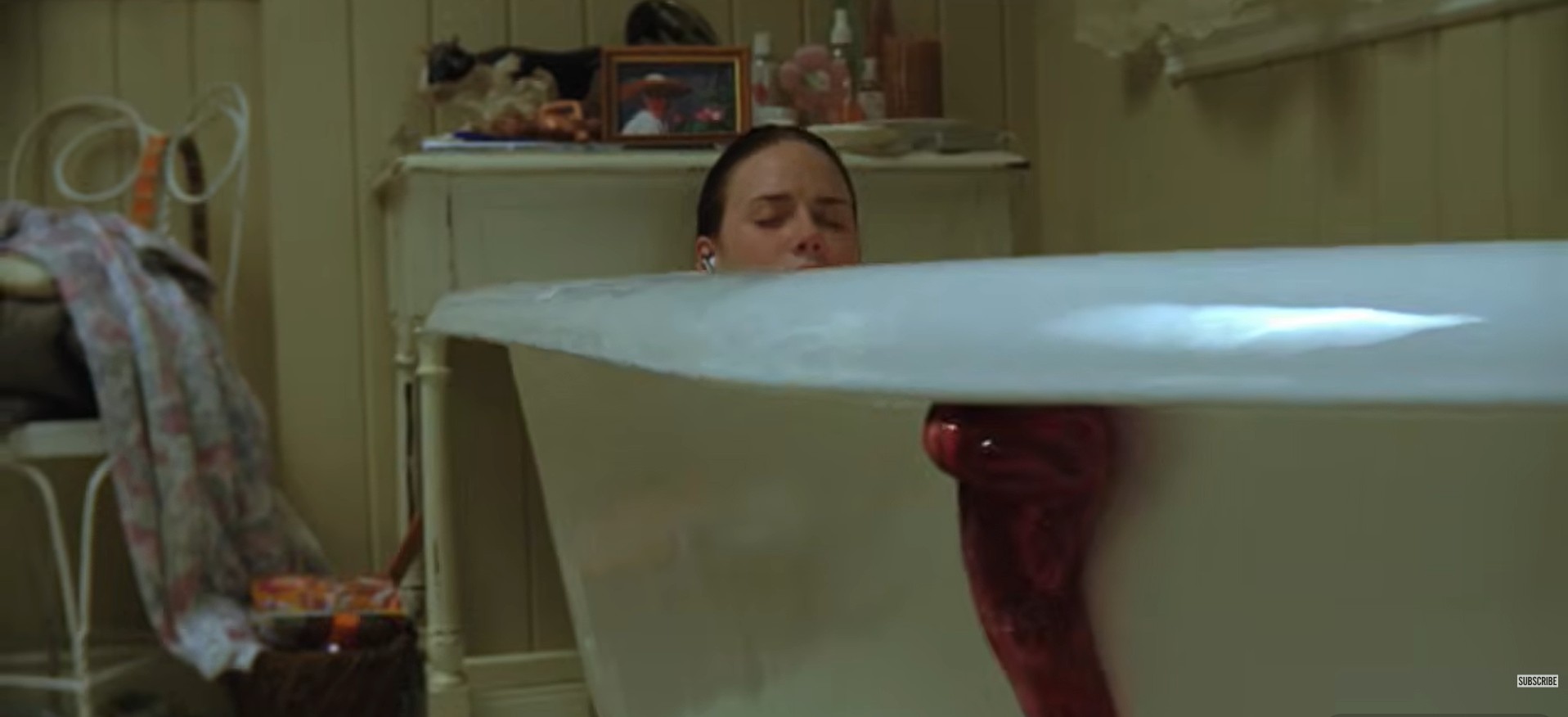
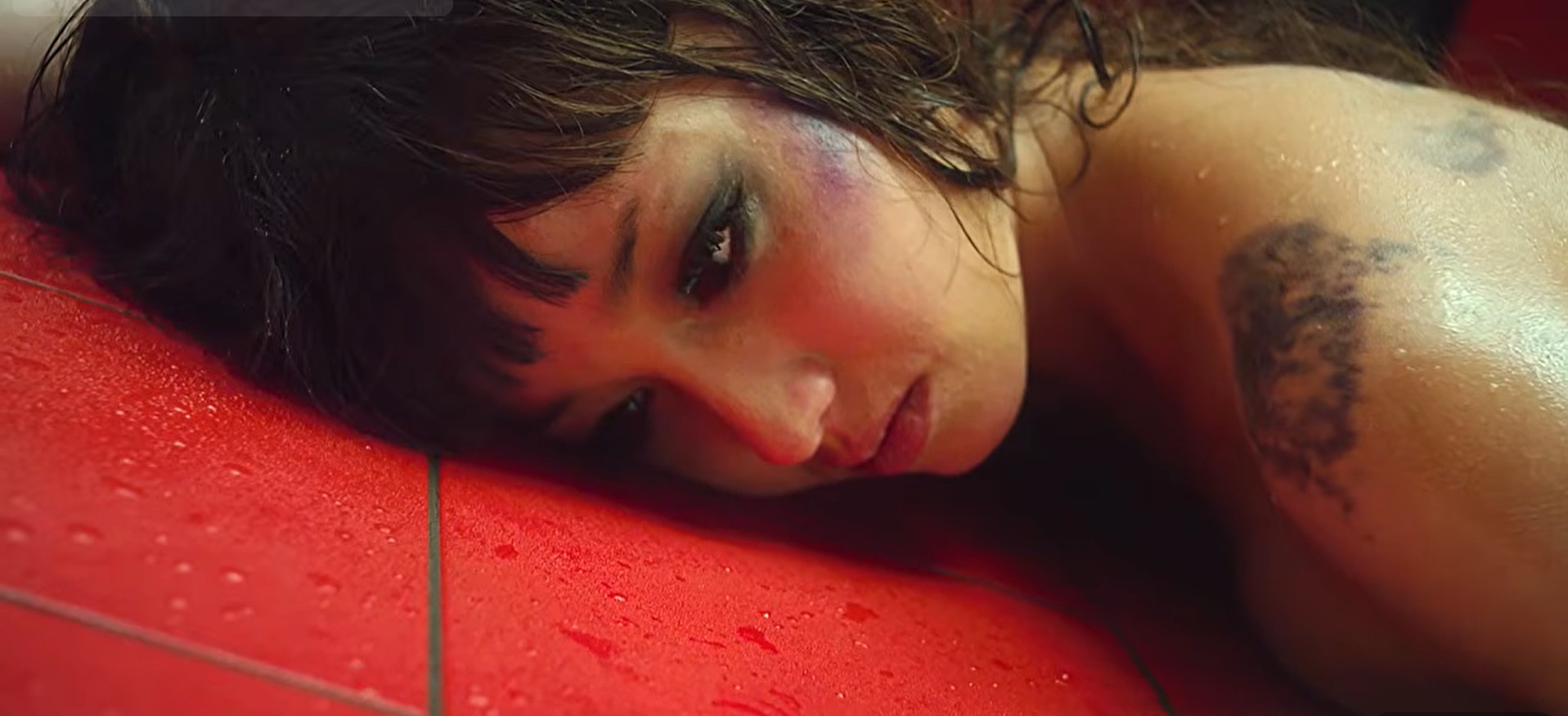
Though a beauty already in her own right, Lea Myren donned prosthetics and makeup for the titular Elvira to make the appearance of later teen, early 20s woman just on the verge of losing the baby fat.  Other personal traits added to Elvira’s character are braces, dark corkscrew curls, and muted toned outfits to further and contrast as a perceived ugliness within the context of the era, but in reality, Elvira’s beautiful young woman already with soft, large eyes, a curvy physique, and a natural gift of goodness within her that’s twisted by exterior conventions on what is defined as beauty. Shedding some of those elements, like the braces and weight, transform Elvira into a more desirable young lady now visible to all, from her draconian etiquette teacher who initially wouldn’t give her the time of day to the Prince who first looked upon Elvira with disgust in her natural state before become an exquisite creature stemmed from surgery and other unnatural body manipulations.  Myren wonderfully careens the character right into the dirt as Elvira cuts off her nose to spite her face, damn near literally, on the quixotic quest to change her outer shell that ultimately changes her from the inside.  Constants in Elvira’s life, or way, are Agnes, who’s only referenced as Cinderella once in a look that isn’t too cinder-y, played by Thea Sofie Loch Næss (“Arctic Void”) who doesn’t struggles with her character’s looks but contends with her new family’s acute empowerment, mostly rooted in family favoritism and jealousy, as well as Alma, Elvira’s younger sister with a by far majority much more comfortable in her own skin despite having dressed similarly with frizzier, unkempt hair by way of Fo Fagerli’s approach. Loch Næss doesn’t portray the as pure and innocence of the Disney classic, with her passionate romance with the stable boy in the hay barn, but the character is fairly close in all other regards with the more significant change to the characters being the stepsisters, especially Elvira’s reserved notions turned bitter when being compared to Agnes.  Alma is altogether out of the equation with no bitterness in her heart nor with any malice whatsoever to anybody but tends to her sister’s rise and downfall with little pushback.  Ane Dahl Torp (“The Wave”) is in the role of the mother Rebekka who will do anything to advance her daughter in society, mostly for selfish reasons as we’ll gather later on through a course of characters, such as the Prince Julian (Isac Calmroth), stable boy Isak (Malte Gårdinger), brutal plastic surgeon Dr. Esthétique (Adam Lundgren), and finishing school head mistresses/lesbian lovers (Katarzyna Herman & Cecilia Forss) who have contrasting approaches, both negative, toward Elvira’s waistline. 

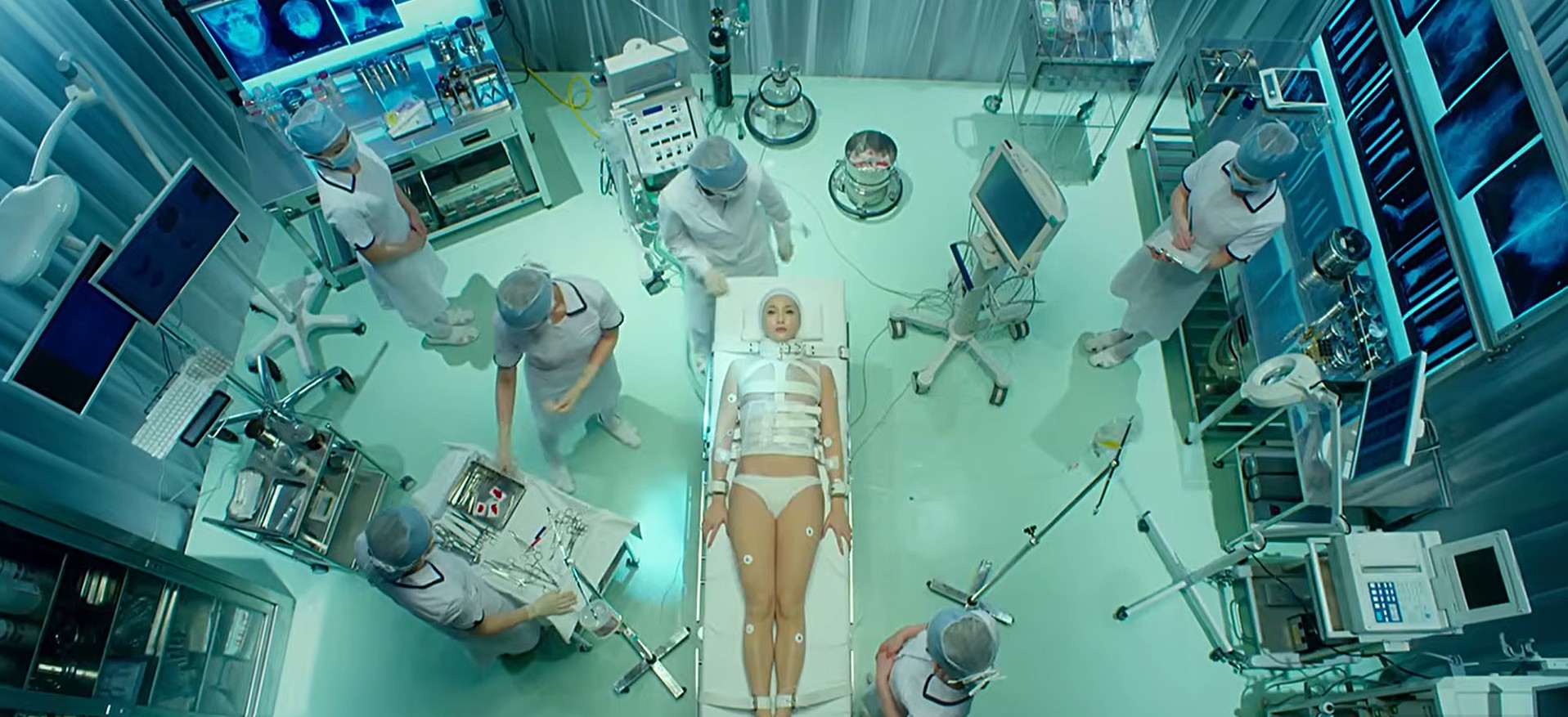
“The Ugly Stepsister’s” body horror is more than just a serious manipulation in losing weight and cutting more than corners toward image perfection.  The real horror is in the shame, the shaming of the body that’s overlooked, called out, and humiliated and to make matters worse for Elvira, her body type is by all of today’s standards curvy in the right places and beautiful albeit a body double was used for her pre-trim down nude scene.  Prosthetics are in place around the face and arms to make Lea Myren appear a little weightier, but the difference is extremely negligible and that’s the real power of horror when it’s terribly subtle, an already beautiful young girl succumb to peer and societal pressures that induces crazy self-harm for opinionated ideals and appearances.  Blichfeldt’s ideas of body-shaming extreme measures done by Elvira are not a far stretch from what self-conscious people do today about their weight.  Instead of swallowing a tape worm egg, one can stick a figure down their throat to achieve the same effect.  Instead of breaking a nose to re-mold with a hammer and chisel, surgery and medicines are abused ot be the new, easy, fast weight lost solution.  Blichfeldt comparative shots linger on Agnes with Elvira seething with envy and with the director’s bold choice of provocative nudity, exposing genitalia and depiction of X-rated acts, engages an alluring perversity that sheds light on a superficial world of beauty and sex, shielding the core, deeper problem of societal shame. 

Second Sight Films brings the Shudder and Vertigo Releasing North American marketed  “The Ugly Stepsister” to 4K UHD Blu-ray.  The ultra high-definition release is HVEC encoded onto a BD66 and presented in HDR10 with Dolby Vision, at 2160p, and in it’s the original aspect ratio, a European 1.66:1 widescreen.  Match the dark toned nature, the grading also exacts a somber coating with mahogany and ebony wooden structures and dimly lit castles of a Victorian era to bask in an austere state were, more so with personal happiness, is hard to come by.  Details are hard to stomach, in a good way, with proximate detail in the special effects closeups, such as in the mutilation scene where a nearly severed toes are hanging on for dear life by what little skin in left tethered to the foot, that go into macrolevel detail and is accentuated by the additional pixels.  Skin tones appear natural and unique to each individual in a purposeful contrast of fair and tanned skin along with different layers of texturing between organic qualities and the fabric outfits they wear, such as Agnes more single block outfit with a smoother design compared to Elvira’s multiple layers and pattern garb.  The Norwegian DTS-HD Master Audio 5.1 has an eclectic powerhouse soundtrack of synth and string orchestra from John Erik Kaada and Vilde Tuv.  The story doesn’t have a great deal of direction use for the 5.1 mix with mostly a conversating piece with mostly diegetic ambience, leaving the 5.1 less immersive than required, but there is vitality and strength behind the dialogue and action, clear and unobscured in its clean presence.  The multitude of squishiness, again the severed toes and also the removal of the tape worm through an orifice, is highly emphasized more max effect.  Areas of depth mostly lingers around the front but there are opportune moments in medium shots for audio expression.  English subtitles are clean, accurate, and well-paced.  Special features on the standard 4K release include a new audio commentary with director Emilie Blichfeldt and filmmaker Patrik Syversen, a new audio commentary with critic Meagan Navarro, a new interview with Blichfieldt This is my Ball, a new interview with star Lea Myren Generational Trauma, a new interview with Cinderella actress Thea Sofie Loc Naess Take Up Space, a new interview with special effects artist Thomas Foldberg Character and Gore, a special effects featurette The Beauty of Ugly:  The Effects of the Ugly Stepsister, a visual essay from Kat Hughes A Cinderella Story, deleted scenes, and both the Blichfiedt short films mentioned earlier in this review:  “How Do You Like My Hair?” and “Sara’s Intimate Confessions.”  The review here is for the standard 4K UHD Blu-ray set but there is a limited edition set that includes the 1080p Blu-ray as well.  The black Amaray case features a character still of Elvira on the front cover in all her dark maiden and sweet-faced glory.  There are no physical extras inside.  UK certified 18 for strong sex, nudity, and gore, “The Ugly Stepsister” from Second Sight Films is region free and has a runtime of 109 minutes. 

Last Rites: “The Ugly Stepsister” is a yarn not yet explored in other Cinderella tales, especially when it involves body horror and a sexually explicitness that that will forever make watching the Disney classic now uncomfortable when a recalled thought from Blichfeldt’s film pops into the visual cortex. Yet, it’s a remarkably twisted story from a different perspective that isn’t magically fantastical but grim and tragic.

“The Ugly Stepsister” on 4K UHD Blu-ray from Second Sight!

A Hole in the Stratosphere Mutates a Whole Lot of EVIL! “Ozone! Attack of the Redneck Mutants!” reviewed! (Video Vengeance / Blu-ray)

Protect the Ozone Layer or Else Meet a Mutated Redneck Fate! Buy “Ozone! Attack of the Redneck Mutants!” on Blu-ray

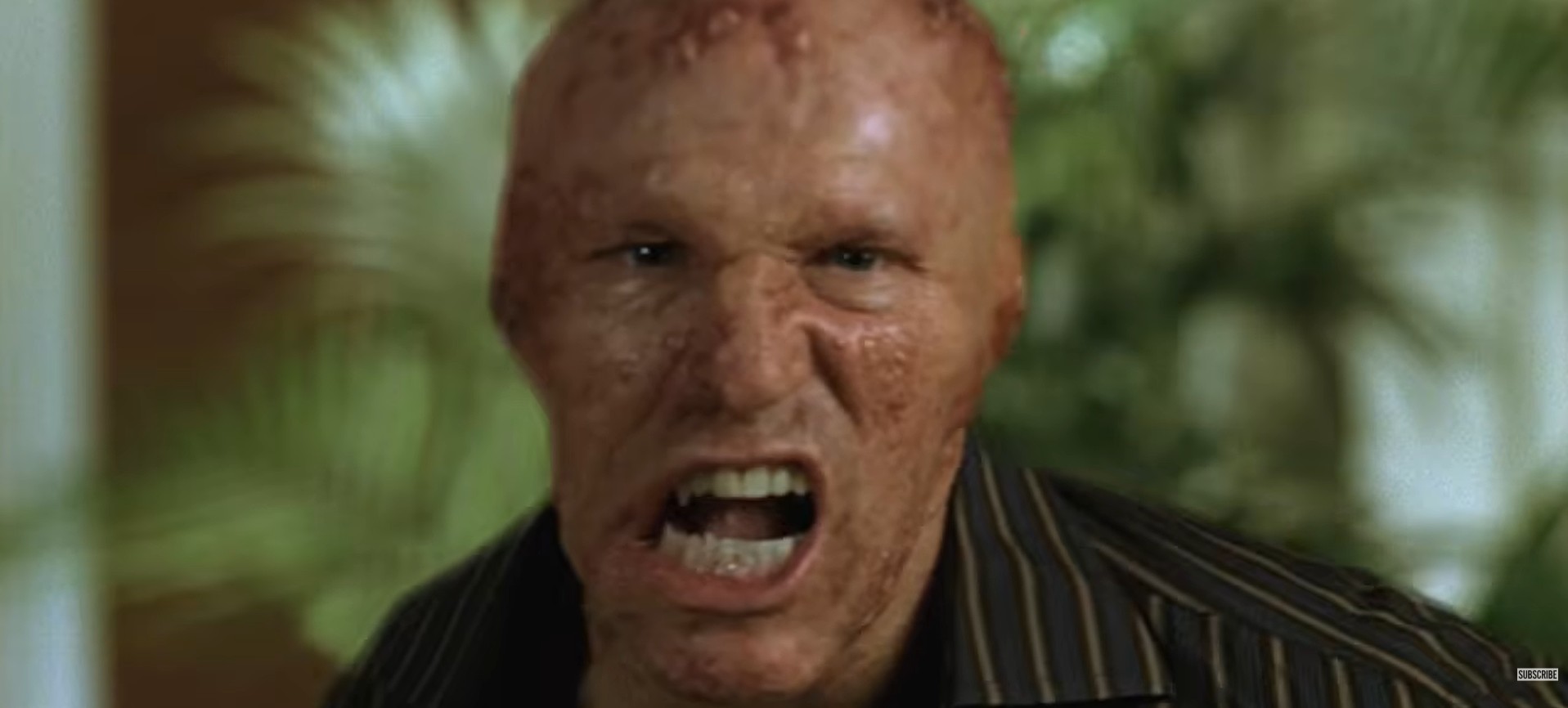
Arlene, a passionate university student of environment science, and acquaintance Kevin, the untroubled son of an oil tycoon, travel to Poolville, Texas where Arlene’s adamant cause to save the planet has put her on edge with the imprudent Kevin and his family’s oil drilling, planet contaminating business.  Arlene’s mission in the rural town is to test the Ozone layer after a chemical manufacture spill while Kevin tags along much to her chagrin.  Before she can analyze the effects of the spill, the residents of Poolville begin to mutate into festering, flesh-eating creatures and Arlene and Kevin are stuck in the middle of the mayhem.  The exposure mutates Poolville’s population at a slow and unpredictable rate that leaves no where safe to shelter and their own lingering presence exposes them also to the chemical agents.  The longer they stay, the greater the chance their body will transform into flesh-craving fiends, wild-eyed and disgorging green vomit trying to get to their next meal. 

On the heels of “The Abomination,” shot back-to-back in the same month and also at nearly all the same set locations, “Ozone!  Attack of the Redneck Mutants” is the perfectly obscure grindhouse film for a double bill from directors Bret McCormick, who helmed the house-shelled creature feature “The Abomination,” and Matt Devlen’s environmental bumpkin zombie horror!   Shot on location in and around Poolville and Fort Worth, Texas, the lo-fi, flesh-eating, in more ways than one, gory feature is written by Brad Redd and produced by the Devlen and McCormick due along with composer Kim Davis, credited as Marie Skylar (“Body Parts”).  The film has a strong cautionary, allegorical theme of man-made containing spill effects on the environment, such as the ozone layer in this narrative, and their underlining harmful effects on humans that go to an exaggerated level of devouring each other in bits and pieces.  The body horror indie is self-funded by McCormick and Devlen and had a short run on VHS micro-label Muther Video. 

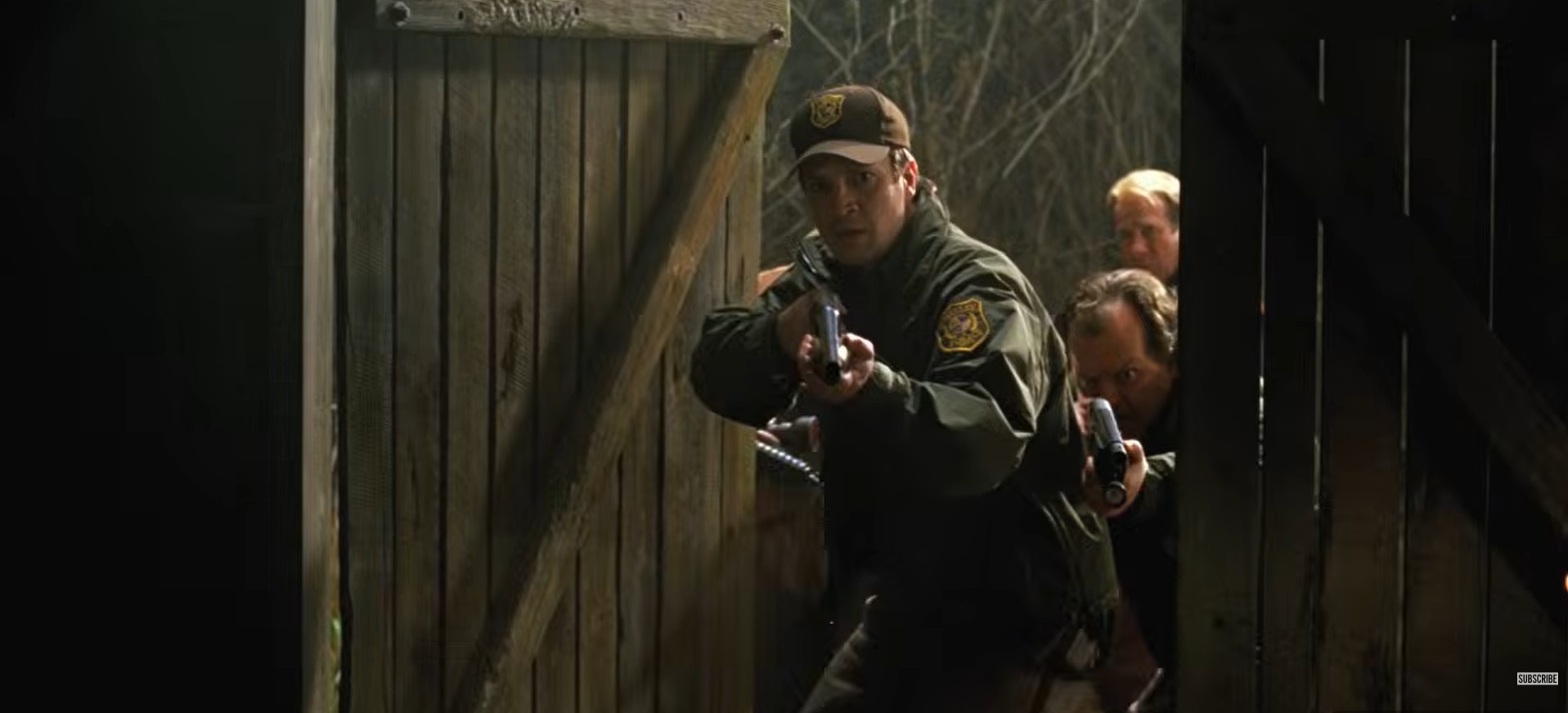
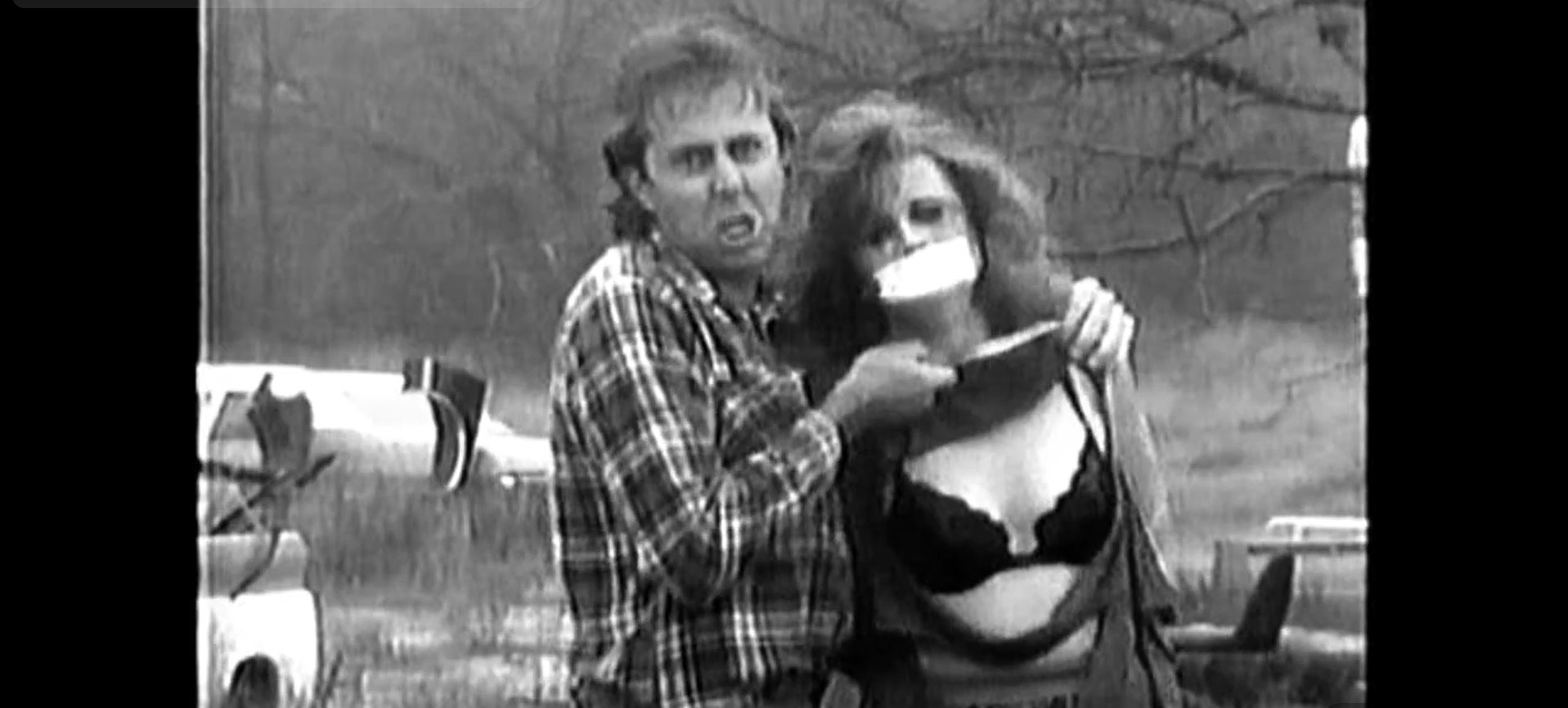
If you’re one of the lucky ones and seen Bret McCormick’s “The Abomination,” you may notice familiar actors in Devlen’s “Ozone!  “The Attack of the Redneck Mutants!”  However, the protagonists do a reversal of demeanor with Blue Thompson as Arlene, the environmental science student who is thrust into being a competent and adept fighter against the mutants whereas her character in “The Abomination” was no different than the stereotypical female victim of horror trope.  Scott Davis tackled the creature in his house with mild composer, even when it devoured his friends and family, but Davis’s Kevin Muncy is foolish and cowardly, wailing to the top of his lungs and flailing his arms and legs when attacked like he’s drowning in deep water because he doesn’t know how to swim.  Arlene and Kevin are an unlikely pairing, environmental antagonists, stuck together in the mutated middle traversing the back country while rural residents transfigure before their eyes into flesh-hungry fiends.  Loafing gun-toter Wade McCoy and his mother Ruby are two of those Poolville denizens that that come under threat.  Played by Brad McCormick, Wade’s a bit of a stereotypical caricature of the term redneck with plaid shirt, truck hat, beer in hand, and shotgun at the ready, as seen in earlier scenes with his character blowing off the broad face of old gourdes in his backyard.  Wade’s mother Ruby (Jance Williams, “Tabloid”)) is a fireball in her own aged way that’s gives evidence to Wade’s beer, guns, and philandering ways.  The rest of the cast are all farming mutants who receive sangre-spilling screentime with Luther Webb, Barry Stephen, Londy Porter, Regina Hackenbush, Leon Bardol and Lorraine Dowdy, Rhonda Rooney, and Barbara Dow as their victims. 

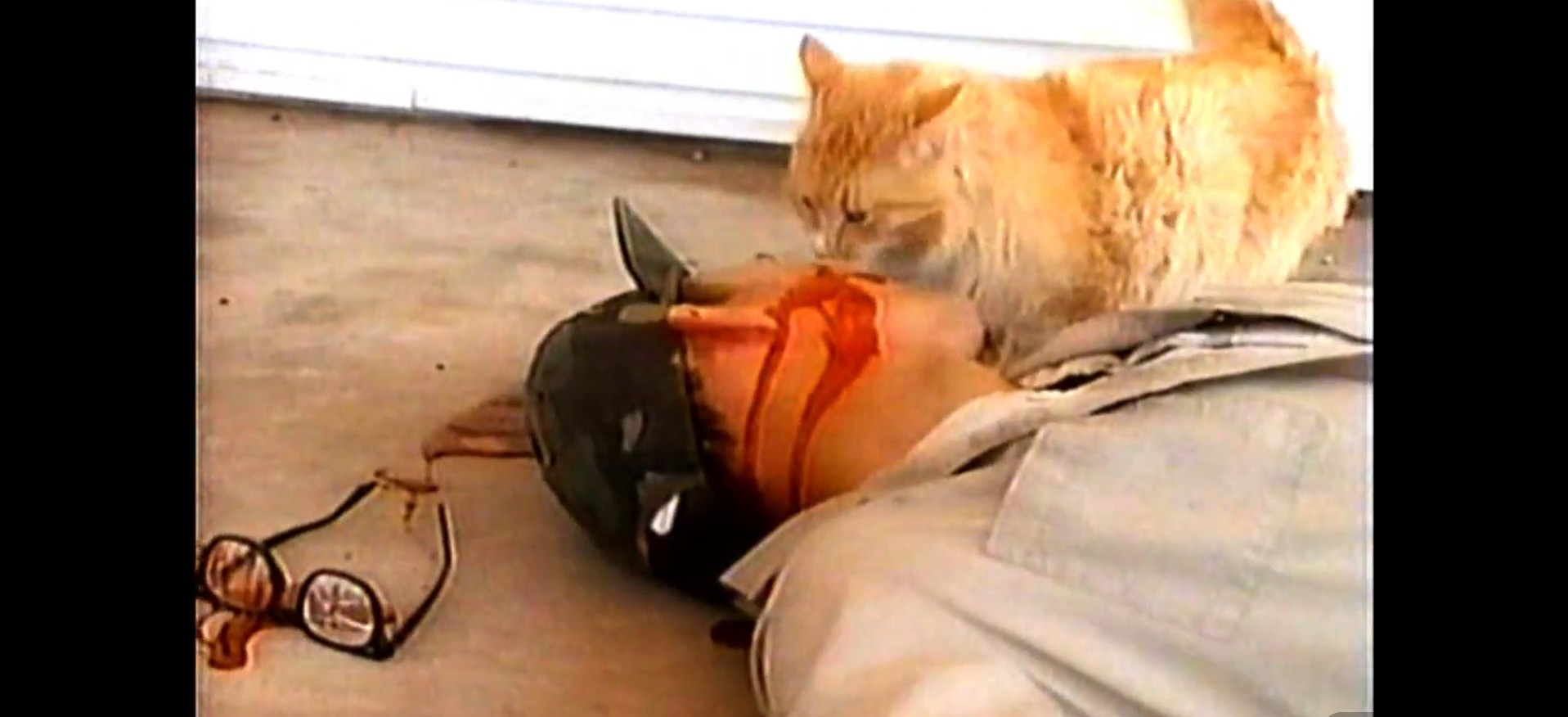
Spitting in the face of the budget’s limited purse strings, or rather spewing neon green glop right into it, “Ozone!  Attack of the Redneck Mutants!” has tremendous cult appeal with its sly editing of human-to-mutant transfiguration and its evisceration and cannibalism gore effects that munches on intestines, a staple dish for the prototypical zombie, undead or otherwise.  The horror looks monstrously great on screen with simple syrup editing under its grindhouse celluloid aesthetic that concentrates a steady transformation of surviving environmental terror, a theme that’s been persistently weighty on activists, politicians, and science communities’ shoulders and minds to this date.  Man-made chemicals and chemical reactions have had a known effect on the ozone layer since the mid-1970s when chemists found chlorofluorocarbons, such as in certain aerosols, had a negative depleting result on the ozone in the stratosphere.  “Ozone!  Attack of the Redneck Mutants!” pulls from that scientific fact and swirls it with an extreme horror element devasting to humanity.  Devlen and director of photography Guy Rafferty secure perfectly framed shots, with one sequence coming to mind of a grass field with wildflowers and buzzing with nature and the camera pans up and over a rolling hill toward a smokestack manufacturer that makes the connection stronger and more impactful to the story.  There’s also a subtle conspiracy between oil tycoon inheritor having some involvement in his father’s oil business and the twist knowledge that his family has a relationship in owning and distributor culprit chemical substances that igniting hell on Earth, sparking extended internal beef, as if the protagonists weren’t already polar opposites butting heads and at each other’s throats between their ideals of big oil and an environmental science, the latter on the precipice of being a muckraker. 

Tapping into the same man-made environmental crisis horror to the likes of “Godzilla” and “The Crazies” and if you’re hungry for more of the same subgenre, “Ozone!  Attack of the Redneck Zombies” is a bloody good time on a downsized appetite, now available on Blu-ray for the first time from Visual Vengeance, a partner label from Wild Eye Releasing.  The director approved standard definition master from the original 8mm elements comes out of the antiquated format shadows onto an AVC encoded BD50 but the transfer was done from super 8 celluloid, retaining much of the emulsion gaps in light leaks and garners a fair amount of speckling, cigarette burns, and vertical scratching but the overall original print has been cared for, well preserved to offer an upgraded resolution as much as the increase in pixels allows with an untouched grading that keeps the nostalgic, sandstone complexion.  A full screen 1.33:1 is the original aspect ratio applied also here on the Blu-ray.  The English PCM mono track is about as a feeble as you expect but adds to the nostalgia in it’s muffled, boxy, and slightly hissy-scratching post-production recording.  You honestly don’t need it touch up or have it upgraded into channel multitude or else it loses that signature singularity associated with hard-to-find, cult budget horror from the 80s.  The front channel produces all the action and dialogue surrounded by simple fixed score and it works better than most of its ilk, but you’ll still find it lacking vitality and having a mismatch gap between the action and the audio.  English subtitles are available.   Where the technical aspects of a Blu-ray are always subpar, because of the fair warning received at the beginning of each film, the encoded and physical special features are what fans crave from the always happy to delivery Visual Vengeance label.  Encoded is a commentary with producer/co-star Bret McCormick and actress Blue Thompson, a second commentary from horror/film experts Sam Panico and Bill Van Ryn, an interview with actress Blue Thompson which is an extension of her “The Abomination” interview on that Blu-ray release, location visits, deleted scenes and outtakes, including special effects behind-the-scenes, without audio, the original VHS intro reel from Muther Video, an archived interview with Matt Devlen from a Cinema Wasteland screening, a producer trailer reel from Matt Devlen, Devlen’s short film “Babies,” actress Barbara Dow’s acting reel, an interview with fellow era director Mark Pirro (“Nudist Colony of the Dead”) on the film, an archived public access TV interview Hollywood Unseen, a Devlen interview on the Let’s Watch Movies podcast, feature image gallery, the trailer for McCormick’s “Tabloid,” and other Visual Vengeance preview trailers.  A massively encoded presence is always accompanied by a massive physical presence, beginning with a newly commissioned cover art by graphic artist, The Dude Designs, on the cardboard slipcover.  The same art is also the primary art on the reversible sleeve, but I like to turn it around, switch it up, to reflect the original VHS box art.  Inserted in the clear Amaray is a mini-folded poster with even more new art by a different artist, Andrei Bouzikov, an official, black and white comic book adaptation with Marc Gras doing all the artwork from cover-to-cover, a white paper puke bag with the feature title, a Muther Video sticker, and a retro sticker sheet from Visual Vengeance!  A Visual Vengeance release is like opening a present on Christmas morning!  The region free, unrated film has 93-minute run which, in my honest opinion, is a bit too long for the story being told as does drag between first and second acts, and if memory serves me, “The Abomination” was exactly the same way.

Last Rites: Gun-carrying, tobacco-spitting, beer-drink rednecks stand no chance against the manmade decay of planet Earth in this done-right DIY horror from Matt Devlen that’s creatively spewing its neon juices galore! Video Vengeance sheds light on another obscure release that doesn’t deserve to be at the bottom of the barrel with its natural celluloid intact, a whole lot of extra goodies in the special features, and a fun and yearned full physical presence too good to be true.

Protect the Ozone Layer or Else Meet a Mutated Redneck Fate! Buy “Ozone! Attack of the Redneck Mutants!” on Blu-ray

One Man’s Love and Another Man’s Revenge Take on the Mothers of All EVIL! “Forgotten Pistolero” reviewed! (Carambola Media / Blu-ray)

“Forgotten Pistolero” Now Available on Blu-ray!

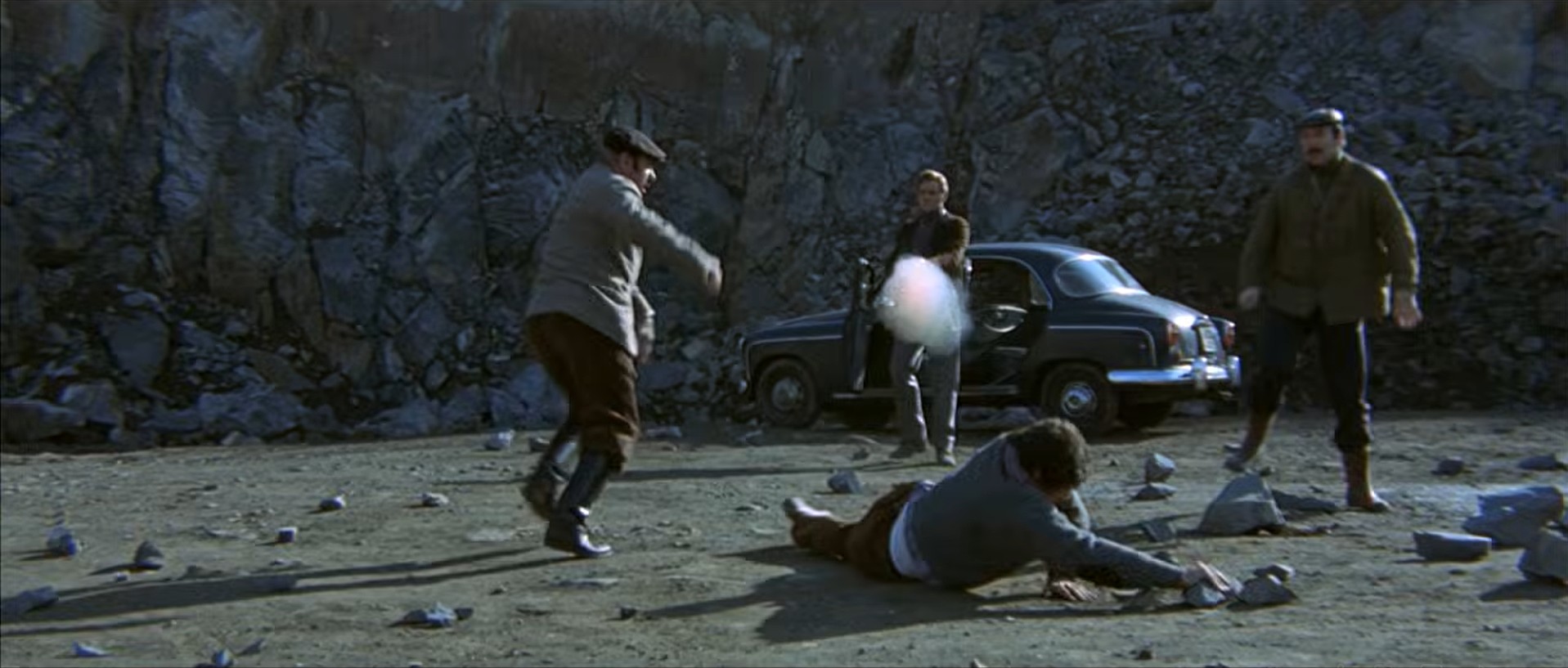
Rafael is a hunted man as he travels from Mexico to Texas searching for his childhood friend Sebastian, a son of a Mexican general who years earlier was slain by an unfaithful wife and her lover shortly after returning from war with the French.  When Rafeal happens upon a man living in solitude on the land, he identifies him as his long-lost friend who has forgotten about his traumatic past and decides not to revictimize his friend of the past, but when Rafael is captured by bounty hunters, Sebastian saves his life that spurs Rafeal into unveiling to his friend his real childhood tragedy.  Sebastian and Rafael set upon a mission of revenge and to save Sebastian’s sister Isabella, who Rafael has fallen in love with and who has had an arranged marriage to a humble shopkeeper to rein in her opposition to her mother’s betrayal.  As the two men battle unscrupulous gun-toting henchmen and deal with their own personal issues in their own way, the gunfighters unravel the truth about their Sebastian and Isabella’s parents while shooting their way toward those directly responsible for unending their tranquil lives. 

“The Forgotten Pistolero,” aka “Gunman of Ave Maria,” aka “Il pistolero dell’Ave Maria” is the 1969 Italian spaghetti western based on the converging of Greek tragedies from Aeschylus, Euripides and Homer.  Notable Italian western director Ferdinando Baldi, director of “Texas, Adios” and “Django, Prepare a Coffin,” pulls forth the betrayal and revenge tale out of the fourth century and into the 19th century set in the semi-arid landscape between Mexico and Texas with spears traded out for six-shooters.  The script is penned by multiple writers with Vencenzo Cerami (“The Silent Stranger”), Pier Giovanni Anchisi (“Hate is My God”), Mario di Nardo (“Aphrodite, Goddess of Love”), Federico de Urrutia (“Hour of Death”), and even director Baldi to grasp the immense drama of tragedy and place it inside the context of a western gunslinger.  “The Forgotten Pistolero” came at the height of the spaghetti western subgenre produced out of Italy with “Django” producer Manolo Bolognini as feature showrunner with Izaro Films and B.R.C. Produzione as production companies filming primary in Spain doubling as the Central and North American west.  

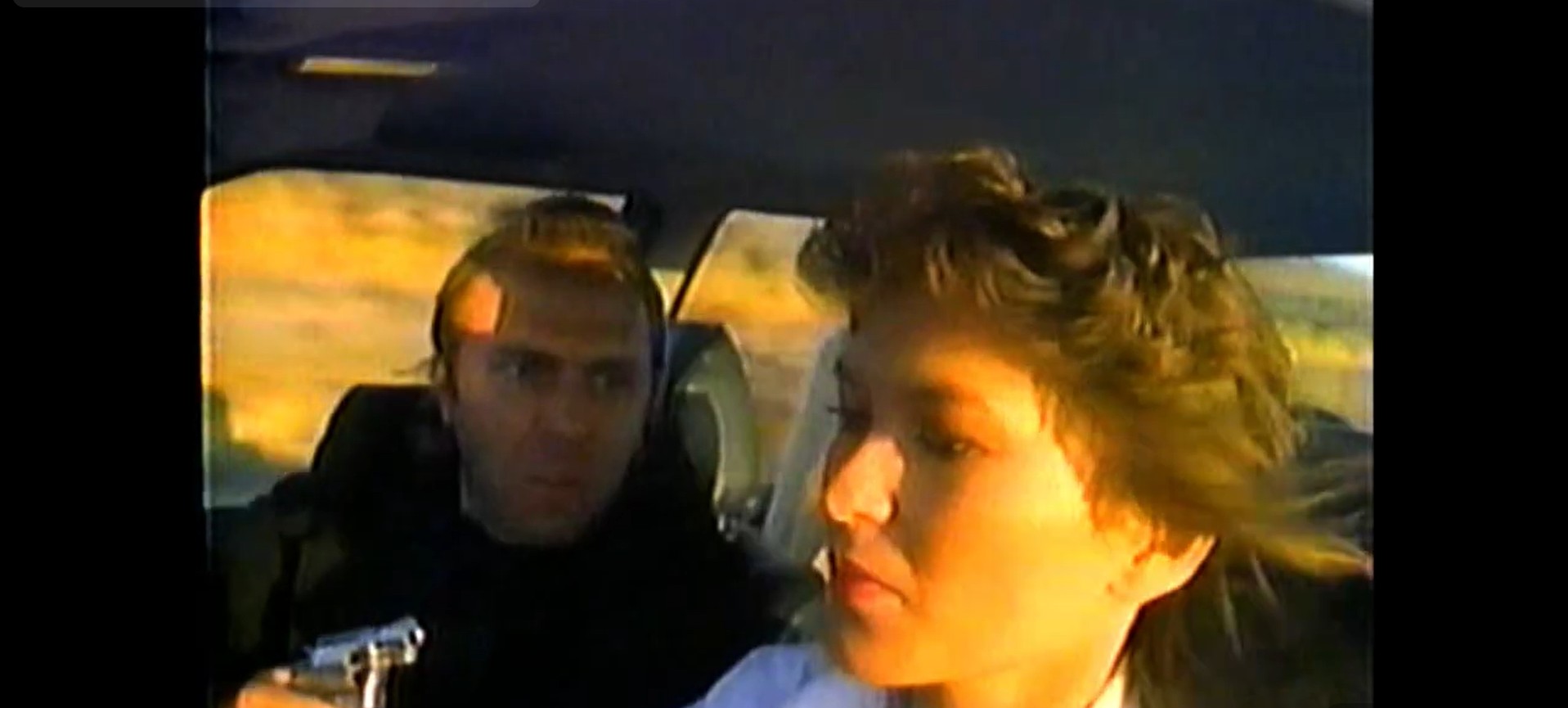
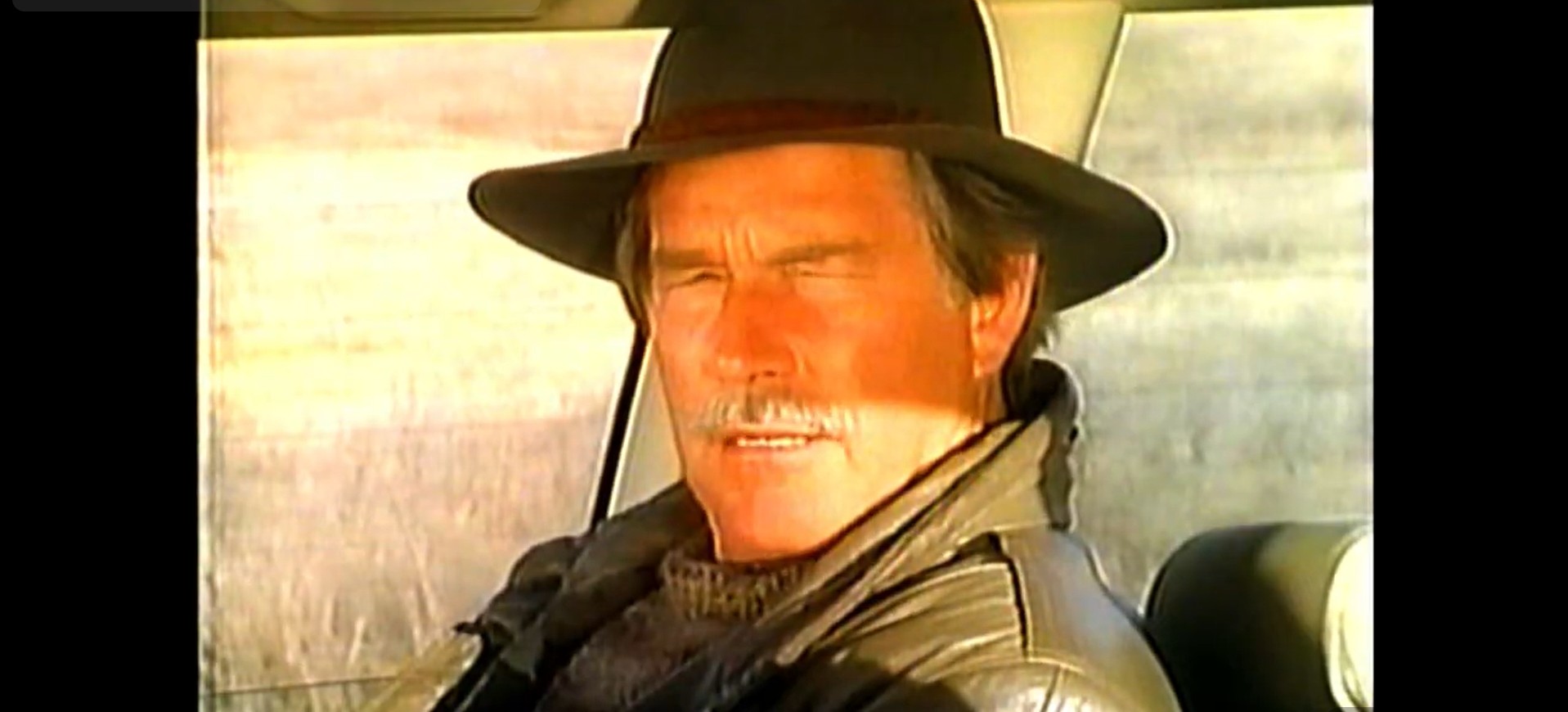
Like many Italian films of the era, especially in the spaghetti western and horror subgenres, the cast is comprised of multinationals with New York-born Leonard Mann at the lead actor credit.  Mann, who began his career in Italy and continued acting in a number of Italian films (“The Unholy Four,” “Death Steps in the Dark”), plays the titular pistolero Sebastian inexplicably haunted by his past while living in solitude until childhood friend Rafeal, played by Italian-born Peter Martell (“God Made Them… I Kill Them”), discovers his friend and reveals he truth that’s subconsciously plagued Sebatian for far too long.  There’s a show of unspoken connection between the two characters that time faded and is rekindled by mutual respect in both – Rafael’s intentions to not hurt Sebastian with the truth by running away after finding him and Sebastian’s tracking him down and saving him from bounty bandidos.  No words needed to describe their bond and through Mann and Martell’s acting do we see that connection solidify to be indestructible.  Completing the childhood friendship is Isabella, played by Spanish actress Pilar Velázquez (“Naked Girl Murdered in the Park”), who is forced to marry a humble yet good man shopkeeper Ignacio (Luciano Rossi, “Salon Kitty”) to be out of illicit lover Tomas’s way as he tries to woo back Anna, both of whom staged a coup and killed Sebastian and Isabella’s father, General Juan Carrasco (José Suárez, “Texas, Adios”).  Isabella adds crucial love interest to Rafael’s state of mind as the hunted gunman finds solace at the bottom of the tequila bottle with his life on the run and his love married to another man.  Rafael’s only hope is Sebastian, thought dead or believed to have vanished by his treacherous mother Anna (Luciana Paluzzi, “99 Women”) and her scoundrel lover Tomas (Alberto de Mendoza, “Horror Express”) who have drifted apart and have their own complex dynamic to which in itself is failing falling out to have permanently taken a father away from his children and have it result all for naught.  Sebastian slowly reconnections with Rafael and himself as his subdued vengeance is ironically rooted by a fierce craving to see those responsible pay. 

Ferdinando Baldi’s surface-layer retribution theme has a subaqueous depth of leagues-upon-leagues of combative and raw emotion, seeded by a singular event of betrayal, separation, and loss all in the life-altering blink of an eye.  Though crucial to thought processes and motivations of the character on either side of the moral coin, the story bypasses the long years between the assassination when Sebastian, Isabella, and Rafael are children and much later when the obligation of adulthood comes knocking.  What’s not depicted from those omitted years are the trials of Rafael’s passion for Isabella and his arduous ordeal to evade capture by Thomas’s goons nor the privy of Sebastian’s life since the death of his father other than it’s made known Rafael’s mother took Sebastian under her wing and died recently.  What’s also missing, and has becomes quite a negative plot hole in the story, is how Rafael and Sebastian learned to gun fight and do it extremely well that becomes key to their reckoning success.  Isabella too suffers living in close proximity to her mother and her illicit lover with a seething hate, especially for her mother, and her relationship with a timid but kind shopkeeper who aims to please her happiness without demanding much from her already shattered childhood.  Triggering trauma, down the bottle depression, suffering in silence, and a searing hatred coupled with perfected embattled showdowns and gunslinging escapades lead up to an unraveled, truth-be-told twist ending of scorching inferno on where it all started.  Baldi knew how to frame a shot that paired people with steady tension or to find their true North when it came to exposition and his gunfights, and though not inundated with rabid rapid-fire riddling with bullet holes, “Forgotten Pistolero” does stand firm in the turbulent ocean of western films, especially with flawed, hero-errant protagonists.

Catalogued title 001 for the IFD Films offshoot label, Carambola Media, distributed through Diabolik DVD, “Forgotten Pistolero” quick draws a new 2-disc, high-definition Blu-ray, encoded with AVC on a BD25 for the English ADR and a BD50 for the Italian ADR language version because it’s accompanied with extras.  The different languages are encoded on individual discs.  The extra pixels offer an extremely high level of detail that reproduces a competent saturation of a warmer graded film, complete with saddle brown and burnt sienna tones, brightly lit in exterior definition and really absorbed with the interiors from it’s 2K saturation of the 35mm print presented in a 1.78:1 aspect ratio.  No obvious print damage to the 1969 film, emulsified and preserved properly for later restoration efforts of today.  Often skin tones appear orangish, as seen in many DVD updates, but the color correcting process works wonders with “Forgotten Pistolero’s” verisimilar viewing.  As noted, each language track has its own disc that offer two audio options on each disc.  The English and Italian language discs come with a DTS-HD Master Audio 2.0 Mono mix and an uncompressed LPCM 2.0 Mono, both rendering ideal fidelity through the power of early Italian cinema ADR with only insubstantial studio inference and no hissing or crackling pops to note.  Either track will work with a seemingly natural flow, even the English track since some actors are mouth articulating English works, as any kind of desynch between the action of talking and the post-production audio has egregious control.  Gunfire has that distinctly rich ricochets effect, and the punches pack a nice wallop when struck, both typical in spaghetti western greats.  The interview with Leonard Mann and the original trailer is exclusively on the Italian language disc whereas the English track focuses just on the feature.  The standard Blu-ray comes in a standard Amaray with an extra lock-in flap for the second disc.  The sleeve art is of the film’s original poster art with a shirtless Leonard Mann, who’s never shirtless in the film, looking cowboy rugged with his gun holstered on his hip.  The hard A region encoded disc is not rated and has a runtime of 83-minutes.

Last Rites: Don’t mistake “Forgotten Pistolero” as an ordinary spaghetti western and don’t ever compare to it to The Man With No Name trilogy as a totally separate type of Italian western but the Carambola Media release is something special, pulled from the depths of Greek mythology, and spun to be a tale of tragedy, twist, and a torrent of gunfights and emotions.

“Forgotten Pistolero” Now Available on Blu-ray!

Two Cops. Two Girls. One EVIL Crime Boss! “Rosa” reviewed! (88 Films / Limited Edition Blu-ray)

Grab the Limited Edition Blu-ray of “Rosa” from 88 Films!

Little Monster and Lui Gung didn’t get along to begin with when Little Monster’s accident put Kung’s sister in the hospital for minor injuries but when the two rookie cops get on the bad side of their direct supervisor, Inspector Tin, they have no choice but to work together under his pleasure to see them suffer.  The two cops are assigned to the case of Li Wei-Feng, a smalltime crook who tries to black male mob boss Wong with incriminating photographs of a deal gone deadly.  They stay on top of and befriend Wei-Feng’s ex-girlfriend Rosa in hopes he’ll show up but the cops find themselves going on more double dates between Kung wooing the model Rosa and Little Monster courting Kung’s sister than actually doing any detective leg work.  Before they know it, they’re assisting Rosa out of her gambling debts with medium level bosses and on hot coals with Boss Wong’s formidable henchmen who will stop at nothing and will kill anyone in their way from obtaining the smoking gun film roll. 

“Rosa” is the 1986, Tung Cho “Joe” Cheung directed buddy cop comedy-action film from Hong Kong,  Cheung has delivered a string of action comedies prior, such as with the a torn Kung Fu novice must jealous mend the rift between his two masters before a war ensues in “The Incredible Kung-Fu Master” in 1978 and the story of a veteran police officer who must work both sides of the law to manage his wife’s gambling addiction is paired with a rookie cop to take down transgresses in “Shadow Ninja,” release in 1980.  “Rosa” is another notch of comedic effort in Cheung’s belt but on a bigger scale with well-known actors, a large cast, incredible stunts, and fast martial arts choreography in a script penned by the “Chungking Express” director Wong Kar-Wai and “Hard Boiled” and “Mr. Vampire” writer Barry Wong.  Wong and Anthony Chow (“The Cat”) produce the film under the Golden Harvest Company and Bo Ho Film Company flags.

“Rosa” uses an ensemble cast more for comedic purposes rather than to instill dramatic action, beginning chief principal Biao Yuen, who we’ve recently reviewed in another new phenomenal physical 88 Films Blu-ray release in “Saga of the Phoenix” and has had roles in “Game of Death,” “Encounter of a Spooky Kind,” and “Picture of a Nymph,” as the endearingly named Little Monster, a go-lucky rookie cop with skilled martial arts moves.  Charming and confidence, Yuen plays the most sensible of protagonists without absorbing a lot of humiliation unlike his costar Lowell Lo who finds himself in a more subordinate role of Lui Gung underneath Little Monster’s suavity by having more overreactions, slapstick, and chasing with his tongue out a lost cause – that being Rosa.  “Inferno Thunderbolt’s” Hsiao-Fen Lu plays that titular role, a gambler addict and model with loan shark debt with ties to a small-time crook that incidentally involve her in a deadlier high-stakes blackmail with a power crime boss, but her importance is depreciated by Yuen and Lo’s buddying comedy and not the driving focus of the plot.  In all, the progression is a group effort rather than encamping around a centralized person.  With that being said, Kara Ying Hung Wai (“The Ghost Story”) often feels like an afterthought, a proverbial fourth wheel, as Gung’s sister Lui Lui whos’ gifted lines and a presence here and there but is mainly only Little Monster’s love interest in corporeal presence only.  Rounding out the good guys is the hapless Inspector Tin (Paul Chun, “To Hell With the Devil”), an arrogant supervisor who doesn’t want to get his hands dirty with police work and recruits Little Monster and Kung as punching bags for wrong him in their individualized opening, mishap run-ins with the inspector, another comedy outlet absorbing Rosa’s unintended entrenched Mob connection.  The Mob and other baddies fill out the cast with Billy Sau Yat Ching, James Tien, Charlie Cho, Fat Chung, Chen Chuan, and Dick Wei. 

As far as “Rosa’s” action is concerned, it is topnotch quality between the wide-variety of stunts, the pinpoint choreography, and the excellently executed martial art fights that disproportionately leaves the narrative as a quintessential chop-socky police story.  I say disproportionately because the action is overly consumed by the comedy that, in itself, has struggles.  The humor physicality lands with precision with big hits taken in accidental error or are made within the context of choreographed fight scenes mostly stemmed by Lowell Lo and Paul Chun as they bumble their way through situations, but the dialogued jokes and other vocal gags are terribly corny that unfortunately dilute the overall mirth-murky pool that it becomes too often cringeworthy to swim in.  The light-hearted and sexualized humor is blended with an endless wooing and an outdo rivalry between the forced partnership that evolves into a fond friendship between Little Monster and Lui Gung, who is often referred to as Big Brother.  Lowell Lo embodies a larger slapstick piece of the pie with his distinguishable friendly face and doughy-eyed demeanor, contrasted against the athletic slender of Biao Yuen who outshines him on the conventional society determined good looks scale with an unassuming martial arts skillset to match.  All the serious and grim nature comes out of the Hong Kong’s criminal element with deadly assassins that use piano wire and large caliber handgun to lacerate jugulars and explode cars full of betrayed crooks.  The third act finale finally puts the pieces together and creates a harmonious brawl that blends action and comedy evenly, even integrating Lui Lui into the fold with an out of the blue ability to hold her own and fight just as fast and furious as Little Monster.  

Another Golden Harvest distributed production garners attention once again on 88 Films, in association with Fortune Star Films, with a definitive Blu-ray set from the UK boutique label making their presence known here in the North American market.  The AVC encoded, 1080p high-definition transfer, onto a BD50 has remarkable presentational quality with a pristine print transferred onto a 2K scan from its original 35mm negative.  The immersive quality shows no sign of destabilizing the matrix, leaving audiences with the immense scope of a cleaner, natural image full of depth and range of saturated and diffused color.  Skin tones appear organic and nitty-gritty with the stubble, sweat, beauty marks, and the subtle contrasts of tones.   88 Films’ flexes their restoration efforts that extends the color palate to suitable measure and each scene, through its superb editing by chop-socky veteran Peter Cheung, segues into the next without missing a color resolution beat.  The film is also presented in original 1.85:1 widescreen aspect ratio.  There are two ADR mono tracks, Cantonese and English.  Cantonese is preferred with the better mouth-to-sound synchronization, but both deliver a really good decoded mono mix despite the singular direction of all the audio but with post-production sound, that can be manipulated to exact timing with the exact sound to create a better disbursed audio design.  There some crackling and hissing in the dialogue but very low-level interference that doesn’t hinder the prominence and really affect the clarity.  The newly translated UK English subtitles are available from Ken Zhang and synch fine with a steady pace and come without typos.  Encoded special features have a new audio commentary by Hong Kong Cinema experts Frank Djeng and F.J. DeSanto, a second new commentary from another Hong Kong Cinema expert David west, an interview with director Tung Cho “Joe” Cheung and assistant director Benz Kong, alternate English opening and closing credit titles, an image gallery, and the original trailer.  The limited-edition set comes with a rigid slipbox sheathed by an O-Ring slipcover with new artwork by Sean Longmore that plays into Rosa’s bosomy running ga. Inside the slipbox is a 40-page color booklet with stills and a pair of essays from Fraser Elliott and Paul Bramhell, a collectible postcard, and the clear Amaray case with the same primary Langmore art on the sleeve that can be reversed for the original Hong Kong poster art.  The booklet and slipbox have more original art as well that speaks the action and slapstick.  The not rated, region A and B encoded release has a runtime of 97 minutes.

Last Rites: Fun, exciting, and moderately droll, “Rosa” might hit-and-miss on the comedy, but what definitely hits is the martial arts action defined in a harmony of perfect scrappy chorography.

Grab the Limited Edition Blu-ray of “Rosa” from 88 Films!

Add This EVIL SOV to Your Halloween Watch List! “V/H/S/Halloween” reviewed! (Acorn Media International / Blu-ray)

Spend Halloween With What Scares You on Blu-ray!

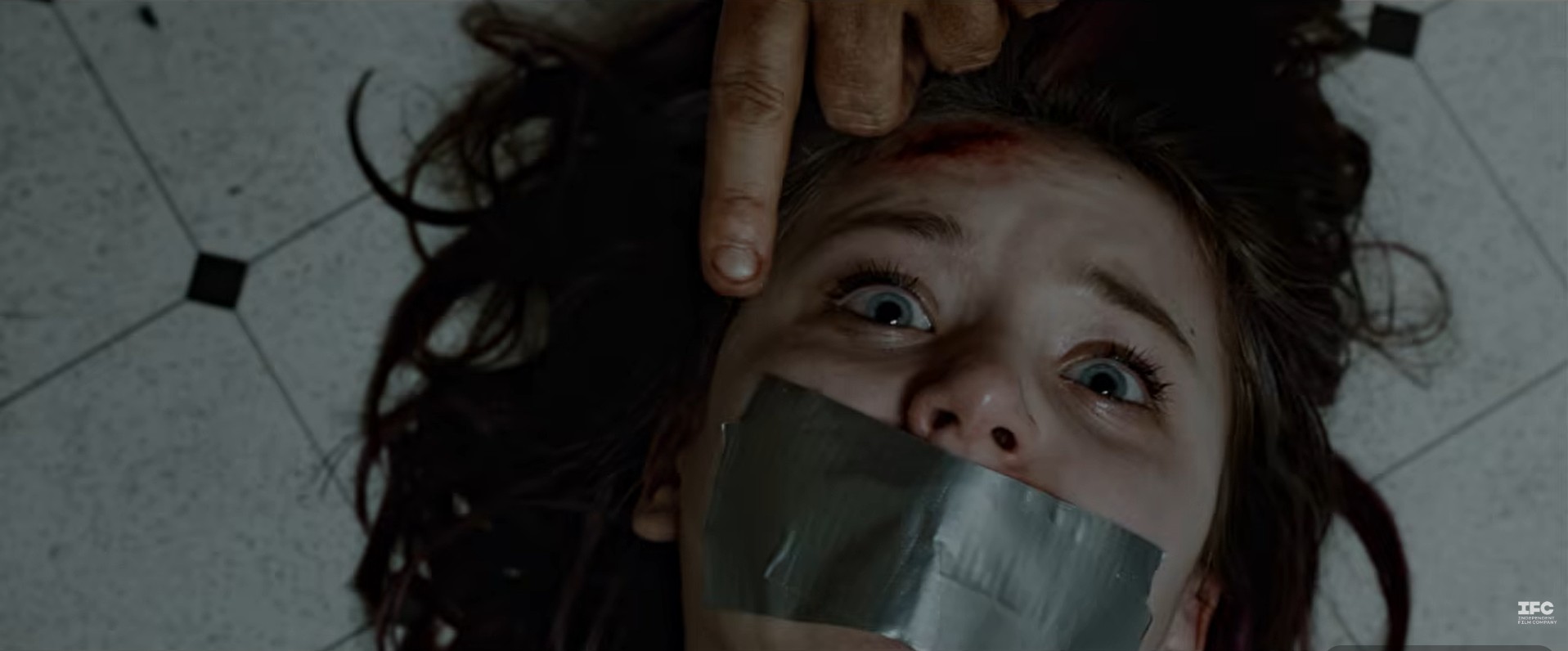
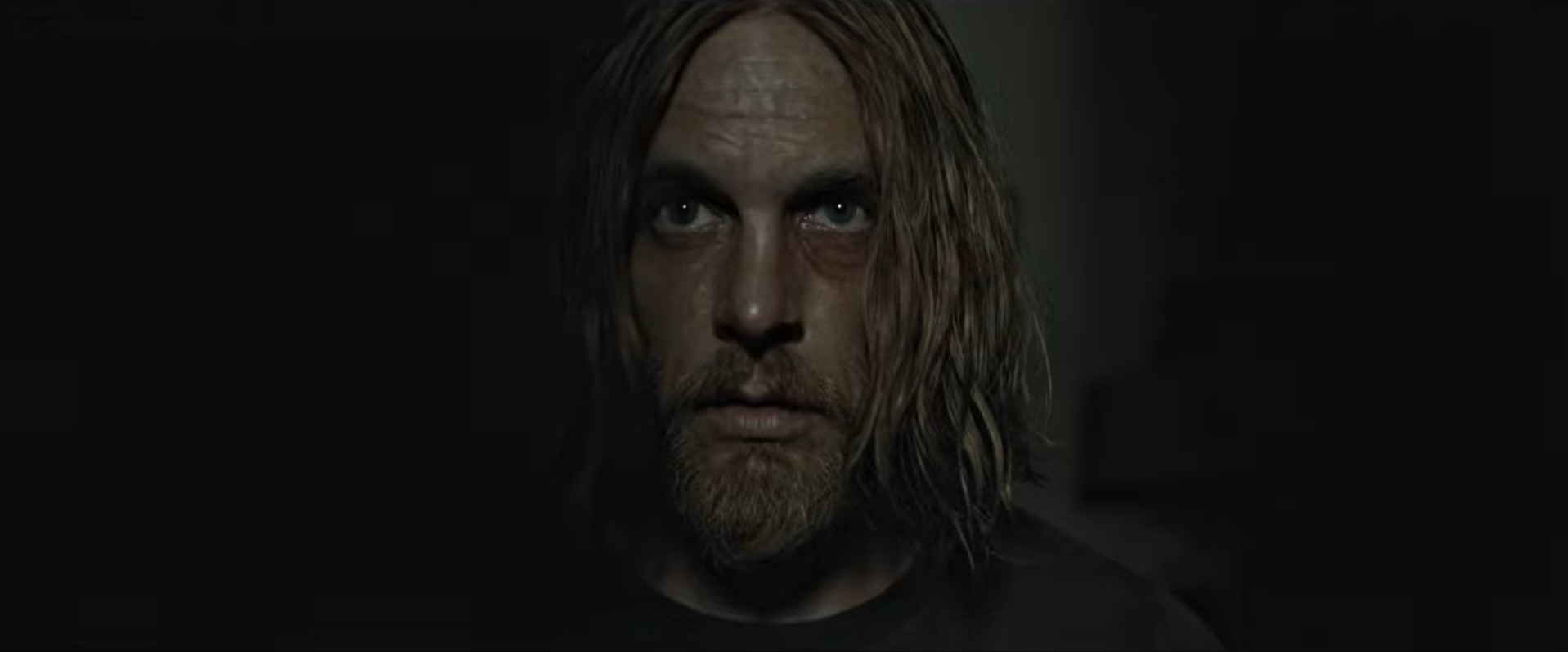
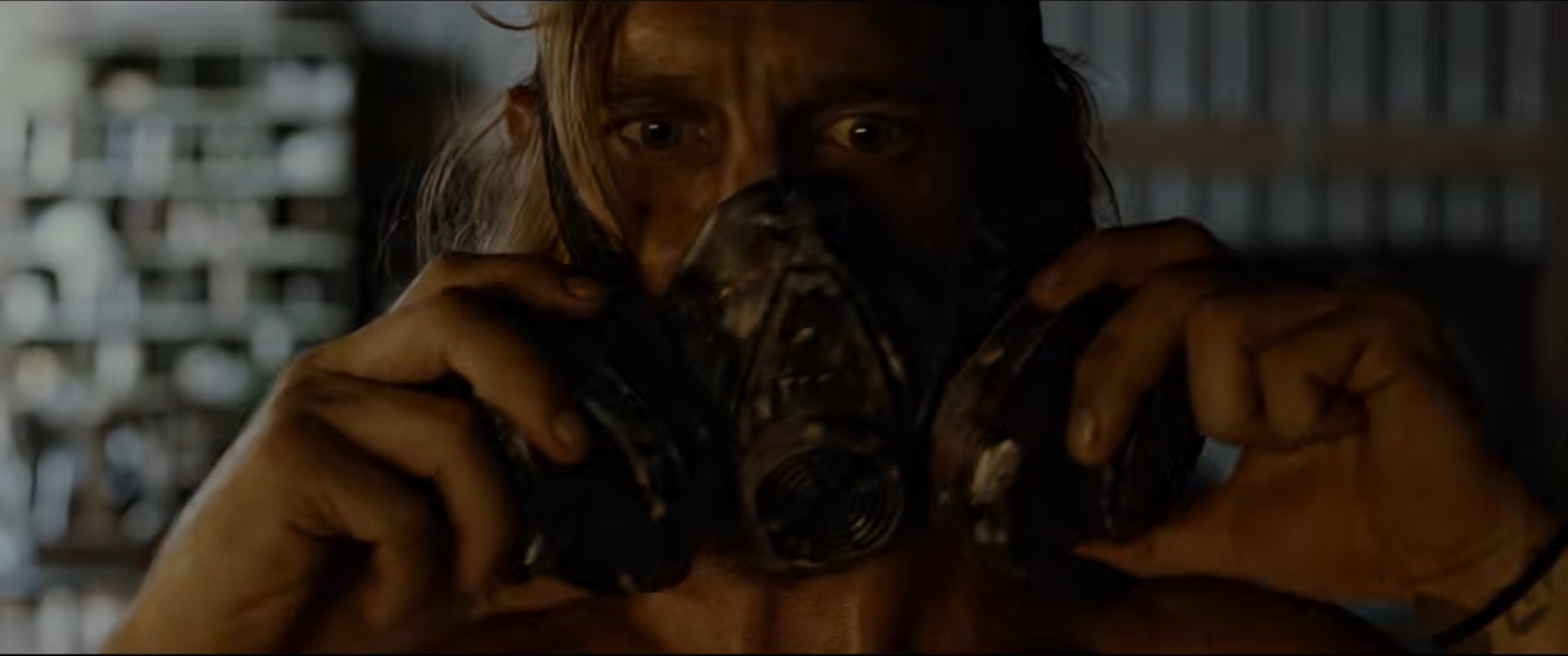
A new soda from the Octagon company is about to hit commercial retail shelves but before it does, voluntary testing is recorded for posterity with test subjects examined as they drink Diet Phantasma, a spirt-infused carbonate drink surely to die for.  In between the mopping up of test subjects, four more tales of terror penetrate the safety of the soul.  Two high school seniors go out trick-r-treating for one last mischievous hurrah only to find themselves trapped inside with Mommy, a matriarchal creature from the afterlife that kidnaps bad children on Halloween and makes them her own kids.  A night of revelry trespass onto the mansion grounds of a past gone necromancer who communicated with the dead and when the partygoers pickup the calls from the dead, a tremendous terror can’t go unanswered nor unseen.  Another group of adult trick-r-treater comes upon an unattended bowl full of obscure chocolates only to find themselves suck into the bowl itself and inside a desolate factory where the candymaker toys with his new fun size ingredients.  A media service aims to protect children with their videography services, especially from an unidentified abductor who mutilates and kills kids, but the service may be doing much more harm than good collecting children’s information as they walk through the store.  Lastly, a waning father-and-son bond over their makeshift Halloween maze turns into a nightmare when a record incantation brings to life each of the maze’s horrifying scenarios from ghosts to zombies, to child-eating witches.

For over a decade, the horror anthology series “V/H/S” has been terrifying audiences with short, original tales that break the scale of reality and enter a new dimension of horror that illuminated the careers of modern horror directors Ti West (“X”), Adam Wingard (“Godzilla vs Kong”), and David Bruckner (“Hellraiser” ’22), to name a select few.  The concept created by Bloody Disgusting’s founder Brad Miska in 2012 has one more installment with a new focus, Halloween.  All Hallow’s Eve already has a spooky air about it with a bit of treat to counteract its trick but in the 2025’s “V/H/S/Halloween,” there’s more sinister means than there are chocolates and sweets for new blood enters the series with filmmakers Bryan M. Ferguson writing-and-director “Diet Phantasma,” Anna Zlokovic writing-and-directing “Coochie Coochie Coo,” Paco Plaza directing and co-writing “Ut Supra Six Infra” with Alberto Marini, Casper Kelly writing-and-directing “Fun Size,” Alex Ross Perry writing-and-director “Kidprint,” and R.H. Norman helming a cowritten script of House Haunt” with Micheline Pitt-Norman.  Miska returns as producer alongside Michael Schreiber (“V/H/S/94,” “V/H/S/99”), Steven Schneider (“V/H/S/Beyond), Roy Lee (“V/H/S/Beyond),, James Harris (“V/H/S/85”), Josh Goldbloom (“V/H/S/94,” “V/H/S/99”), and Derek Dauchy (“Late Night with the Devil”) making his producing debut into the franchise.  “V/H/S/Halloween” is a coproduction of Shudder Films, Cinepocalypse Productions, Imagenation Abu Dhabi, and Spooky Pictures. 

In true “V/H/S” fashion, the anthological shorts include a cast few would be familiar with, fresh faces for the grinder as each short touches Halloween night in a different, diabolical way than what we’re use to seeing.  The wraparound story “Diet Phantasma” opens with the Octagon corporate COO Blaine Rothschild being escorted into the manufacturing and testing plant devising the experiment.  David Haydn takes charge of his COO character that flashes a false grin but conveys an authenticity directive while doing it that leads a number of testers to their carbonated demise, from a cast comprised of UK and American actors.  In “Coochie Coochie Coo,” mother knows best as minor hooligan high school friends Lacie (“Samantha Cochran) and Kaliegh (Natalia Montgomery Fernandez) embark on their last night of mischief before moving away to college and stumble upon a light-pulsating house where they discover milk-induced deform adults acting like babies and their six-breasted mother has more milk to give!  Cochran and Fernandez are in the shoes of characters you wouldn’t root for as they’re more rulebreakers than young women with healthy goals and desires as they smoke weed, steal candy from children, and overall take life for granted and the two actresses do criminal-type behavior with justice, pun intended.   Underneath Mommy’s unnatural milkers, talk stature, and evil grin, all underneath a white nightgown and bonnet, is Elena Musser’s phenomenally creepypasta take on fictional lore for the short.  The Spanish-language “ Ut Supra Sic Infra” opens with a back and forth between an interrogation of sole survivor Enric and his eye-removed, bone-crushed friends strewn about a medium’s sacred chamber where Enric, detectives, and his lawyer return to unearth what went down that night.  Spaniard Teo Planell runs polar opposite with his centralized character Enric who begins in fear and ends in wicked confidence as the re-enactment of events turns into a repeat of that fateful night.   One of the more unfavorable performance stories is “Fun Size,” a quirky, corporate consuming double entendre that teleports four friends into a human meat manufacturer that turns their smallest body parts into chocolate covered goodies.  Lawson Greyson (“Herman”), Jenna Hogan (“Surviving the Sleepover”), Riley Nottingham (“The Demoness”), and Jake Ellsworth’s (“Party of Darkness”) performances hit the nail of artificiality and not-so-fun sized corniness.  The cringe acting coupled with stilted dialogue will have audiences root for the antagonist, a candy-headed, crown-wearing, suit-sporting supernatural entity named Fun Size provided with his best “Terrifier” like playfully menacing movements by Michael J. Sielaff with “V/H/S/Halloween” not being his first rodeo with the series having played Pale Face & Babysitter in the “Stork” segment of “V/H/S/Beyond.”  “Kidprint” perhaps has the most disturbing and realistic tale of a child abductor and murderer with a storyline set in the late 80s-early 90s.  Stephen Gurewitz (“The Scary of Sixty-First”) plays Tim Kaplan, owner of Kaplan’s video services where parents can record VHS tapes containing their children’s appearance and information in case they go missing for XYZ reason, and the do-gooder shop owner becomes intertwined with the real killer, someone close to him, who has access to all the tapes and all the information needed to indulge his sociopathic whims, a role “Hostile’s” Carl Garrison was born to play.  Last short shows through home video the decaying stability of a son’s bond with his father over a shared interest in what is a natural progression of coming of age with the now teen boy who’s tired of being bullied by his peers for his dad’s obsession over a Halloween haunt maze he builds every year.  Jeff Harms and Noah Diamond are father-son Keith and Zack in the throes of phasing out their once beloved bond because of teenage angst and peer pressures.  That tension and rebinding of affection is interrupted by the sudden personification of their inanimate horror show that goes straight for the throat in a show of supernatural and classically-creaturfied blood shedding within a homemade maze, leaving teenage angst to be wiped up with a mop. 

Like most “V/H/S” installments, each entry has hits, and each has misses, and this first of its kind holiday-themed ‘V/H/S” anthology produces the same effect.  Spanning across decades from the 80’s to the 2000’s with a series no longer cornered by a particular era, each SOV production produces an original tale all of which grab a handful of disturbing and unsettling content, most with a gore edge.  “Coochie Coochie Coo” and “Fun Size” are two good examples with each carrying opposite elements that make horror horrifying.  Though both shorts are my personally my least favorite of the six, “Fun Size” offers that grossly disturbing factor that invades a person’s private parts for candy making satisfaction but the while the story is short and sweet, there’s nothing shuddering about it where as “Coochie Coochie Coo” trades the vulgar gore for another unsettling factor, pure creepiness that feels like one of those cheap survival horror PC games but can jump scare the hell out of you.  “Ut Supra Six Infra,” “Kidprint,” and “House Haunt” seize a more traditional inlaid suspense with a properly encased twist moment, quickly downgrading a tense by calm story evolution to spiral out of control with madness of monsters, maniacs, and mayhem violently gnashing what’s left of a good around the campfire spooky tale.  “Diet Phantasma” is also a neat premise with an evil spirit infused soda under a corporation eager for obedience and mind control, a metaphor for soda companies running the world as we see such situations in other countries where Coca-Cola is the leading provider of clean purchasable water.  Ferguson also treats fans with an homage to Tommy Lee Wallace’s “Halloween III” by riding a similar plot but with trick-or-treat masks that kill children to resurrect Gaelic, or Samhain, sacrifices.  The COO is also seen reading a Fangoria magazine with hee John Carpenter penned off-shoot sequel on the front cover, suggesting further the idolizing connection.

Acorn Media International distributes the Shudder production onto an AVC encoded, 1080p high-def resolution, BD50.  Like it’s predecessors, the imitated and authentic SOV shoots go through periods of interlaced distortions and static snow that simulate the signal interference, tape artefacts, and low quality, low-graded detail and saturation with some shorts elbowing their way into the cleaner digital camcorder era.  No issues with the true compression of the Blu-ray format; audiences will be pleased to see they will get exactly what the filmmakers’ intended, a harried shaky cam first person view that has it’s monsters looking right back at you under a veil of vagueness and to be a hostage to the purposed angles that translate immense fear just out of frame, presented in a widescreen 1.78:1 aspect ratio rather than the organic 4:3 framing for the stories from the 80s to mid-90s with videotape.  The English and Spanish language DTS-HD 5.1 Master Audio has no issue delivering a vigorous and balanced mixed layers of sound depth based on design short that may contain areas of static, a weaker strength, and certainly a lot of screaming that reaches the mics physical limits to capture and reproduce the sound.  Dialogue is clear and prominent but, like I said, lots of screaming and wailing when events turn southward that it doesn’t matter often what is being said when it all just comes out of as chaotic cacophony.  I will say that “V/H/S/Halloween” is one of the better sound designed productions with more attention to the individual layering.  English subtitles are optionally available as well as French.  Special features include a director’s commentary for each short, a behind-the-scenes featurette for “Diet Phantasma” and “Coochie Coochie Coo” that’s is a swing between mostly raw footage during in between shots and some during shots with commentary here and there, a deleted scene from “Kidprint,” “Diet Phantasma” uninterrupted without the cut-to other shorts, “Diet Phantasma” faux commercial, and a gallery for the Ferguson short.  The physical appearances have the traditional “V/H/S” themed skull front and center on its one-sided sleeve art, sheathed inside the plastic of a Blu-ray Amaray.  There are no other tangible accompaniments.  The UK certified 18 film is region B locked and has a runtime of approx. 115 minutes. 

Last Rites: “V/H/S/Halloween” has original spooky tales centered around the holiday but as a collection, this anthology is a mixed bag of often great knee-buckling terror with considerable absurd tailspin that tries too hard to be scary out of the most unalloyed.

Spend Halloween With What Scares You on Blu-ray!