A Father and an Assassin Fight Against EVIL Corruption! “On the Run” reviewed! (88 Films / Blu-ray)

“On the Run” Now Available from 88 Films!

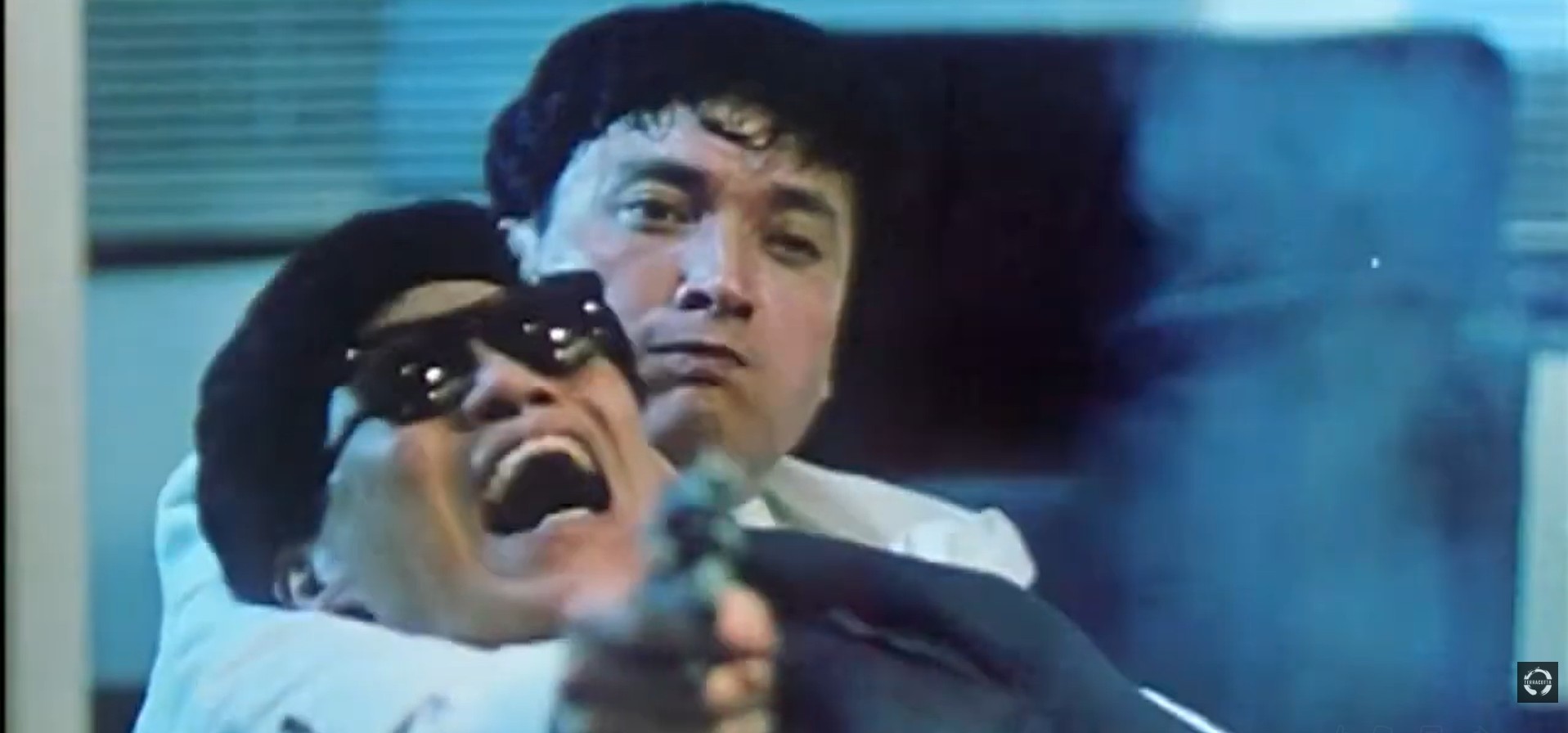
CID special operations police officer Hsiang Ming is going through a separation with his wife, who also works for the CID in the narcotics division.  As the two attempt to work out an amiable agreement with their young daughter before she moves to the U.S., his wife is brutally slain by a female assassin, a hired gun employed by corrupt cops involved in a large drug smuggling operation.  One of those cops is her new boyfriend, a high ranking CID officer.  Accused of murder, Ming is on the run with his youngest daughter and even tracks down his wife’s murderer, Miss Pai.  Extenuating circumstances leaves Ming at the mercy of Pai who didn’t know her target was a cop and has immense sympathy for Ming and his daughter, a problem she’s directly responsible for.  Outnumbered, outgunned, and friends quickly diminishing. Ming has no other option but to accept the deadeye Pai’s help and the two quickly form a bond that goes beyond just surviving insidious corruption.
In 1988, Bo Ho Film Company and Golden Harvest Productions released the Alfred Cheung-directed, Hong Kong heroic bloodshed flick “On The Run,” penned by Cheung alongside cowriter Keith Wong (“Her Fatal Ways” trilogy). “Mong ming yuen yeung,” aka “Fleeing Couple,” is the literal title which also included another alternate title, “Hong Kong Connection – On The Run,” in more broad English titles.  The fast-paced, action-packed fight or flight thriller told a narrative of ingrained corruption within the ranks of the law, bonded unlikely heroes with conflicting professionals and a sore point connection, and really pushed the exodus, or export, of emigration at the time because of the seedlings of British rule coming to an end with a handover of Hong Kong back to the Republic of China, an act that eventually took a decade to complete.  Anhtony Chan, Leonard Ho, and Sammo Kam-Bo Hung produced the film with Paragon Films and Mobile Film Production as associated studios.
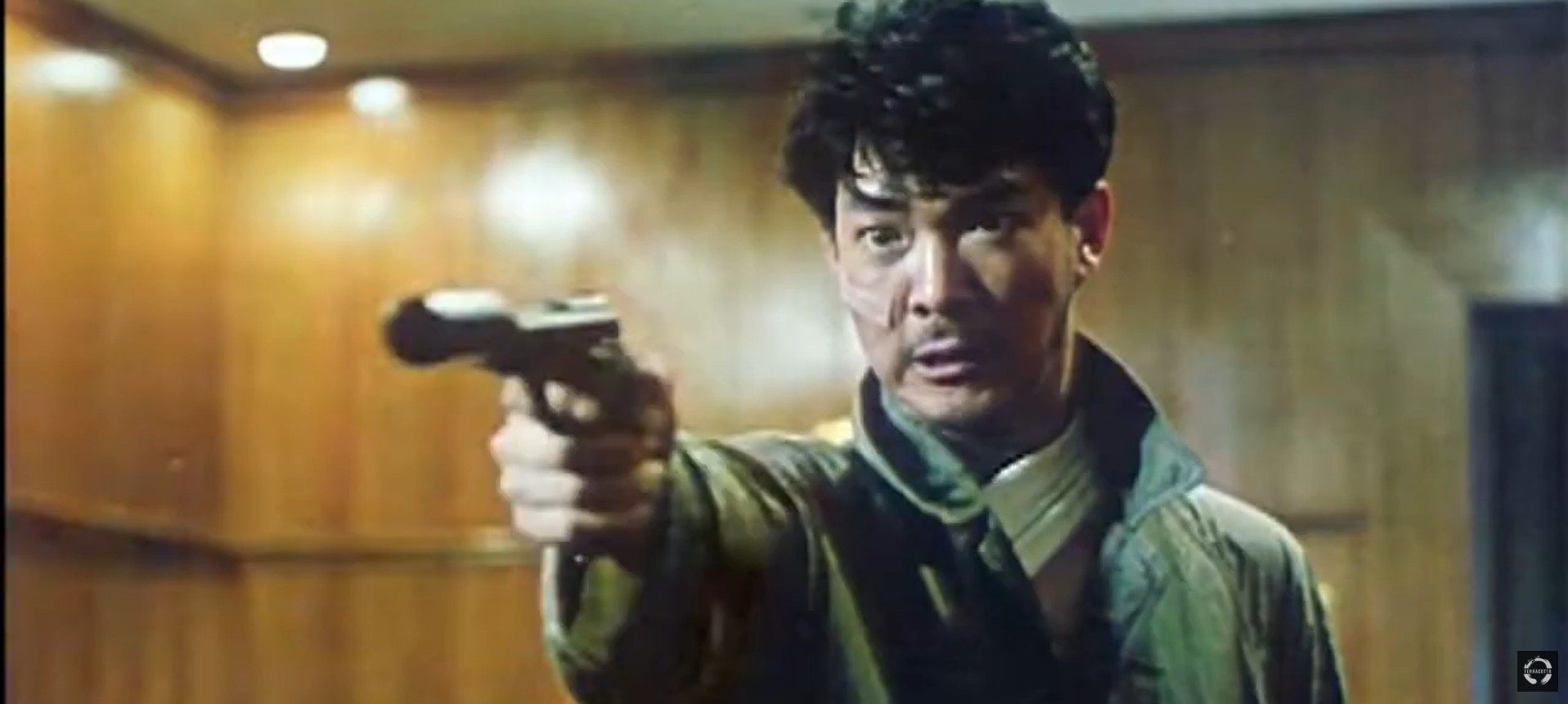
“Picture of a Hymph” and “The Peacock King” martial arts action star Biao Yuen is a sorely underrated action star from the 1980s, overshadowed greatly by the versatile Jackie Chan and the quickly rising through the heroic bloodshed ranks Chow Yun-Fat.  Though immensely popular in Hong Kong for his contribution to the acrobatic style of fighting and palpable stunt work, Yuen should be a household name in the States with select films that carried over.  The only problem was Yuen was never really a part of those niche works unlike the aforementioned stars and amongst others, but Yuen never stopped working, starring in a co-principal production as Hsiang Ming, a CID officer whose special operations department is being phased out, mirror his own life as he is being phased out amicably by his emigrating wife (Idy Chan, “The Siamese Twins”) and child (Chan Cheuk-yan, “Bless This House”).  As Ming, going through a separation is already difficult enough and Yuen’s able to show the meek and reserved desperation that initially stunts him as a husband but breaks through that limitation when she’s shot in the head and he must step up to be the protective father for his young daughter.  The father -daughter aspect is a narrative opposite that strays from the typical damsel in distress device.  Instead, Patrica Ha (“Flaming Brothers”) embodies the strong protector as the assassin Miss Pa.  Quiet natured and a crack shot, we’re introduced to Ha’s unique solitude of naked contemplation and, later, her retro appearance of a woman plucked from the 1960s with the flick up hairstyle.  Ha’s portray adds a lot to Pai’s mysterious past and her cold nature but her character’s arc travels across a sympathetic bridge when Miss Pai’s target ends up being an law officer with a cute family being hunted by money greedy and morally corrupted officials in Lu played by Charlin Chin (“The Imp”) and his entourage of varied goonies (Lo Lieh, “The Untold Story III”) – Wah Yuen, “Mr. Vampire” and Phillip Ko, “Cannibal Curse”) who are so individualized they are worth more than just the general and broad charactered henchmen that tend to be forgettable.  Bowie Lam, Kam Kong Chow, Peter Pau, Lap Sal Lam, Yung Kwan, Cheuk Yan Chan, Shek-Yin Yau, Kwai-Bo Chun and Heung-Kam Lee costar. 

Cheung’s “On the Run” is not only fast-paced, hard-boiled, and well-executed, the story is also dark and unforgiving.  No one is safe from the ingrained corruption even when lives are already upended through a natural course of hardships between sentient people making conscious choices that best suites them, such as Ming and his wife’s separation involving a small child.  Good guys are bad, bad guys are good, “On the Run” doesn’t define and cement the roles of the players as cops turn out to be corrupted drug smugglers and ruthless killers and an assassin for hire becomes a life savior for a father and his daughter with immense sympathy.  Each one of them are looking to escape one way or another:  Ming’s wife wants to move to America, Miss Pai wants to go back to Thailand, Lu’s looking to get away with murder and money, and Ming is open to explore the possibility of either moving to American before all the chaos ensued or flee to Thailand with his wife’s assassin in attempt to not only be out of the reach of Lu and his men as a witness to their treachery and victimizing transgressions but also to escape from his accusations of murder as well as be with his new found affection for his wife’s killer.  This speaks to the current Hong Kong climate of the looming power change and the state of affairs that drive denizens to abscond an unwanted change in rule with Lu and his men likely representing Chinese corruption of a communism power.  The film’s neo-noir veneer capitalizes suspense and danger around every corner and the level of trust certainly wavers in a directional wind that gives a scent of deceit.  “On the Run” is not gun-fu nor is it straight up martial arts; instead, the conflict basis is strictly melee and projectile based without the heavily influenced martial arts action of Hong Kong historical cinema, grounding “On the Run” with more realism in it’s darkest, grittiest narrative that makes the Andrew Cheung thriller more intense.   
88 Films releases “On the Run” onto a new Blu-ray home video that’s AVC encoded with Full HD 1080p high-definition resolution on a BD50 capacity disc.  The new 2K transfer from the original film elements has no qualms about it with a clean picture quality underneath it’s naturally healthy grain and diffused color palate that’s designs around shadows, neon lighting, and low-key lighting.  The negative spaces are often pleasantly inky without any decoding blotches or issues to divide into a couple of shades of black.  Skin and fabric textures are nicely highlighted with full perspective of the grime that builds up on the characters put through the violent wringer.  Patrica Ha is stunning with her character’s introductory getup much to the thanks of the transfer’s refined detail from her retro hairdo to the equally attributed outfit ensemble that’s plain, but she wears plain in a cool, sexy fashion.  The film is presented in a widescreen 1.85:1 aspect ratio.  The uncompressed Cantonese LPCM mono track funnels right, left, and center audio through a singular speaker so there’s an unfortunate lack of spatial direction, but this cleanly presented ADR track still offers strong, robust audio in its action and in its unobstructed dialogue albeit some low buzzing interference from the studio recording.  This strength of quality also extends to the action that has powerful measure despite being held in a crowded, single audio design.  The new remastered, optional English subtitles are of the UK lexicon with 88 Films being a UK label.  Special features include an audio commentary by Kenneth Brorsson and Phil Gillion from their Podcast on Fire Network, a second audio commentary with Asian cinema expert Frank Djeng and F.J. DeSanto, an interview with director Alfred Cheung Running Away, an interview with David West Predicting the Future, an alternate ending that cuts shaves off scenes on the tail end, and the Hong Kong trailer of the feature.  Graphic artist Sean Langmore continues to supply 88 Films with tremendously detailed slipcover and primary sleeve art compositions of characters and memorable moments meshed into a single image.  The reversible sleeve inside the green Blu-ray Amaray case houses the original Hong Kong poster art, which is more simplistic and not as busy as Langmore’s.  The region A/B encoded Blu-ray is not rated and has a runtime of 89 minutes.

Last Rites: Hong Kong heroic bloodshed and noir is defined by many filmic entries but “On the Run” has paradoxical attractiveness about it that separates it from the rest as it treads a gloomy disposition and an expat dream.
“On the Run” Now Available from 88 Films!

Earth’s Greatest Threat of Destruction is an EVIL Extraterrestrial Slug! “Slither” reviewed! (Visions Home Video / 2-Disc Steelbook 4K UHD and Blu-ray)

“Slither” Steelbook Can Be Yours! Buy it Here Today!

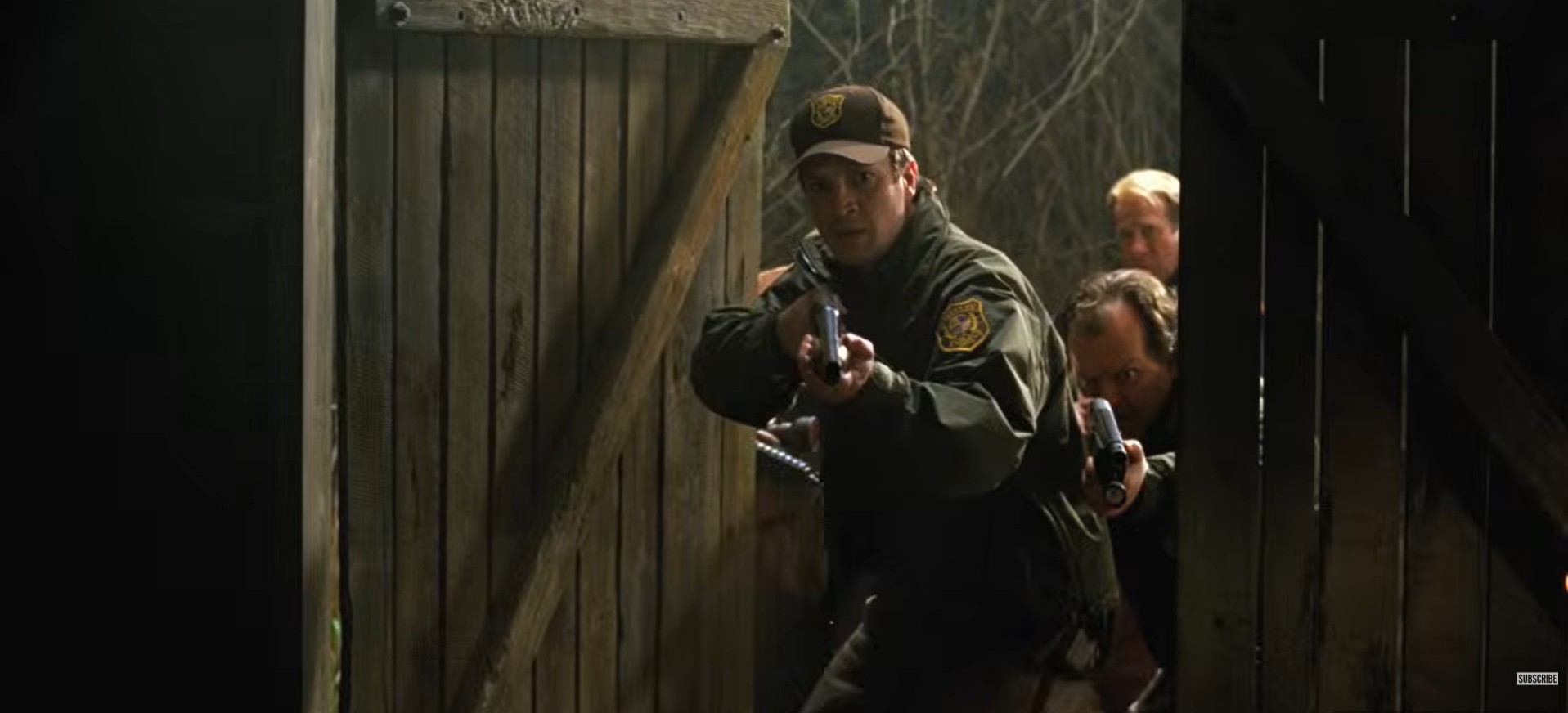
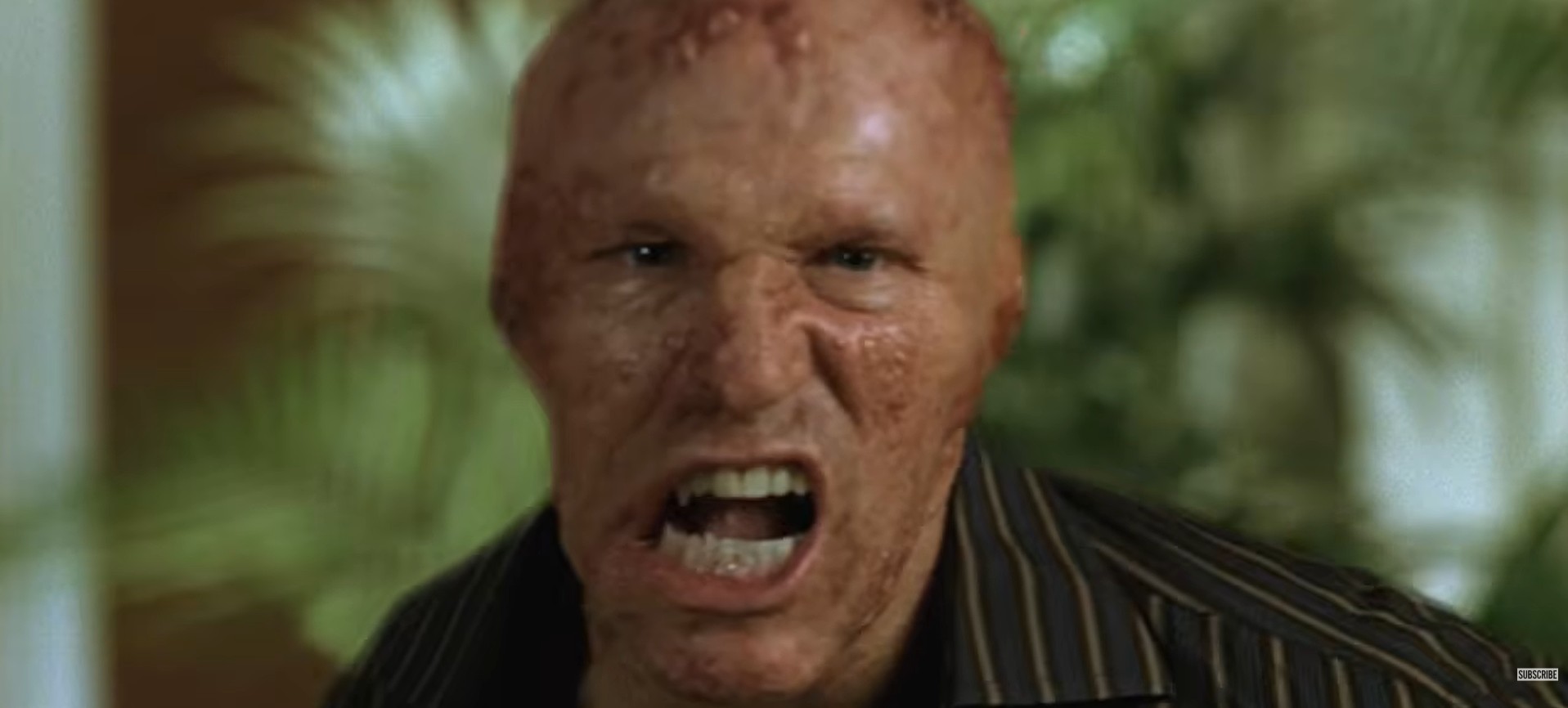
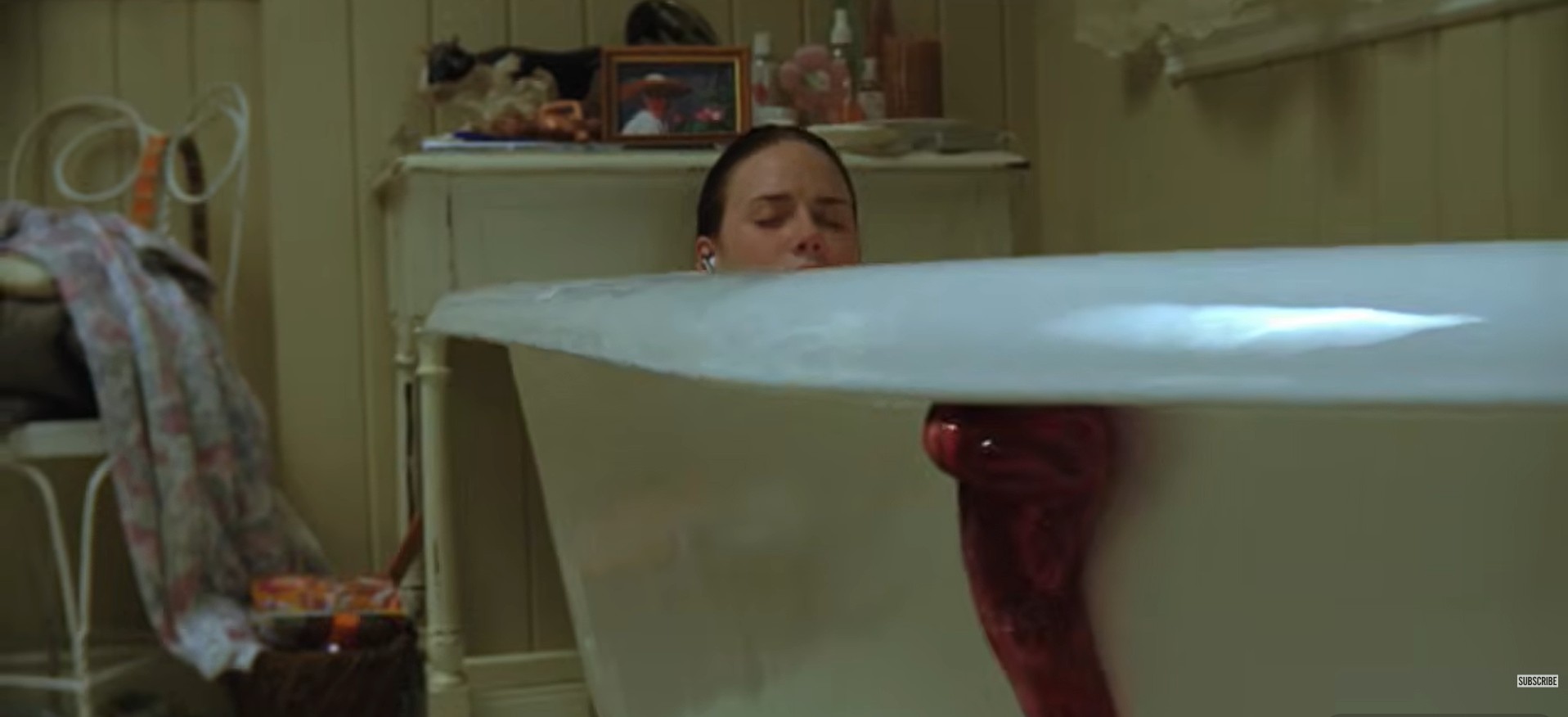
Wheelsy, South Carolina is a small town where the biggest event of the year is the countdown to deer hunting season.  On the eve to the start of the great hunt, an aggressive, parasitic alien entrenches itself inside a human host.  It impregnates a young woman to gestate thousands of its spawn, slug-like creatures that form telepathic link to the host and undertake its bidding.  Newly appointed Sheriff Bill Pardy, alongside his deputies, the eccentric town mayor, and longtime high school crush, Starla Grant, who’s husband was first infected by the invading extraterrestrial creature, must fight through the zombified hordes of alien controlled friends and neighbors townsfolk to stop the source from spreading and taking over the world but with their force numbers dwindling and the alien growing bigger and uglier by the second, Pardy must himself avoid being a host to the meat-hungry creature that has come to plague his small town community.

James Gunn, who has taken the MCU and DCU by storm with his creative involvement directing all of the “Guardians of the Galaxy” films, and upending the David Ayer and Zack Synder-universes with his divergent take on “Suicide Squad, and “Superman,” while also producing the just released “Supergirl,” use to bask in horror with “Slither,” a creature feature that captured the appreciation of 80’s monster movies and body horror with a zombie chaser and plenty of practical, tangible effects.  Gunn wrote and directed the now 20-year-old, 2006 movie filmed in a collective of portions of British Columbia, Canada doubling as a backwater town in South Carolina.  Brightlight pictures and Strike Entertainment produce the Gold Circle films presented movie with Paul Brooks (“White Noise,” “The Fourth Kind”), Eric Newman (“Dawn of the Dead” ’04, “The Thing” ’11), and Jeff Levine (“Shadow of the Vampire,” “ATM”) serving as producers. 

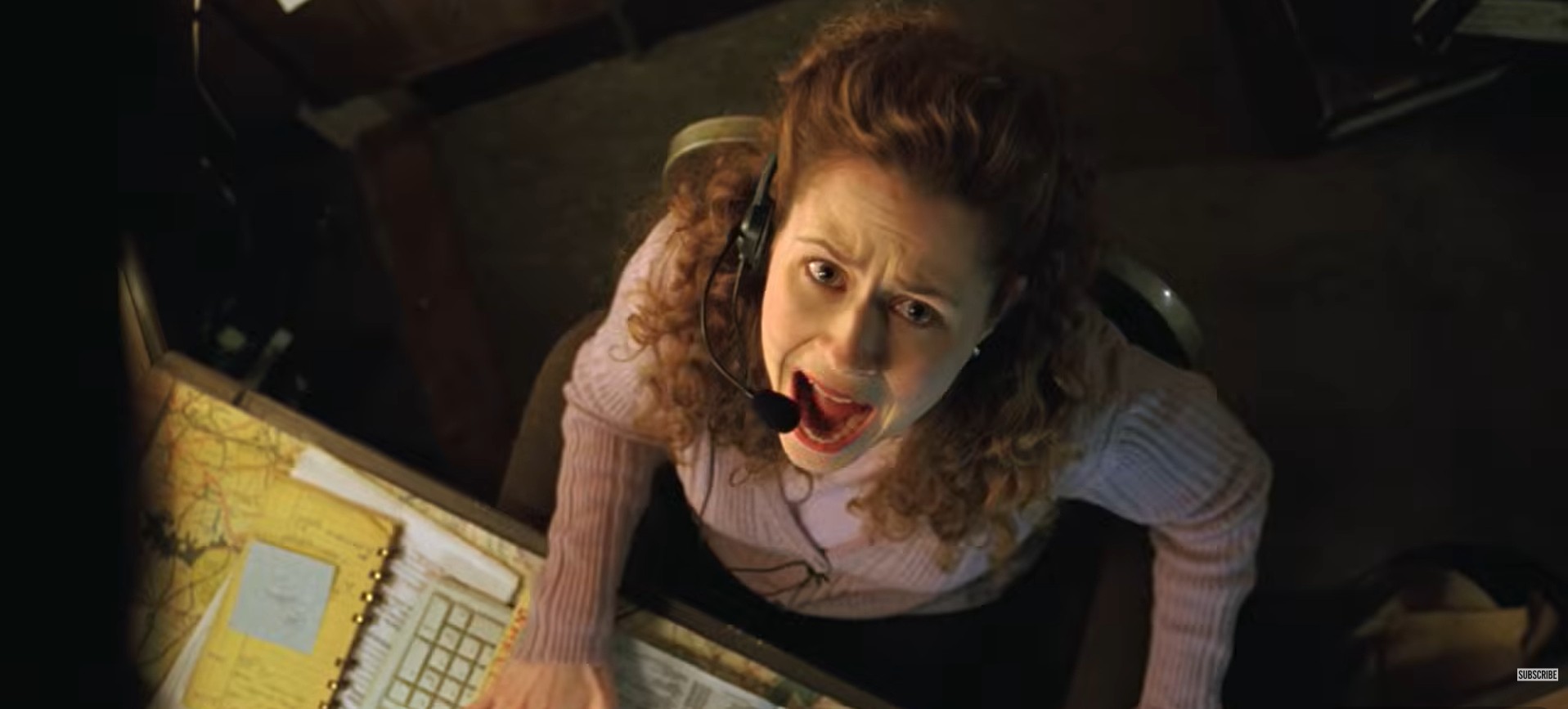
An established cast of talent comprises “Slither’s” eclectic character pool of townies being invaded by an outer space slug with a bad attitude.  “Firefly’s” Nathan Fillion is in the newly appointed Sheriff Bill Pardy and Fillion adds his usual spaceship captain comedic charm and swagger in the more grounded role as he stumbles into a world of slithering extraterrestrials that infest, digest, and gestate inside organic organisms.    Fillion’s hung up projection is for Elizabeth Banks’s Starla Grant, perhaps the most beautiful, and nicest, woman in all of Wheelsy, South Carolina,  The “Uninvited” actress adds pleasantries that are a compliment to Starla Grant but also a detriment as she’s unable to express how she really feels about her much older, well-off husband Grant Grant, played by “Henry:  Portrait of a Serial Killer” Michael Rooker.  Effectively, a love triangle ensues between the three with themes of true happiness, dissolution of a marriage, saving a marriage, love, and heartache coming into play amongst a body transformative horror that exceeds our solar system.  Rooker’s the rich Wheelsy resident who’s very protective of his trophy wife and is starting to feel the pangs of his wife pulling away from his advances but still loves her.  The fourth principal character in this quartet “The Darkling’” Tania Saulnier in what is essentially her debut protagonist role as a teen touched by the shared collective of the slugs and with her insight, provides pivotal information for the survivals to work against.  Each play their respective roles to perfection inside the chaos and mayhem of a more dominant species quickly spreading, even Gregg Henry (“Bodily Harm”) and his jaggedly crude role of town mayor fields a certain level of entertaining value to the frantic fray to keep “Slither” a light-hearted Hard-R creature feature.  The remaining cast includes Brenda Gutierrez (“Stone Cold”), Haig Sutherland (“Halloween:  Resurrection”), Jenna Fisher (“The Office”), and Don Thompson (“Horns”).

“Slither” is one of those seminal movies of the creature feature that could, or more accurately did, being a small fry horror movie that made a positive profit financially and amongst the audiences.  Of course, James Gunn found influence in his favorite horror works and borrowed, to an extent, key elements to spin his own craft that works to stand on its own two feet told mostly by its fine performances of the cast.  The down-to-Earth sci-fi action and gore is palpable and designed well in its composition of practical and computer-generated effects, especially for a mid-2000’s horror.  Gunn’s knack for black comedy works to the advantage of his brand of small-town satire and eccentric characters who can range from being charismatic and likeable to crude and inimitable.  Seeing the influences from John Carpenter’s “The Thing,” George Romero’s “Night of the Living Dead,” and Irvin S. Yeaworth Jr. and Russell S. Doughten Jr.’s “The Blob,” or maybe more so closer to  Chuck Russell’s 1988 remake of “The Blob,” won’t create a rift between the film and audiences as there’s too much to like and laugh about “Slither’s” slimy infiltration and invasion concept without it feeling hackneyed and reaching to strive to be something it’s not in its hark of a classic creature feature and science fiction monster movie.

The first time transferred in 4K, Visions Home Video, a subsidiary label of Vertigo Entertainment, releases “Slither” onto a new 2-disc, steelbook 4K UHD and Blu-ray set.  Disc specs include a 4K UHD HVEC encoded with 2160p resolution on a BD100 and a Hi-Def Blu-ray that’s AVC encoded with 1080p resolution on a BD50, and both films are presented in a widescreen 1.85:1 aspect ratio.  Image quality has been greatly found immersion with an image that pops off of the screen in the 4K option with the additional pixel count.  The Blu-ray holds its own and is also a fine presentation but in UHD, we’re treated to a little extra texture and a little extra clarity from the DolbyVision that can’t be achieved on the standard Blu-ray, especially around night sequences which most of the chaos and action takes place.  This is not to say the Blu-ray is unclear or obstructed as too has plenty of clarity and detail but what it doesn’t have is that deep sensory engagement of picture.  Coloring and grading are equal on both presentations that involve a more organic approach during the date and a bluish grading during night sequences to work in against the lighting.  No issues with the original 35mm elements as it’s kept clean and persevered well last 20 years, contributing to the natural resolution enhancement of the 4K transfer while also maintaining a healty but subtle grain.  The lossless English DTS-HD 5.1 Master Audio has no suppressive issues with fidelity and is just as immersive as the picture quality with distinctive directionals of the back and side channels and a balanced output of stereo, LFE, and central action.  Dialogue has no issues with clarity and is prominent above the audio layering.  The effects, such as slithering slugs sounds and gunfire, offer a good amount of bang for the cinematic budget and the overall main creature sound production eclectically engineered to be funny, in its whipping tentacles with that distinctive whip crack, as it’s scary and gross with its guttural growls and slimy trails.  English SDH subtitles are available for selection.  There’s also an uncompressed Stereo 2.0 audio format available.  Special features include an audio commentary with writer/director James Gunn and actors Nathan Fillion and Michael Rooker, featurettes The Sick Minds and Slimy Days of Slither and Bringing Slither’s Creatures to Life, Gunn discussions The Genesis of Slither in an interview with the writer/director, an interview with director of photography Gregory Middleton We’ve Got Worms, an interview with editor John Axelrad Feed the Fear, an interview with special make-up effects designer Todd Masters Just a Bee Sting, an interview with composer Tyler Bates What’s Gotten Into You, a location and set tour with actor Nathan Fillion, deleted and extended scenes, a blooper reel, and trailers for film.  The Visions Home Video set case comes in a steelbook with metallic luster and an exclusive, and uncredited from what I can tell, illustrated artwork of survivors in the throes of tentacle mayhem.  The backside also includes additional artwork that has the semblance of a veiny, Resident Evil-like giant eyeball.  Both sides are primarily colored in reddish orange with blue slithering in on the front cover.  Inserted inside is a dual-sided mini folded poster with the same front cover artwork plus alternative compositional artwork on the opposite side on its rigid heavyweight construction paperwork.  The 4K UHD is region free while the Blu-ray is region locked B as it’s a UK release.  The 95-minute film is certified 15 for strong gory violence and language.

Last Rites: An early 2000s oldie but a goodie, “Slither” gives a glimpse of James Gunn’s caliber of losers become winners and to not hold back much of the violence, gore, and rough dispositions of uncouth, unsavory, and unsophisticated characters. This new 4K UHD and Blu-ray release from Visions Home Video re-invades “Slither” into our lives, taking over our brains, and becoming part of our physical media collective.

“Slither” Steelbook Can Be Yours! Buy it Here Today!

One EVIL AI Knows Our Ultimate Fears, We’re all Doomed! “Jitters” reviewed! (Reel2Reel Films / Blu-ray)

After being suspended for roughing a fellow detective, Collymore returns to the middle of a nightmarish case of people killing themselves within the throes of their worst fears.  Struggling through a terminal health issue and sharing his young daughter in shared custody, Collymore focuses his efforts on the case with evidence pointing directly toward a new immersive video game called Jitters that uses brain scans and artificial intelligence to infiltrate the network of the human brain.  A maniacal clown with a twisted sense of humor and electrifying headgear presents players with a riddle and if they can solve it, players will be free from his delusion-creating hold that’ll eventually send a person gravely mad to death with fear.  Collymore plays the game to try and stop Jitters from spreading across the city, protecting his daughter from being exposed, but he must investigate through a team of infected developers puzzled by their tailored riddle before they meet their fate. 

Clowns are not a new trope to horror – “Killer Klowns from Outer Space,” “Funhouse,” and we can even through in the infamous, now-mostly banned “Clownhouse” – but in the past five years there has been a reemergence of the killer clown, thanks to one Art the Clown of the “Terrified” films who put the funny bone back into the assortment of removed human bones with a bone saw.  “The Jester,” “Clown in a Cornfield,” and “Helloween” use the bright blue, red, white face paint to mask their malevolent Jokesters outside the circus tent and into our safe space to crank up the coulrophobia in “Terrifier’s” wake, and perhaps with a little help from Pennywise in the “IT” remakes.  “Jitters” is the next clownsploitation feature with a sophomore screenplay by George Wilcox (“Homeless Ashes”) and directed by Marc Zammit (“Witch”).  The 2016, United Kingdom film is an Aptitude Films production and crowdfunded by Indiegogo patrons with nearly £13,000.

In the role of a Jitters, the clown face riddler with ostentatious electro-lit up headgear, is Daniel Jordan (“Witch,” “Embryonic”) harnessing his best virtual AI assistant from Hell, infiltrating every software system to organic system with mischievous jester poise with wicked wordplay.  Jordan can be jaunty enough to make the clownish killer be mad with a “Virtuosity” spread of fear through the global cyberspace network but there’s room for terror toying improvement as the fear doesn’t carry over much to the audience.  Opposite Jordan is Fabrizio Santino (“Are We Dead Yet,” “Witch”) as the black sheep detective Collymore hot on his first case back with the investigation of a girl scared to death while playing a computer game.  Santino’s low gruff and breathy tone naturally gives me the leg up on Collymore’s terminal ailment that has the detective coughing up blood in private.  Yet, that illness never has a purpose to the story other than to garner sympathy from ex-wife Julia (Lauren Budd, “Cinderella’s Curse”).  As Jitters rival, or as another play in the Jitters deadly game, Collymore’s determination to beat the AI clown levels the playing field but the detective is hardly challenged by Jitter’s strong and influential manipulating powers others succumb so easily to in their own version of fear-induced hell.  “Jitters” supporting cast rounds out with Boo Miller (“Afraid of the Dark”), Guillaume Rivaud (“Big Bad CGI Monsters”), Jessica Impiazzi (“The Tombs”), Russell Shaw (“The Lockdown Hauntings”), Richard Wisker and introducing Chloe Hews.  There’s also Anto Sharp (“Witch”) who I follow as a comedic content creator and who did a phenomenal job as Collymore’s partner as I did not realize it was content creator Sharp, suggesting good acting to step into a less funny role. 

“Jitters” is not a direct riff on the “Terrifier” series or any other notable previous killer clown movie but adding a clown mascot to a not-so-carnivalesque AI program can seem like a bandwagon move to cash-in on clownsploitation craze that’s currently happening.  However, with the “Brainscan” edge to the story, the clown getup has unnecessary written all over it.  What Jitters does very well is the themes it tackles, such as video game brain rot, an artificial intelligence takeover, and facing one’s fears no matter how overwhelming they can be.  Jitters, the clown, toys with players’ intrinsic fears that can affect so much on a granular level that they don’t even know exactly what they’re afraid of and that gives the narrative more suspense when time ticks away toward an inexplicable runout threshold and the clown brings an end to the game in stylish fashion involving their fear.  There’re some on-screen gory bits but “Jitters,” overall, is tame on the blood and violence that leaves a few moments to the imagination but leaves just enough to sate the primal, gut-level reaction.  While the story adds a layer of hypothetical futuristic technology that doesn’t quite make sense when you think about it but glad to indulge for the sake of movie progression, I found more distracting detective Collymore’s life complexity to be a softball toss up that never challenges his being or puts his back against the wall.  Collymore evokes workplace violence against an unscrupulous, yet lawfully acquitted, officer that goes without receiving himself a severe managerial punishment for socking him in the office other than some unpaid leave, Collymore also has terminal cancer that’s a narrative non-key element that spurs no action and no conflict.  Lastly, ex-wife Julia gives him too little pushback on their former marriage and how he raises their daughter when she’s with him, and there’s an almost near reconnection between them that’s hastened toward dye to the lack of contention in what’s mostly amiable co-parenting.  Julie and their daughter Chloe never face true peril and have become also naïve or ignorant to Collymore’s pursuit of ridden the world of “Jitters” and that seems task is too big to let potential collateral damage be ignored. 

101Films and Reel2Reel’s AI-gone-bad and videogame rot thriller “Jitters” arrives onto Blu-ray home video with an AVC encoded 1080p Hi-Def resolution, BD25.  Presented in a widescreen.  Presented in a 2.40:1 widescreen aspect ratio, “Jitters” has compressed cinematic coveralls that’s noir polished with a darker grading of blues, greens, and browns.  The digital image delineates details more than fine within the Blu-ray codec with no compression issues to note.  Textures and fabrics are tangibly perceived; there’s great detail on Jitter’s electric headgear that has a heavier appearance than it probably is in reality, and this is a testament to the fabricated work of the production and art design crew.  Surprisingly, the 2026 release only has an encoded uncompressed PCM 2.0 Stereo track and not surround sound.  The omnipresent AI infiltrator of hardware and organic hookup gives “Jitters” ample range and breadth of depth but instead of a multi-channel 5.1 or 7.1 surround sound, the release is limited to a dual output between the audio of dialogue and everything else.  Usually, stereo formats are adequate, but “Jitters” requires the extra legroom as the boisterous soundtrack does insidiously creep onto the other audio layers, diluting the dialogue strength to an elucidating mumble and barely perceivable.  English subtitles are available for selection.  “Jitters” is a feature only release with only the trailer as a title menu option.  The 101 Films and Reel2Reel Blu-ray is housed in a clear Scanova case with a one-sided sleeve that’s detailed and contrast heavy of the titular villain.  The 94-minute film is region encoded B as it’s a UK release with UK certified 15 for strong horror, gore, violence, suicide, self-harm and language.

Last Rites: “Jitters” pulls off being an AI-inspired horror in another round-about of us set on destroying ourselves with our own creation but the added clown element can’t help but think the killer clown craze has struck again, this time negatively.

What’s Fashion Without a Little EVIL Behavior? “Helter Skelter” reviewed! (Radiance Films / Limited Edition Blu-ray)

Beauty is Pain. “Helter Skelter” from 88 Films!

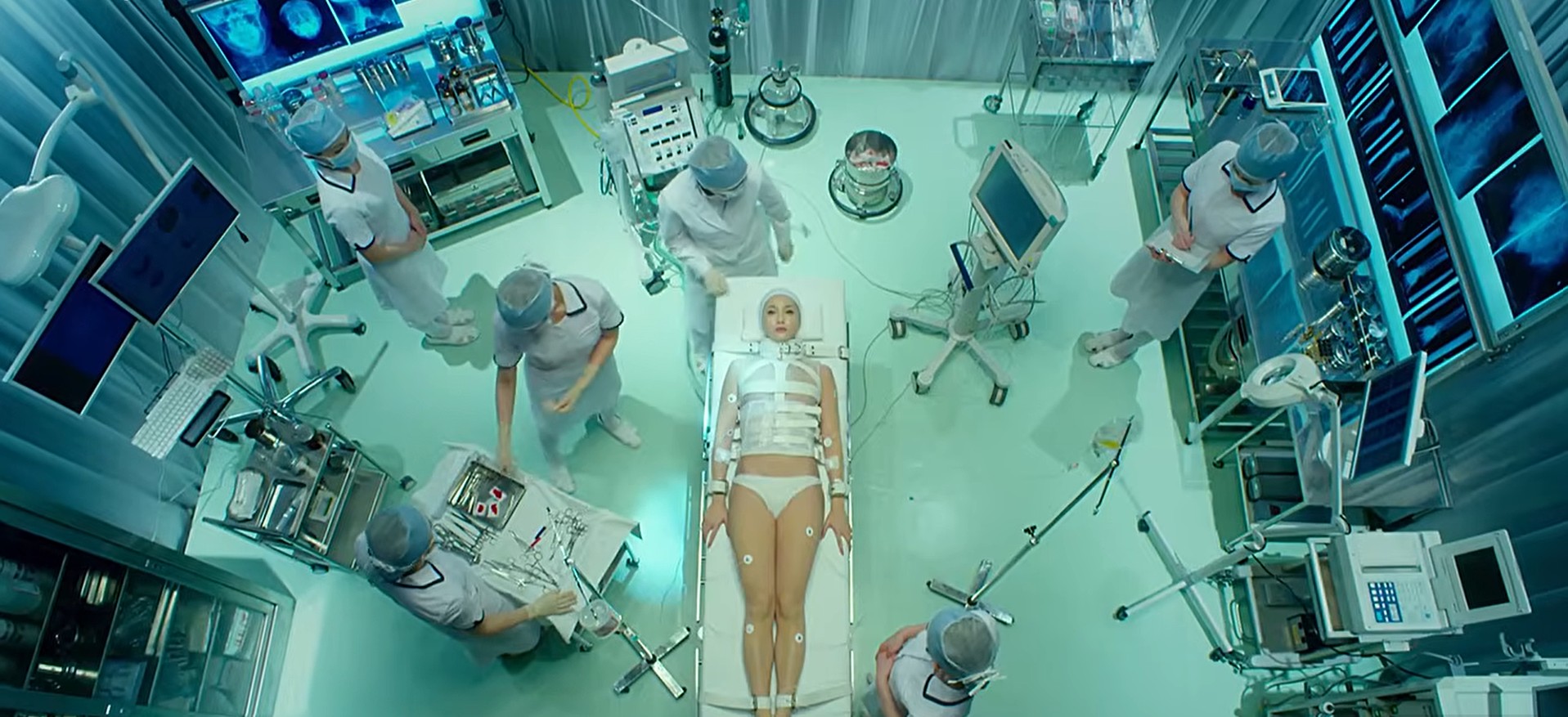
Lilico is the hottest Japanese fashion icon.  Fans adore her, brands want her, magazines crave her, and paparazzi and photographers yearn to shoot and work with her beauty that inspires all and commands undivided attention.  However, her astonishing beauty isn’t entirely organic as multiple surgeries through unorthodox surgical procedures that enhance her from a forgettable nobody to an unforgettable somebody.  Her radical surgeries begin to show blight side effects of the surface of her skin, sending her into vanity driven sociopathic spiral of sex, mental torture, and self-destruction, also affecting those closely around her, especially her assistant Hada who takes the brunt of her maltreatment.  When a new, hot model is presented by her manager and the world begins to fall in love with her, seemingly dropping Lilico from being the face of the fashion industry, the model’s snowballing and necrotizing surgical side effects can’t be stopped from becoming all but public. 

Social commentary horror movies like “The Substance,” “The Neon Demon,” and “The Ugly Stepsister” underline the vast awfulness and extreme lengths of beauty standards.  How to keep youthful, how to manipulate the face and body, and how envy can be weaponized from the worst of counterparts are just some of the attributes, which are very accurate outside the cinema, used as tropes for the body horror subgenre where attractiveness is the core catalyst that motivates monstrosities.  These late 2010s and early 2020 films might not have been directly inspired by Mika Ninagawa’s “Helter Skelter” but definitely pulls from the same cloth.  The 2012 Japanese fashion industrialized body and psychological horror is adapted by Arisa Kaneko based off the Kyôko Okazaki manga of the same name with established manga-to-film experienced producers, Morio Amagi (“Cutie Honey”) and Mitsuru Uda (“Xxxholic”), producing the WOWOW, Parco Co. Ltd, and Asmik Ace Entertainment film.

Objectification perspective isn’t always from the outside looking in but can be looking out as well.  In “Helter Skelter,” model Lilico believes in her self-importance, treating others in subordinate to her illustriousness career as the hottest flavor in Japan’s fashion society.  Society objectifies Lilico as nothing more than a stylistic Goddess who can do no wrong and even have the smallest bit of her in their space, whether be the hot topic of conversation or to the be face of their magazine cover, whereas Lilico objectifies those all around her with eviscerating self-proclaimed eminence and dominion over their mind, body, and soul.  “Ghost Train’s” Erika Sawajiri has the perfect look and approach to celebrity derision without blatancy toward others as her expressionless face never contorts with anger, never smiles without the devilish smirk and piercing eyes, that makes the fashion icon unreadable and to sway of control during bi-polar scenes where happiness and disgust swing rapid on a totalitarianism pendulum.  Personal assistant Michiko Hada, under the performance of “R100’s” Shinobu Terajima, takes the brunt of abuse during on-the-clock and off-the-clock professional and personal time.  Terajima’s ordinary bearings for Hada make the character an easy target in contrast to Lilico’s ornate wardrobe and lavish style of living spurred by ruthless nature to be best and most beautiful, taking an authoritative sovereign stance of control in the fashion hierarchy.  Lilico’s spoiled prince behavior coincides by a fueling Kaori Momoi in a queen-like mother figure as the talent agent who mostly advises her star pupil an instigating misconduct mindset with pro-surgical advice and like-minded guidance that artificially influences her body despite the pain and dangers as well as providing a mimicking behavior of dejecting and downcast harm.  Nao Ōmori (“Ichi the Killer”), Gô Ayano (“Woman Transformation”), Kiko Mizuhara (“Attack on Titan”), Hirofumi Arai (“The Neighbor No. Thirteen”), Anne Suzuki (“Returner”), and Mieko Harada (“Ran”) all play a role in the rise and fall of Lilico.

Much like Lilico’s quickly deteriorating fractured state of mind, and body, Ninagawa utilizes a cinematic style that’s overly brilliant with neon colors and a sharp polished look that contrasts reality and distorted perception, creating a disjointed narrative digression Lilico experiences.  The hyper stylization keeps in tandem with the fashion world of flash photography and gaudy maximalism, the ultra-violence and promiscuous behavior depict the cutthroat competition of remaining beautiful and the ugliness that’s truly inside, and the sheer flaunting of indifference and superficiality lingers throughout in and out of favor of our terrible protagonist who is actually the villain and the victim of her own tale.  Each character is flawed beyond reproach and having no redeemable qualities that make them appear strong or promising to be a virtuous type.  Not even the meek and eager-to-please personal assistant Hada who takes the punishing commands of her employer and manager in a purely pitiful subjugation of oneself to not lose a job position and be in the presence of stardom.  Hada even lets Lilico invade her personal life and continues to let it happen with no choice in the matter.  “Helter Skelter” embodies the very definition of the term with its confused and hurried chaotic state in design and in story while, in the same baroque breath, disenchanting the illusion of the fashion industry and beauty standards as not glamourous and genuine but fickle and fabricated with a heavy dish of backstabbing and self-destruction. 

In the same spirit as photogenic magazine models, UK label 88 Films releases a beautifully crafted, limited-edition Blu-ray release.  The numbered release Blu-ray is AVC encoded, 1080 high-definition resolution, onto a BD50 that was already shot digitally with a Red One MX camera through Zeiss Ultra Prime and Angenieux Optimo lenses under cinematographer Daisuke Soma.  This gave “Helter Skelter” a glamorously polished look to accentuate the hyper-stylized and contemporary look that starkly discolor the centralized characters as ruthless people of fashion and high society.  When good finally enters the picture, a young model stepping to Lilico’s high heels as the next young, hot model, the harsh design of modernism is scaled back to simple and sterile aspects with more of the dramatics being held locally to the downfallen characters.  Higher contrasts create deeper shadows amongst a medium-heavy color saturation that primaries strong statement colors like fire-engine red and Duke blue.  The curvature of the anamophoric lenses, presenting in a 1.85:1 aspect ratio, do show intentional signs of wrapping at the sides to capture the entirety of the wide shots in smaller spaces but adds to the surrealistic effect and is implemented at the right moments to make it all sensible.  No compression issues to note.  The Japanese DTS-HD 5.1 Master Audio and 2.0 Stereo tracks are the only two formats encoded.  The 5.1 has formidable attention to the side and back channels with the chaotic fashion-industry ambiance with erratic behaviors steering the scene.  Every action detail is highlighted to bring quieter scenes more tension and every tumultuous moments a fuller body.  The dialogue is crystal clear and layered appropriate with environmental track and soundtrack.  Moods rise up and down with the fluctuation soundtrack that pulsates in breath-holding, provocative, turning-point scenes that while melodies play in more of shocking portions to entice attention during climatic notes.  The newly translated English subtitles have no synchronization or grammatical issues to note and pace well with the visuals.  Special features include a feature in tandem audio commentary with Tori Potenza and Amber T., interviews with star Erika Sawajiri and director Mika Ninagawa, a behind the scenes of raw footage making the film, the Japanese premiere stage greeting, an opening day stage greeting, the Q&A from the Taipei Film Festival with director Mika Ninagawa, the original rehearsal footage, an image gallery, and the teaser and official trailers.  Like Ninagawa’s film, 88 Films tangible release is also hyper-stylized with newly commissioned art by Luke Insect that’s surreal, color, and slightly disturbing.  The clear Scanavo cases comes with an gold Obi strip with film and Blu-ray details and the sleeve is dual sided with original Japaense compositional design on the inside.  Inserted inside is a 23-page color booklet with a chaptered essay by Violet Burns, complete with color photo stills and promotional photos with the front and back art contrasting the two model women in a good and evil, light and dark, way.  The not rated, limited-edition Blu-ray has a runtime of 127 minutes and is A and B encoded to support playback in the Americas as well as Europe. 

Last Rites: There are plenty of horror as well as commentary films about fashion, but none do it with style quite like Mika Ninagawa and still develop an unrivaled cynicism of self-implosion.

Beauty is Pain. “Helter Skelter” from 88 Films!

An Expedition to Hunt EVIL is now EVIL Hunting the Expedition. “The Yeti” reviewed! (Well Go USA Entertainment / Blu-ray)

“The Yeti” Stomping Its Way onto Blu-ray!

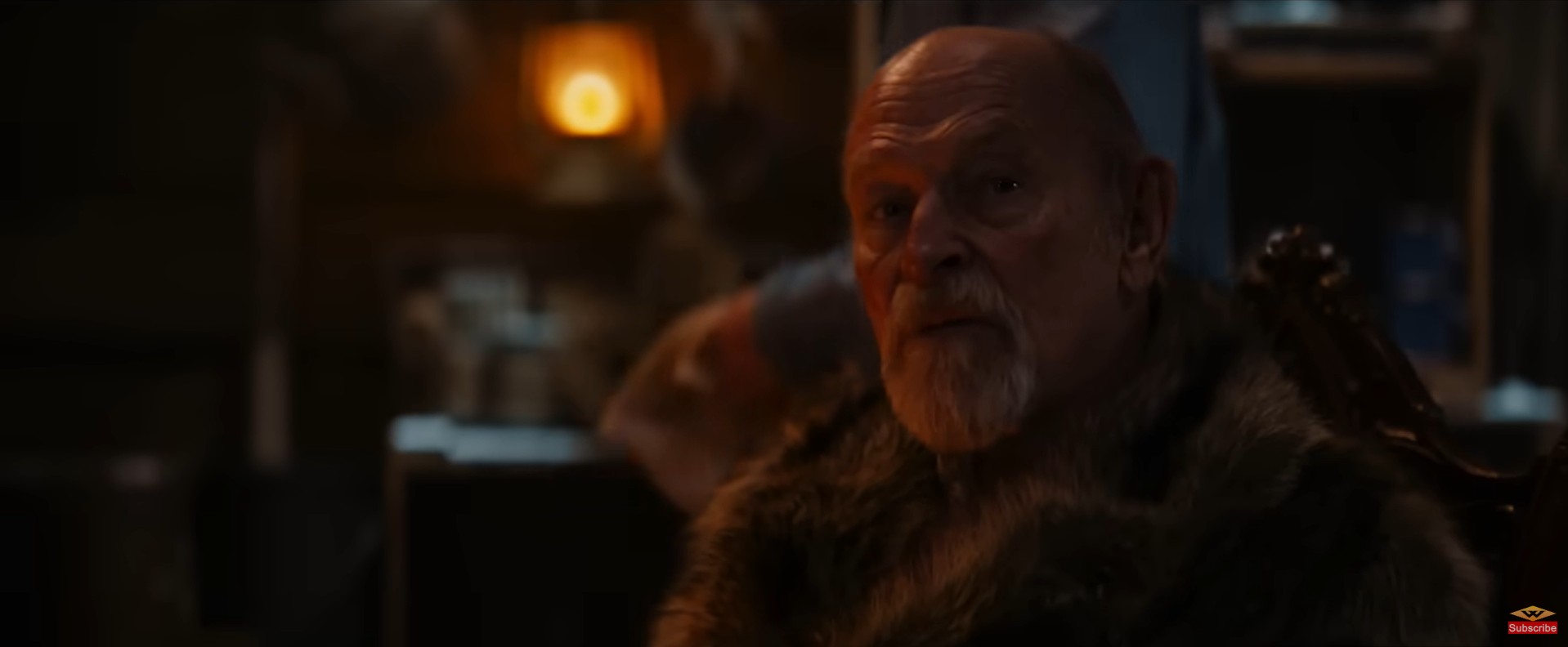
Alaska, 1947 – an oil tycoon’s expedition goes missing after the team doesn’t report to the return boat and a SOS is transmitted days later.  The oilman’s son gathers his own team of uniquely skilled experts to track down the whereabouts of his father and the rest of the missing expedition.  Ellie Bannister, a washed out of cartographer and explorer, is hired to lead the trip because her estranged father Hollis was a part of the first expedition.  Despite her own self-doubting hesitations, Ellie agrees to aid her services but when they arrive, they’re met with a force of evil long thought of urban legend.  One-by-one, they’re being picked off, chewed apart, and spat out in a heap of blood and guts as the creature after them is hunting them down as intruders and pillagers of their snowy forest land.  It’s up to Ellie and the remaining survivors had to contact the boat in the midst of a storm in order to escape with their lives and bodies still intact. 

Horror films about the Abominable Snowman, or even his forestry cousin Big Foot, are always hit or miss, with most of them being duds that don’t do the urban legendary big fellas justice.   And don’t even get me started on those grandiose-embellished documentaries.  Co-writers-and-directors Gene Gallerano and William Pisciotta are taking their shot on the snowy sasquatch with their latest 2026 film, “The Yeti.”  The film is Gallerano and Pisciotta’s first feature length film after having a decent, more than a decade’s worth of short film credits to their name.  The U.S. production builds snowy, forest-filled stages inside Buffalo, New York’s Buffalo FilmWorks to double as the harsh, snowy landscape of Alaska, avoiding long and wide shots in full light to make it more claustrophobic while and contained to effectively represent a location in the 49th state. Torfoot Films and Hardscrabble Film Company serve as the film studios with Johnathan Browniee (“Satanic Panic”), Frank Coppola (“Givers of Death”), Ross Meyerson, and Romano Natale producing. 

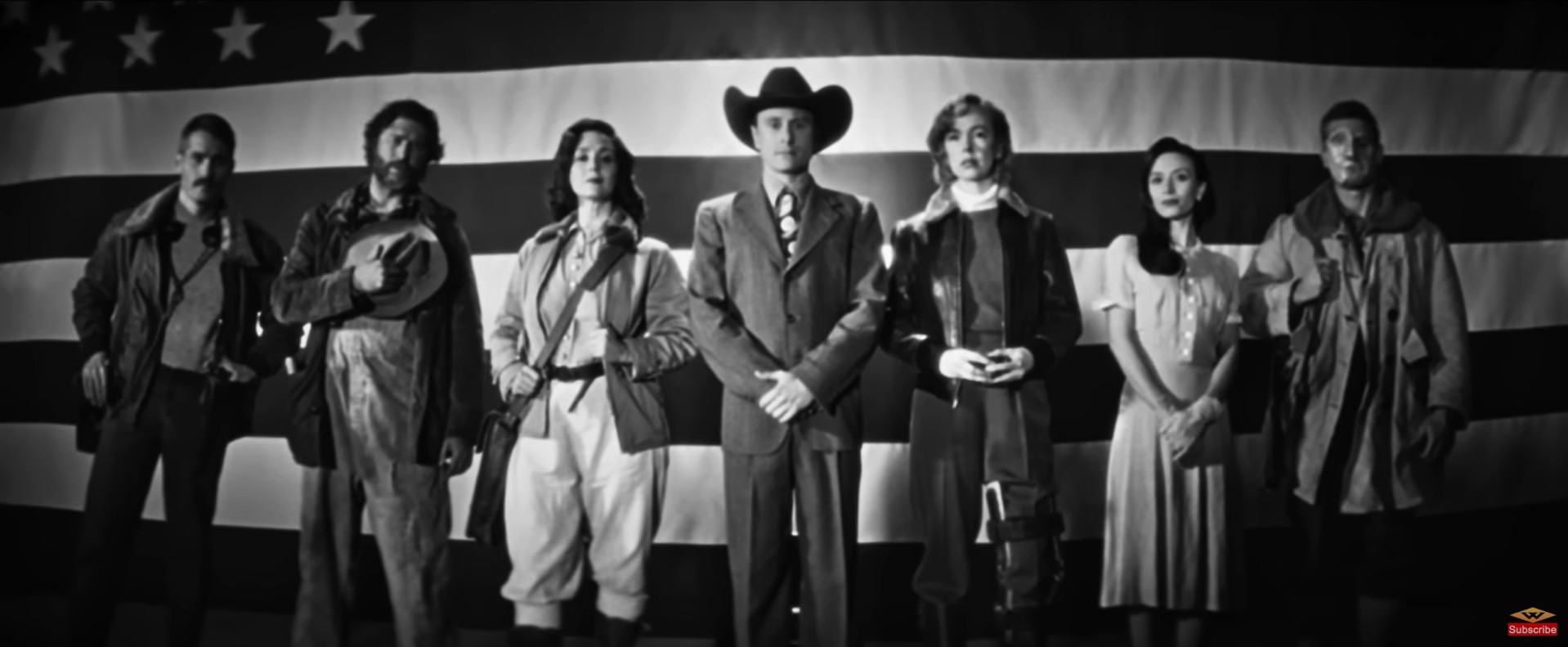
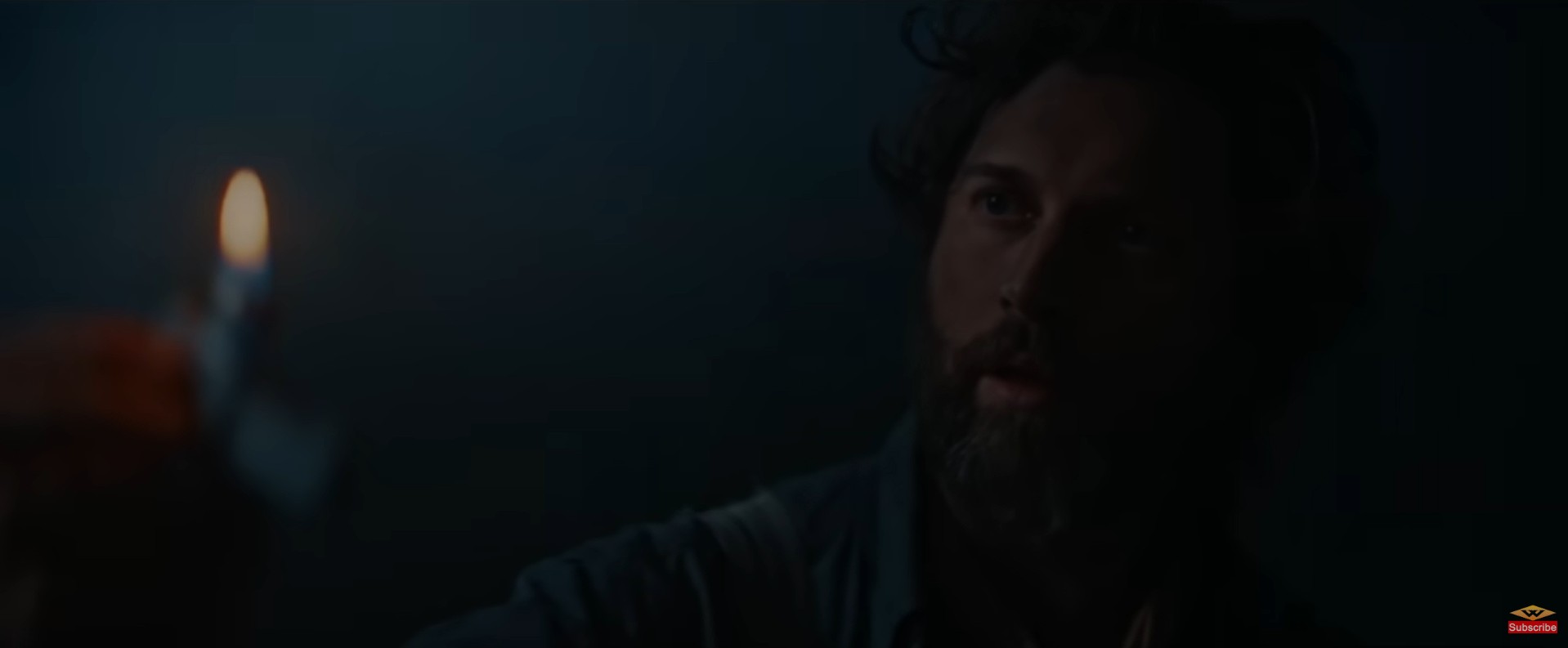
“The Yeti” is compromised of an ensemble cast of mostly rescue expeditioners heading into the unknown parts of Alaska to make contact with another expedition team who fell off the radar.  The story is female-led by Brittany Allen (“Jigsaw,” “What Keeps You Alive”) as an afraid of failure Ellie Bannister with haunted history and a bum leg due to polio.  Though deeply flawed in a traditional sense, this doesn’t stop Bannister from accepting the position of expedition leader and cartographer-explorer and while Bannister is rising to the challenges to meet her character arc, Allen doesn’t exude the attributes of heroism with freezing in fear, drifting off with music, and never really coming toe-to-toe with the titular villain and, instead, having more complex conversations and actions with her estranged father as part of a rekindling process.  The rest of her team shows more guts – literally and figuratively – without much of a backstory to them and that wastes the potential to have some sort of strong feelings toward their characters, such as war vet Leander Coates (Linc Hand, “The Other Side”)) who wears a half-mask painted with a crude imitation of a human face, Daniel ‘Dynamate’ Hewitt (Gene Gallerno) as a spacy, good ol’boy drunk and explosive expert, Booker (Jim Cunnings, “Halloween Kills”) as the silent and stoic radio ma, Merriell Sunday (Eric Nelsen, “Nightmare Cinema”) as the missing Tycoon’s son who either has a hidden agenda or has ants in his pants, Margaret Lamb (Christina Bennett Lind, “Calico Skies”) as an animal expert who doesn’t get to use much of her skills and knowledge, and Belle Parker (Elizabeth Cappuccino, “Super Dark Times”) as…well…I don’t really know, assistant to the Tycoon’s son possibly?  Parker’s contribution to the expedition team is never really explained.  The film rounds out with two big hitters in Corbin Bersen (“Major League”) as the oil Tycoon who does have a hidden agenda and William Sadler (“The Shawshank Redemption”) as Ellie’s father trying to stop that agenda. 

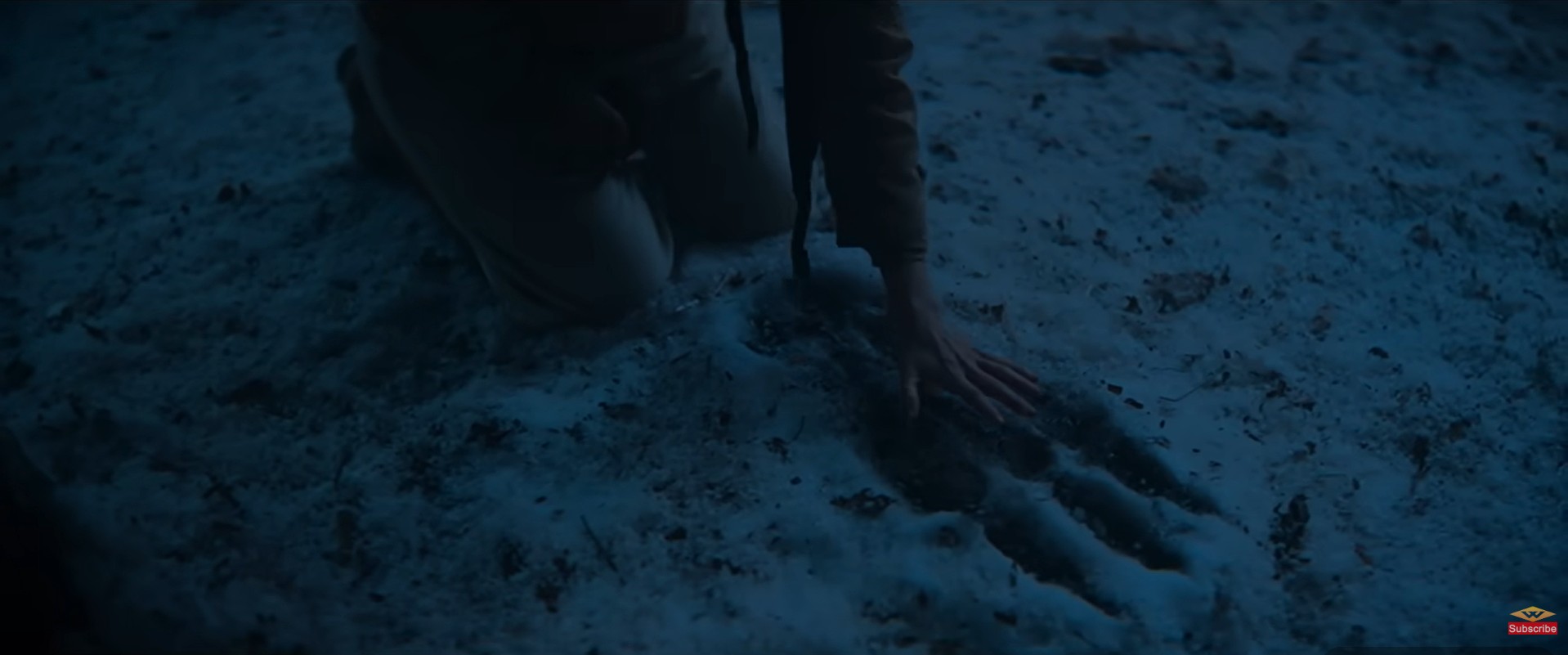
Yeti centric stories should exhibit the ugliest, ferocious, hairiest, tallest, and meanest, white furred primate to ever walk the Earth in folklore.  “The Yeti” accomplishes that in a modest level that tries to meet eye-to-eye with Ryan Schifrin’s 2006 film “Abominable” that truly does have a ruthless creature in its blood soaked and gory entrails.  Gallerano and Pisciotta’s Yeti, brought to life by Wayne Anderson (“The Predator”) and Ali Gordon (“Hellraiser” ’22), is tall, stringy and matted hair, large mouth with razor teeth, sharp claws, and an overall, an oversized, white gorilla on steroids.  Couple this beast’s design with gory practical effects by Anderson and Gordon as well and you have potential breathing down your neck!  Yet, “The Yeti” fails to impress despite a visually visceral creature and buckets of bloodshed as the story can’t hold the pieces together even in its rudimentary and predictable state.  Characters are never given the opportunity to make an impact, becoming quick Yeti fodder for the sake of impressive on-screen kills – one man eaten in half, another perforated by a claw, and another’s arm is ripped right off as the Yeti compresses his foot down onto his chest.  There’s little to like about the actions taken and the lack of empathy in their behavior that snag “The Yeti’s” success for an indie product that tries, and to the point, succeeds being larger than its creature mythology.  The creature has more depth and understanding, holding onto a rationality universally understandable, while the characters, who are supposed to be the protagonist and principal good guys on the side of nature or humanity are terribly murky to the point trying to relate to them felt futile. 

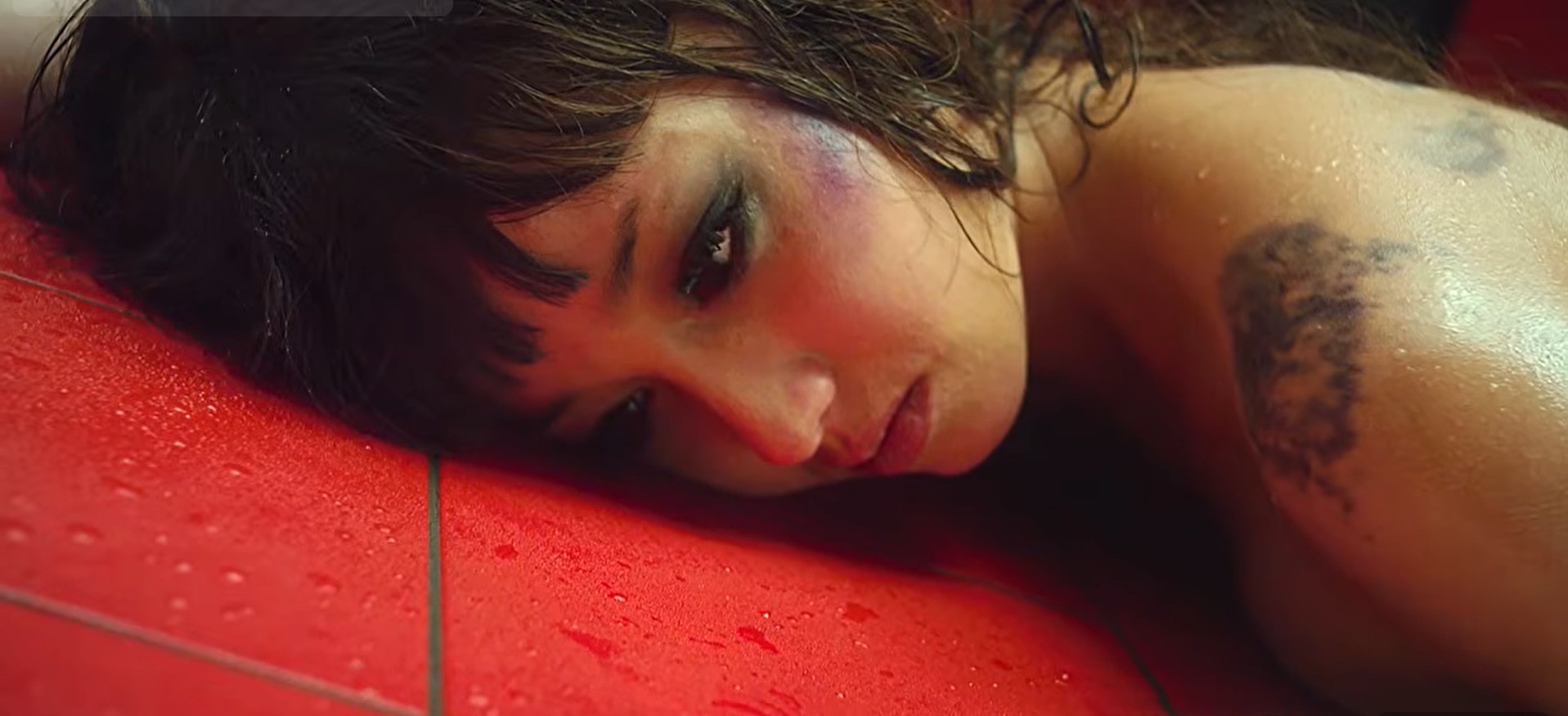
Well Go USA Entertainment brings Gene Gallerano and William Pisciotta’s “The Yeti” to physical media with an AVC encoded, 1080p Hi-Def resolution, BD25 Blu-ray.  I’m curious why the decision was made for a smaller capacity Blu-ray because aesthetically, “The Yeti” uses low light, fog, has plenty of tenebrous portions that tend to wreak havoc on the compression decoding.  Same can be said here as “The Yeti” suffers from obscurity infractions that reduce the detail considerably.  If looking at the backside of the physical release, as we’ll also go over later, the stills are quite sharp, suggesting the master to have peak quality whereas the Blu-ray sees a reduction in quality.  Joel Froome’s cinematography is an initial mix bag of harsh lighting, black-and-white, and lower color saturation to be more a period pieces of the 1940s-1950s but once the rescue team is out in the field, Froome switches gears quickly to a claustrophic and cold color mise-en-scene that doesn’t expand landscapes, keeping the area tight amongst the trees with poor visibility due to the blizzard-lite conditions.  The film’s aspect ratio is a widescreen 1.78:1.  The release comes with two English audio tracks, a primary DTS-HD Master Audio 5.1 and a Dolby Digital 2.0 Stereo.  The lossless 5.1 is hands down the option to go with with plenty of atmospherics wind gusts, tree rustles, and off-screen Yeti sounds to build tension and isolation.  Dialogue renders over nice and clear with prominence amongst the rest of the layers.  The soundtrack is also equally balanced and integrated but also camouflages in the background, never really becoming a character itself nor being remarkably memorable.  English and French subtitles are optionally available.  Other than trailers and Well Go USA Entertainment previews, the Blu-ray is a feature-only release with no bonus content or stinger scene.  An O-ring slipcover with a telling image of size and ferocity sheaths the standard Blu-ray Amaray.  The same slipcover image art is also the single-sided sleeve and there are no tangible extras within.  Rated R for bloody violence content and some gore, “The Yeti” Blu-ray from Well Go USA Entertainment has a feature runtime of 93 minutes and is region A locked.

Last Rites: “The Yeti’s” a strong enough entry to viciously vilify the snowbound mythical urban legend but directors Gene Gallerano and William Pisciotta don’t finish the job giving the narrative feeble legs on the stand where it counts as blood and guts alone can’t make an abominable snowman film worth watching.

“The Yeti” Stomping Its Way onto Blu-ray!